



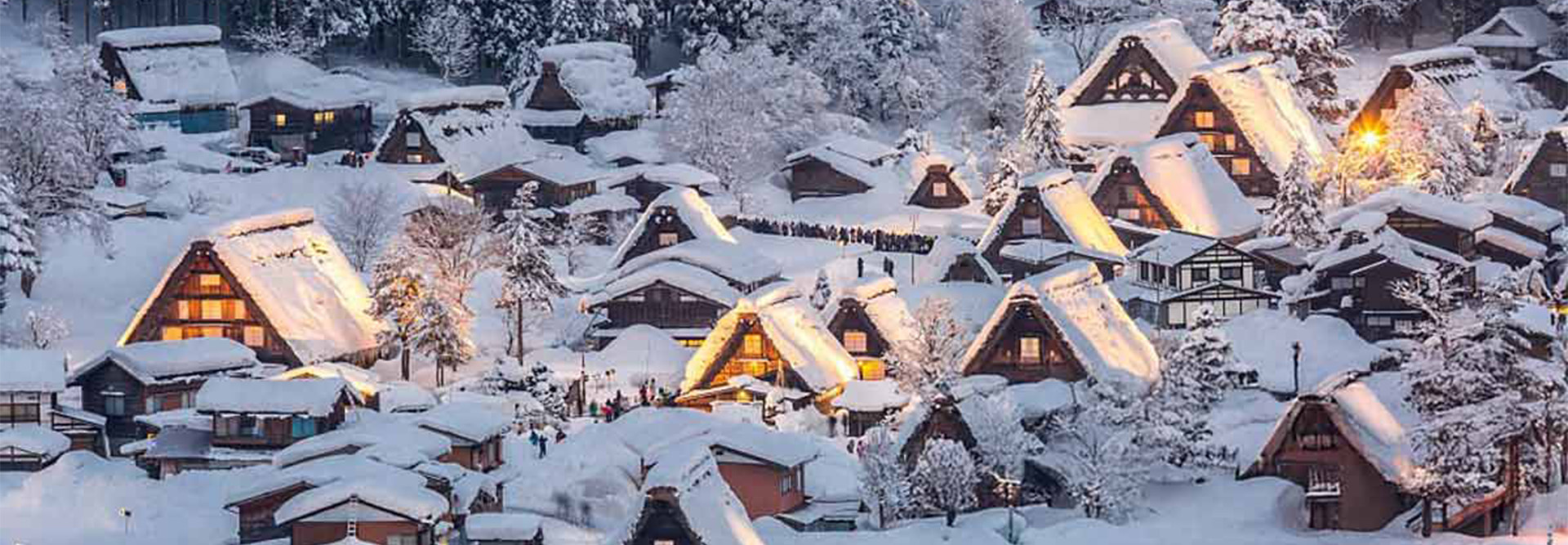
Shirakawa-go - Historic Villages
Shirakawa-go Historic Villages Travel Guide for First-Time Visitors
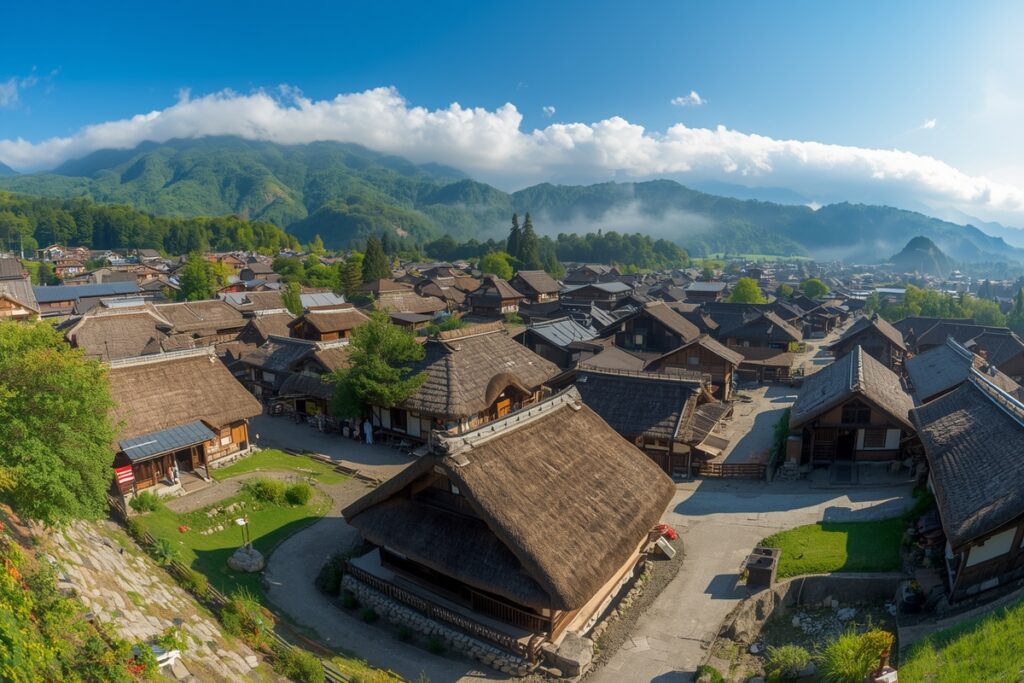
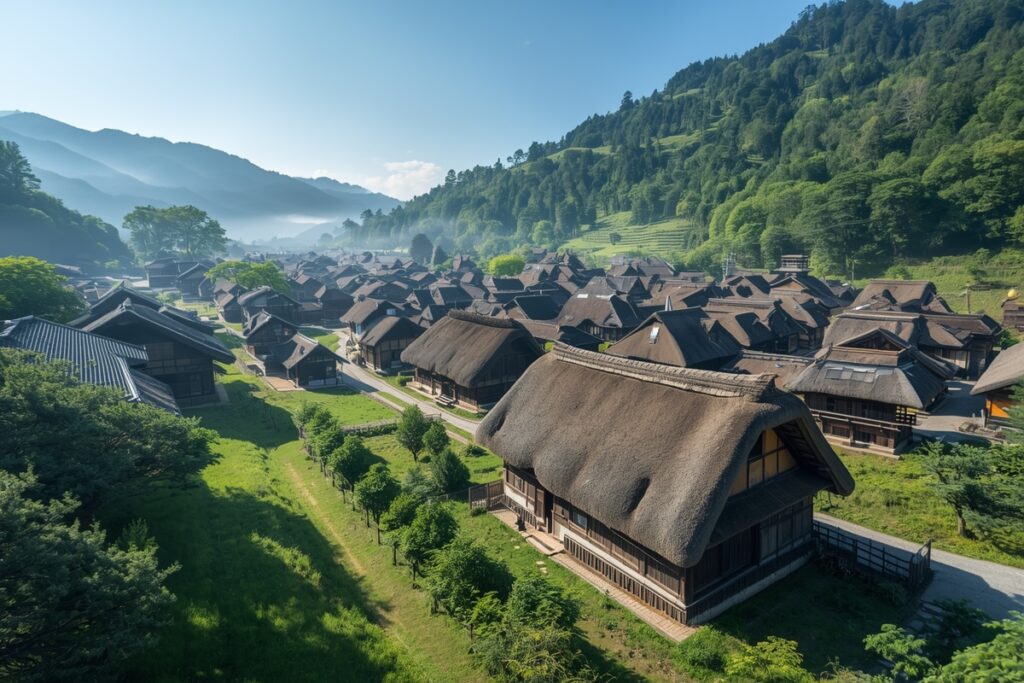
Photos are for illustrative purposes only.
Nestled in a remote mountain valley of central Japan, Shirakawa-go looks like something from a storybook: steep thatched farmhouses dusted with snow, rice fields shimmering in summer, and clear rivers curling past wooden bridges. This UNESCO World Heritage Site is one of Japan’s most atmospheric rural destinations and an easy addition to a classic Tokyo–Kyoto itinerary.
This guide is designed for first-time visitors from overseas. You will find essential planning advice, cultural background, and practical tips to help you experience Shirakawa-go respectfully and comfortably.
What Is Shirakawa-go?
Shirakawa-go refers to a group of traditional villages tucked into the mountains of Gifu Prefecture. The most visited area is Ogimachi, where dozens of thatched farmhouses stand together in a compact settlement surrounded by rice paddies and forested hills.
The villages are famous for their gassho-zukuri houses. Gassho means “hands in prayer”: the steep, triangular roofs resemble the hands of Buddhist monks pressed together. Built at angles of up to 60 degrees, they are designed to shed heavy winter snow quickly and protect the wooden structure beneath.
For centuries, these isolated communities survived by cultivating mulberry trees and raising silkworms in the large attic spaces above their living quarters. Today, many of the houses are family-run guesthouses, small museums, or private homes that continue to anchor village life.
Why Visit Shirakawa-go?
For international travelers, Shirakawa-go offers a powerful contrast to Japan’s neon cities and bullet trains. The appeal lies in three main experiences:
1. Step Into Living History
Unlike open-air museums that reconstruct old buildings, Shirakawa-go is a living village. Children walk to school, smoke curls from kitchen hearths, and local residents tend to vegetable gardens beside centuries-old farmhouses. Visitors are welcome to explore, but are also asked to remember that this is a real community, not a theme park.
2. Iconic Scenery in Every Season
Shirakawa-go is photogenic year-round, and each season transforms the landscape:
- Winter (Dec–Feb): Heavy snow blankets the rooftops, turning the village into a luminous white world. On some evenings, special illumination events light up the farmhouses, though these require advance reservations and crowd control measures.
- Spring (Mar–May): Snow lingers on the surrounding peaks while plum and cherry blossoms open along the riverbanks. Rice paddies are flooded, mirroring the thatched roofs in the water.
- Summer (Jun–Aug): Lush green mountains wrap around emerald rice fields, and warm evenings bring the sound of insects and river water. Occasional afternoon showers add a mysterious mist to the valley.
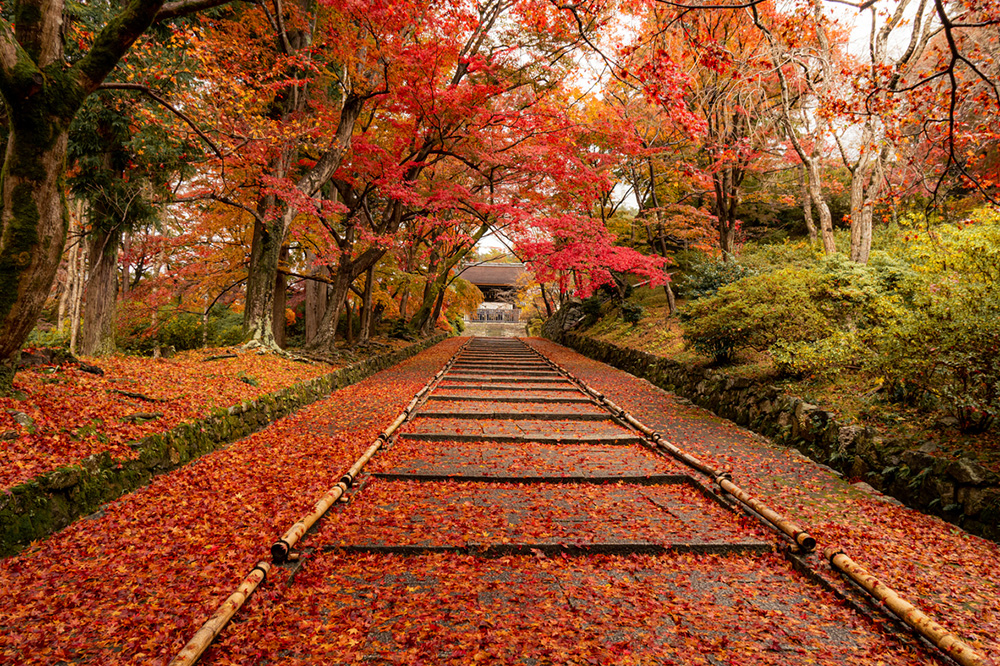
- Autumn (Sep–Nov): This is one of the best times to visit. Maple and beech forests blaze with red and gold, and harvest season gives the village a special energy.
3. A Taste of Traditional Countryside Life
Staying overnight in a thatched-roof guesthouse allows you to experience Japan’s rural hospitality: sleeping on futon bedding laid over tatami mats, soaking in a Japanese-style bath, and sharing home-cooked local dishes in a communal dining room heated by a central hearth. For many travelers, this is a highlight of their entire trip.
How to Get to Shirakawa-go
Despite its remote feel, Shirakawa-go is straightforward to reach using public transport. Most visitors approach from Takayama or Kanazawa, both of which are accessible by train from major cities.
From Tokyo
- Via Takayama: Take the JR Hokuriku Shinkansen or Tokaido Shinkansen to Nagoya, then transfer to the Limited Express Hida to Takayama (total around 4.5–5 hours). From Takayama, highway buses run to Shirakawa-go in about 50 minutes.
- Via Kanazawa: Take the Hokuriku Shinkansen from Tokyo to Kanazawa (about 2.5–3 hours). From Kanazawa, buses to Shirakawa-go take roughly 1 hour 15 minutes.
Seat reservations are strongly recommended for highway buses, especially on weekends and in busy seasons. Many bus companies allow online booking in English.
From Kyoto or Osaka
- Travel by Shinkansen or limited express to Kanazawa, then continue by bus to Shirakawa-go.
- Alternatively, travel via Nagoya and Takayama following the Tokyo–Takayama–Shirakawa-go route.
There is no railway station in Shirakawa-go itself; the village is small enough to explore entirely on foot once you arrive at the bus terminal.
Planning Your Visit: Day Trip or Overnight Stay?
Most international travelers choose between a quick day trip and a more immersive overnight stay inside the village.
Day Trip
A day trip from Takayama or Kanazawa is the most common option. With 3–5 hours on site you can:
- Walk through the main streets of Ogimachi village
- Visit one or two farmhouse museums
- Enjoy lunch at a local restaurant
- Climb to the main viewpoint for panoramic photos
This works well for tight itineraries, but the village can feel crowded in the middle of the day, especially during peak seasons.
Overnight Stay in a Gassho-Zukuri House
Staying overnight in a thatched farmhouse is highly recommended if your schedule allows. Guesthouses are simple but atmospheric, often run by families who have lived in the village for generations. A typical stay includes:
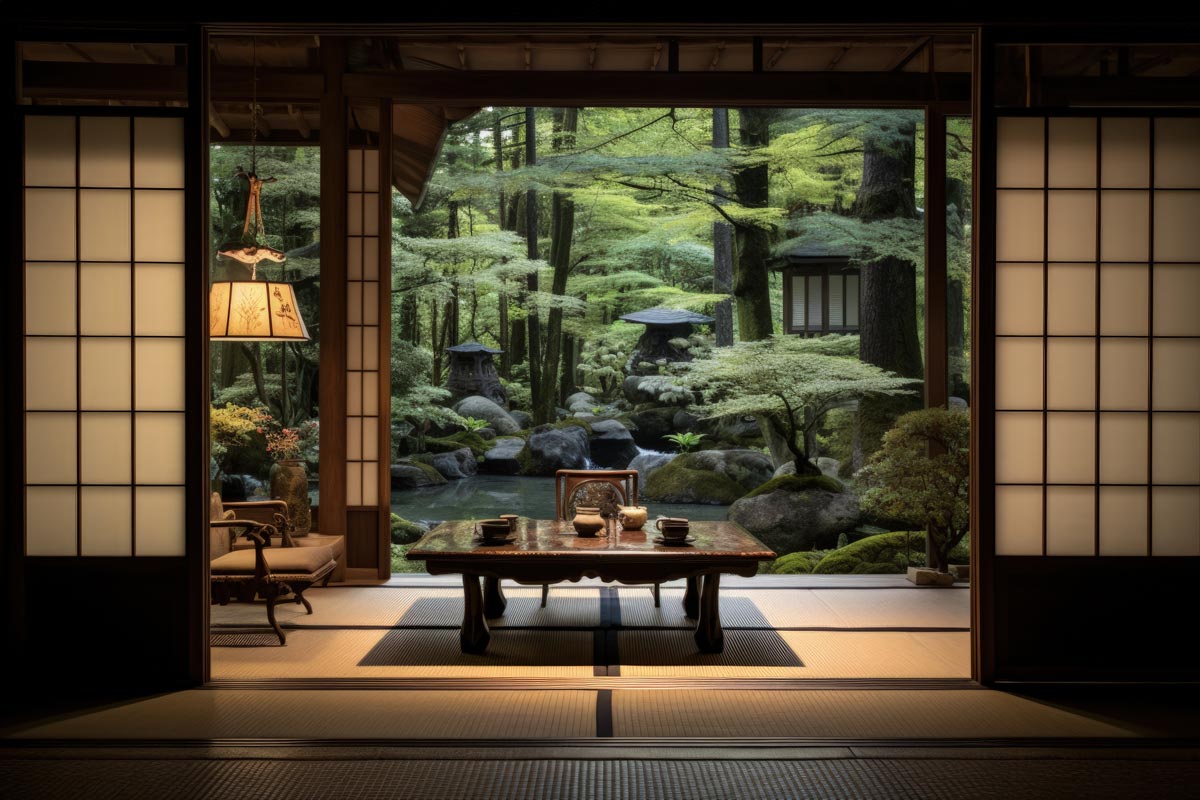
- Tatami rooms with sliding doors and futon bedding
- Shared bathrooms and Japanese-style baths
- Home-cooked dinner and breakfast, often featuring river fish, mountain vegetables, and local rice
Evenings and early mornings are magical. After the day-trippers leave, the village becomes quiet, and you can wander the lanes under a sky full of stars or watch mist lift from the rice paddies at sunrise.
Advance reservations are essential, particularly in winter and during autumn foliage. Many guesthouses are cash-only and may have limited English, so booking through a reputable reservation site or tourist information center can be helpful.
Top Things to Do in Shirakawa-go
1. Explore Ogimachi Village on Foot
Ogimachi is compact enough to cross in 15–20 minutes, but allow plenty of time to wander side lanes, admire small gardens, and observe the details of daily life: stacked firewood, drying persimmons, and household shrines.
Pick up a simple village map from the information center near the bus stop. The main streets are easy to navigate and mostly flat, though some lanes can be slippery in winter.
2. Visit a Traditional Farmhouse Interior
Several farmhouses are open to the public as museums. Inside, you can see the tall attic spaces once used for sericulture (silk production), blackened ceiling beams stained by decades of hearth smoke, and everyday tools from village life.
The central hearth, or irori, was crucial in winter: it provided heat, light, and a place to cook, while also drying and preserving the thick thatched roof above. Many displays include English explanations that make it easier to imagine life here when the villages were snowbound for months.
3. Climb to the Main Viewpoint
The classic postcard view of Shirakawa-go comes from an observation point on a wooded hill overlooking the village. On foot, the walk up takes about 10–20 minutes depending on your pace. There is also a shuttle bus service in some seasons.
From the top, you can see the patterned rows of thatched roofs, the river cutting through the valley, and surrounding peaks in every direction. Early morning and late afternoon light are particularly beautiful for photography.
4. Enjoy Local Food and Snacks
Between walks, warm up in winter or cool down in summer at small eateries and cafés around the village. Local specialties often include:
- Hida beef: High-quality beef from the region, sometimes served as skewers or grilled slices on a hot plate.
- Gohei-mochi: Skewered rice cakes coated in sweet miso or walnut sauce, then grilled until fragrant.
- Soba (buckwheat) noodles: Served hot in winter or cold in summer, often using local mountain water.
- River fish: Salt-grilled ayu or similar fish, a traditional countryside dish.
Many shops and restaurants close by early evening, so if you are staying overnight, plan to eat dinner at your guesthouse.
5. Cross the Suspension Bridge
Most visitors enter Ogimachi by crossing a long pedestrian suspension bridge over the river. It offers a dramatic first glimpse of the village and excellent photo opportunities, especially when the river is icy blue in winter or flanked by autumn foliage.
Cultural Etiquette and Responsible Travel
Shirakawa-go’s designation as a World Heritage Site has brought international recognition, but it has also increased the pressure on a small community. Simple etiquette makes a big difference to residents’ quality of life.
Respect Private Homes
Not every farmhouse is open to the public. Many are private residences, even if they look similar to the museums. Avoid walking into yards, leaning against windows, or photographing directly into homes. If you are unsure whether a place is open to visitors, look for clear signage or ask politely.
Photography Guidelines
Shirakawa-go is extremely photogenic, and taking pictures is welcomed in most outdoor areas. However:
- Avoid using drones; they are often restricted to protect privacy and safety.
- Be mindful not to block narrow lanes or entrances while setting up shots.
- Ask permission before photographing local people at close range.
Walk Carefully in All Seasons
In winter, snow and ice can build up on roads and paths. Wear shoes or boots with good grip, and watch for icicles falling from roofs. In summer and during the rainy season, paths can be muddy. Staying on marked walkways helps protect both you and the fragile environment.
Support Local Businesses
Choosing to eat at village restaurants, buy local crafts, or stay in a family-run guesthouse directly supports the community that maintains these historic buildings. Many shops sell handmade items such as straw ornaments, wooden crafts, and local foods, which make meaningful souvenirs.
Practical Tips for Visiting Shirakawa-go
Weather and What to Pack
- Winter: Expect deep snow and temperatures that can fall well below freezing. Pack warm layers, gloves, a hat, and waterproof boots. Crampons or simple anti-slip attachments for shoes can be very helpful.
- Spring and Autumn: Weather changes quickly in the mountains. Bring a light jacket, rain protection, and comfortable walking shoes.
- Summer: Days can be warm and humid, but evenings are cooler than in the cities. Pack breathable clothing, a hat, and insect repellent for dusk.
Cash, ATMs, and Connectivity
Some businesses accept credit cards, but many small guesthouses, cafés, and souvenir shops still prefer cash. ATMs can be limited, so withdraw enough in Takayama, Kanazawa, or another city before your visit. Mobile reception is generally available, and there are often free Wi-Fi spots near the bus terminal or information center, though speeds may vary.
Luggage and Storage
If you are visiting as a day trip, consider using coin lockers or luggage delivery services at nearby stations to avoid dragging large suitcases around the village. The narrow, sometimes snowy streets are easier to navigate with a small backpack.
Language
English is not widely spoken, but staff at the main tourist information center can usually assist, and many signs include English. In guesthouses, simple English, gestures, and a friendly attitude go a long way. Learning a few basic phrases such as “thank you” (arigatou gozaimasu) is appreciated.
Combining Shirakawa-go With Other Destinations
Shirakawa-go fits naturally into a broader journey through central Japan. Common routes include:
- Tokyo – Takayama – Shirakawa-go – Kanazawa – Kyoto: A classic loop that combines traditional towns, mountain scenery, and cultural cities.
- Osaka/Kyoto – Kanazawa – Shirakawa-go – Takayama – Nagoya: A great option if you want to explore the Japan Alps region in more depth.
Allow at least one full day in Takayama or Kanazawa in addition to your time in Shirakawa-go to appreciate the unique character of each town.
Is Shirakawa-go Worth It for First-Time Visitors?
For many first-time travelers to Japan, Shirakawa-go becomes an unforgettable highlight. It offers a chance to step beyond the usual circuit of big cities and famous temples and to slow down in a place where the rhythm of life is shaped by weather, seasons, and long-standing traditions.
With thoughtful planning—booking transportation, considering an overnight stay, and respecting local etiquette—you can experience the quiet magic of these historic villages and support the community that keeps them alive.
Whether you stand on the hilltop viewpoint overlooking snowy roofs or wake to morning mist over green rice fields, Shirakawa-go will give you a deeper, richer sense of Japan’s countryside and cultural heritage.

Access Map
Recommended spots for Winter Snow
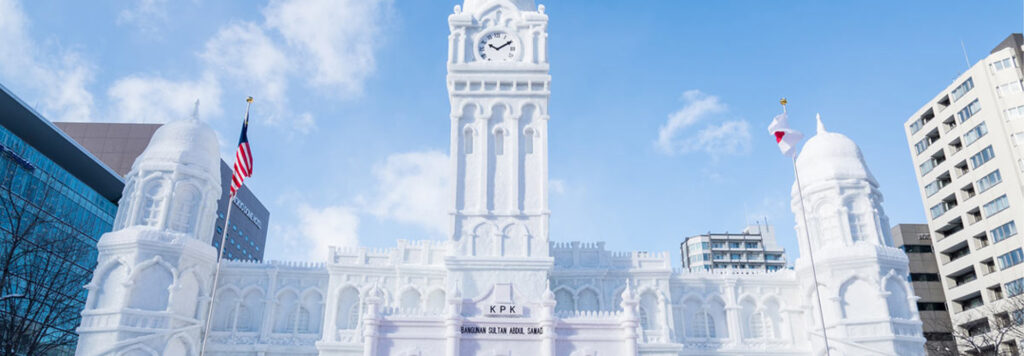
Hokkaido
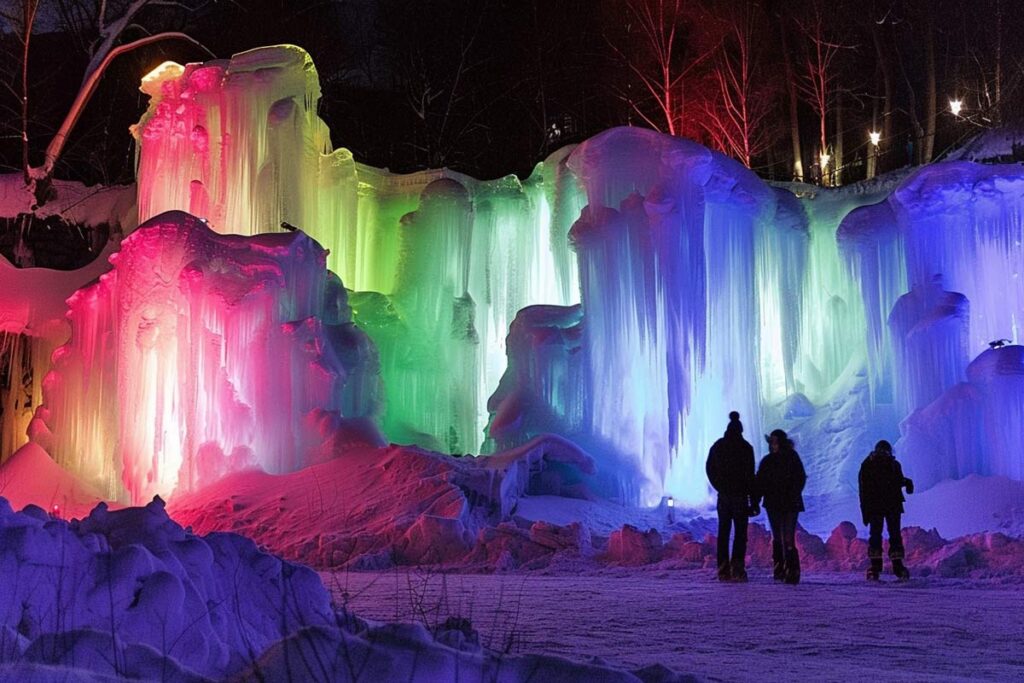
- Sapporo Ice Festival
Takayama
- Frozen Waterfalls
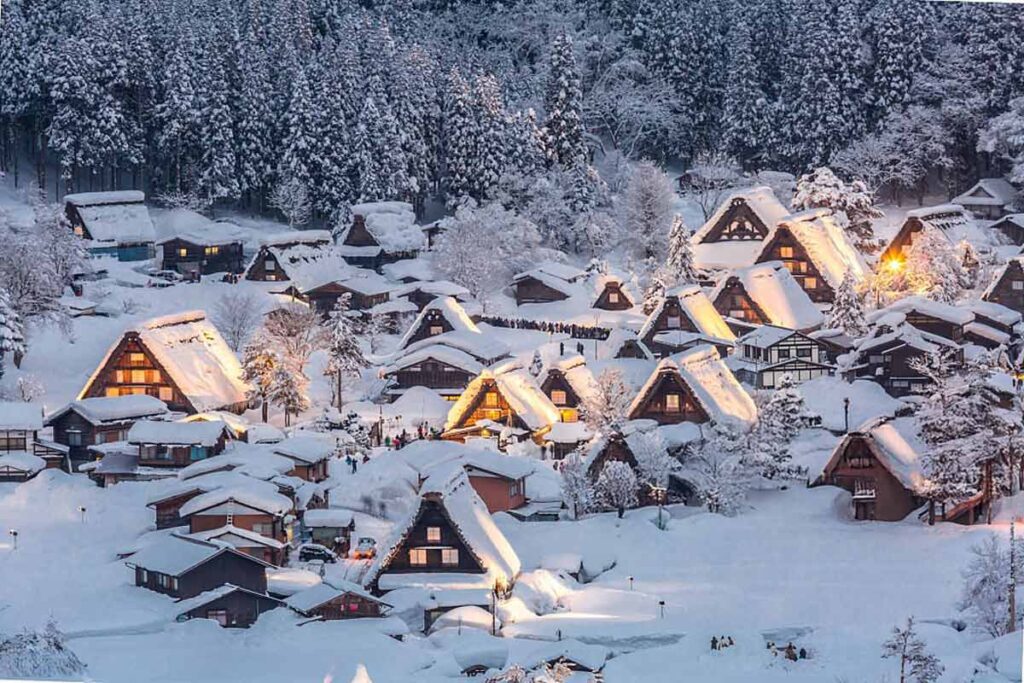
Shirakawa-go
- Historic Villages

Nikko
- Kegon Falls
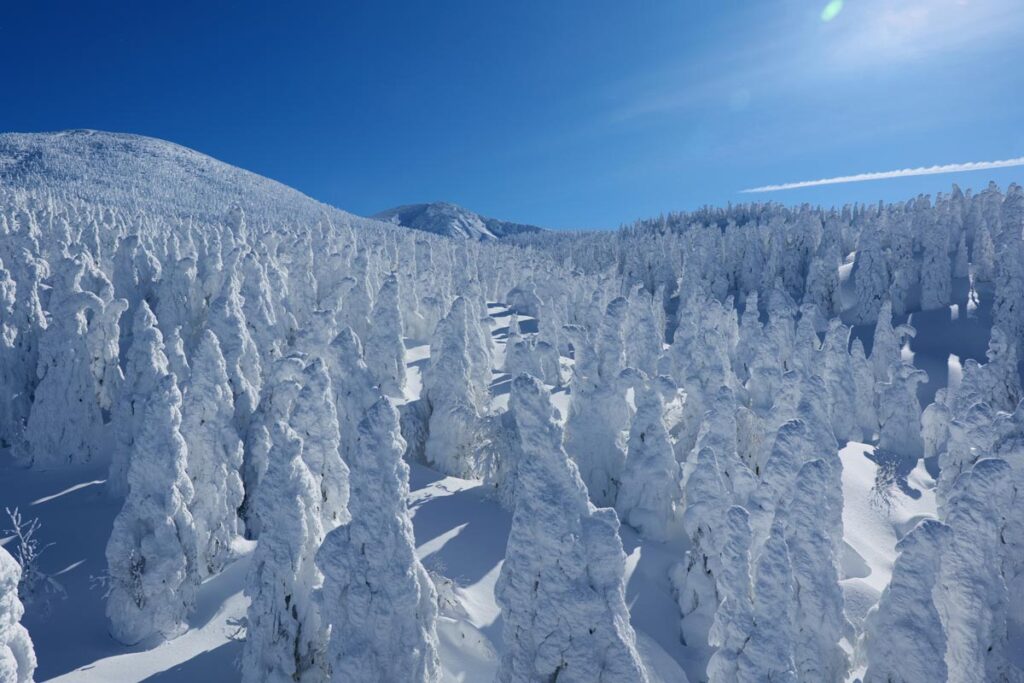
Zao
- Snow Monsters
Other Seasonal Spot
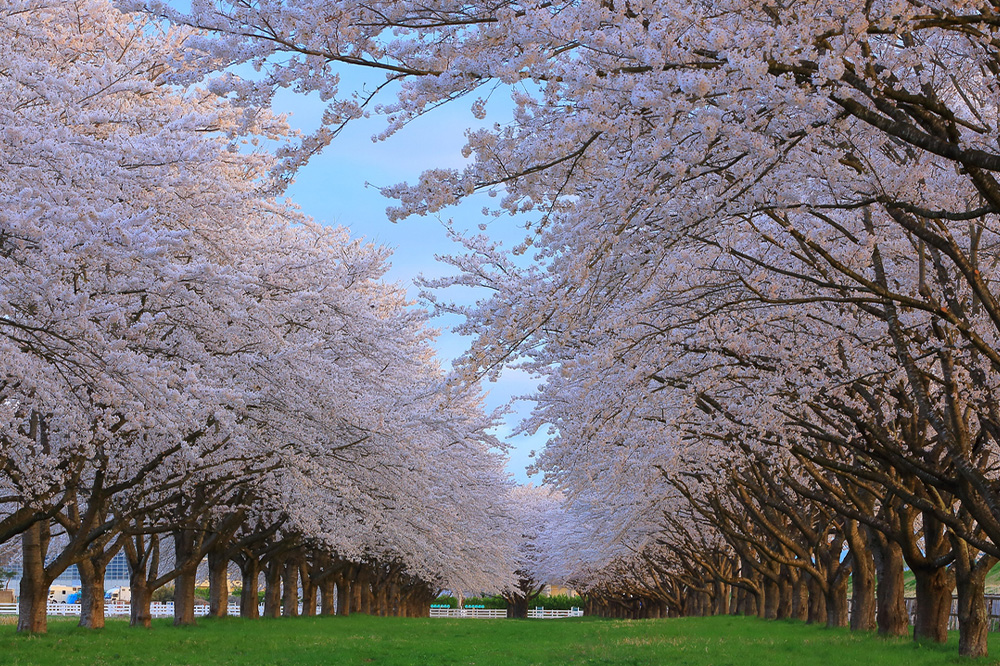
Cherry Blossoms

Summer Festivals