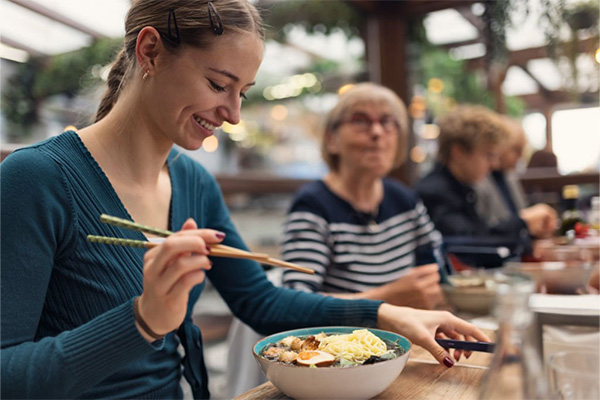
For many first-time visitors to Japan, the loud, joyful sound of people slurping noodles is one of the most surprising cultural experiences. In many Western countries, eating quietly is considered polite. In Japan, however, savoring a hot bowl of ramen or soba often comes with an enthusiastic slurp. Far from being rude, it can be a sign that you are enjoying your meal.
Understanding why slurping is accepted, and even encouraged, will help you relax, eat with confidence, and enjoy one of Japan’s great culinary pleasures: a steaming bowl of noodles prepared with care and craft.
Why Slurping Noodles Is Polite in Japan
In Japanese food culture, the focus is less on strict table silence and more on appreciation of flavor and temperature. Slurping noodles serves two main purposes: it cools the hot noodles as they reach your mouth, and it draws in air that helps release the aroma of the soup or dipping sauce. It is a practical technique that became a cultural habit.
Slurping can also be interpreted as a compliment to the chef. Ramen chefs and soba masters spend years learning to balance broth, seasoning, and noodle texture. When customers eat enthusiastically, it signals that the food is delicious. You do not have to be excessively loud, but you certainly do not need to hide your enjoyment.
While some younger Japanese people may choose to eat more quietly, especially in formal or Western-style restaurants, you will rarely be judged for polite slurping in a noodle shop. If anything, staff may be pleased to see you embrace the local style.
The Big Three: Ramen, Soba, and Udon
Slurping etiquette applies to every major noodle style in Japan, but each has its own setting, flavor, and ideal way to enjoy it. Knowing the differences will enrich your experience and help you decide what to order.
Ramen: The Soul Food of Modern Japan
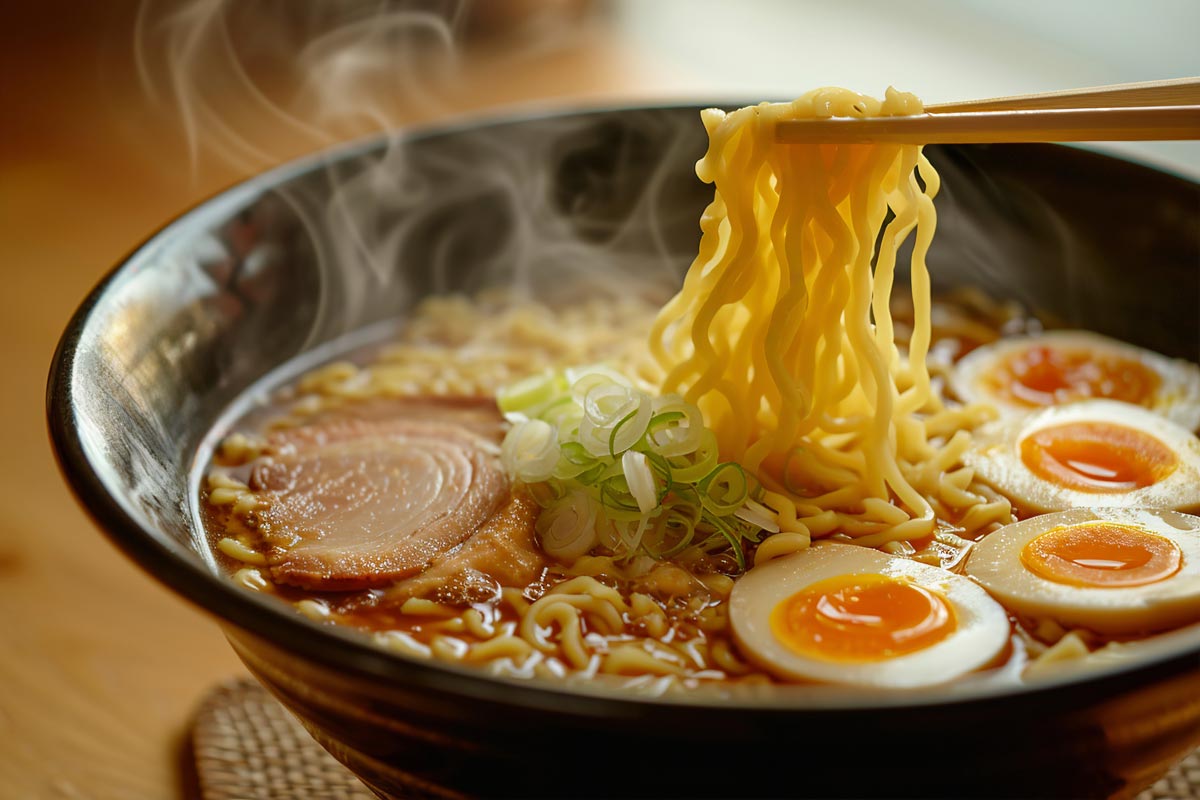
Ramen is perhaps the most famous Japanese noodle dish worldwide. Typically made with wheat-based noodles in a flavorful broth, ramen can be found everywhere from tiny neighborhood counters to gourmet ramen bars.
Common broth styles include:
- Shoyu (soy sauce) – clear, brown, and savory; the most classic style.
- Shio (salt) – delicate and light, often with a clear, pale broth.
- Miso – rich, slightly nutty, and hearty, especially popular in colder regions.
- Tonkotsu – creamy, opaque pork bone broth, intensely flavorful and filling.
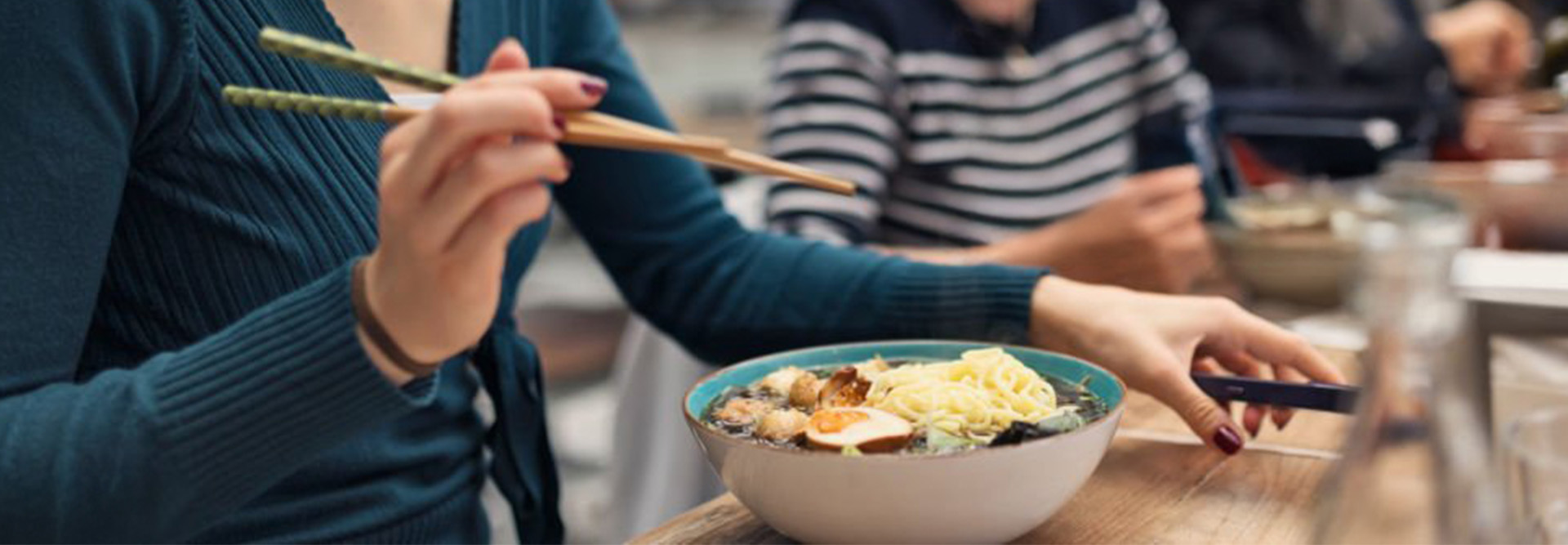
At ramen shops, you will often see single diners sitting side by side at a counter, quietly focused on their steaming bowls. Slurping here is completely normal, and you will hear a chorus of sounds as people enjoy their noodles.
Soba: Buckwheat Noodles With Tradition
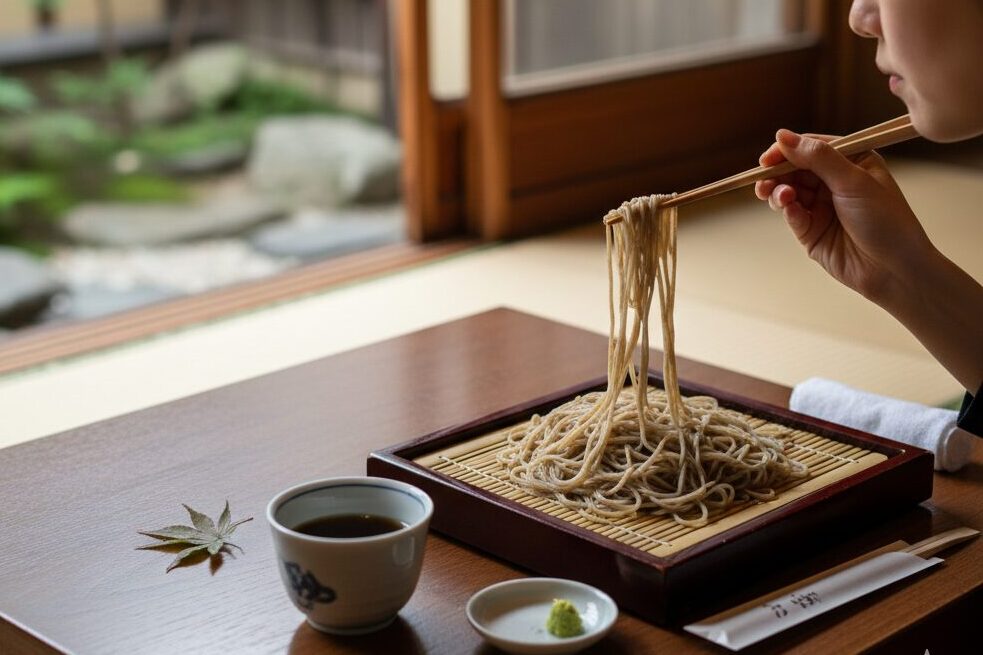
Soba are thin noodles made from buckwheat, sometimes blended with wheat flour. They have a subtle nutty flavor and are deeply connected to Japanese tradition. Soba is commonly eaten:
- Cold, on a bamboo tray (mori soba or zaru soba), dipped into a cup of concentrated sauce.
- Hot, in a bowl of broth (kake soba), especially in winter.
Soba is considered especially refined in regions famous for buckwheat, and it plays a role in seasonal customs. For example, toshikoshi soba is eaten on New Year’s Eve as a wish for long, healthy life. Slurping your noodles, especially when eating cold soba, helps you fully taste their fragrance and texture.
Udon: Thick and Comforting Wheat Noodles
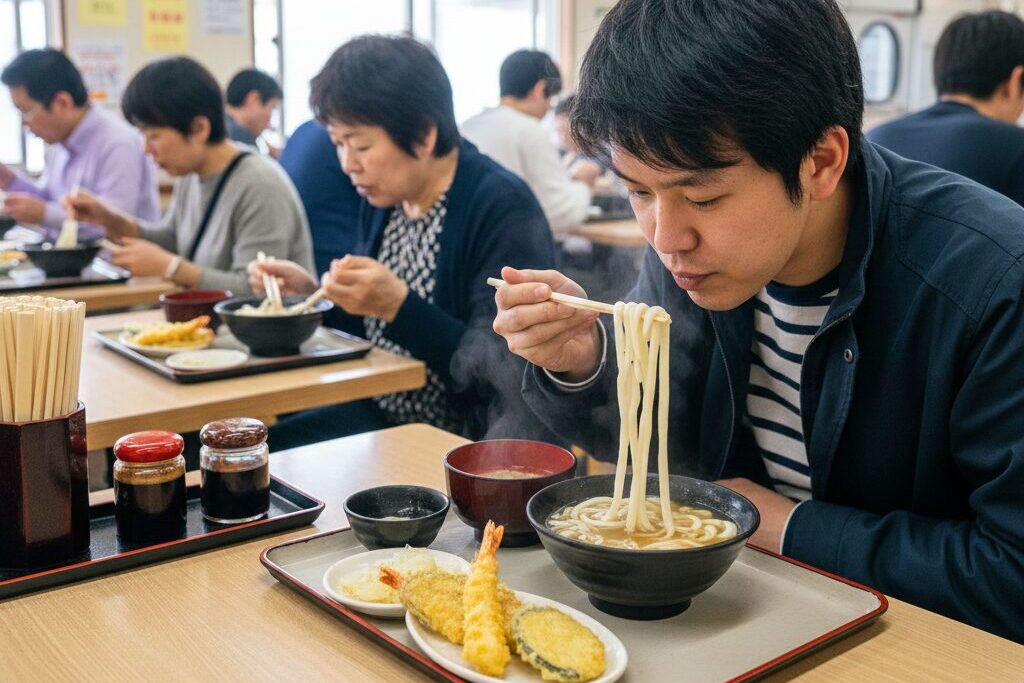
Udon noodles are thick, chewy wheat noodles served in a mild broth or sometimes with dipping sauce. They are comforting, filling, and often associated with regional specialties, such as Sanuki udon from Kagawa Prefecture.
Because udon noodles are thicker, they can be a little more challenging to handle at first. Slurping helps you pull the noodles into your mouth quickly before they cool down or drip broth. Do not worry if you are not elegant at first; with a bit of practice, the motion will feel natural.
How to Order Noodles Like a Local
Ordering noodles in Japan can feel intimidating if you do not read Japanese, but noodle shops are often among the easiest places for visitors to manage. Many have picture menus or plastic food samples in the window. Some use ticket machines at the entrance, where you insert cash, press the button for your chosen dish, and hand the printed ticket to the staff.
Useful keywords include:
- Ramen – ラーメン
- Soba – そば or 蕎麦
- Udon – うどん
- Oomori – 大盛 (large portion)
- Kaedama – 替え玉 (extra noodles, often for ramen)
If you have dietary restrictions, communicate them simply. Staff in busy noodle shops may not speak much English, but you can use short phrases like “no pork” or “vegetarian” and point to menu pictures. In some larger cities, specialty vegan and halal ramen shops are also appearing.
How to Slurp Noodles Step by Step
If you are new to noodle slurping, it helps to think of it as a simple technique rather than a performance. You do not need to be dramatic or extremely noisy. Follow these steps to eat comfortably and politely.
1. Hold Chopsticks and Bowl Correctly
Use your dominant hand to hold your chopsticks and your other hand to support the bowl. In casual noodle shops, it is perfectly acceptable to lift the bowl closer to your mouth, especially toward the end of the meal. This shortens the distance the noodles must travel and reduces splashing.
2. Gather a Manageable Amount of Noodles
Start by pinching a small bundle of noodles with your chopsticks. Avoid grabbing too large a clump; it is harder to control and more likely to create a mess. Lift the noodles gently above the bowl, letting excess broth drip back.
3. Bring Noodles to Your Lips, Then Slurp
Keep the noodles close to your mouth, lean forward slightly, and begin to suck them in with a steady slurping sound. You are drawing air in along with the noodles, which cools them and helps carry the aroma of the broth. The motion is smooth and continuous, not rushed.
Do not worry about mastering this on the first try. Observe people around you if you feel unsure, and go at your own pace. The important thing is to enjoy the food rather than remain completely silent.
4. Don’t Cut Noodles With Your Teeth
In Japan, it is generally considered better form to pull the noodles fully into your mouth rather than biting them off halfway and letting the rest fall back into the bowl. However, if the noodles are particularly long or you are just learning, it is not a serious offense. Simply aim to keep it as neat as you can.
5. Drink the Broth Respectfully
Once you have eaten most of the noodles and toppings, you can drink the remaining broth directly from the bowl. Using the bowl with both hands is common and acceptable in casual settings. In ramen shops, finishing the broth is often seen as a sign that you enjoyed the meal, though you are not obliged to do so, especially if it is very rich or salty.
Essential Noodle Etiquette for Travelers
While noodle shops are relaxed and fast-paced, there are a few etiquette points that will help you fit in and avoid awkward situations.
Use Chopsticks Considerately
Do not stick your chopsticks vertically into your bowl, as this resembles a ritual offering at funerals. When you are not using your chopsticks, rest them on the provided chopstick holder or on the edge of a tray. Passing food from one pair of chopsticks to another is also avoided in Japan because it resembles another funeral custom.
Eat Promptly and Avoid Lingering
In busy ramen and noodle shops, the pace is quick. Many customers come in alone for a fast meal, especially at lunchtime. Once your bowl arrives, it is polite to begin eating soon so the noodles do not overcook and the seat becomes available again quickly. Long, leisurely chats are better saved for cafés and izakaya pubs.
Use Condiments With Care
On the counter, you may find seasonings such as chili oil, sesame seeds, vinegar, or minced garlic. These are meant for you to adjust the flavor to your preference, but it is wise to taste the broth first before adding anything. Chefs often devote great care to the balance of the broth, and drowning it with condiments can be seen as a sign that you do not trust their seasoning.
Finishing Your Meal
You are not required to eat every last drop, but leaving most of your noodles or toppings untouched can look wasteful. If you know you have a small appetite, consider ordering a regular size instead of a large. When you are finished, you can place your chopsticks across the bowl or on the rest. In many casual shops, staff will quickly whisk away your empty bowl and wipe down the counter.
Regional Noodle Experiences to Try
Each region of Japan has its own noodle traditions, and trying local specialties is a rewarding way to travel. Here are a few ideas:
- Tokyo: Explore small ramen counters in business districts, where office workers pop in for a quick, noisy lunch. You will experience the full soundscape of confident slurping.
- Hokkaido: In Sapporo, miso ramen topped with butter and corn is a winter favorite, perfect for hearty slurps on a cold day.
- Kyoto: Delicate soba dishes in traditional wooden townhouses offer a quieter, more contemplative atmosphere, where you can focus on the fragrance of the buckwheat.
- Shikoku: Try Sanuki udon at self-service shops, where you choose your toppings and carry your tray to a casual seating area filled with the echo of happy diners.
Overcoming Shyness About Slurping
If you grew up in a culture where making noise at the table is frowned upon, slurping noodles openly can feel uncomfortable at first. Remember that you are not being judged by the standards of your home country while you eat in Japan. Locals understand that customs differ, and they generally appreciate visitors who make an effort to engage with Japanese customs.
Start gradually: you do not need to be the loudest person in the room. Practice a gentle slurp, focusing less on the volume and more on enjoying the noodles at a comfortable temperature. As you grow accustomed to it, the act will begin to feel natural rather than forced.
Enjoying Noodles as a Cultural Experience
Slurping noodles in Japan is more than a practical way to handle hot food; it is a window into everyday life. Noodle shops are among the most democratic spaces in Japan, where students, office workers, families, and travelers sit side by side. The shared sound of slurping creates a relaxed, communal atmosphere that contrasts with Japan’s reputation for quiet trains and orderly streets.
By learning how and why people slurp, you gain insight into Japanese values: respect for craftsmanship, appreciation of seasonality, and a willingness to savor simple pleasures. When you sit down at your first ramen counter or soba shop, do not be afraid to lean in, lift your chopsticks, and join the chorus. With each slurp, you will taste not only the flavors of Japan, but also a small part of its culture.