



Steak
How to Enjoy Great Steak in Japan: A First-Timer’s Guide
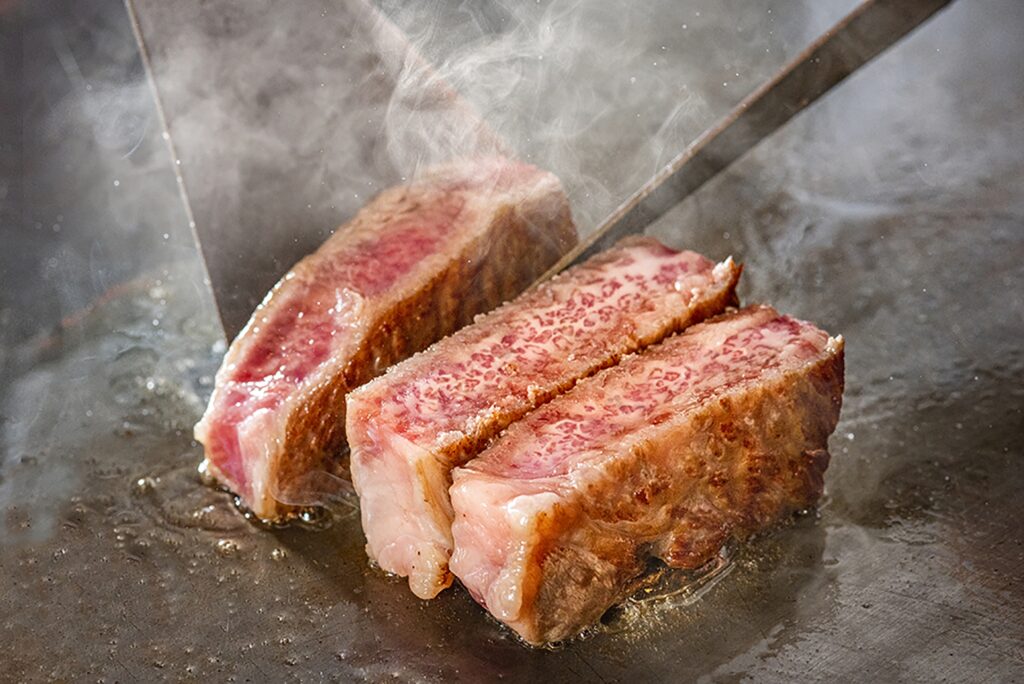
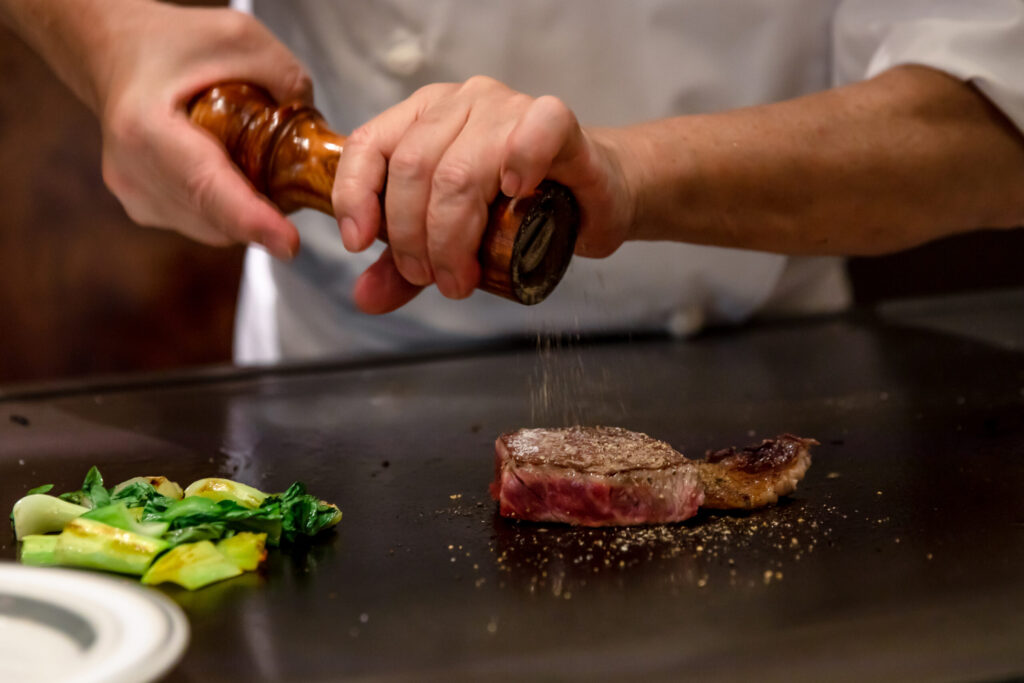
When most travelers think of Japanese food, sushi and ramen usually come first. Yet for many visitors, one of the most unforgettable meals in Japan turns out to be steak. From melt-in-your-mouth wagyu to energetic yakiniku barbecues and theatrical teppanyaki counters, Japan offers some of the world’s most memorable beef experiences.
This guide is designed for first-time visitors who want to enjoy steak in Japan without confusion. You’ll learn the key styles, how to read menus, what to expect in terms of price, and a few cultural tips so you can order with confidence and savor every bite.
Understanding Japanese Steak and Wagyu
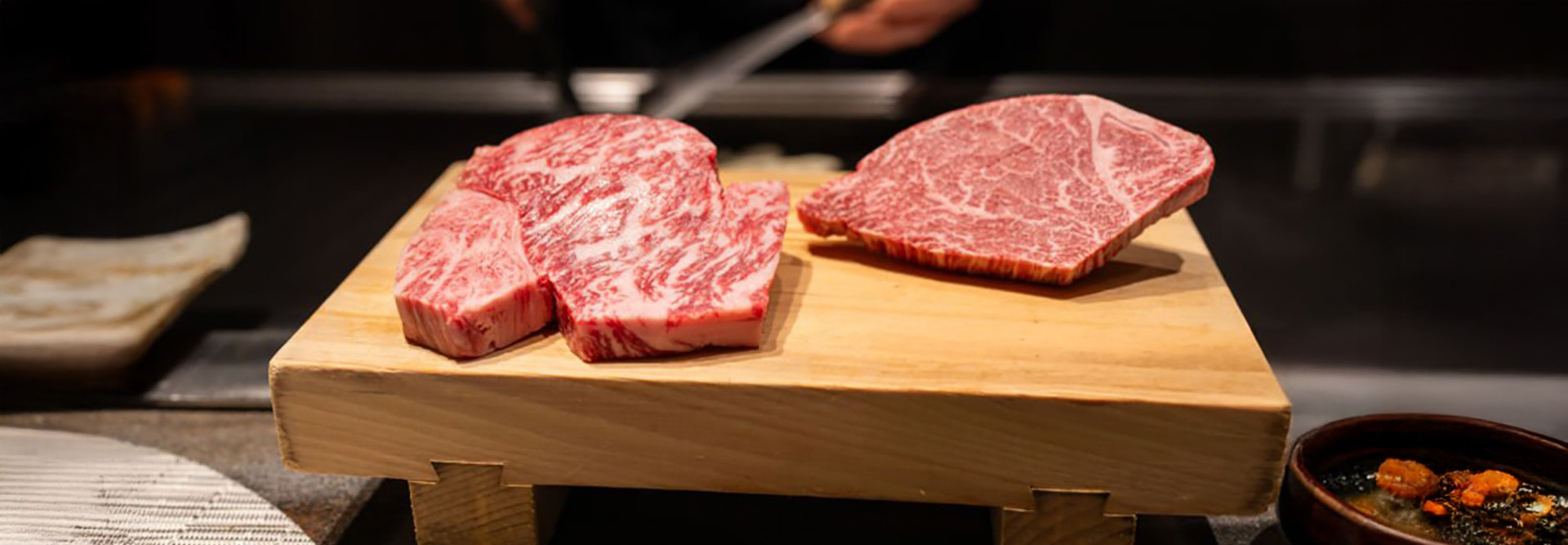
In Japan, wagyu literally means “Japanese beef” (wa = Japanese, gyu = beef). It refers to specific native breeds raised with great care. The result is beef with intense marbling that gives it a buttery, rich flavor and a uniquely tender texture.
As a visitor, you’ll see wagyu promoted in many restaurants, but not all wagyu is the same. The highest-grade wagyu is rare and very expensive, while more everyday wagyu or hybrid beef is more accessible and still delicious.
Popular Wagyu Regions You Might See on Menus
Look out for names of famous beef-producing regions. These names often appear in English or romaji on menus and signs:
- Kobe beef – Perhaps the most internationally famous. Authentic Kobe beef is highly regulated and served only at certified restaurants. Expect very high prices for small portions.
- Matsusaka beef – Known for extreme marbling and richness. Often considered among the top wagyu brands.
- Omi beef (Omi-gyu) – From Shiga Prefecture, one of Japan’s oldest branded beefs.
- Hida beef – From Gifu, popular in Takayama and the Japanese Alps area.
- Miyazaki beef – From Kyushu, frequently honored in national wagyu competitions.
If you see one of these names followed by the word gyu, you’re likely looking at a premium option. For your first visit, it can be fun to splurge at least once on a branded wagyu steak, but there are many more budget-friendly ways to enjoy Japanese beef too.
Main Ways to Eat Steak in Japan
“Steak in Japan” can mean several different dining styles. Understanding the options will help you choose the experience that suits your time, budget, and preferences.
1. Teppanyaki: Theater at the Grill
Teppanyaki is perhaps the most iconic Japanese steak experience for visitors. “Teppan” means iron plate, and “yaki” means grilled. You sit around a large iron griddle while a chef cooks steak, seafood, and vegetables right in front of you.
The performance is part of the charm. Chefs might display precise knife work, perfectly time the searing of your steak, and sometimes add a bit of flair with flames or quick tricks (though the style is often more refined and quiet than the Western image of teppanyaki chains).
Teppanyaki restaurants typically offer set courses rather than à la carte ordering. A typical course might include:
- Appetizer or salad
- Seafood or vegetables
- Steak (often wagyu, you choose the size)
- Rice or fried rice, miso soup, and pickles
- Dessert and coffee or tea
Teppanyaki is an excellent choice for special occasions, anniversaries, or your “big meal” of the trip. It is usually more expensive than other options, so it’s wise to:
- Check the course price in advance – Many restaurants show prices clearly on their websites or at the entrance.
- Reserve a counter seat – For the best experience, sit where you can watch the chef.
- Tell the staff about allergies or preferences – Many places can adjust seafood or sides if you mention it when booking.
2. Yakiniku: Japanese-Style BBQ
Yakiniku is a casual, social way to enjoy beef. You sit at a table with a built-in grill, order plates of thinly sliced meat, and grill them yourself. The word “yakiniku” literally means “grilled meat,” and both locals and visitors love this style.
Yakiniku restaurants offer various cuts of beef, including:
- Rosu – Leaner loin meat
- Karubi – Short rib, fattier and very popular
- Harami – Skirt steak, flavorful and tender
- Tongue (gyu-tan) – A specialty many visitors end up loving
You’ll usually dip the grilled meat into sauces, commonly a soy-based yakiniku sauce, salt, or lemon. Many places also serve rice, salads, kimchi, and small side dishes. It’s easy to share among friends or family, and you can control how much you spend by ordering plate by plate.
For first-time visitors, yakiniku has several advantages:
- Flexible budget – You can order only a few plates, or go for a feast.
- English menus – Chain yakiniku restaurants in big cities often offer picture menus or English explanations.
- Fun atmosphere – Great for groups and less formal than fine dining.
3. Western-Style Steak Houses
Japan also has many Western-style steak restaurants, from casual chains to high-end boutique places. Here you’ll typically find:
- Thicker-cut steaks served on plates or sizzling hot plates
- Side dishes like fries, corn, vegetables, and rice or bread
- Beer, wine, and sometimes a salad bar
Some specialize in wagyu steaks, others in imported beef (often from the U.S., Australia, or New Zealand). Imported beef is usually more affordable and served in larger portions, while wagyu steaks, even in Western-style restaurants, tend to be smaller but richer.
These restaurants are a good choice if you want something familiar in style but still uniquely Japanese in quality and care.
4. Steak for Lunch: Great Value Options
One of the best ways to enjoy steak in Japan on a budget is to go at lunchtime. Many restaurants offer set lunch menus with smaller portions of steak, rice, salad, and soup at lower prices than dinner.
Look for signs that say “ランチ” (ranchi), meaning lunch. In business districts and around major train stations, it’s common to find steak lunches that are surprisingly affordable compared to evening meals.
How to Read a Japanese Steak Menu
Menus in big cities like Tokyo, Osaka, and Kyoto often have English translations, but not always. A few key terms can help you understand what you’re ordering.
Beef-Related Words to Know
- Gyūniku (牛肉) – Beef
- Steak (ステーキ) – Often written in katakana as “sutēki” but usually recognizable
- Wagyu (和牛) – Japanese beef, often higher priced
- Sirloin (サーロイン) – Sirloin
- Riburosu (リブロース) – Ribeye
- Filet (ヒレ / フィレ) – Tenderloin or fillet
- Size in grams – 150g, 200g, 300g are common steak sizes; 150–200g is typical in Japan.
On yakiniku menus, you will see many specific cuts listed by name. If you are unsure, start with popular items like rosu or karubi, then ask staff to recommend a few more.
Doneness: How Do You Say Medium-Rare?
Japanese steak is often served on the rarer side, especially wagyu, because the high fat content makes it very tender. Still, you can request your preferred doneness:
- Rare – “reā” (レア)
- Medium – “mēdiumu” (ミディアム)
- Well-done – “ueru-dan” (ウェルダン)
Many staff members will understand the English words “rare,” “medium,” or “well done,” especially in steak-focused restaurants.
Price Guide: What Does Steak Cost in Japan?
Steak in Japan ranges from surprisingly affordable to eye-wateringly expensive. The cost depends on the type of beef, restaurant style, and portion size. Prices below are approximate ranges to help you plan.
- Casual steak or family restaurants – Around ¥1,500–¥3,000 per person for a modest steak set, especially at lunch.
- Mid-range steak houses or yakiniku – About ¥3,000–¥7,000 per person, depending on how much you order and whether you choose wagyu.
- High-end wagyu or teppanyaki – From ¥10,000–¥30,000+ per person for a course meal with premium beef.
Unlike some countries, tipping is not customary in Japan. Service charges may be included at high-end or hotel restaurants, but you do not need to add extra.
Etiquette and Cultural Tips for Eating Steak in Japan
Japan is very relaxed about foreigners making mistakes, but knowing a little dining etiquette will make your meal smoother and more enjoyable.
General Dining Etiquette
- Reservations – For popular teppanyaki and high-end restaurants, a reservation is strongly recommended. Many hotels will help you book.
- Arrive on time – Punctuality is appreciated. If you’ll be late, call if possible.
- No loud behavior – Restaurants are often calm and quiet, especially fine-dining places.
Using Chopsticks and Cutlery
In many steak restaurants, particularly Western-style and teppanyaki, you’ll be given a knife and fork. In yakiniku or more Japanese-style places, you may only receive chopsticks.
- If you’re uncomfortable with chopsticks, most places can provide a fork if you ask politely.
- Basic chopstick etiquette: avoid sticking chopsticks upright into rice, and don’t use them to point at people.
Cooking at Yakiniku
At yakiniku, it’s perfectly acceptable to ask the staff how long to grill a certain cut. Japanese diners often cook quickly to enjoy the meat a little on the rare side, but you can grill it longer if you prefer, as long as you are not burning the shared grill or smoking out your neighbors.
Best Places and Times to Try Steak in Japan
You can enjoy steak almost anywhere in Japan, but some places and times are particularly convenient for travelers.
Steak in Major Cities
- Tokyo – Offers everything from affordable standing steak bars to Michelin-starred wagyu and teppanyaki. Neighborhoods like Shinjuku, Ginza, and Roppongi have many options.
- Osaka – Known as “Japan’s kitchen,” Osaka has countless yakiniku restaurants and casual steak houses, especially in Namba and Umeda.
- Kyoto – While famous for traditional kaiseki, Kyoto also has elegant teppanyaki restaurants and specialty wagyu spots.
Regional Wagyu Experiences
If your trip includes regional destinations, consider planning one steak meal around local beef:
- Try Kobe beef in Kobe, near Osaka, at a certified restaurant.
- Look for Hida beef in Takayama or the surrounding Gifu region.
- Sample Miyazaki beef or other Kyushu wagyu if you head south.
These regional restaurants often take pride in showcasing the local cattle, and you may find better value than in the big cities for similar quality.
When to Go
- Lunch – Ideal for value-conscious travelers and those on busy sightseeing schedules.
- Dinner – Better for a slow, multi-course teppanyaki meal or a relaxed yakiniku night.
Practical Tips for First-Time Visitors
To make your Japanese steak experience smooth, keep these simple tips in mind:
- Check the total price – Especially for wagyu and teppanyaki, confirm if the price is per person, per 100 grams, or for a full course.
- Use photos and displays – Many restaurants have plastic food models or photo menus; pointing is perfectly acceptable.
- Ask staff for recommendations – Japanese service staff are usually happy to suggest popular cuts or portion sizes.
- Mind allergies and dietary needs – If you have strict requirements (for example, no alcohol in sauces), prepare a short note in Japanese or ask your hotel to help you translate.
- Be open to trying smaller portions – Wagyu is rich; even a small piece can be very satisfying, and sharing different cuts lets you taste more.
Steak dishes are relatively expensive. Wagyu beef is even more expensive. This is why you can find some unreliable steak restaurants. If you are planning to eat Wagyu beef, we recommend asking your hotel staff for a restaurant recommendation or going with a Japanese friend.
Making Steak Part of Your Japan Food Journey
Steak in Japan is more than just a familiar Western dish; it’s a window into Japanese craftsmanship, hospitality, and regional pride. Whether you choose a one-time splurge on top-grade wagyu, an interactive teppanyaki dinner, or a lively yakiniku feast with friends, it can easily become a highlight of your trip.
Balance your adventure with sushi, noodles, street snacks, and traditional cuisine, but leave room in your itinerary—and your budget—for at least one steak experience. With a bit of planning and the tips above, you’ll be ready to enjoy the best of Japan’s beef culture, one delicious bite at a time.