
Street Fashion
Street Fashion in Japan: A First-Timer's Guide
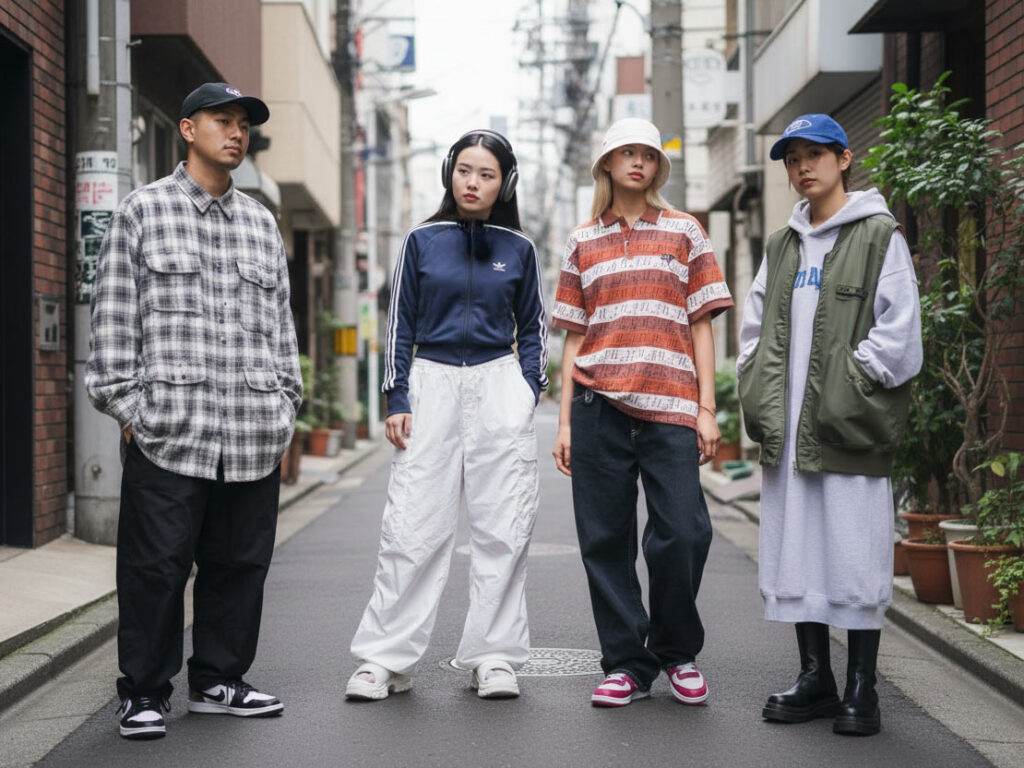
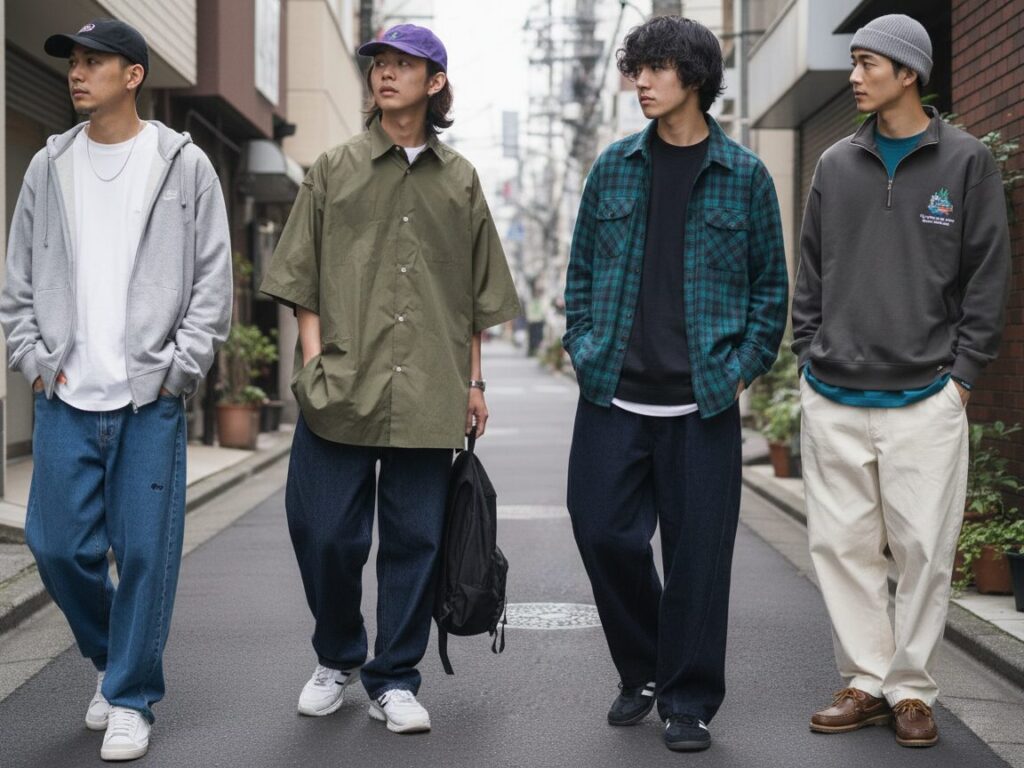
Few places in the world blend tradition and trend quite like Japan, and you see this most vividly on the streets. From neon-lit Shibuya crossings to quiet alleys in Osaka, Japanese street fashion is an ever-changing stage where subcultures, luxury labels and everyday practicality meet. For first-time visitors, it can feel both inspiring and intimidating. What should you wear? Where do you go to see it? How do you shop without blowing your entire travel budget?
This guide breaks down Japan’s street fashion scene for international travelers, with essential neighborhoods, styles, etiquette and shopping tips to help you confidently explore—and enjoy—one of the country’s most photogenic cultural experiences.
Why Street Fashion Matters in Japan
Street fashion in Japan is more than clothing; it’s a form of self-expression that grew in parallel with the country’s modern pop culture. After World War II, Western styles began to mix with kimono, workwear and school uniforms. By the 1980s and 1990s, Tokyo had become a global fashion laboratory, giving birth to subcultures like gyaru, lolita, and visual kei.
Today, Japanese street fashion is shaped by three powerful influences:
- Subcultures – niche communities with shared aesthetics, from pastel “yume kawaii” (dreamy cute) to all-black goth-inspired looks.
- High fashion – international luxury boutiques and cutting-edge Japanese designers (like Comme des Garçons and Yohji Yamamoto).
- Everyday style – clean, minimalist looks influenced by work culture, school uniforms and Japan’s love of quality basics.
For visitors, exploring street fashion is a way to understand how Japan balances individuality and harmony—standing out, but still fitting in.
Where to See Street Fashion in Japan
Harajuku: Colorful Kawaii and Youth Culture
If there is one name associated with Japanese street fashion, it’s Harajuku. This compact neighborhood between Shibuya and Shinjuku is the heart of youth style in Tokyo. While it has changed over the years, you can still feel the creative energy in its narrow streets.
Key areas in Harajuku:
- Takeashita Street (Takeshita-dori) – a narrow, often crowded pedestrian street lined with accessory shops, fast-fashion boutiques, crepe stands and photo booths. You’ll see teenagers in school uniforms after class, alongside visitors trying out colorful fashion for the first time.
- Ura-Harajuku (Ura-Hara) – the ‘backstreets’ behind the main road, where many independent brands and trendy cafes are located. This is the place for more subtle, stylish streetwear, sneakers and vintage finds.
On weekends and holidays, Harajuku is particularly lively. You may spot people in elaborate outfits—frills, wigs, colored lenses and handcrafted accessories—especially near the station and around Jingu Bridge, though large costume gatherings are less common than in the past.
Shibuya: Trendy, Urban and Ever-Changing
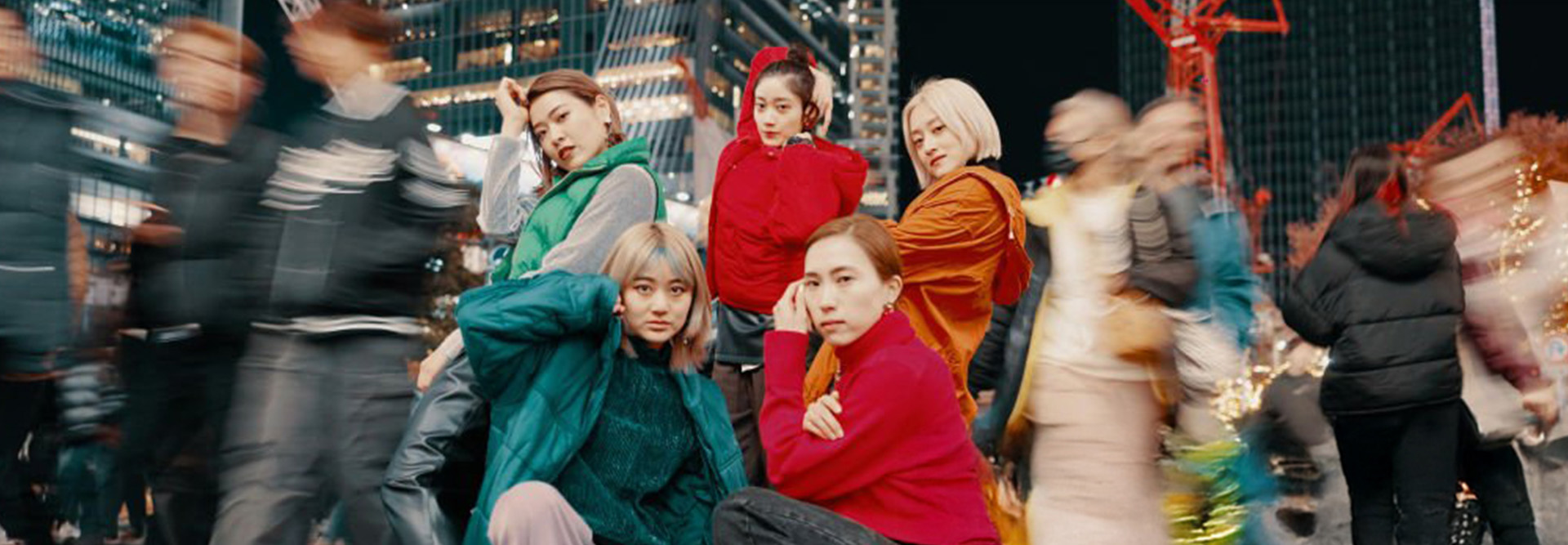
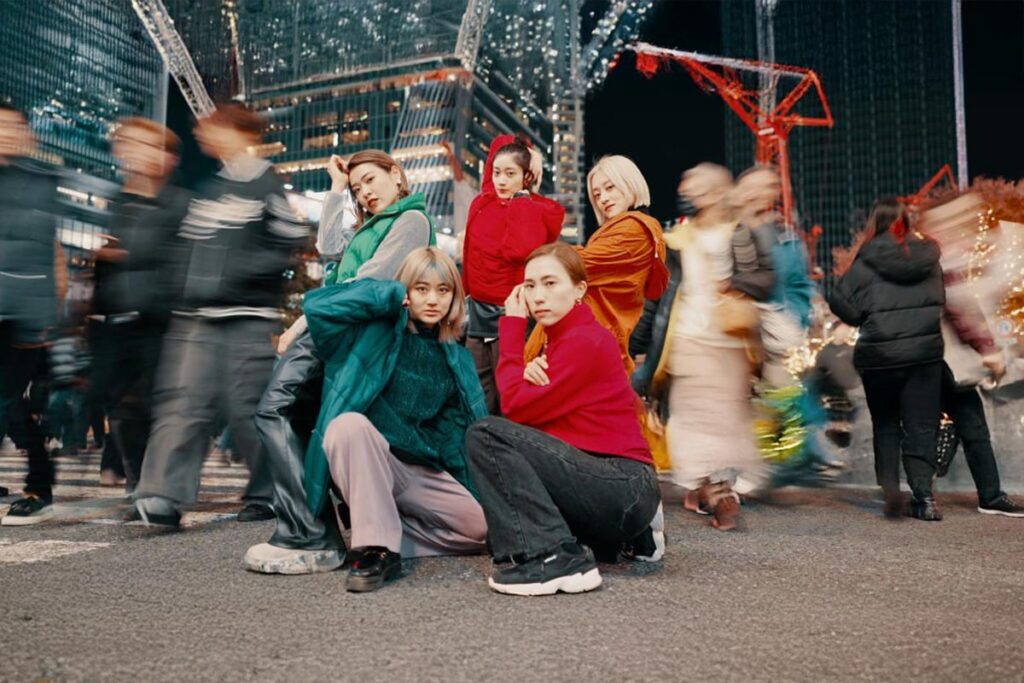
Shibuya is where street fashion collides with big-city energy. The famous Shibuya Scramble Crossing is surrounded by department stores, music shops and fashion buildings aimed at young adults.
What to look for in Shibuya:
- Casual streetwear – oversized hoodies, wide trousers, sneakers and baseball caps, often in neutral tones with one standout piece.
- Modern gyaru and glam looks – carefully styled hair, colored contacts, contouring and coordinated outfits, especially in the evening.
- Influencer style – you may notice people filming videos or taking photos for social media in front of iconic backdrops.
Step into multistory fashion complexes where each floor targets a different style and age group. Even just people-watching from a café window gives you an instant crash course in current Japanese trends.
Shinjuku: From Office Chic to Nightlife Style
Shinjuku has a more grown-up feel, mixing office workers, shoppers and nightlife. Around the big department stores, you’ll see polished looks: trench coats, leather shoes, handbags and well-tailored suits. In the evening, the styles shift as people head to izakaya (pubs), bars and karaoke—think smart-casual outfits with subtle details like statement accessories or shoes.
Wander through the side streets of Kabukicho and Golden Gai and you’ll notice bolder fashion choices, especially among hosts and hostesses working in nightlife venues: sharp suits, dramatic hair and eye-catching makeup.
Osaka and Beyond: Regional Street Style
Tokyo may dominate the global conversation, but other cities have their own street fashion character.
- Osaka (Amerikamura & Shinsaibashi) – Amerikamura (“Amemura”) is Osaka’s answer to Harajuku, with a strong streetwear and skateboard culture. Styles can feel slightly more relaxed and playful than Tokyo, reflecting Osaka’s reputation for humor and friendliness.
- Nagoya, Fukuoka, Sapporo – each has local trends, often anchored around large shopping districts and underground malls where young people gather.
If you have time outside Tokyo, visiting these areas gives you a broader sense of how fashion differs across Japan.
Popular Japanese Street Fashion Styles
Styles shift quickly, but knowing a few core concepts helps you understand what you’re seeing.
Kawaii and Harajuku-Inspired Looks
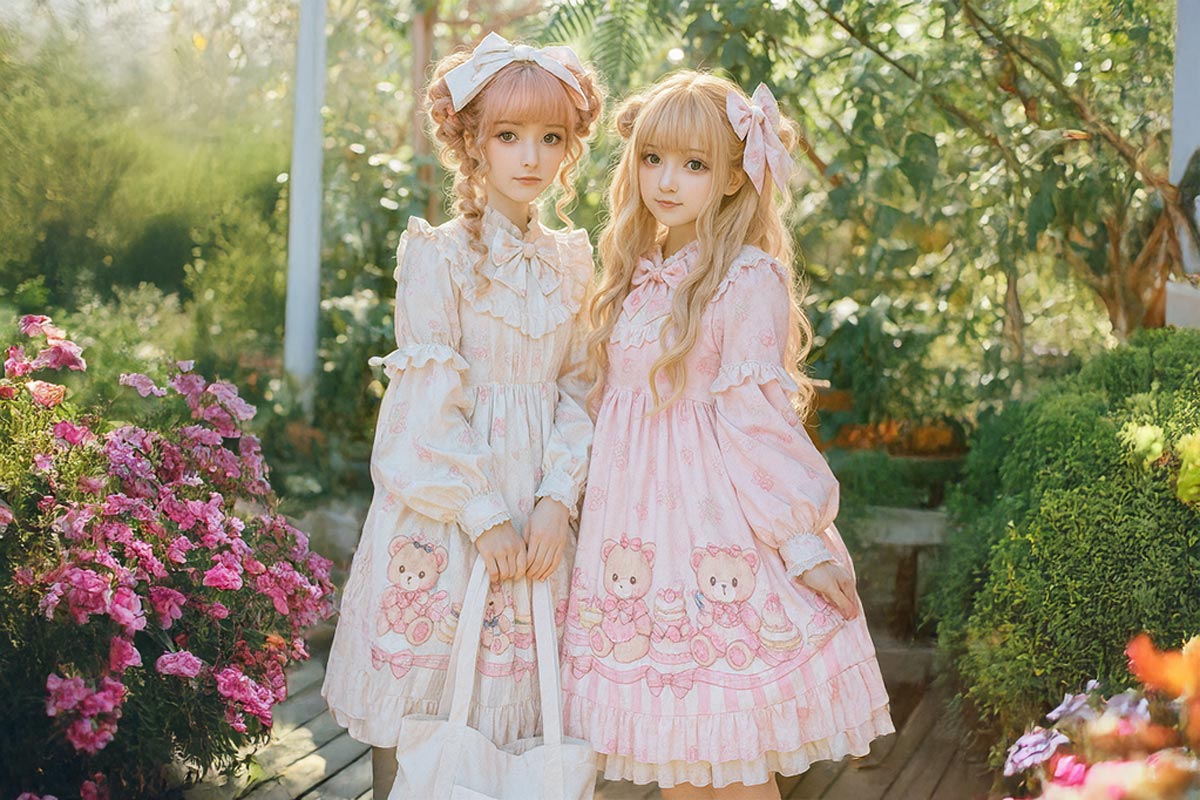
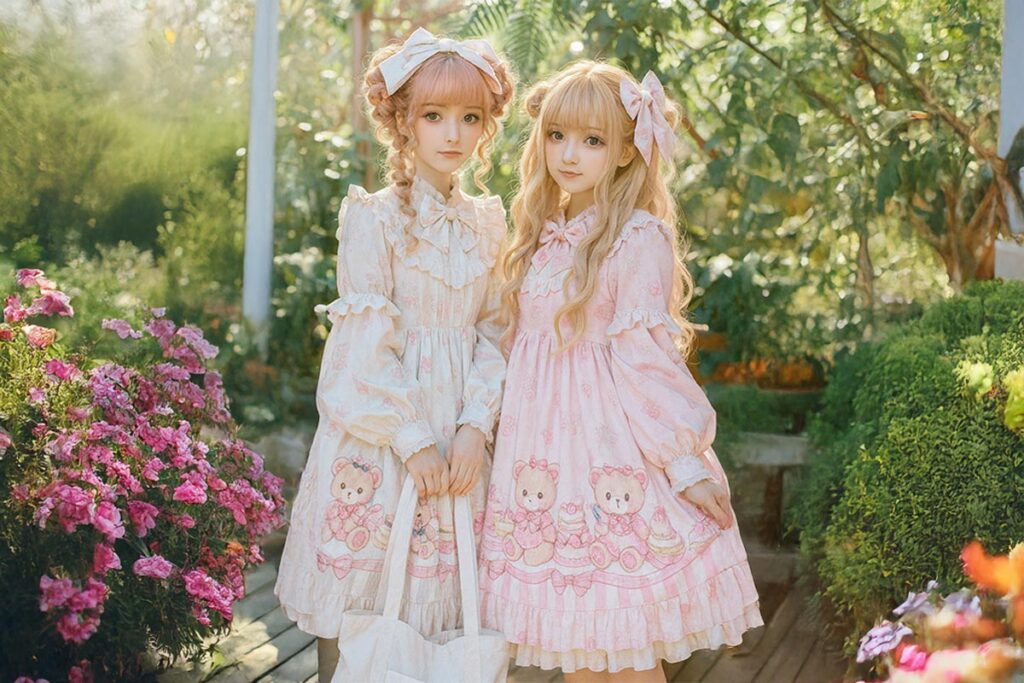
Kawaii simply means “cute,” but in fashion it covers a wide range—from pastel sweaters and oversized bows to cartoon-print skirts and character bags. You might notice:
- Soft colors like pink, lavender and baby blue
- Layered skirts, frills and puff sleeves
- Plush keychains and character accessories (Sanrio, anime, game motifs)
Some outfits lean into fantasy—resembling dolls, fairy-tale characters or storybook heroines—while others are more everyday, such as a simple cute blouse and pleated skirt worn with sneakers.
Streetwear and Minimalist Style
Not all Japanese street fashion is wild or colorful. Many people favor a refined, minimalist look that visitors often describe as “simple but perfectly put together.” Common elements include:
- Monochrome or neutral palettes (black, beige, white, navy)
- Wide-leg pants, cropped trousers and clean sneakers
- Boxy shirts, simple coats and structured bags
There is also a strong streetwear culture—hoodies, graphic tees, baseball caps, technical jackets and limited-edition sneakers. In areas like Ura-Harajuku and Amemura, you’ll find small shops carrying Japanese and international streetwear labels.
Retro, Vintage and Thrifted Looks
Vintage fashion is huge in Japan, especially among younger generations. Vintage denim, band T-shirts, 80s tracksuits and old-school dresses are styled thoughtfully rather than worn as costumes.
You’ll find:
- Retro sportswear and logo jackets
- Vintage Levi’s jeans and workwear
- Classic dresses paired with modern shoes or accessories
Tokyo’s Shimokitazawa and Koenji neighborhoods are particularly famous for secondhand and vintage shops, and Osaka also has a rich thrift scene.
What to Wear in Japan as a Visitor
You do not need to dress up dramatically to enjoy Japan’s street fashion. Most travelers choose comfortable, neat outfits that work for walking, sightseeing and public transport.
Dress Codes and Cultural Considerations
Japan is generally tolerant of different styles, especially in big cities, but a few guidelines will help you feel comfortable and respectful:
- Aim for neat and clean – even casual outfits tend to look tidy. Avoid overly worn or dirty clothing.
- Modesty is appreciated in formal or traditional spaces – when visiting temples, shrines or ryokan (traditional inns), avoid extremely revealing tops or very short shorts.
- Tattoos – tattoos may still be associated with certain subcultures, and some public baths (onsen, sento) restrict them. For street fashion and daily life, visible tattoos are increasingly common in big cities, but be aware they might draw attention in smaller towns.
Seasonal Tips
Japan’s climate changes dramatically with the seasons, and fashion follows:
- Spring (March–May) – Layering is key. Lightweight coats, cardigans and scarves are common, especially during cherry blossom season when temperatures can swing throughout the day.
- Summer (June–August) – Hot and humid, particularly in cities. Breathable fabrics, short sleeves and sun protection are essential. Many locals carry small towels and handheld fans. If you attend summer festivals, you may see people wearing yukata (casual cotton kimono).
- Autumn (September–November) – A favorite fashion season. Think light knits, long skirts, trench coats and rich colors that match the autumn leaves.
- Winter (December–February) – In Tokyo and Osaka, warm coats, scarves and boots are typical. In colder regions like Hokkaido, you’ll want proper winter gear and non-slip shoes.
How to Enjoy Street Fashion Respectfully
Photography Etiquette
It’s natural to want photos of impressive outfits, but remember that the streets are not a runway; they are people’s everyday lives.
- Always ask before taking close-up photos of individuals, especially if you plan to share images online.
- Use polite language and gestures. A simple “Sumimasen, shashin totte mo ii desu ka?” (Excuse me, may I take a photo?) goes a long way.
- Respect a “no” with a smile and move on. Many people are shy or simply in a hurry.
Blending In vs. Standing Out
You can absolutely experiment with fashion in Japan—plenty of visitors enjoy dressing up in Harajuku or for themed cafés. That said, be aware of your surroundings. Bright, elaborate outfits that are fun in Shibuya may feel out of place at a quiet shrine or small local restaurant.
Many travelers find it most comfortable to dress relatively neutral and then add a few stylish touches: a unique bag, a patterned shirt, or accessories purchased locally.
Where and How to Shop Japanese Street Fashion
Department Stores and Fashion Buildings
Large department stores and dedicated fashion buildings (“fashion malls”) are a great starting point for first-timers. They gather many brands under one roof, from affordable labels to designer boutiques. Staff are generally polite and can guide you even if you speak little Japanese.
Look for:
- Women’s and men’s floors organized by style or age group
- Tax-free counters where travelers can process refunds on qualifying purchases
- In-house brands that offer Japanese aesthetics at moderate prices
Secondhand and Vintage Shops
Secondhand fashion in Japan is usually well-curated and in good condition. You’ll find everything from budget-friendly used clothes to rare collector’s items.
Tips for shopping secondhand:
- Many shops organize items by size, brand or color, making it easier to browse.
- Condition is often clearly labeled (for example, “A” for nearly new, “B” for gently used).
- Trying on clothes is usually allowed, but remove shoes before entering fitting rooms if requested, and avoid heavy makeup that could stain garments.
Streetwear, Sneakers and Independent Brands
Japan is a paradise for sneaker fans and streetwear enthusiasts. Limited-edition releases, collaborations and small independent labels are part of the thrill.
- Check smaller streets in Harajuku, Shibuya, and Osaka’s Amerikamura for compact shops with unique selections.
- Expect some items to sell out quickly; popular drops can attract queues.
- Sizes for shoes and clothing may be more limited for very tall or large-framed visitors, so try items on whenever possible.
Practical Tips for First-Time Fashion Shoppers
To make the most of your fashion-focused exploring, keep these practical points in mind:
- Payment – Most fashion stores accept credit cards, but small shops may be cash only. Contactless payments and transport IC cards are increasingly common.
- Tax-free shopping – Many stores offer tax-free purchases if you spend over a certain amount in one day and present your passport. Ask staff for “tax-free” when paying.
- Sizing – Japanese sizes can run smaller than in Western countries. If you’re unsure, ask “Fitting room?” and staff will direct you.
- Returns – Returning items after purchase is not common. Many shops have strict no-return or no-refund policies, especially during sales, so check carefully before buying.
Experiencing Street Fashion Beyond Shopping
You don’t need to spend a lot to appreciate Japan’s street fashion culture. Consider these simple experiences:
- Sit in a café in Harajuku or Shibuya and people-watch for an hour.
- Take a walk on a weekend afternoon through popular youth areas to see how trends shift from block to block.
- Visit a photo booth (purikura) with friends and capture your outfits with fun filters and decorations—a favorite pastime among local teenagers.
In doing so, you’ll gain a sense of how fashion, pop culture, and everyday life are woven together in modern Japan.
Bringing Japan’s Street Fashion Home
At the end of your trip, the best souvenirs may not be keychains or postcards but the clothes and accessories you discovered along the way—a jacket from a tiny Harajuku shop, a vintage shirt from Shimokitazawa, or simply a styling idea you fell in love with on the streets of Shibuya.
As you explore, remember that Japan’s street fashion is always evolving. Each visit will show you a different side of the country’s creativity. Whether you choose to blend in with minimalist city style or experiment with bold kawaii looks, Japan’s streets are an open invitation to express yourself—and to see how fashion can be both deeply personal and distinctly local.
Pack comfortable shoes, an open mind and a little extra space in your suitcase. Japan’s street fashion just might follow you home.

Explore Other Cultures
Kawaii Culture
Street Fashion
Instagram-worthy Spots
Seasonal Limited Items
Character Collaborations

Digital Art & TeamLab
Unique Vending Machines