




Suizenji Jojuen Garden
Suizenji Jojuen Garden: A Tranquil Escape in Kumamoto, Japan
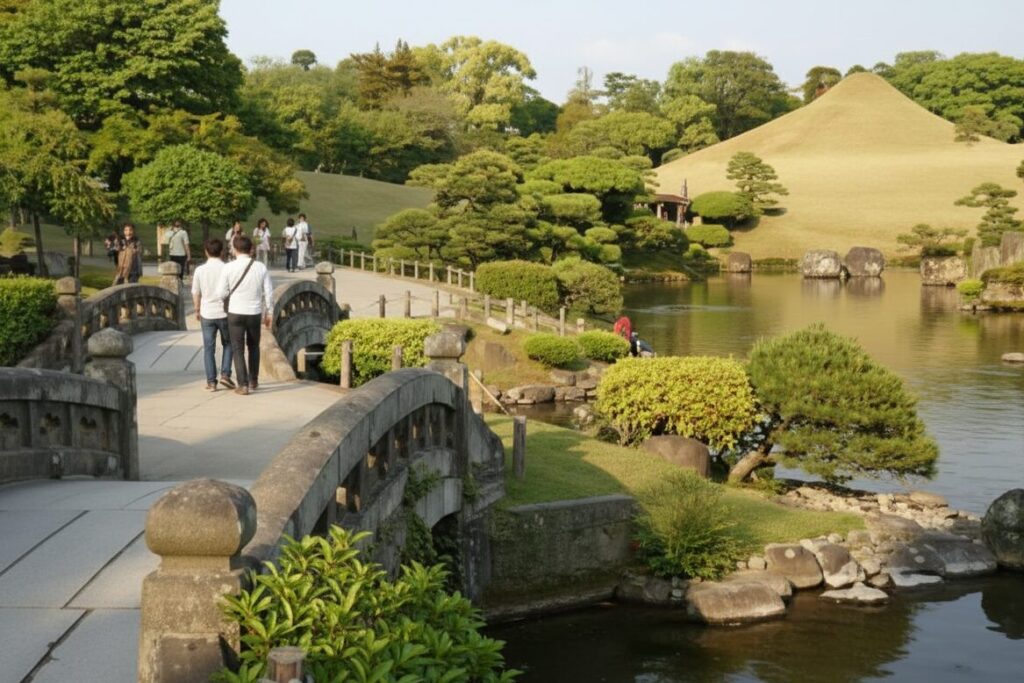
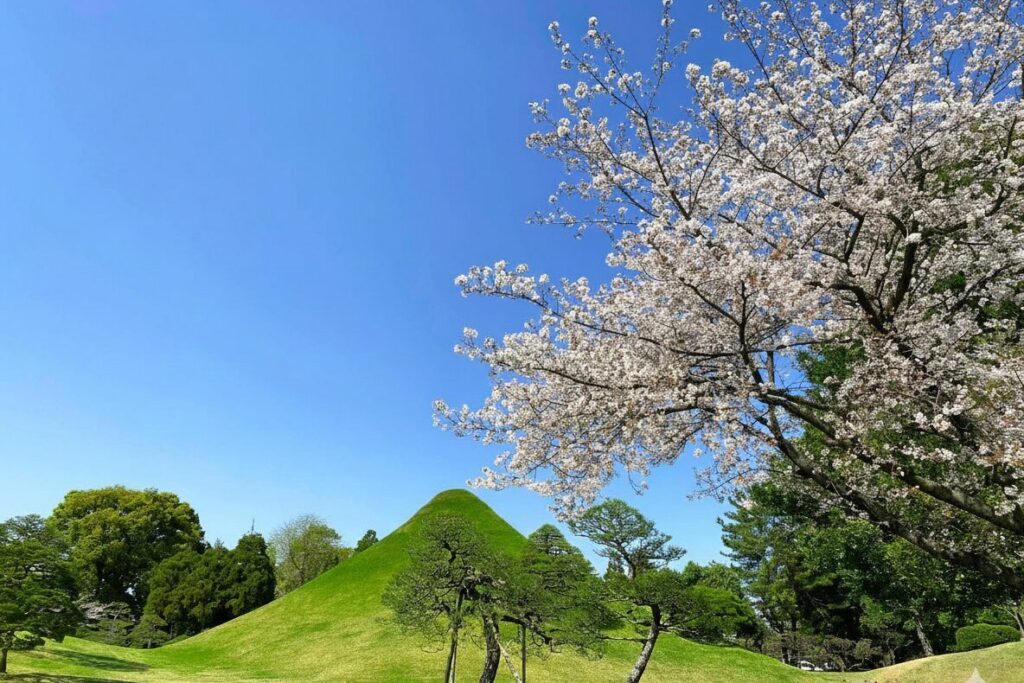
Photos are for illustrative purposes only.
On the island of Kyushu in southern Japan, Suizenji Jojuen Garden offers travelers a peaceful window into traditional Japanese landscape design. Just a short ride from central Kumamoto City, this carefully sculpted strolling garden blends history, art, and nature into a serene escape that feels far removed from busy modern Japan.
What Is Suizenji Jojuen Garden?
Suizenji Jojuen is a classic tsukiyama sensui garden, meaning it features man-made hills, a large pond, and flowing water laid out for visitors to enjoy on a circular walking route. Unlike compact temple gardens in Kyoto or small courtyard gardens, Suizenji Jojuen is spacious and open, inviting you to stroll slowly and view the landscape from different angles.
The garden was originally started in the 17th century by the Hosokawa clan, feudal lords of Kumamoto. What began as a tea retreat gradually developed into a grand strolling garden inspired by the Tokaido, the old highway linking Kyoto and Edo (modern-day Tokyo). Key scenic spots along the route were represented in miniature, with the most famous being a grassy mound shaped to resemble Mount Fuji.
Today, Suizenji Jojuen remains one of Kyushu’s most celebrated gardens, appreciated not only for its beauty but also for the way it condenses Japanese history, aesthetics, and seasonal change into a single peaceful space.
Highlights of the Garden
The Miniature Mount Fuji
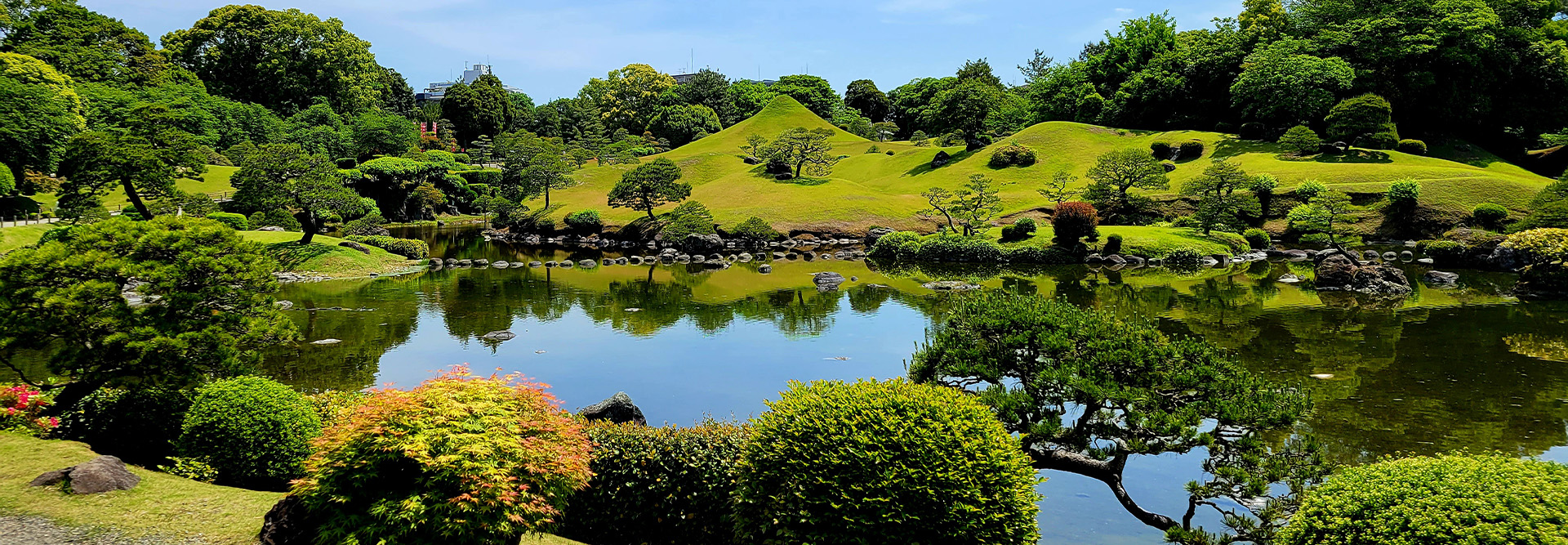
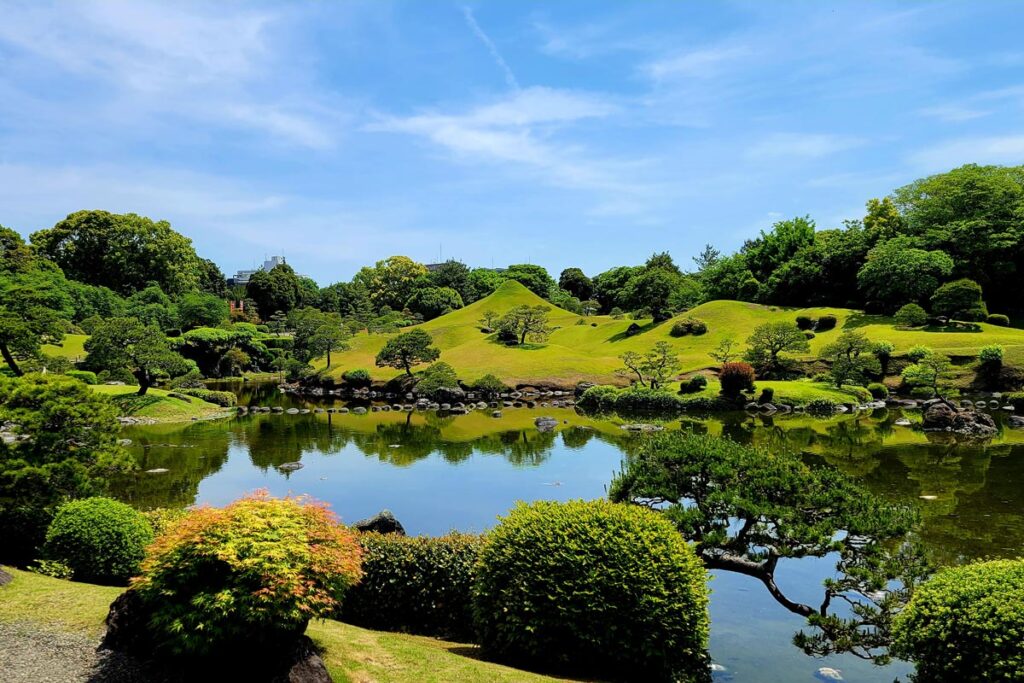
The garden’s most recognizable feature is its small, perfectly shaped hill evoking Mount Fuji. Covered in soft green turf, it rises gently behind the central pond and creates a striking focal point from several viewpoints around the garden. On clear days the shape is reflected in the water, giving a dreamlike sense of a tiny Fuji floating on the pond.
This miniature mountain is not just a visual trick; it also symbolizes the long journey along the Tokaido highway. In the Edo period, travel between Kyoto and Edo was an important part of samurai and court life, and seeing Mount Fuji from the road was a celebrated moment. By creating a small Fuji in the garden, the lord of Kumamoto captured the romance of that journey within his own domain.
The Central Pond and Islands
At the heart of Suizenji Jojuen lies a spring-fed pond fed by natural groundwater from nearby Mount Aso. The water is remarkably clear, and in calm weather the surface mirrors clouds, pines, and stone lanterns. Small islands dot the pond, some with sculpted pines and carefully placed rocks, others left simple to emphasize the stillness of the water.
The pond is home to colorful koi carp that glide lazily near the banks. Watching them move among the reflections is a classic Japanese garden experience, inviting you to slow down and notice patterns of light and shadow on the water.
Historic Tea Houses and Buildings
Suizenji Jojuen is closely tied to tea culture. The garden’s origins lie in a tea retreat built by Hosokawa Tadatoshi, the third lord of Kumamoto. Several traditional structures around the grounds echo this heritage and offer quiet places to pause.
Suizenji Temple and the Original Springs
The name “Suizenji” comes from a temple that once stood in the area, and from the clear springs that bubble up here. Although the original temple was relocated, the purity of the spring water remains central to the garden’s identity. In the past, water from these springs was prized for tea preparation, and the association between clear water and refined tea continues to define the atmosphere of the garden.
Tea Houses and Garden Pavilions
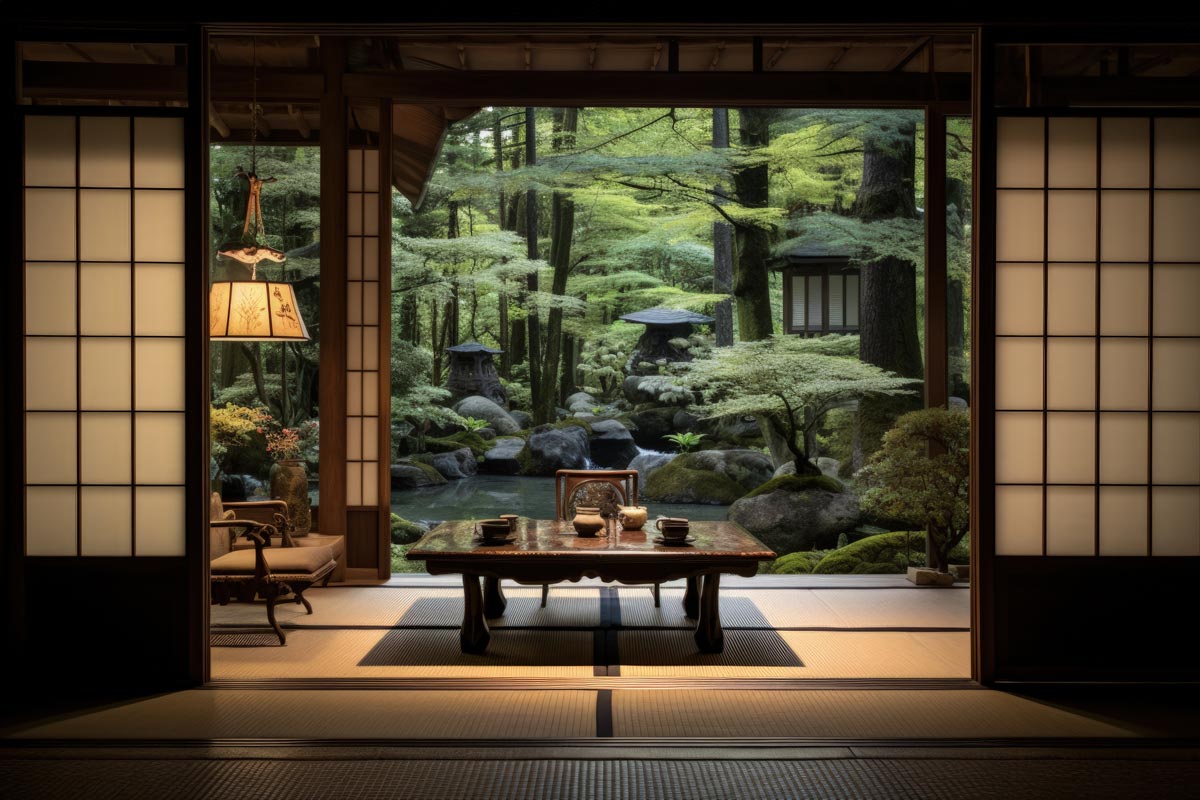
Traditional tea houses within the garden, such as Kyu Hosokawa Gyobu-tei related structures or relocated pavilions, reflect the understated elegance of Japanese tea architecture: wooden beams, tatami mats, and shoji paper screens looking out over greenery. While access inside may be limited or seasonal, just viewing these buildings from the path offers a sense of how feudal lords and their guests once enjoyed the garden, sipping tea while contemplating the landscape beyond the veranda.
Stone Lanterns, Bridges, and Garden Details
As you walk, look for classic elements of Japanese garden design. Stone lanterns stand near the water’s edge, their weathered surfaces contrasting with bright moss and grass. Small islets are connected by arched bridges or stepping stones, some purely ornamental, others serving as practical crossings.
Rocks are arranged not randomly but with deliberate intention. Some represent mountains, others shorelines or islands off the Japanese coast. These details turn the garden into a living landscape painting—a three-dimensional version of traditional ukiyo-e prints depicting famous views.
Experiencing the Garden Through the Seasons
One of the quiet pleasures of Suizenji Jojuen is how its mood changes with the seasons. Locals return throughout the year, and first-time travelers can time their visit to match their favorite kind of scenery.
Spring: Cherry Blossoms and Fresh Green
From late March to early April, cherry trees around the garden usually burst into bloom. The pale pink petals create delicate clouds above the paths and reflect softly on the pond’s surface. It is a calmer alternative to the crowded cherry blossom spots in major cities.
Shortly after the blossoms fall, new green leaves emerge everywhere. The moss on the hills seems brighter, and the garden feels newly washed and alive. Cool temperatures and soft light make this an excellent season for photography and long, slow walks.
Summer: Deep Greens and Reflections
In summer, the garden shifts to deeper shades of green. Pines, shrubs, and the mini-Fuji mound appear rich and dense, contrasted by the shimmering pond. Warm, humid air makes the shade of trees especially pleasant, and the sound of cicadas creates a distinctively Japanese soundtrack.
If you visit during this season, it is best to come early in the morning or late in the afternoon to avoid the midday heat. The low-angle sun brings out textures in the grass-covered hills and illuminates koi swimming beneath the surface.
Autumn: Colorful Leaves and Clear Air
From late October through November, autumn color arrives. Maple trees and other deciduous species turn shades of red, orange, and gold. Against the evergreen pines, these colors create classic autumn scenes often seen in Japanese paintings.
The air is crisp and clear, enhancing long views across the pond and toward the mini-Fuji. Many visitors consider autumn the most beautiful time to experience Suizenji Jojuen, with comfortable temperatures and vivid contrasts in the landscape.
Winter: Quiet Forms and Subtle Beauty
In winter, the garden becomes quieter and more minimal. Without lush foliage, the shapes of hills, rocks, and pine branches stand out. Occasionally, Kumamoto sees light snowfall, and if you are lucky enough to visit then, you may witness a rare scene: a dusting of snow emphasizing the contours of the mini-Fuji and stone lanterns.
Even on clear, cold days without snow, winter offers a calm, reflective atmosphere. The low sun casts long shadows, and the garden’s structure—its geometry and balance—comes into focus.
How to Enjoy Your Visit
Suggested Walking Route
Suizenji Jojuen is designed as a strolling garden, meant to be appreciated in motion. After entering, follow the main path around the pond in a clockwise direction. This route gives you a natural progression of views, gradually revealing the mini-Fuji, the islands, and the tea houses.
Take your time. The garden is not large, but walking slowly and stopping often is part of the experience. Try pausing at different vantage points: a bridge looking back toward the entrance, a bend in the path where the mini-Fuji aligns with a stone lantern, or a viewpoint where pines frame the water like a painting.
Photography Tips
For appealing photos, look for reflections in the pond, leading lines created by paths and bridges, and frames made by overhanging tree branches. Early morning and late afternoon offer softer light and fewer crowds.
Respect signs that restrict access; certain stones and grassy hills are off-limits to protect the landscape. Use a modest zoom lens if you have one to compress the scenery and bring distant elements, like the mini-Fuji and islands, closer together in your composition.
Cultural Etiquette in a Japanese Garden
Japanese gardens are not just parks; they are cultural spaces designed for contemplation. Speak quietly, avoid running or shouting, and do not touch or climb on rocks, trees, or lanterns. If you bring snacks or drinks, consume them only in designated rest areas and be sure to take all rubbish with you.
If a tea ceremony experience is available during your visit, consider joining. While not always offered daily, these sessions provide insight into Japanese hospitality and the connection between tea and nature. Follow the host’s instructions, bow lightly when receiving tea, and take a moment to admire the bowl and the view outside, as is traditional.
Practical Information for First-Time Visitors
Location and Access
Suizenji Jojuen Garden is located in Kumamoto City on the island of Kyushu in southwestern Japan. It is not far from the city center and can be reached easily by public transport.
- From Kumamoto Station: Board a local tram (streetcar) heading toward Suizenji Koen or a similar stop name. The ride typically takes around 20–30 minutes. From the tram stop, the garden entrance is a short walk.
- From Kumamoto Castle area: You can also take the tram network or a local bus in the direction of Suizenji. Travel time is usually under 30 minutes, depending on traffic and connections.
Taxis are widely available and may be convenient if you are traveling in a small group or with luggage. Drivers are accustomed to visitors and will recognize the garden’s name if you show it written in Japanese characters from a guidebook or map.
Opening Hours and Admission
Suizenji Jojuen generally opens daily, including weekends and most holidays. Typical opening hours run from morning to late afternoon, with the last admission set before closing time. There is a modest entrance fee, which helps maintain the garden and facilities.
Because hours and fees can change, especially around special events or maintenance periods, check the latest details with Kumamoto’s official tourism information before your visit or at your hotel’s front desk.
Facilities and Accessibility
The garden offers basic visitor facilities, such as restrooms, benches, and small rest areas. Nearby streets often have cafes, souvenir shops, and casual restaurants where you can enjoy simple local dishes or tea after your stroll.
Paths within the garden are mainly gravel and packed earth. Many areas are accessible to visitors with limited mobility, though some sections include gentle slopes or small steps. Comfortable walking shoes with good grip are recommended.
Combining Suizenji Jojuen with Other Kumamoto Sights
For first-time travelers to Japan, visiting Suizenji Jojuen can be part of a rewarding day exploring Kumamoto.
Kumamoto Castle
One of Japan’s most famous castles, Kumamoto Castle is known for its imposing black-and-white exterior and extensive grounds. Although it has undergone repair and reconstruction following earthquake damage, the area around the castle remains a powerful symbol of the region’s history. Pairing the castle with Suizenji Jojuen gives you two contrasting views of feudal Japan: the defensive fortress and the peaceful lordly garden.
Exploring Central Kumamoto
In the city center, shopping arcades, local eateries, and cozy bars present a softer side of urban Japan than what you might find in Tokyo or Osaka. Try regional specialties such as basashi (horse sashimi, for adventurous diners), karashi renkon (mustard-stuffed lotus root), and local ramen styles. After a quiet morning in the garden, an afternoon in the city keeps your schedule varied but not rushed.
Tips for First-Time Visitors to Japan
Suizenji Jojuen is an ideal introduction to Japanese aesthetics and public spaces. To make your visit smoother, keep a few general tips in mind:
- Cash and IC cards: While major stations accept credit cards, smaller attractions and local trams may rely more on cash or regional IC cards. Having some yen coins and small bills is helpful for entrance fees and transport.
- Language: English signs are increasingly common, but not universal. Simple phrases like “sumimasen” (excuse me) and “arigatou” (thank you) go a long way. Staff at popular attractions are usually patient with non-Japanese speakers.
- Timing: Arrive early to enjoy quieter paths and softer light, especially during spring and autumn when the garden is most popular.
- Respect for space: Be mindful of other visitors taking photos or enjoying the view in silence. Moving gently and quietly is part of the shared etiquette in gardens across Japan.
Why Suizenji Jojuen Belongs on Your Japan Itinerary
For many first-time travelers, Japan can feel intense—neon lights, crowded trains, and endless new experiences. Suizenji Jojuen Garden offers a counterbalance: open sky, still water, and carefully shaped greenery that invite you to slow down.
In a single loop around the pond, you encounter echoes of old travel routes, the discipline of tea culture, and the artistry of Japanese garden design. Whether you are exploring Kyushu for several days or making a brief side trip from another region, Suizenji Jojuen is a gentle yet memorable way to connect with Japan’s quieter, more reflective side.
Allow yourself at least an hour, switch your phone to silent, and simply walk. In the curves of the paths and the reflection of the mini-Fuji, you will begin to understand why gardens like Suizenji Jojuen have been cherished sanctuaries for centuries.

Access Map
Recommended spots in Kumamoto
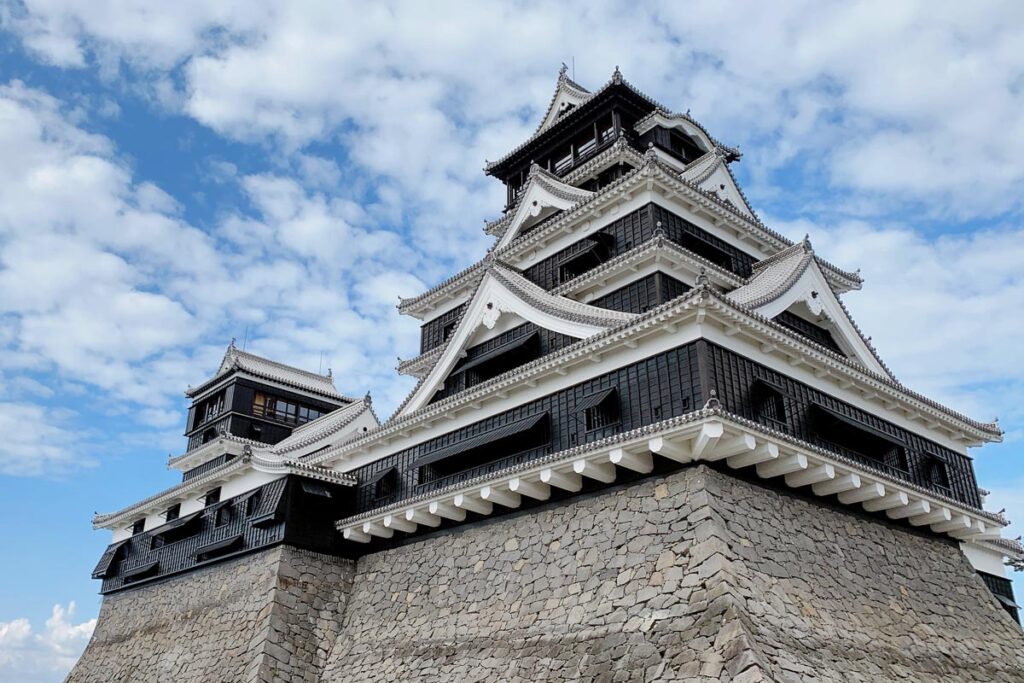
Kumamoto Castle
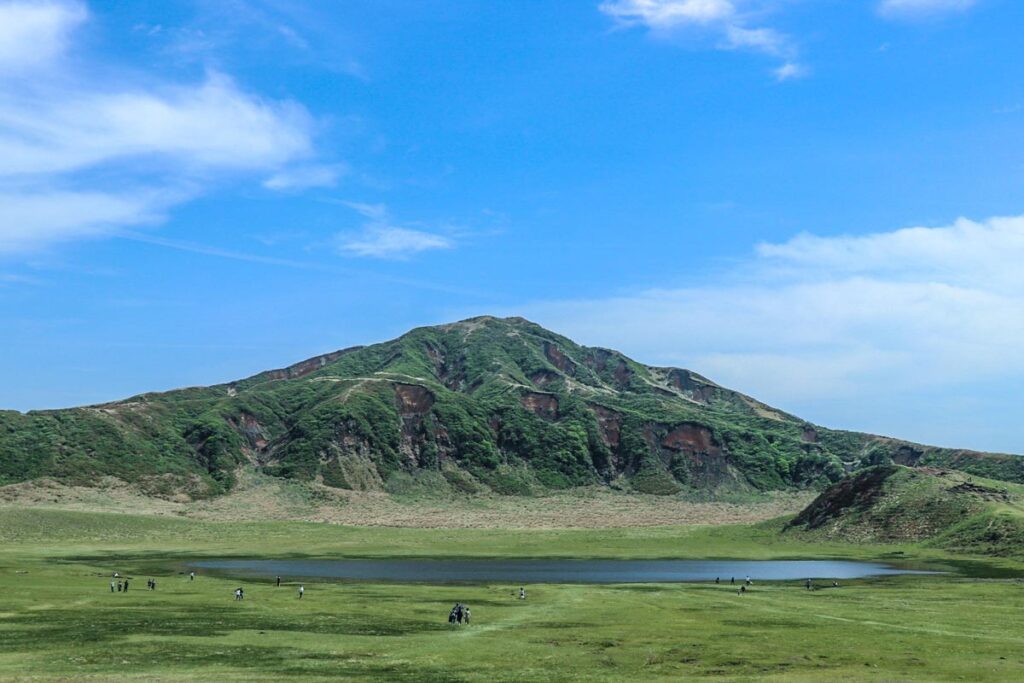
Mount Aso
Suizenji Jojuen Garden
Top destinations in Kyushu/Okinawa

Okinawa
Fukuoka
Kagoshima