


Sumiyoshi Taisha Shrine
Sumiyoshi Taisha Shrine: A Timeless Spiritual Haven in Osaka, Japan
Photos are for illustrative purposes only.
Hidden just a few train stops away from central Osaka’s busy streets, Sumiyoshi Taisha Shrine offers an unexpectedly tranquil escape into Japan’s ancient spiritual world. For first-time visitors to Japan, it is a perfect place to experience traditional Shinto culture, distinctive shrine architecture, and a slower, more contemplative side of Osaka.
Why Visit Sumiyoshi Taisha on Your First Trip to Japan
While many travelers focus on Osaka Castle and Dotonbori, Sumiyoshi Taisha provides a different kind of highlight. It is one of Japan’s oldest and most important Shinto shrines, dedicated to deities that protect travelers, sailors, and poetry. The atmosphere is calm and deeply local, with families, office workers, and elderly residents visiting to pray, stroll, or simply enjoy the peaceful grounds.
For international visitors, Sumiyoshi Taisha is especially appealing because it combines:
- Historic significance stretching back over 1,800 years
- Unique shrine architecture rarely seen elsewhere in Japan
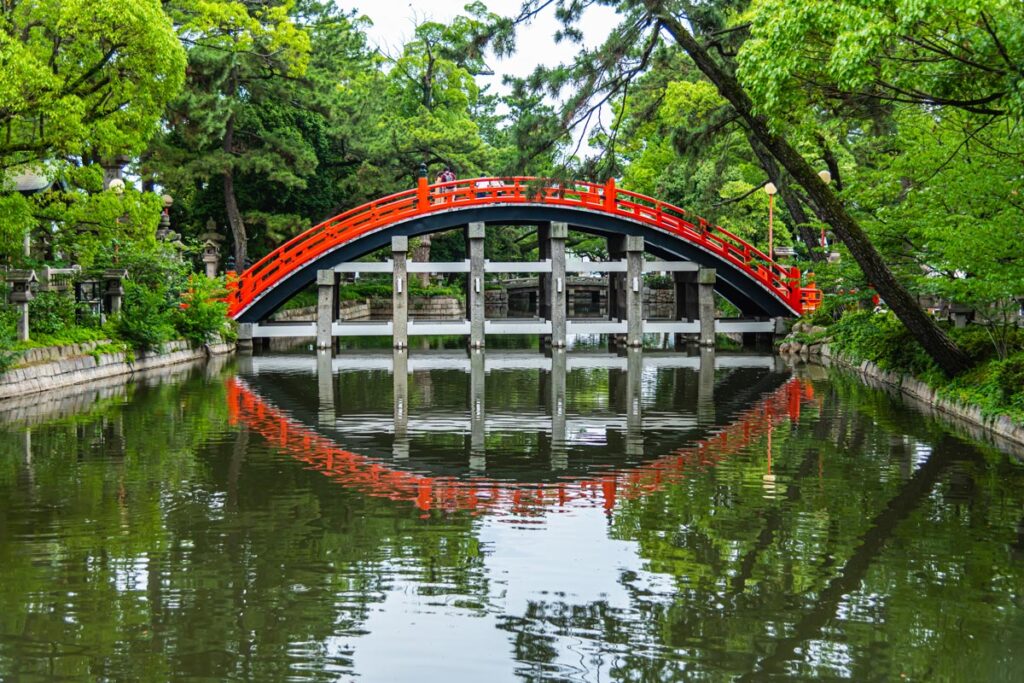
- An iconic arched bridge that is a photographer’s dream
- Easy access from central Osaka on local trains and trams
A Brief History of Sumiyoshi Taisha
Sumiyoshi Taisha is believed to have been founded in the early 3rd century, long before Buddhism arrived in Japan. That makes it an invaluable window into early Shinto beliefs. The shrine is dedicated to the Sumiyoshi Sanjin, a trio of sea and maritime deities, along with Empress Jingu, a legendary figure said to have prayed here for success before a mythical military expedition.
Over the centuries, sailors, merchants, and travelers came to pray for safe voyages and good fortune. Even in modern times, many people visit before big journeys or life transitions: new jobs, weddings, or examinations. As you walk through the grounds, you’re sharing space with centuries of hopes and prayers, which gives the shrine a quietly powerful atmosphere.
The Unique Sumiyoshi-Zukuri Architecture
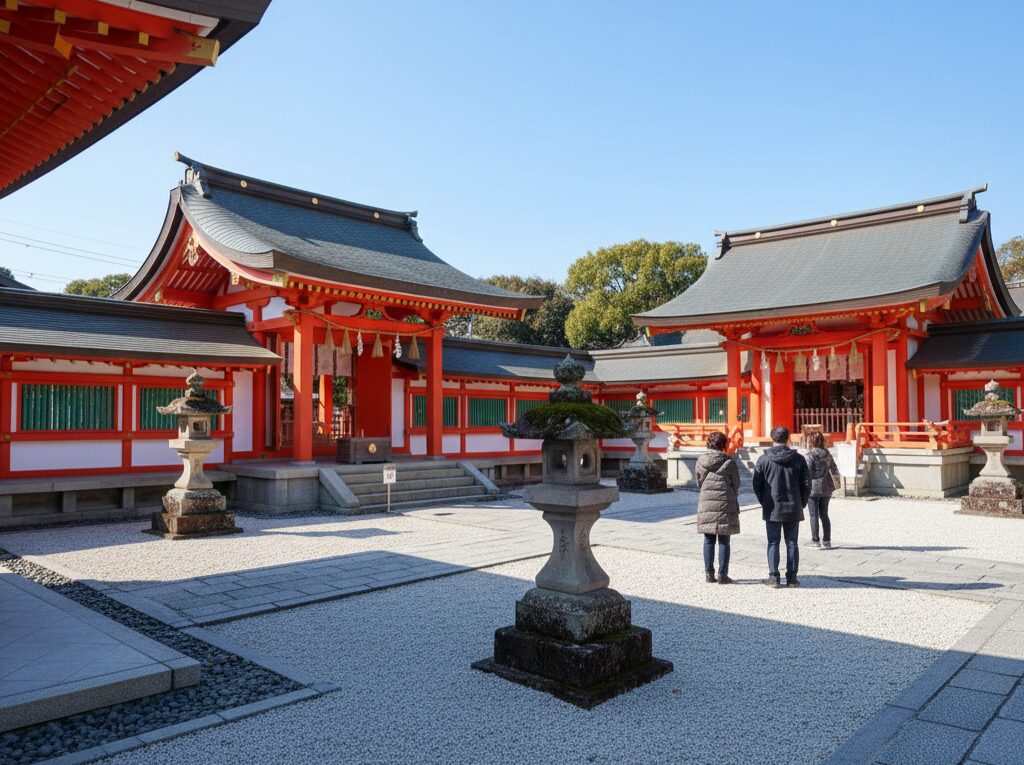
One of the most fascinating aspects of Sumiyoshi Taisha is its distinctive architectural style, known as Sumiyoshi-zukuri. This is considered one of the purest and oldest forms of Shinto shrine design, predating the influence of Buddhist temple architecture.
Look closely at the main shrine buildings and you’ll notice:
- Straight, simple rooflines with no curves
- Red lacquered columns and white walls creating a strong contrast
- Decorative wooden cross-pieces (called chigi and katsuogi) projecting from the roof
- Raised floors and enclosed, compact structures
These elements reflect a style rooted in ancient storehouse construction and early Japanese religious structures. For architecture enthusiasts or anyone interested in traditional Japan, Sumiyoshi Taisha is a rare chance to see this early form up close.
Highlights You Should Not Miss
The Taiko-bashi (Sorihashi) Arched Bridge
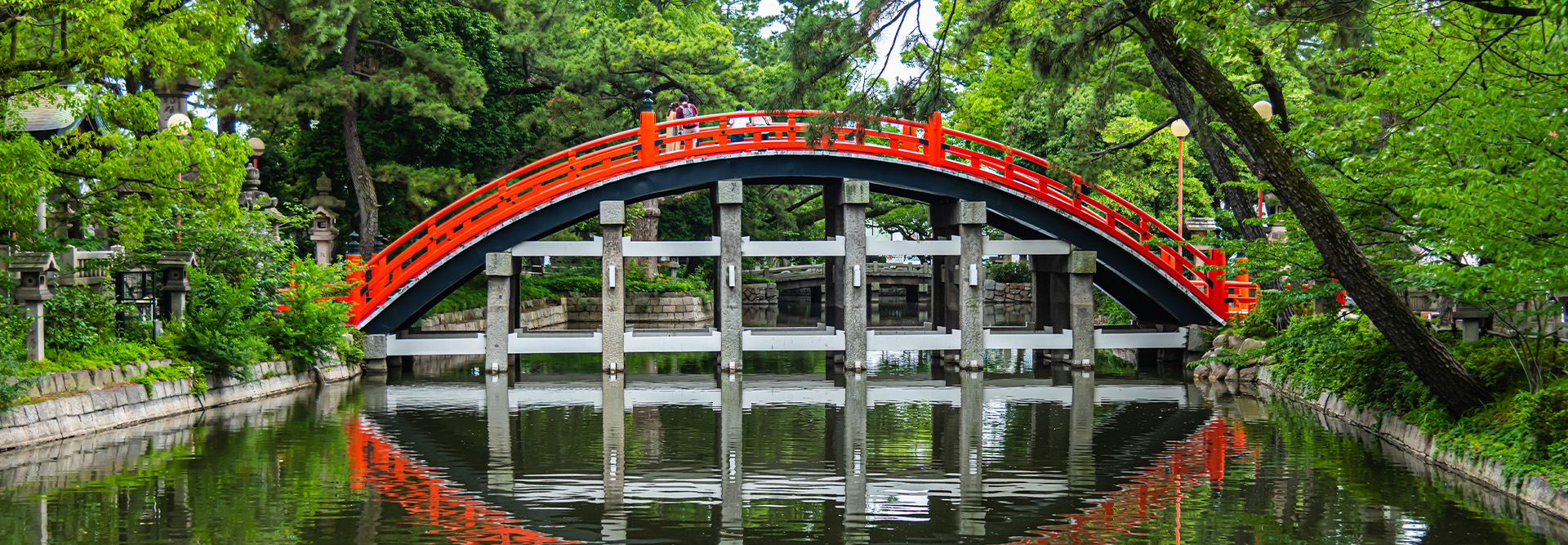
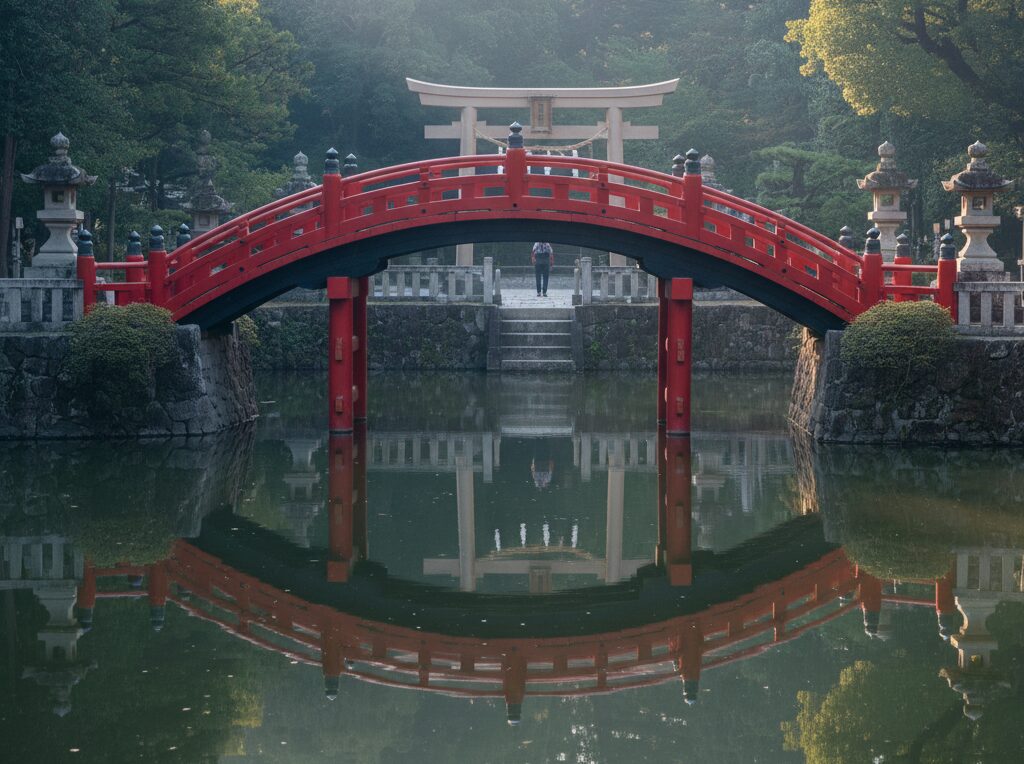
The symbol of Sumiyoshi Taisha is its dramatically steep vermilion bridge, known as Taiko-bashi (drum bridge) or Sorihashi. Crossing this large arch over the pond is considered a form of ritual purification before you enter deeper into the shrine grounds. The reflection of the bridge in the water forms an almost perfect circle on still days, a favorite subject for photographers.
The slope is steep, but there are handrails and steps. Walk slowly, especially if the weather is wet. From the top, you can enjoy a calm view across the pond and torii gates that frame the approach to the shrine.
The Four Main Honden (Sanctuaries)
Sumiyoshi Taisha is made up of four main shrine buildings, each dedicated to a different deity. These are arranged in a line, rather than the single main hall layout you might see elsewhere. Although the sanctuaries themselves are off-limits to visitors, you can respectfully approach the front, observe the architecture, and offer prayers.
Take your time to walk between each sanctuary. The progression encourages a slow, mindful rhythm rather than rushing from one spot to another.
Stone Lanterns and Sub-Shrines
Scattered throughout the grounds are countless stone lanterns, many of which were donated by worshippers over centuries. Some are moss-covered and slightly tilted with age, adding to the feeling of timelessness.
You’ll also encounter smaller sub-shrines dedicated to different aspects of life: health, safe childbirth, academic success, and more. Locals visit particular shrines based on their needs, leaving offerings or hanging wooden votive plaques called ema with written wishes.
Omikuji, Ema, and Amulets
Sumiyoshi Taisha is an ideal place to experience a few classic Shinto customs in a welcoming environment.
- Omikuji (fortune slips): Draw a fortune by making a small offering and choosing a slip of paper. There will usually be English explanations or simple symbols indicating good or bad luck. If it’s a bad fortune, tie it to a nearby rack or tree branch to leave the bad luck behind.
- Ema: Small wooden plaques where you can write a wish or prayer. Even if you’re not religious, this is a meaningful way to record a hope for your journey, your family, or your future.
- Omamori (protective amulets): The shrine offers charms for safe travel, success in study, healthy childbirth, and more. A travel safety amulet from such an ancient shrine is a particularly fitting souvenir.
Seasonal Atmosphere and Festivals
Sumiyoshi Taisha is active year-round, but the atmosphere changes with the seasons.
New Year (Shogatsu)
During the first days of January, the shrine becomes a major center of hatsumode, the first shrine visit of the year. Millions of visitors come to pray for health and happiness. Expect long lines, food stalls, and a festive yet spiritual energy. If you don’t mind crowds, it’s a fascinating window into modern Japanese tradition.
Summer Festivals
The shrine hosts important summer rituals, some of which date back centuries. On festival days, you’ll see locals in yukata (light cotton kimono), food stalls lining the approach, and traditional performances or ceremonies. Summer evenings can be hot and humid, but the atmosphere under the lanterns is very atmospheric.
Cherry Blossoms and Autumn Colors
While Sumiyoshi Taisha is not primarily known as a cherry blossom or autumn foliage spot, the shrine’s trees add gentle seasonal color. In spring, light pink blossoms soften the vermilion structures. In autumn, golden and red leaves frame the stone paths.
How to Visit Respectfully: Basic Shrine Etiquette
Visiting a Shinto shrine is straightforward, but following a few simple customs will help you feel more comfortable and show respect.
At the Torii Gate
The torii gate marks the entrance to the sacred space. Before walking through:
- Give a small, polite bow before entering.
- Walk slightly to the side of the center, as the middle is considered the path of the deities.
Purifying at the Temizuya (Water Basin)
Near the entrance, you’ll find a stone water basin with ladles. The standard purification process is:
- Take a ladle in your right hand, scoop water.
- Pour water over your left hand.
- Switch the ladle to your left hand, pour over your right hand.
- Switch back, pour a little water into your left hand to rinse your mouth (do not touch the ladle directly to your lips), spit discreetly beside the basin.
- Hold the ladle upright so remaining water cleans the handle, then return it.
Don’t worry if you’re not perfect. Follow what locals do, move calmly, and keep the area tidy.
Offering a Prayer
At the main worship hall:
- Stand before the offertory box, toss in a coin (5 yen is considered lucky).
- Bow deeply twice.
- Clap your hands twice.
- Hold your hands together silently for a brief prayer or reflection.
- Finish with one more deep bow.
Photography is generally allowed in the grounds, but avoid taking photos directly of people praying or of interior spaces that are marked as off-limits.
Practical Information for International Visitors
Location and Access from Central Osaka
Sumiyoshi Taisha is located in southern Osaka, in the Sumiyoshi ward. Access is easy via both rail and tram.
- From Namba: Take the Nankai Line from Namba Station to Sumiyoshitaisha Station. The ride takes around 10 minutes on a local train. The shrine is just a short walk from the station.
- By Hankai Tram: For a more nostalgic journey, ride the Hankai tram line from central Osaka to Sumiyoshi. The tram stop is also close to the shrine and gives you a charming, slow-paced view of everyday neighborhoods.
If you are using an IC card such as ICOCA, Suica, or PASMO, you can simply tap in and out on these routes.
Opening Hours and Admission
The grounds of Sumiyoshi Taisha are generally open from early morning until late afternoon or early evening. Shrine buildings follow similar hours, though exact closing times can vary by season or for special ceremonies.
Entry to the shrine grounds is typically free, which makes it an accessible stop for any budget. There may be fees for special exhibitions, particular blessings, or certain festivals.
Language and Visitor Support
English signage is gradually improving, but much of the information is still in Japanese. Even so, it is easy to navigate the grounds by following paths and watching what local visitors do. If you’re curious about specific rituals or structures, it can help to look up basic shrine vocabulary in advance or use a translation app on your phone.
What to Wear and Bring
There is no strict dress code, but modest, comfortable clothing is recommended. You’ll be walking on gravel paths and sometimes slightly uneven surfaces, so wear comfortable shoes. In summer, bring water and a hat; in winter, the open grounds can feel chilly, so layer accordingly.
Keep a small bag or backpack; large luggage is inconvenient on the paths and should be left at your hotel or in station lockers.
Suggested Itinerary: Pairing Sumiyoshi Taisha with Other Sights
Visiting Sumiyoshi Taisha typically takes 1–2 hours at a relaxed pace. You can easily combine it with other Osaka experiences.
- Morning at Sumiyoshi Taisha, afternoon in Namba: Enjoy the peaceful shrine early, then return to Namba for shopping, street food, and neon lights.
- Tram ride and local lunch: Use the Hankai tram to reach the shrine and stop at a neighborhood restaurant for casual Osaka dishes like okonomiyaki or kushikatsu.
- Half-day of tradition and city life: Start at Sumiyoshi Taisha, then visit Osaka Castle or the Umeda Sky Building for a complete contrast between old spirituality and modern city views.
Tips for a Meaningful Visit
To get the most out of your time at Sumiyoshi Taisha, try to:
- Arrive early in the morning or on weekdays to enjoy a calmer atmosphere.
- Walk slowly and notice details: carvings, lanterns, roof shapes, and the sound of gravel underfoot.
- Participate in at least one ritual, such as drawing an omikuji or purchasing a travel amulet.
- Take a moment just to sit quietly on a bench and observe local life unfolding around you.
Unlike heavily touristic spots, Sumiyoshi Taisha still functions primarily as a neighborhood shrine and a major spiritual center for locals. By approaching it with curiosity and respect, you’ll gain a deeper understanding of everyday Japanese religion and community life.
Experiencing the Spirit of Osaka Beyond the Neon
For many first-time travelers, Osaka is all about food, shopping, and nightlife. Sumiyoshi Taisha adds another layer to that picture: a glimpse of a city with centuries of history, shaped by maritime trade, travelers, and timeless beliefs.
Standing at the top of the Taiko-bashi bridge, looking down at the still water and the reflection of vermilion rails, it’s easy to forget that the bustle of central Osaka is just minutes away. If you want to balance the energy of the city with a place of calm and continuity, Sumiyoshi Taisha Shrine deserves a spot on your Japan itinerary.

Access Map
Recommended spots in Osaka

Kaiyukan Osaka Aquarium
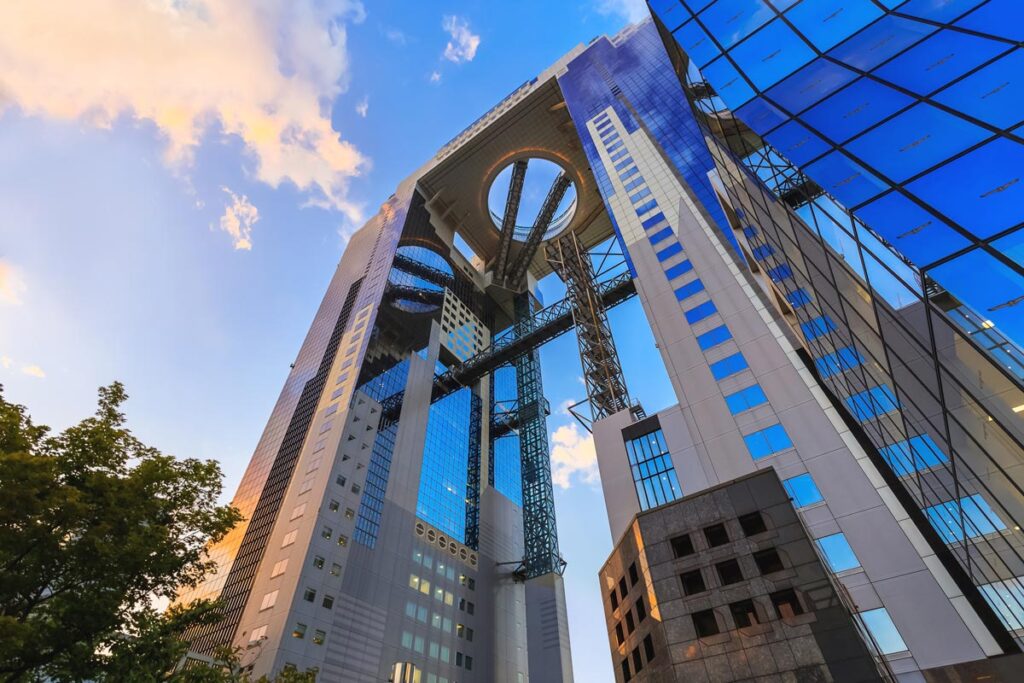
Umeda Sky Building (Floating Garden Observatory)
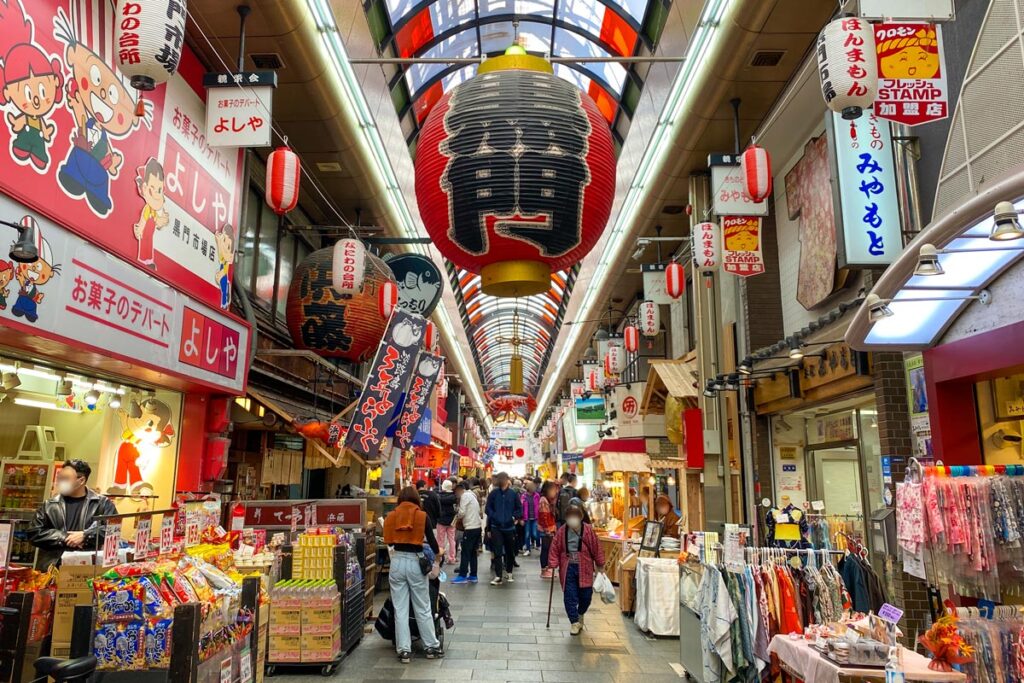
Kuromon Market

Shinsaibashi

America-mura
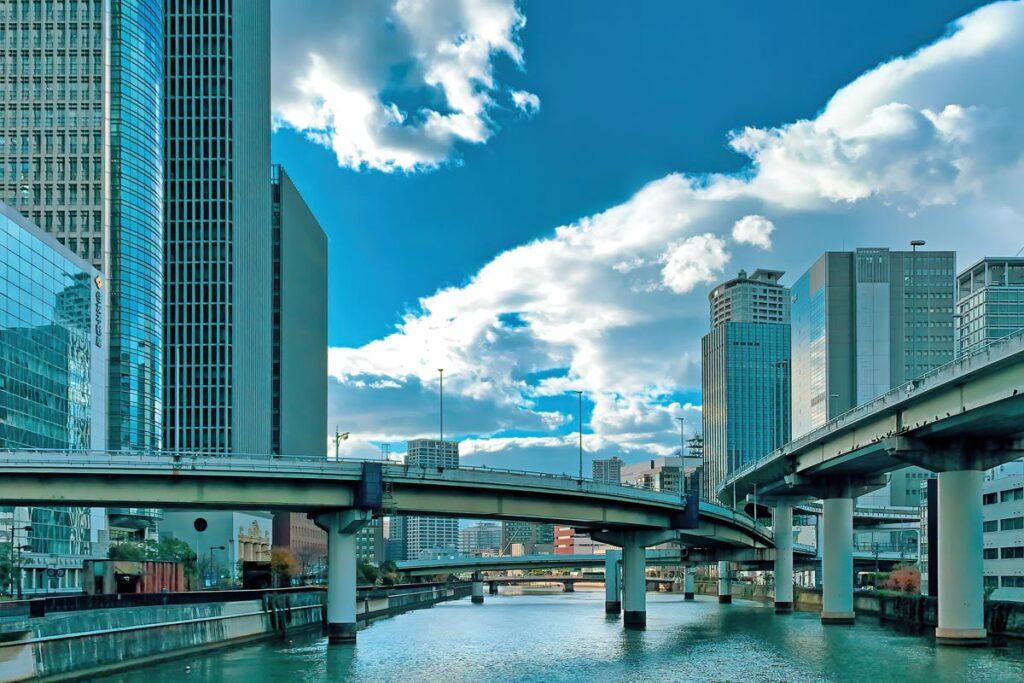
Nakanoshima
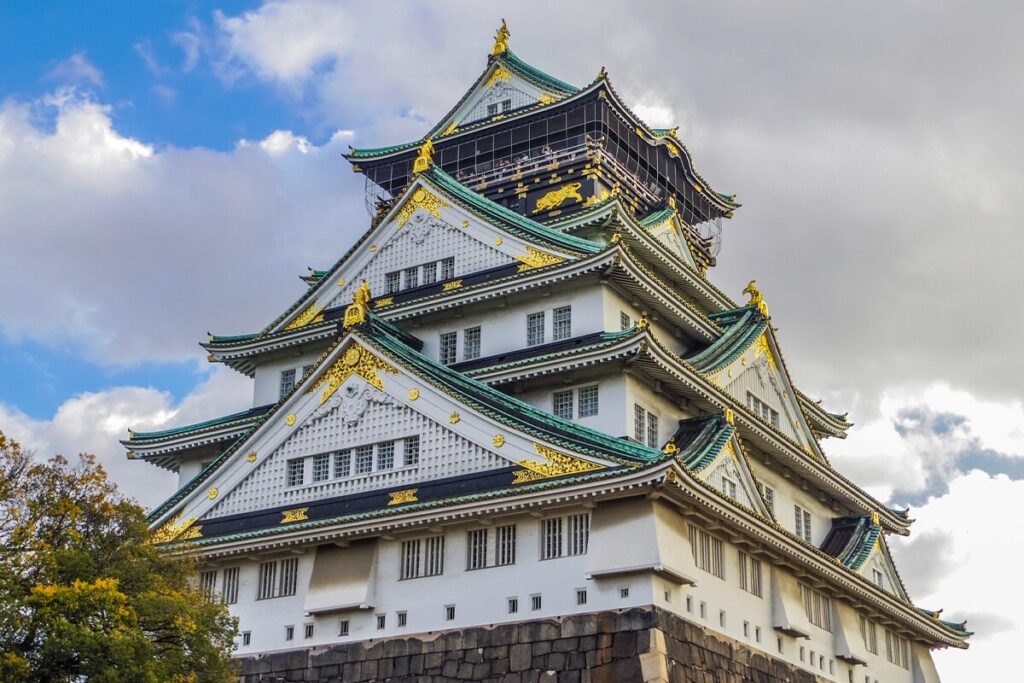
Osaka Castle
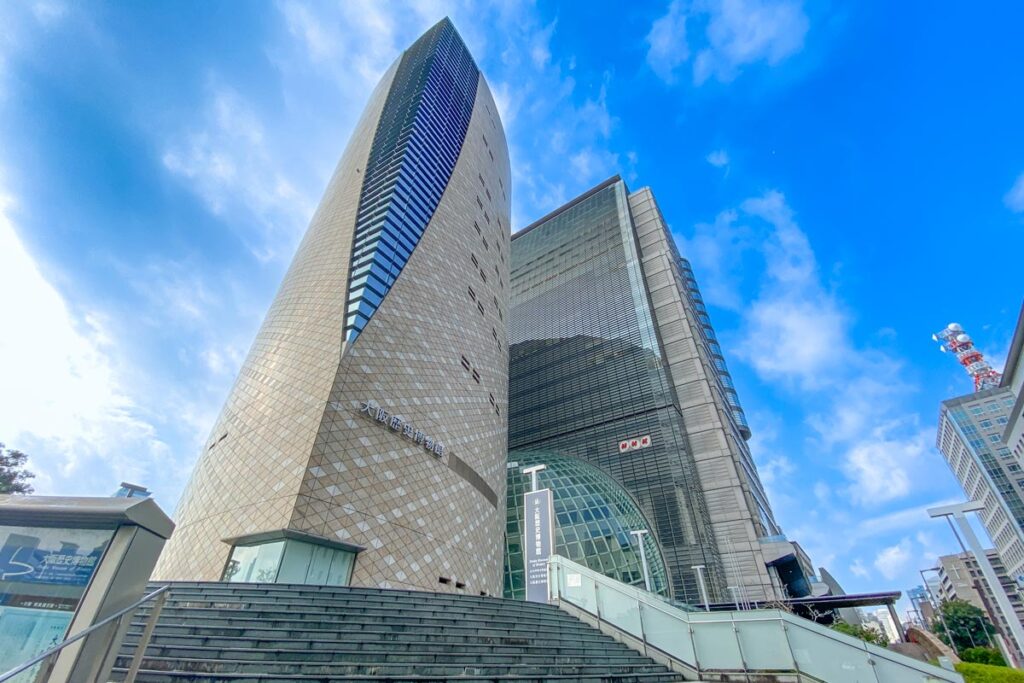
Osaka Museum of History
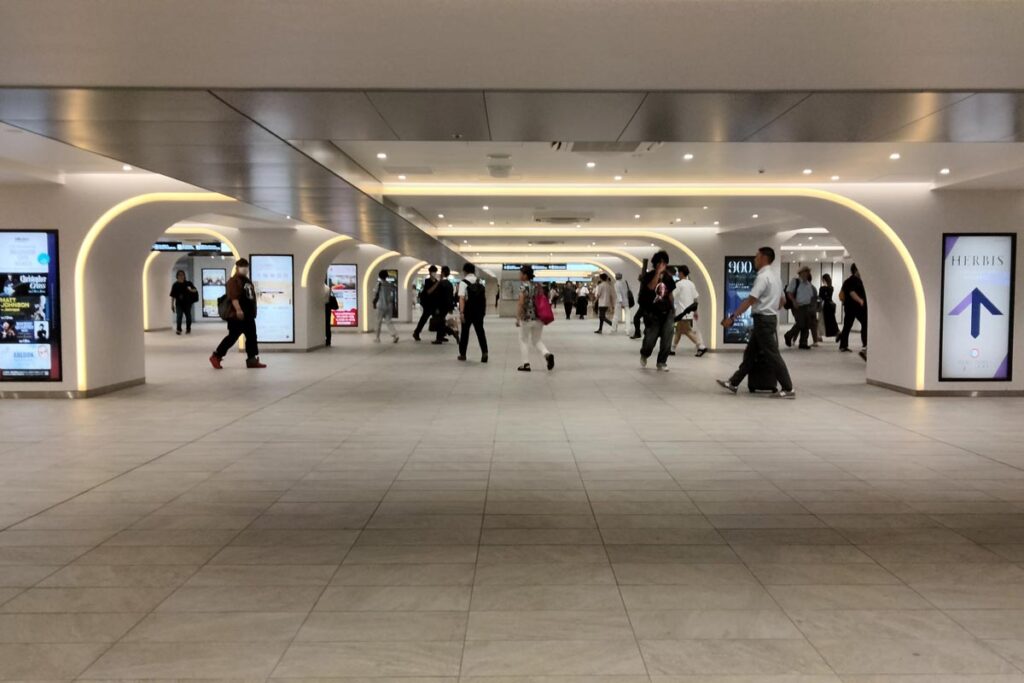
Umeda Dungeon
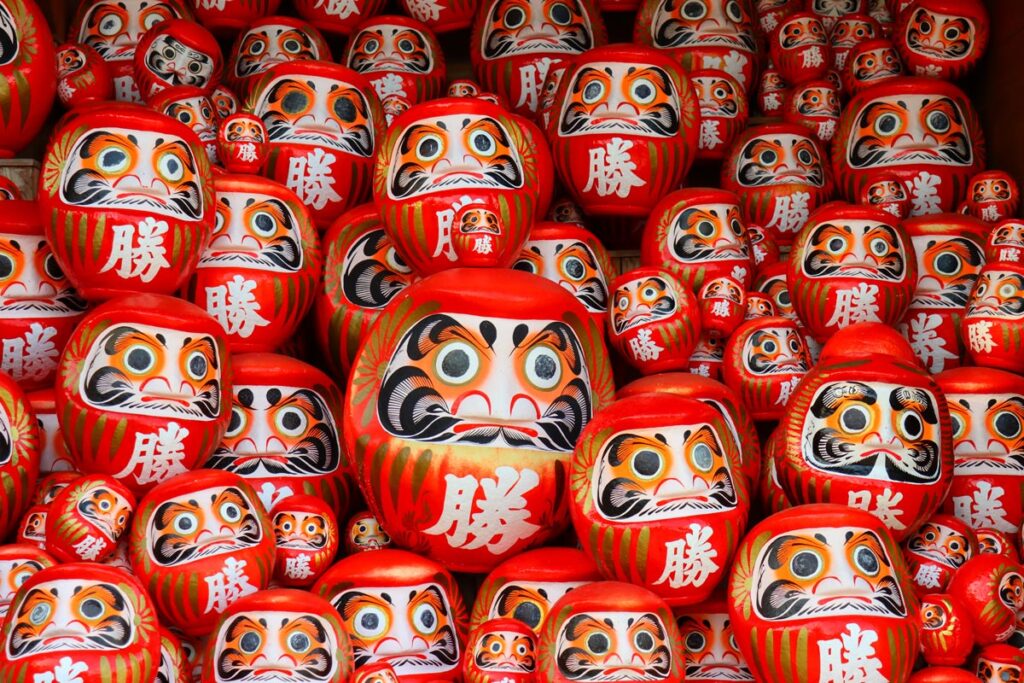
Katsuoji Temple