

Tea Ceremony
Tea Ceremony in Japan: A Complete Guide for First-Time Visitors
The Japanese tea ceremony is one of the most memorable cultural experiences you can have in Japan. More than simply drinking a cup of tea, it is a carefully choreographed ritual that brings together art, architecture, hospitality, spirituality, and nature in a single quiet moment. For first-time visitors, joining a tea ceremony is a gentle way to step into traditional Japan and feel its slower, more reflective rhythm.
What Is the Japanese Tea Ceremony?
The Japanese tea ceremony, known as chanoyu, sado or chado (the “way of tea”), is the ceremonial preparation and serving of powdered green tea called matcha. Originating from Zen Buddhist practice, the ceremony developed over centuries into a distinct cultural art, with its own schools, tools, gestures, and aesthetics.
At its heart is the concept of ichigo ichie, often translated as “one time, one meeting.” The idea is that every encounter is unique and will never be repeated in exactly the same way. Because of this, the host and guests treat each tea gathering with deep attention and gratitude.
While modern tea experiences for visitors are usually shorter and more relaxed than a formal, full-length ceremony, they still preserve the same spirit: slowing down, savoring the moment, and sharing peaceful time together.
Why Experience a Tea Ceremony in Japan?
For foreign travelers, a tea ceremony offers insight into several layers of Japanese culture at once:
- Aesthetics: You see how Japanese design emphasizes simplicity, natural materials, and the beauty of imperfection.
- Hospitality: You experience omotenashi, a style of sincere, quiet hospitality where the host anticipates your needs without drawing attention to their efforts.
- Manners and mindfulness: You learn small rituals—bowing, turning the bowl—that reflect a wider culture of respect and awareness.
- Everyday life: You taste matcha and sweets that remain part of modern Japanese daily life, from seasonal confections to convenience-store green tea lattes.
Even if you are not usually interested in traditional culture, many travelers find that an hour in a tearoom becomes one of their most vivid memories of Japan.
Understanding the Elements of a Tea Ceremony
A tea ceremony is a carefully composed environment. Every element, from the garden path to the final bow, is part of the experience.
The Tearoom and Garden
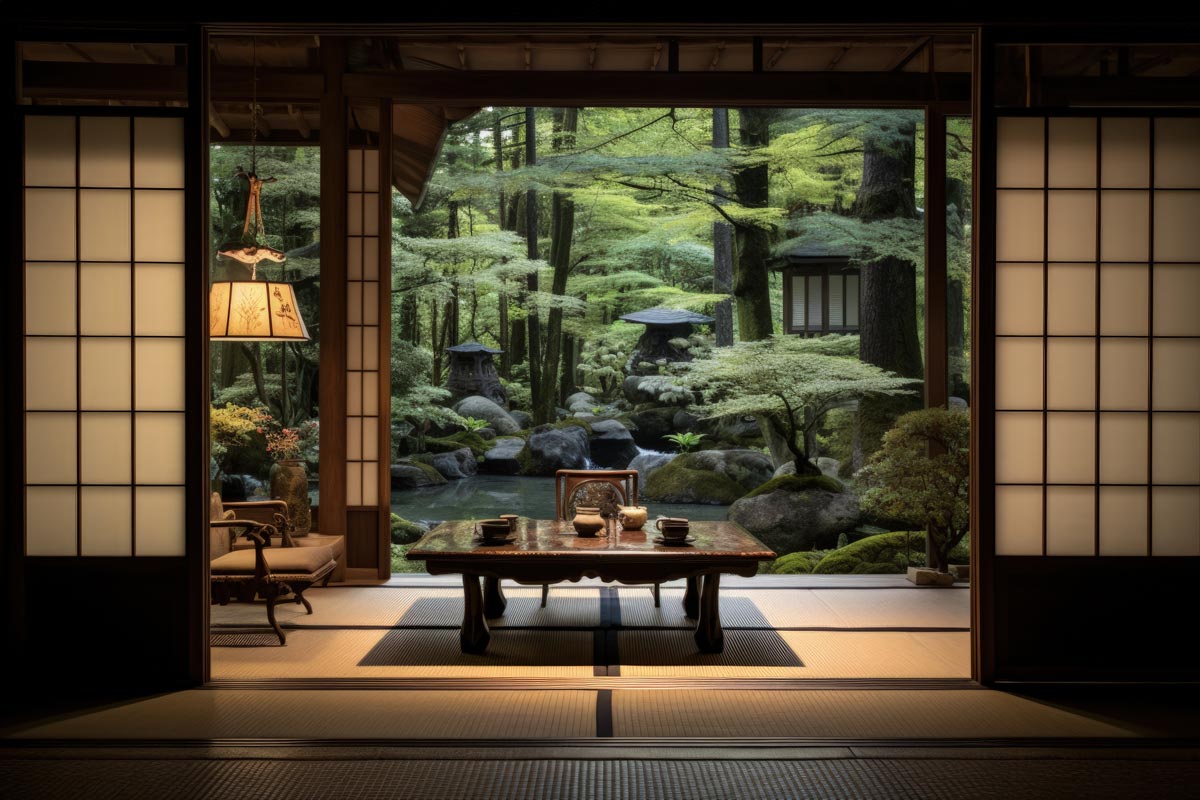
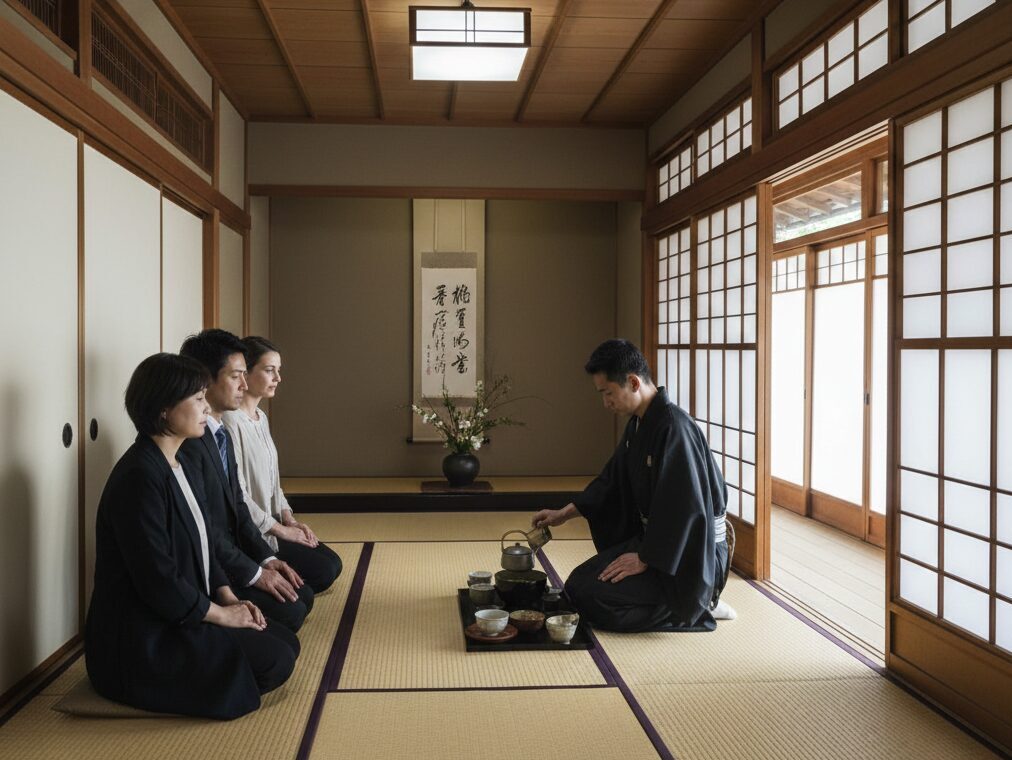
Tea is traditionally served in a tea house or special room within a Japanese home or temple. The space is usually simple and intimate, with tatami straw mats, sliding paper doors, and minimal decoration. Key features include:
- Tokonoma (alcove): A shallow niche where a hanging scroll and a seasonal flower arrangement are displayed. The scroll might show calligraphy expressing a Zen phrase or a painting suited to the season.
- Roji (garden path): In more formal settings, guests pass through a small garden before entering. Stones, moss, and lanterns create a feeling of leaving the everyday world behind.
- Low entrance: Some traditional tea houses have a very small entrance, requiring guests to bow and humble themselves before entering, symbolizing equality among all who share tea.
Utensils and Tools
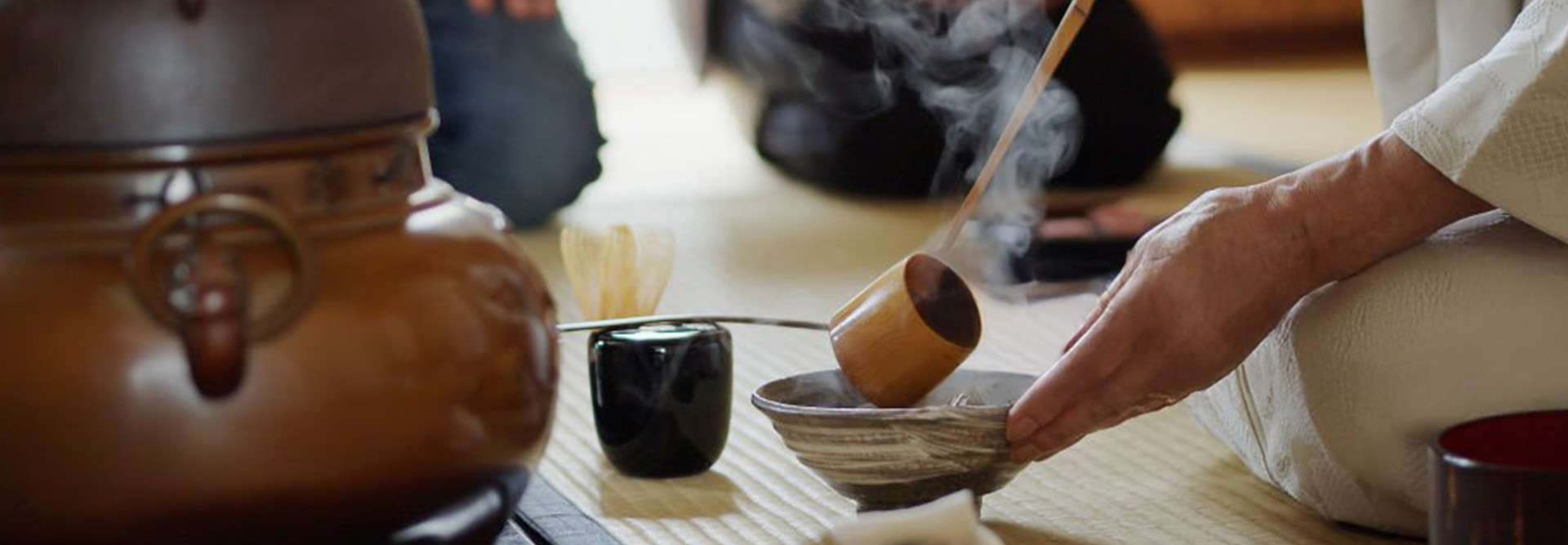
During the ceremony, you will see the host handle a range of tools with great care. These are collectively known as dogu (tea utensils):
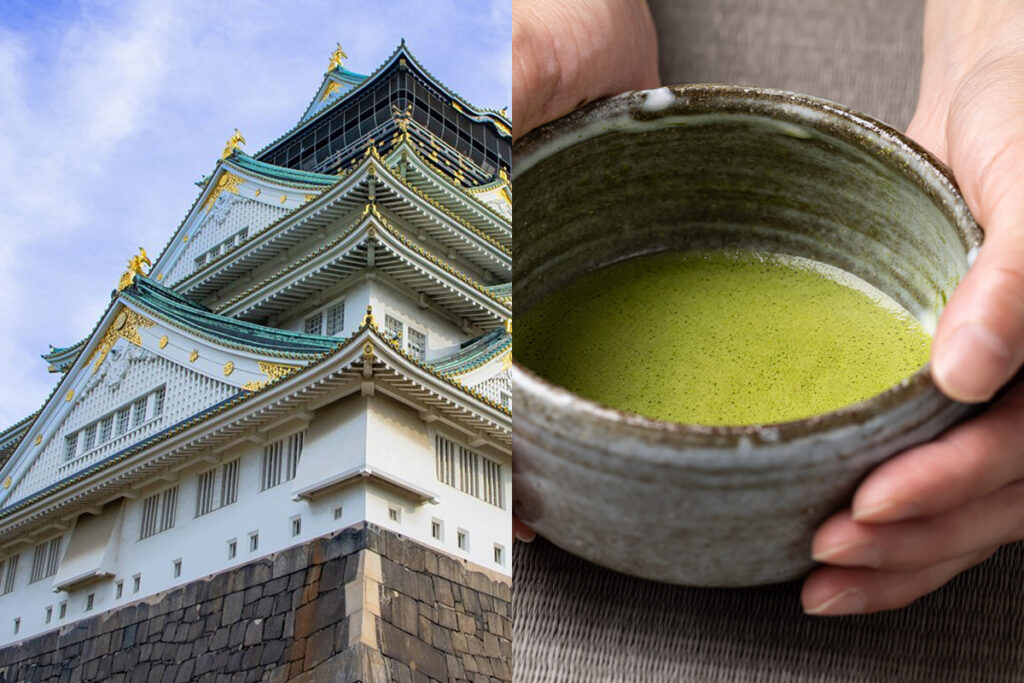
- Chawan: The tea bowl from which you drink. Each bowl is chosen for the season and occasion; its shape, glaze, and imperfections are all appreciated.
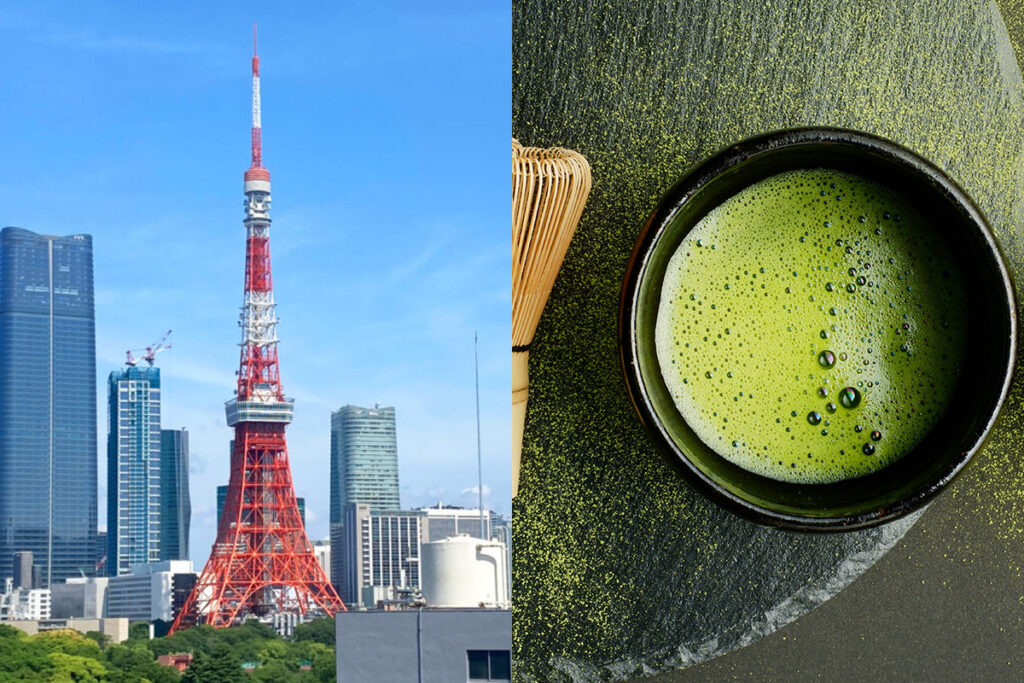
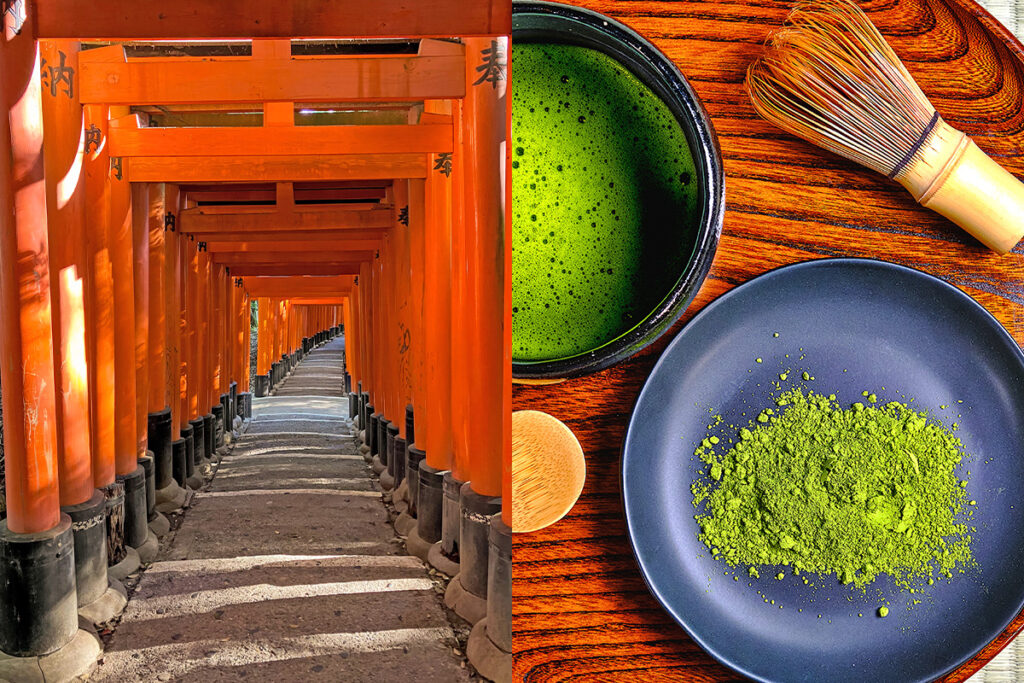
- Chasen: The bamboo whisk used to froth the matcha with hot water into a smooth, slightly foamy drink.
- Chashaku: A slender bamboo scoop used to measure the powdered tea.
- Natsume or chaire: The tea caddy that holds the matcha.
- Kama and kensui: The iron kettle and waste-water bowl used to manage hot and used water.
Every item has a history and character. In formal settings, the host may briefly introduce special pieces, such as an antique bowl or a locally crafted whisk.
The Flow of a Typical Visitor-Friendly Ceremony
For tourists, tea experiences are usually 30–60 minutes and often include an explanation in English. While each school and venue is unique, a common flow is:
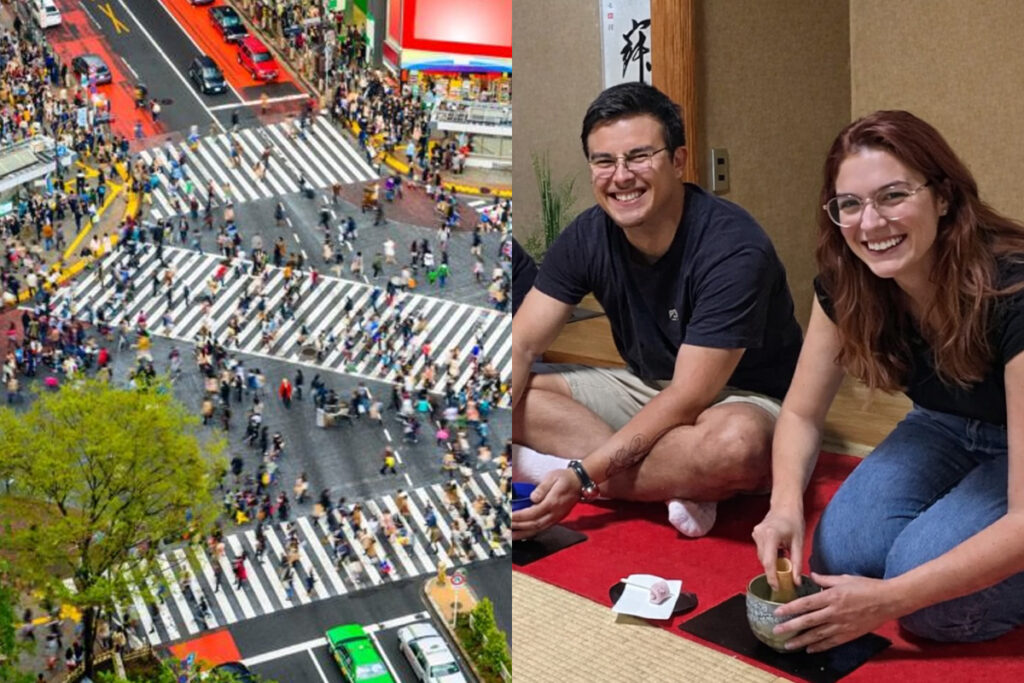
- Welcome and seating: You remove your shoes and sit either on tatami (kneeling or cross-legged) or on a low chair.
- Seasonal sweets: You are offered a small traditional sweet (wagashi), often made from sweet bean paste and rice flour. It is eaten before the tea to balance matcha’s bitterness.
- Tea preparation: The host enters and quietly cleans the utensils, scoops matcha into the bowl, adds hot water, and whisks it using precise movements.
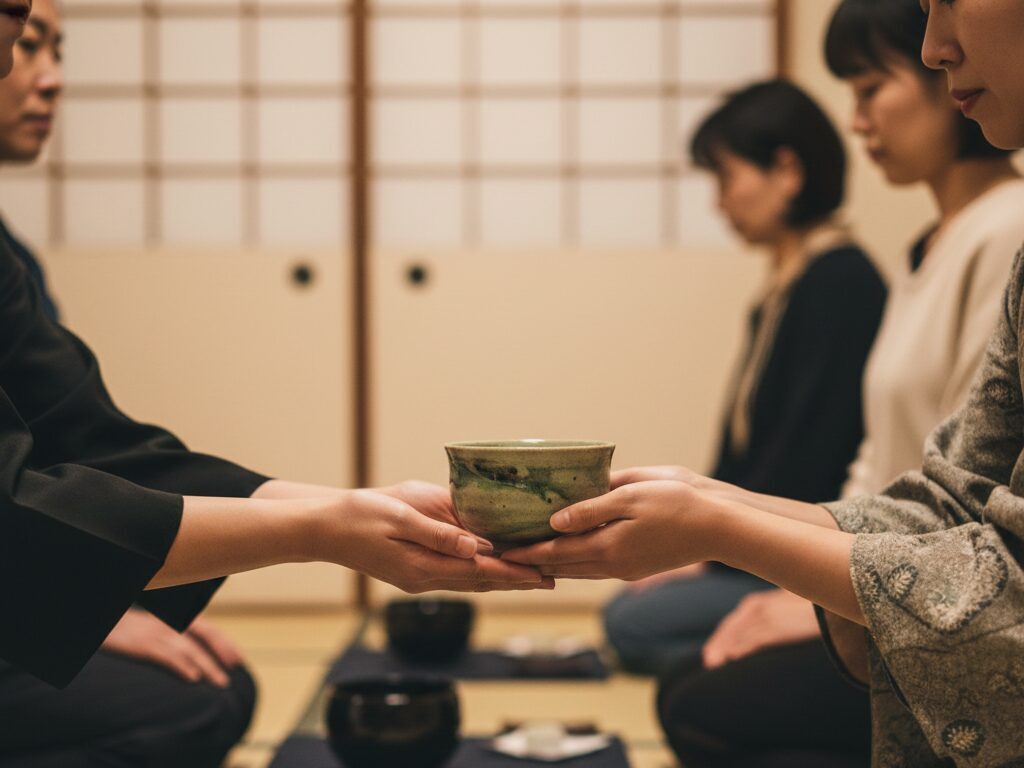
- Serving the tea: Bowls of tea are served one by one or shared in turn, depending on the style.
- Drinking the tea: You admire the bowl, rotate it slightly, then drink in several sips, finishing with a small sound to show appreciation.
- Closing: The host cleans up the tools, and everyone exchanges final bows.
This simple pattern is the frame around which the host builds a unique experience, choosing specific sweets, flowers, and scrolls to match the weather, time of day, or occasion.
Tea Ceremony Etiquette for Beginners
You do not need to be perfect, and hosts who welcome international visitors are used to beginners. Still, a little etiquette will help you feel more comfortable and show respect.
Clothing and Preparation
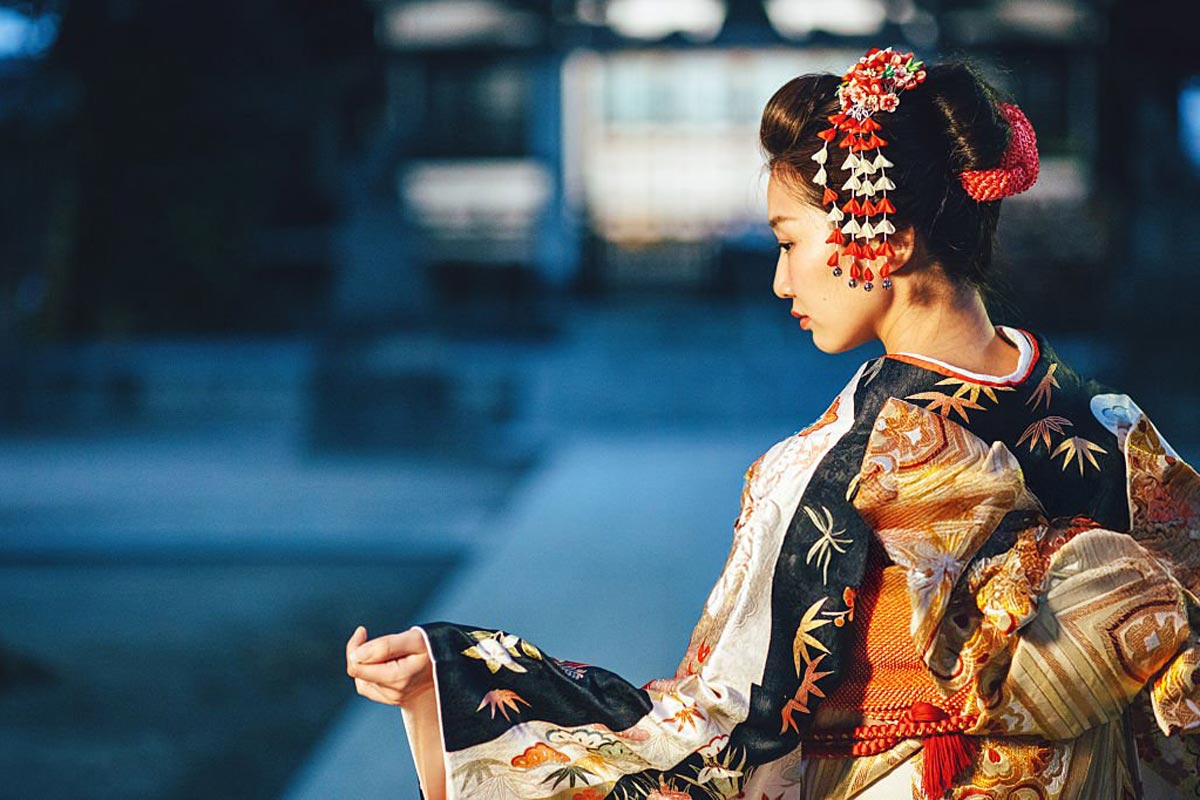
- Dress modestly and comfortably: You do not need a kimono. Simple, neat clothes are fine. Avoid very short skirts or clothing that is difficult to sit in.
- Socks: You will remove your shoes, so bring or wear clean socks without holes.
- Minimal perfume: Strong scents can disturb the subtle aroma of the tea and incense.
- Punctuality: Arrive a little early. Tea gatherings start on time, and late arrivals disrupt the calm atmosphere.
Sitting and Moving on Tatami
Many tea rooms use traditional tatami mats. If you are not used to sitting on the floor, you can usually sit cross-legged or with legs to one side, unless specifically instructed to sit in the formal kneeling position (seiza).
- Step carefully on tatami; avoid stepping on the edges where they are more delicate.
- When moving or turning, slide your knees or feet instead of standing abruptly, to keep the atmosphere calm.
How to Enjoy Sweets and Tea
Before the tea is served, you will receive a wagashi sweet, often on a small paper or plate. Typical steps are:
- Bow lightly to acknowledge the host or server.
- Use the provided pick or your fingers to eat the sweet completely before the tea arrives.
- Place any paper or picks neatly to one side when finished.
When your bowl of tea arrives:
- Bow slightly as you receive it, often with both hands.
- Place the bowl in front of you and admire it for a moment.
- Pick it up with your right hand, then support it from below with your left hand.
- Rotate the bowl slightly (usually twice, clockwise) so you do not drink from the front, which is the most beautiful side reserved for viewing.
- Drink in several sips. It is polite to finish all the tea.
- At the end, you may make a small slurping sound to show appreciation.
- After drinking, wipe the rim lightly with your fingers and turn the bowl back so the front faces the host before placing it down.
If you are unsure, simply watch the person next to you or follow the host’s instructions. Most tourist-friendly ceremonies include gentle guidance.
Key Japanese Phrases to Use
Using a few Japanese words adds warmth to the experience and is always appreciated.
- Before entering / at the start: Onegai shimasu – “Please (teach/guide me).” It shows you are in their care.
- After receiving the sweet: Itadakimasu – Said before eating, similar to “I humbly receive.”
- After finishing the tea: Oishikatta desu – “It was delicious.”
- At the end of the ceremony: Arigatou gozaimashita – A polite “Thank you very much” in the past tense.
Pronunciation does not need to be perfect; your effort itself communicates respect.
Types of Tea Ceremony Experiences for Travelers
When you search for tea ceremony experiences in cities like Tokyo, Kyoto, Osaka, or Kanazawa, you will find several different styles. Choosing the right one depends on your interest, schedule, and budget.
Short Introductory Ceremonies
These are designed specifically for international visitors and usually last 30–45 minutes. They often include:
- A brief explanation of history in English
- Demonstration by the host
- One bowl of matcha and a sweet
- Optional photo time in the tearoom
They are ideal if you are curious but have limited time, or you are not sure whether children will enjoy a longer, more formal session.
Hands-On Workshops
Some tea houses, cultural centers, and hotels offer workshops where you can try preparing matcha yourself. Typically, you will:
- Watch a short demonstration
- Learn how to scoop and whisk the tea
- Make your own bowl of matcha under guidance
- Ask questions about the utensils and philosophy
This option is great if you enjoy interactive experiences and want to take home practical skills, such as how to whisk matcha at home.
Formal or Semi-Formal Ceremonies
For travelers deeply interested in traditional culture, some temples, tea schools, and cultural institutions offer more formal gatherings. These may last 1–2 hours or longer and can include:
- A light meal or multiple servings of tea
- More detailed rituals and precise guest etiquette
- Seasonal themes, such as a moon-viewing tea or New Year celebration
These events often require advance reservation and sometimes a dress code. They provide a deeper sense of how tea has been practiced in Japan for centuries.
When and Where to Join a Tea Ceremony
You can find tea ceremony experiences throughout Japan, but some settings are especially atmospheric.
Ideal Seasons
Tea is enjoyed year-round, but the mood changes with the seasons:
- Spring: Cherry blossoms and fresh green leaves inspire delicate sweets and pastel colors.
- Summer: Cooler, refreshing tea bowls and light decorations create a sense of relief from the heat.
- Autumn: Rich colors, chestnut sweets, and themes of harvest and changing leaves.
- Winter: The warmth of the hearth and thick, comforting matcha contrast beautifully with the cold outside.
Whenever you visit, the host will often adapt the ceremony to reflect the current season and weather, which is part of the charm.
Typical Locations
- Traditional tea houses: Standalone tea houses in older districts or gardens offer an intimate, authentic setting.
- Temples and shrines: Many famous temples in Kyoto, Nara, and other historical cities host tea events or simple tea services in their grounds.
- Cultural centers and museums: These often provide English support and clear explanations, suitable for first-timers and families.
- Hotels and ryokan (traditional inns): Some upscale properties include tea experiences for guests, sometimes overlooking gardens or rivers.
Tips for Booking and Enjoying Your Experience
Tea ceremonies, especially in popular cities during peak seasons, can fill quickly. A few practical tips will help your visit go smoothly.
- Reserve in advance: Many venues require or recommend reservations, particularly for small-group or formal sessions.
- Check language support: Look for places that offer explanations in English or have multilingual staff if you want to understand the details.
- Confirm duration and style: Make sure the length, level of formality, and whether it is a demonstration or hands-on workshop fit your schedule and interest.
- Plan around your energy: A tea ceremony is best enjoyed when you are not rushing. Avoid squeezing it between fast-paced sightseeing or long train rides.
- Be present: Switch your phone to silent, limit photos to designated times, and allow yourself to simply watch and listen.
Bringing the Spirit of Tea Home
After experiencing a tea ceremony in Japan, many visitors want to bring a piece of that calm back home. You can buy matcha, a whisk, and a simple bowl from tea shops or department stores throughout the country. More important than the tools, though, is the attitude.
Making a bowl of tea for yourself or a friend—even in a modern kitchen—can become a small daily ritual of care and attention. Taking a moment to prepare the space, choose a cup, and focus on each movement is a way of practicing ichigo ichie in everyday life, wherever you are.
Joining a tea ceremony in Japan does not require expert knowledge or perfect manners. It only requires openness: to silence, to small details, and to being fully present for a short time. In a journey often filled with trains, photos, and checklists, that quiet bowl of tea may become the moment you remember most clearly when you think of Japan.

Explore Other Cultures
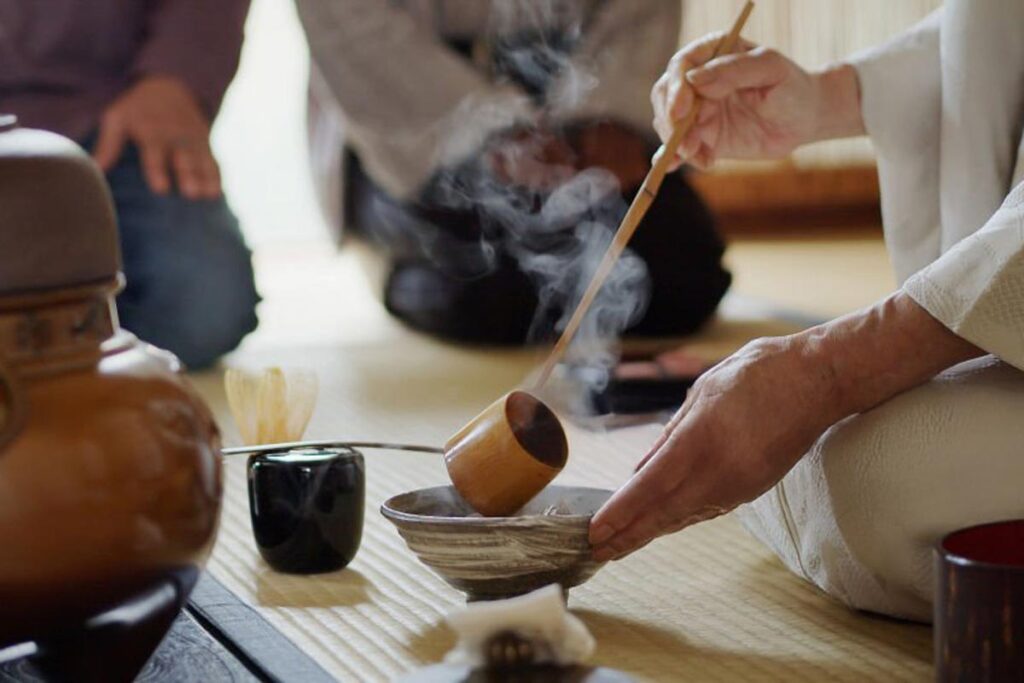
Tea Ceremony
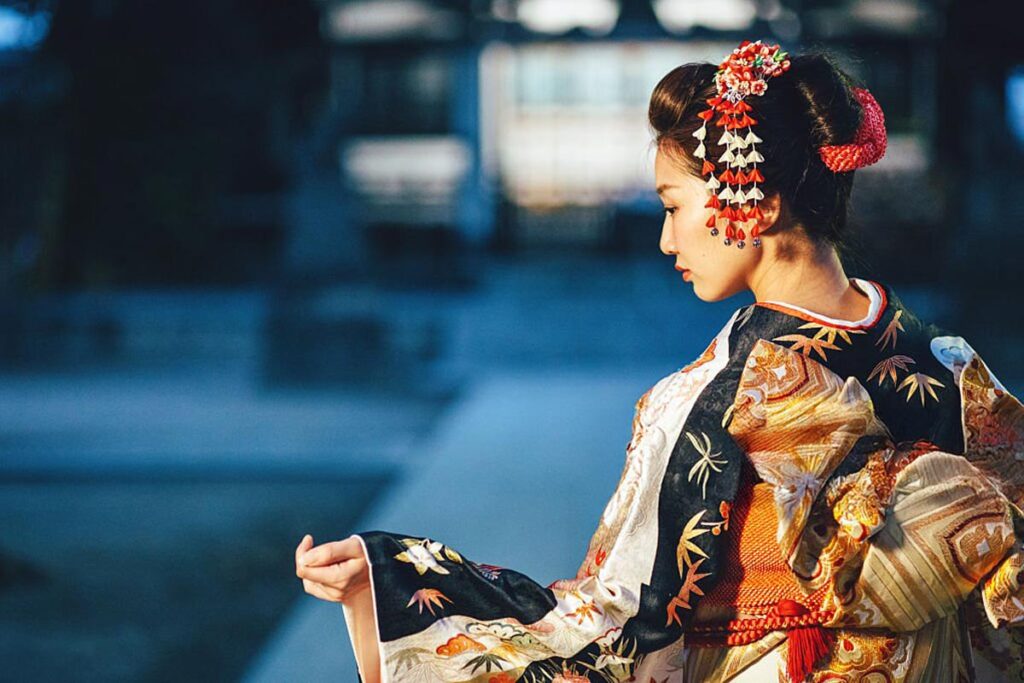
Kimono Wearing
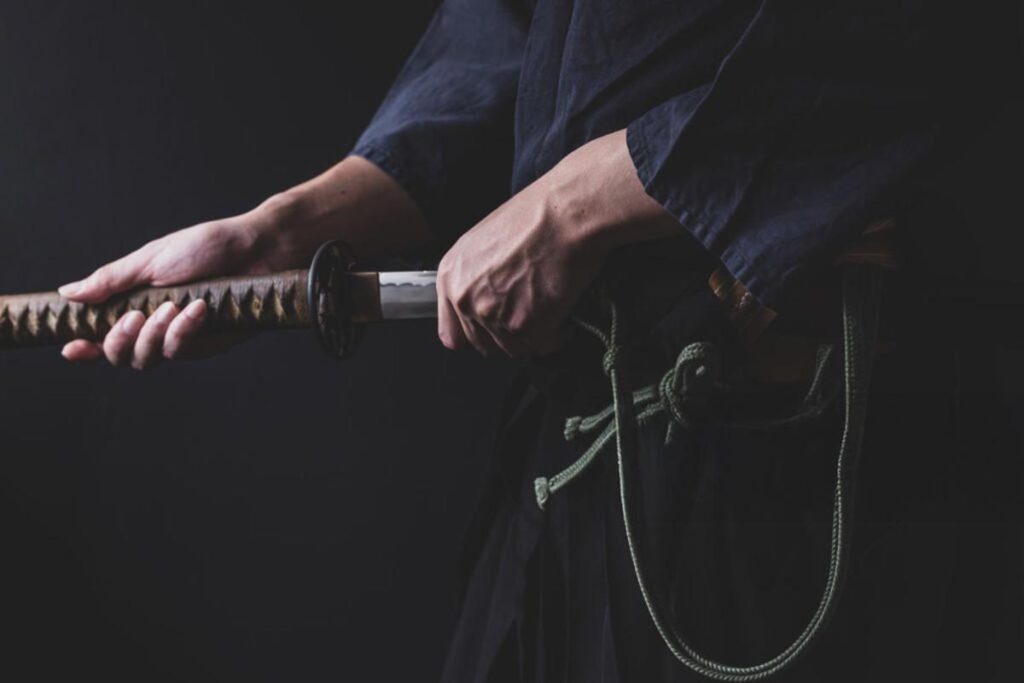
Samurai Experience
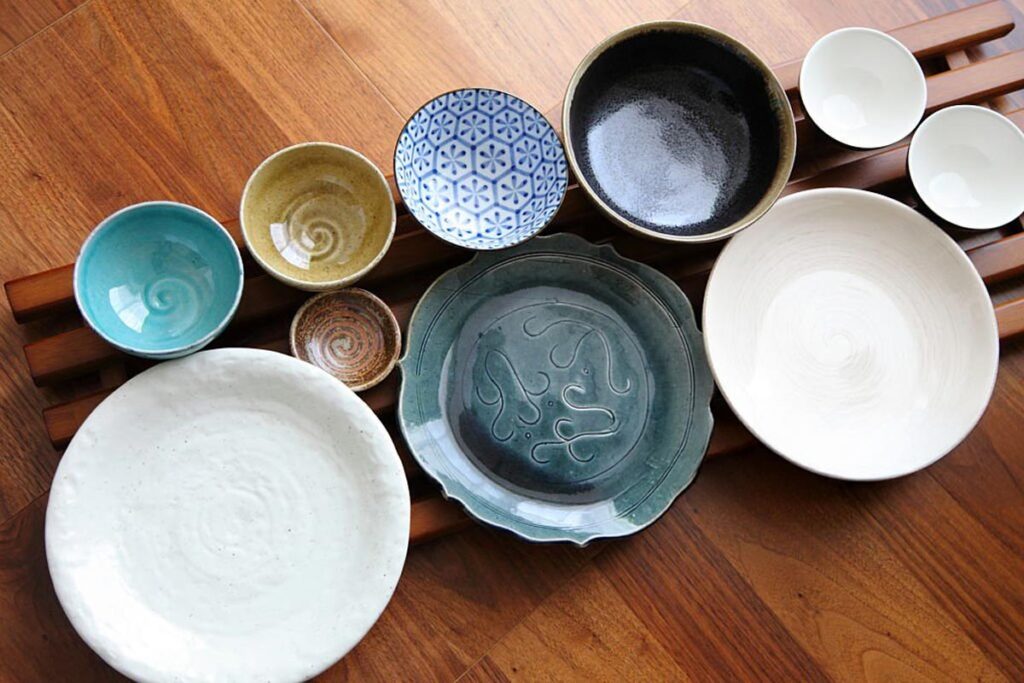
Pottery
Calligraphy
Origami Workshops
Useful Links
Traditional Tea Ceremony Experience in Tokyo
Tea Ceremony Tokyo Cha An in Shibuya
Tea Ceremony Class Experience in Kyoto