In a city famous for neon skylines and cutting‑edge technology, teamLab Planets Toyosu might be the most otherworldly experience of all. This walk-through digital art museum invites you to step barefoot into pools of water, wander through infinite mirrors, and lose yourself in fields of glowing flowers and floating lights. For many first-time visitors to Japan, it becomes one of their most unforgettable memories of Tokyo.
This guide explains what to expect, how to plan your visit, and how to make the most of this uniquely Japanese blend of digital innovation and subtle, poetic beauty.
What Is teamLab Planets Toyosu?
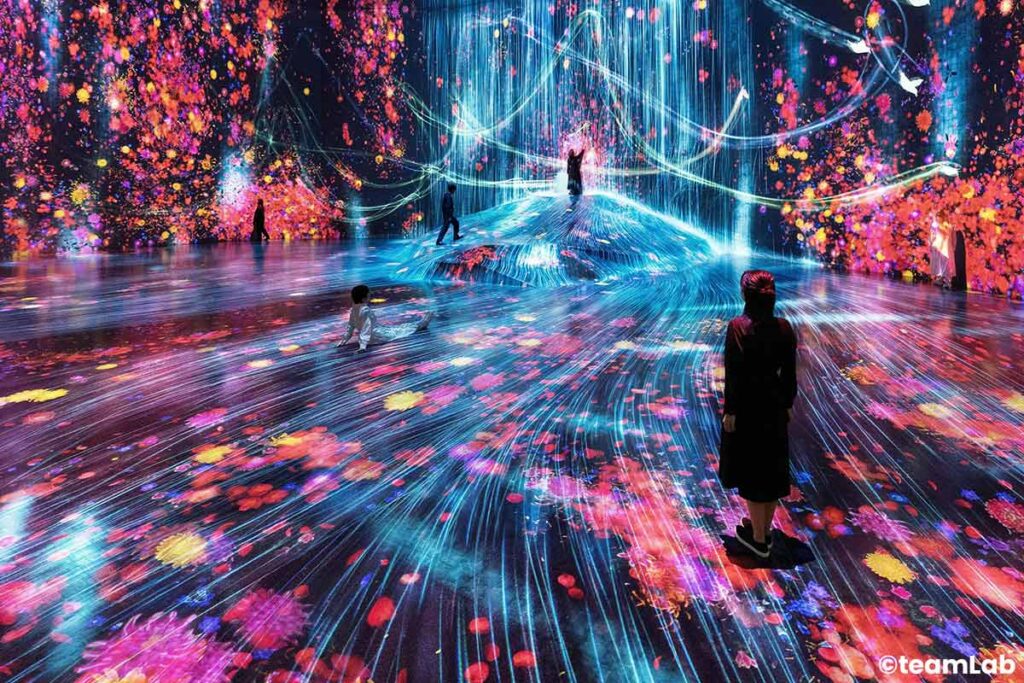
teamLab Planets is a large-scale, immersive art space in Tokyo’s Toyosu area, created by the international art collective teamLab. Rather than viewing paintings on walls, you walk through interactive digital artworks that respond to your movement, touch, and presence. The museum’s concept is “Body Immersive” – you become part of the art itself.
Unlike a traditional museum, there is a set route you follow barefoot through several darkened rooms. Each room is a different universe of light, sound, and projections: rippling water full of digital koi, endless mirrored galaxies, and floating flower gardens that shift with the seasons.
For international visitors, it feels like a physical expression of modern Japan – refined minimalism, advanced technology, and a gentle, almost meditative atmosphere that contrasts with Tokyo’s busy streets outside.
Where It Is and How to Get There
teamLab Planets is located in Toyosu, a waterfront district in Tokyo known for its modern architecture, shopping complexes, and the relocated Toyosu Fish Market.
Nearest Stations
The most convenient way to access the museum is by train:
- Shin-Toyosu Station (Yurikamome Line): About 1 minute on foot. The museum is signposted from the station; simply follow the signs or the flow of visitors.
- Toyosu Station (Yurakucho Line): Around 10–15 minutes on foot, or one stop on the Yurikamome Line to Shin-Toyosu.
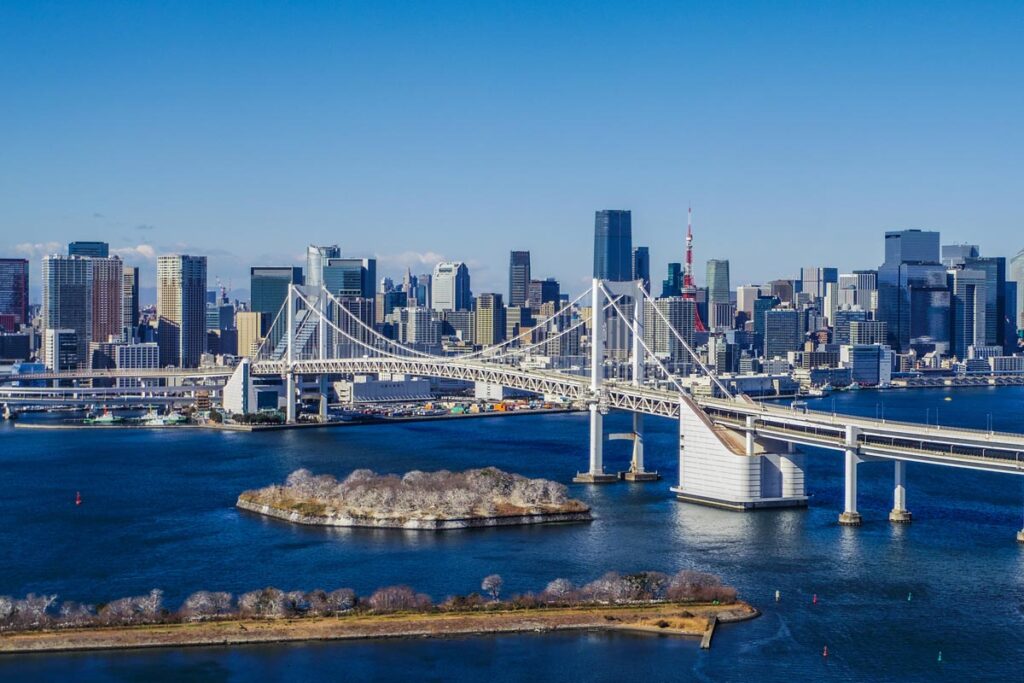
The Yurikamome Line itself is an elevated driverless train that passes through Tokyo’s bayside area. Many travelers enjoy the scenic ride over Rainbow Bridge and past Odaiba, so consider combining your visit with a longer journey on this line.
Tickets and Reservations
teamLab Planets is extremely popular, and same-day tickets often sell out during weekends and holiday periods. For a smooth visit, it is best to book in advance.
How to Buy Tickets
- Online purchase: Reserve tickets in advance on the official ticketing site or via major travel platforms. You select a specific date and entry time slot.
- Time slots: Your ticket is valid for entry within a limited time window (for example, 15–30 minutes). Once inside, you may stay as long as you like until closing.
- Peak times: Late mornings, afternoons, weekends, and Japanese public holidays tend to be most crowded. Early morning and late evening slots are usually calmer and often better for photos.
Approximate Visit Duration
Most visitors spend 60–90 minutes inside, but art lovers and photographers can easily stay two hours or more. There is no rush, and you are free to linger in each room as long as you wish.
What to Expect Inside: Walk-Through Highlights
The experience follows a set route through multiple art spaces. While installations may evolve over time, a few signature highlights define teamLab Planets.
1. Barefoot and Water: Entering Another World
Your visit begins at the entrance where you remove your shoes and socks and store them in a locker. You will be barefoot throughout the museum, and in several rooms you will walk through water that can reach up to calf height.
The combination of cool water, dark corridors, and soundscapes is designed to disconnect you from the outside world; your body senses the environment in a more direct way. This simple act of removing shoes also echoes a key aspect of Japanese culture – the distinction between the outside and inside, and the respect for shared spaces.
2. Waterfall of Light and Digital Koi
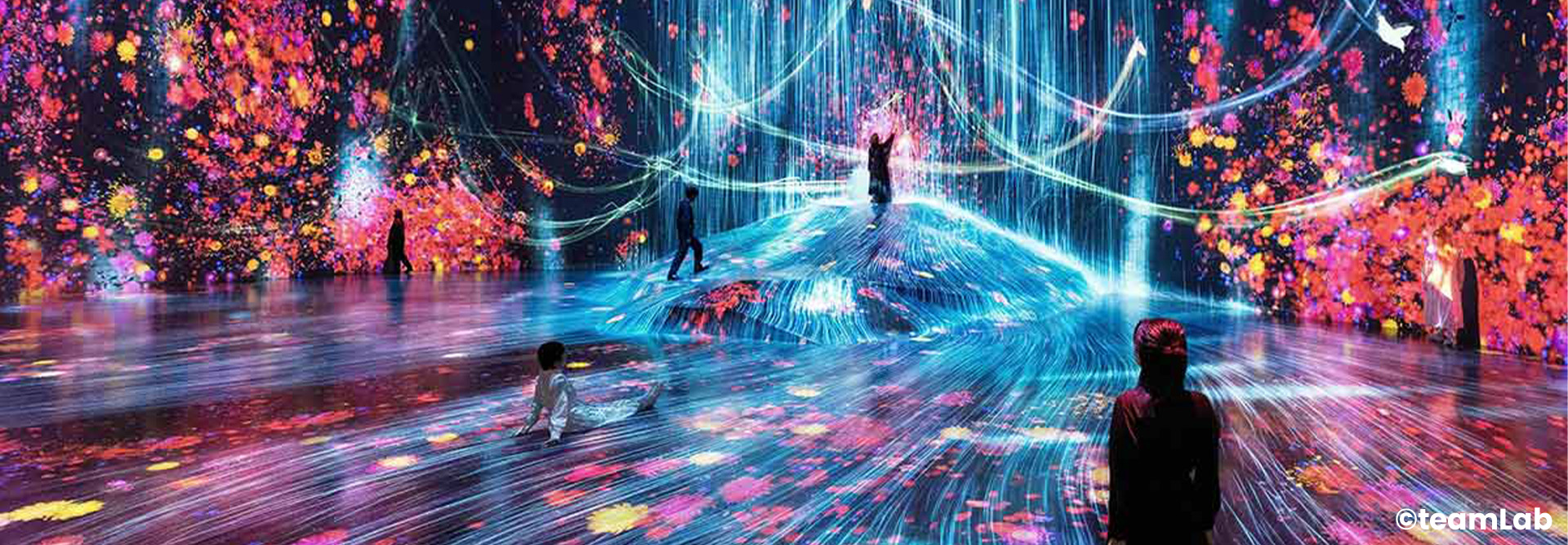
One of the most captivating rooms features a shallow pool filled with projected koi that shimmer and dart around your legs. The fish react to your movements, changing direction and transforming into bursts of flowers when they collide. The artwork continuously evolves in real time, ensuring no two visits are the same.
This room feels like walking through a living painting, combining traditional motifs (koi and blossoms) with cutting-edge projection technology. It’s a distinctly Japanese aesthetic: ephemeral, seasonal, and deeply influenced by nature.
3. Infinite Mirror Spaces
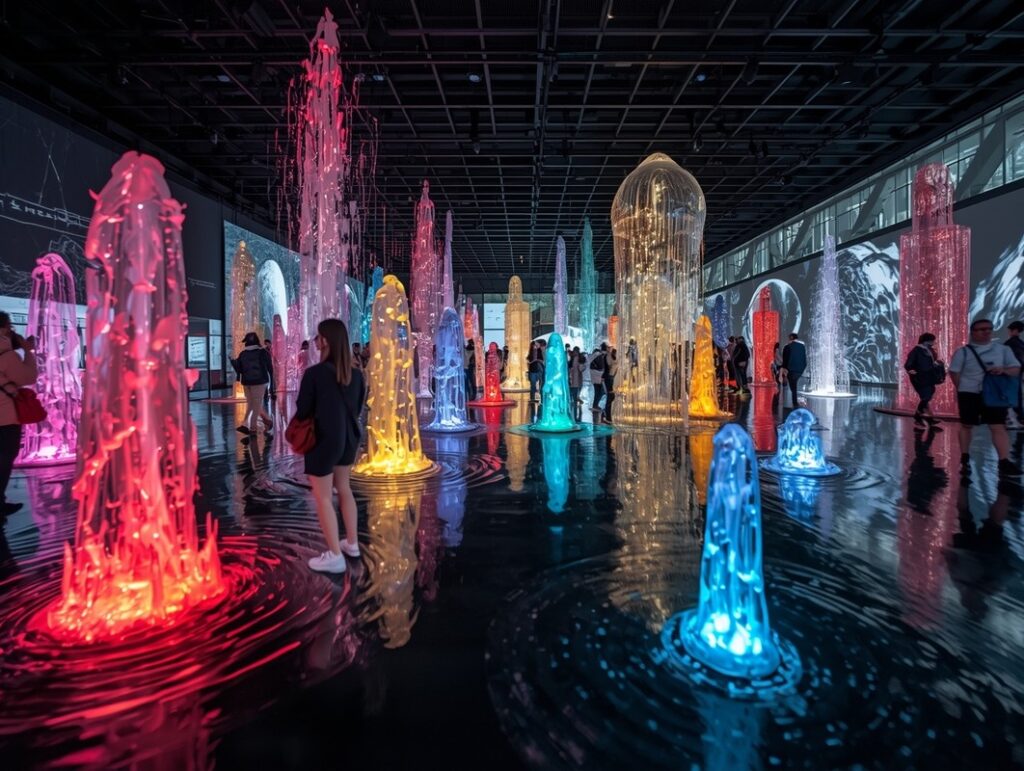
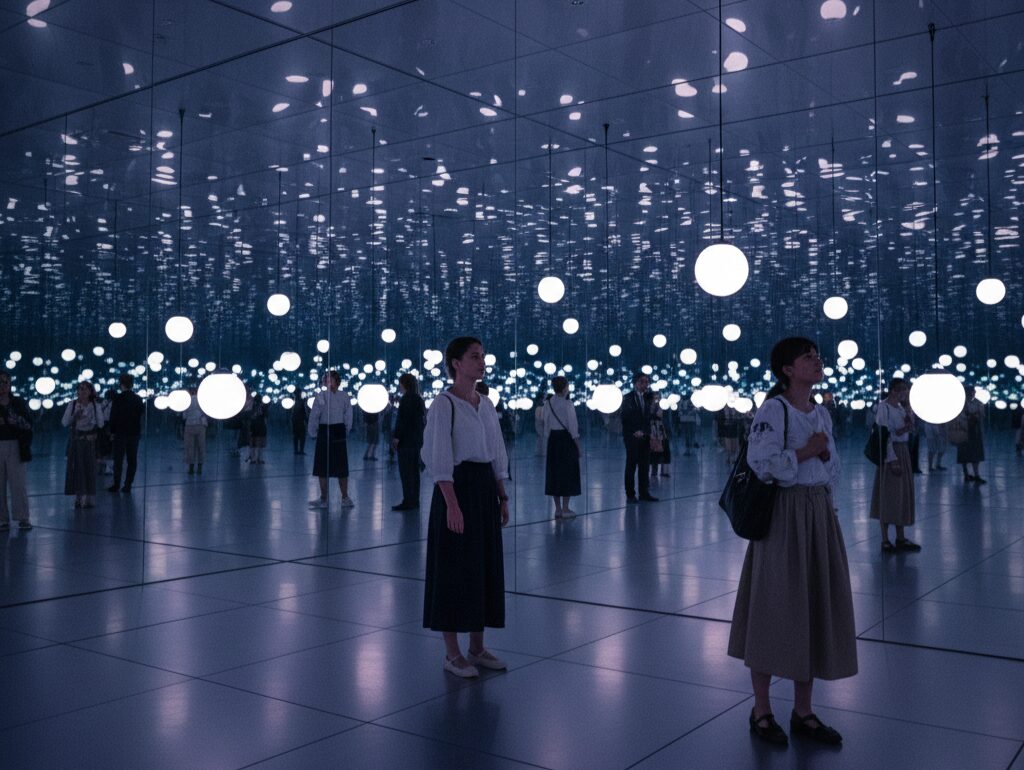
Several rooms use mirrors on floors, ceilings, and walls to create an overwhelming sense of infinity. In one space, countless light spheres change color in slow, breathing rhythms. In another, projected flowers bloom and fade endlessly around you.
The effect is immersive and disorienting in a pleasing way. You are not just looking at art; you are surrounded by it, reflected infinitely. These rooms are especially popular for photos, so expect visitors to spend time posing and waiting for the perfect moment.
4. Floating Flower Garden
In this installation, thousands of real flowers are suspended from the ceiling, creating the illusion of a floating garden. As you walk slowly through the space, the hanging flowers rise and fall, making a path around your body. Fragrance, colors, and music blend together to create a dreamlike atmosphere.
Japan’s deep cultural connection to flowers – from cherry blossoms to seasonal ikebana flower arrangements – is reflected here in a futuristic form. The space encourages mindful movement and quiet observation, much like strolling through a traditional Japanese garden.
What to Wear and Practical Tips
Because teamLab Planets is partly a water-based experience with mirrored floors, your clothing choices are important. A little preparation will make your visit far more comfortable.
Clothing Recommendations
- Shorts or trousers you can roll up: Water levels vary, but can reach up to mid-calf in some rooms. Avoid long dresses or heavy jeans that cannot be easily rolled.
- Avoid short skirts and very short dresses: Many surfaces are mirrored, including floors. To protect your privacy, it is better to wear shorts, longer skirts, or leggings.
- Comfortable, casual wear: You will walk, climb slight slopes, and possibly stand for extended periods.
Bags, Lockers, and Valuables
- Lockers: Free lockers are provided for shoes and bags. Large luggage should be stored at your hotel or in station lockers before arrival.
- What to carry: Bring only essential items – typically your smartphone or camera and perhaps a small handkerchief or towel.
- Water contact: While the water is shallow, be careful not to drop phones or cameras. Wrist straps can be helpful.
Accessibility and Safety
The museum includes dark spaces, uneven floors, slopes, and water areas. Visitors with mobility concerns or small children should check the latest accessibility information in advance. Staff are present throughout the route and can provide help if needed.
For visitors who are sensitive to flashing lights, reflections, or enclosed dark spaces, be aware that some areas may feel intense or overwhelming. You are always free to move to the next room if you feel uncomfortable.
Photography Tips for teamLab Planets
Photography is a major part of the experience, and the artworks are designed to be visually striking from every angle. However, a few simple tips can improve both your photos and your enjoyment.
- Smartphones are enough: The lighting is low, but modern phones handle this well. A DSLR is not necessary and can be cumbersome – plus, bulky tripods are not allowed.
- Disable flash: Flash ruins the atmosphere and may disturb others. The artworks are designed to be photographed with available light.
- Protect your device near water: Use a good grip and avoid holding your phone directly over the water surface.
- Be considerate: Many people want photos in the most popular rooms. Take your shots, then step aside so others have a chance.
Remember, it is easy to spend the entire visit behind a lens. Allow yourself time just to stand, listen, and experience the installations without photographing them.
When to Visit: Seasons and Timing
teamLab Planets is indoors and can be enjoyed in any season, making it a useful attraction during rainy days, hot summers, or chilly winters in Tokyo.
Best Time of Day
- Early morning: Usually quieter, with shorter waiting times between rooms.
- Late evening: A romantic or contemplative atmosphere, especially after dark, and often less crowded than mid-afternoon.
Weekdays are generally less busy than weekends and Japanese public holidays. If your schedule is flexible, aim for a weekday morning or late evening slot.
Cultural Context: The Spirit Behind the Lights
At first glance, teamLab Planets may seem like a high-tech Instagram playground. But beneath the digital shimmer lies an approach deeply connected to Japanese aesthetics and philosophy.
- Nature reimagined: Many installations reinterpret natural themes such as flowers, water, and animals. This echoes centuries of Japanese art that celebrates the seasons and the impermanence of beauty.
- No boundaries: Traditional Japanese architecture and gardens often blur divisions between inside and outside, man-made and natural. Similarly, teamLab’s works erase the boundary between viewer and artwork; your body and motion become part of the piece.
- Collective experience: The art responds not only to you but to everyone in the room. This shared interaction reflects a subtle emphasis on community and harmony, familiar in many aspects of Japanese life.
For first-time travelers to Japan, visiting teamLab Planets can offer insight into how tradition and innovation coexist side by side – a core feature of contemporary Japanese culture.
Combining teamLab Planets with Nearby Sights
Toyosu and the surrounding bayside area offer several other attractions that pair well with a visit.
- Toyosu Market: Famous as the modern home of Tokyo’s wholesale fish auctions. Even if you skip the early-morning tuna auctions, you can visit during the day for fresh sushi and observation decks.
- Odaiba: Just a few stops away on the Yurikamome Line, Odaiba is a popular entertainment district with shopping malls, waterfront parks, and views of Rainbow Bridge and Tokyo Tower.
- Shopping and dining: The Toyosu area features large shopping complexes and casual restaurants, making it convenient to combine your museum visit with a meal before or after.
Essential Visitor Information
Before you go, keep these practical points in mind:
- Language: Staff can usually assist in basic English, and signs are often bilingual. The experience is mostly visual and intuitive, so language barriers are minimal.
- Children: Many children enjoy the interactive elements, but the dark spaces and water may be overwhelming for some. Keep a close eye on younger visitors.
- Food and drink: Eating and drinking are not allowed inside the artwork spaces. Plan to eat before or after your visit.
- Restrooms: Use the restrooms before entering the route, as you will follow a mostly one-way path.
Why teamLab Planets Belongs on Your Japan Itinerary
For first-time travelers to Japan, teamLab Planets Toyosu offers more than just eye-catching photos. It is a rare chance to experience an art form that exists around you, not just in front of you – a fusion of digital technology, Japanese aesthetics, and physical sensation.
In a single visit, you can wade through starlit water, wander an infinite mirrored universe, and walk slowly through a garden of floating flowers. Step outside again, and Tokyo’s everyday train lines and office towers feel subtly transformed, as if a layer of invisible light still follows you.
If your Japan itinerary includes only one contemporary art experience, teamLab Planets Toyosu is a compelling choice – immersive, accessible, and uniquely of its place and time.