




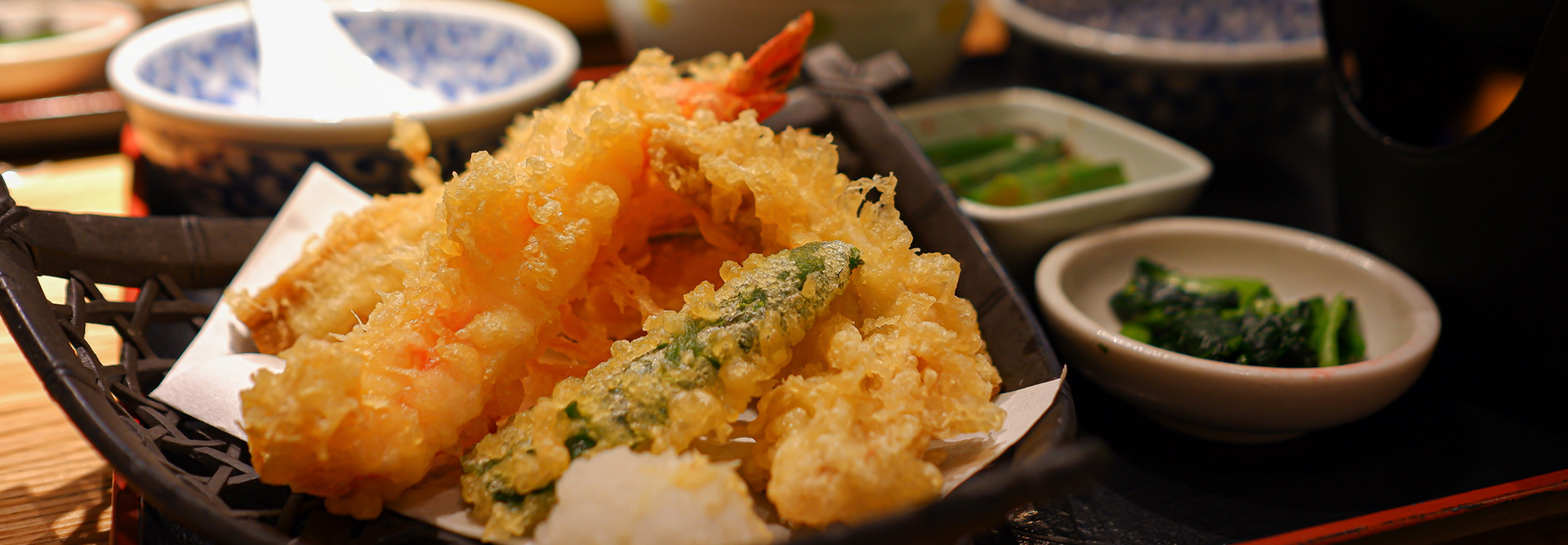
Tempura
Tempura in Japan: How to Enjoy This Classic Dish Like a Local
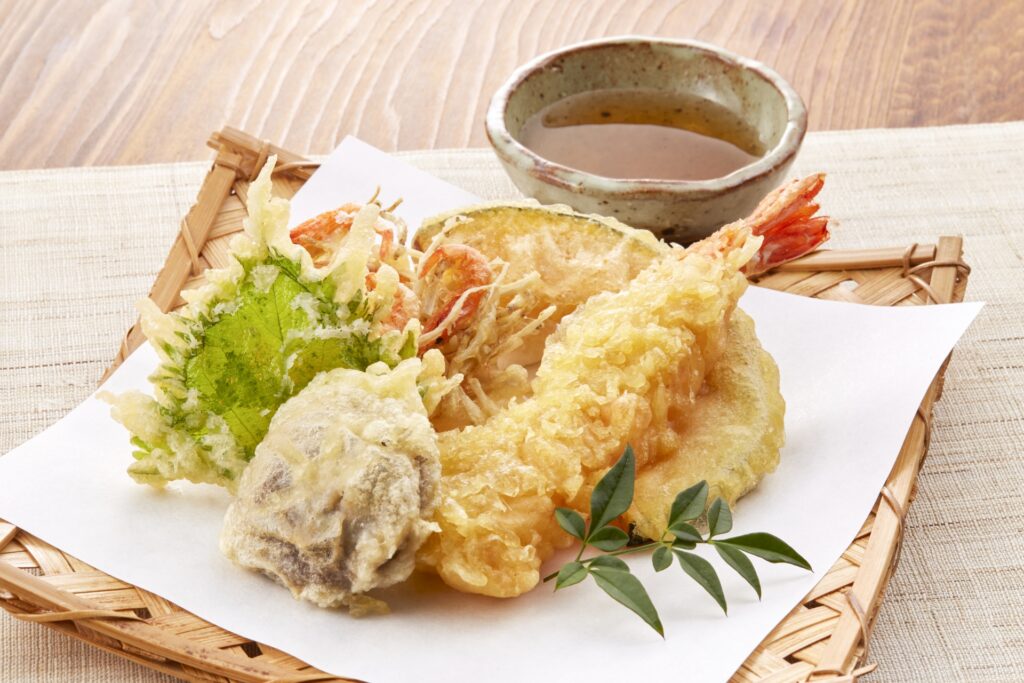
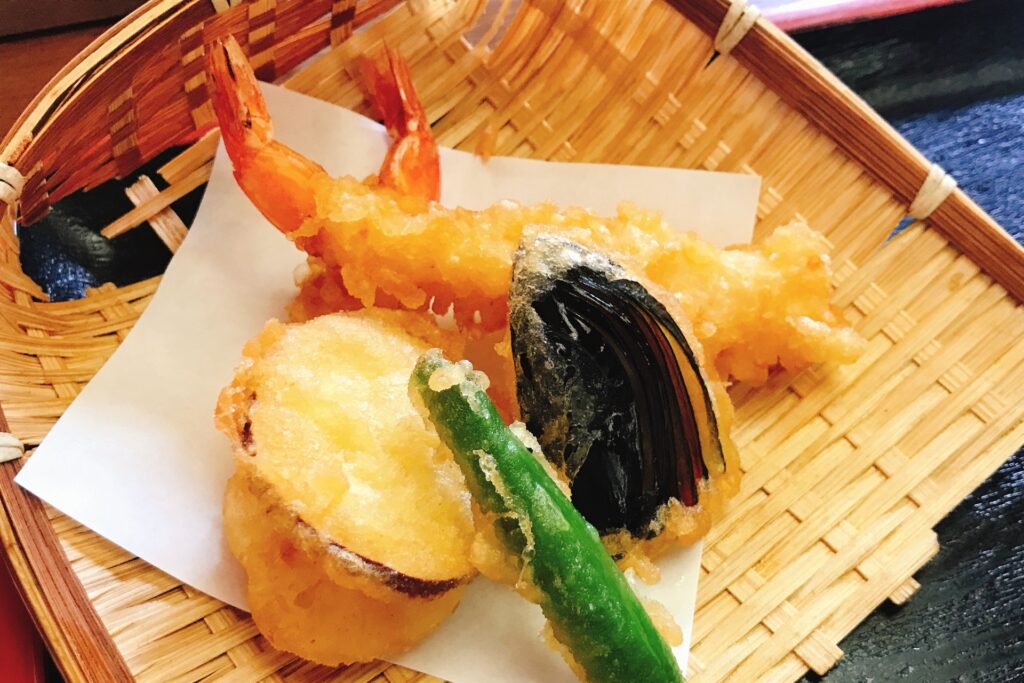
If you are visiting Japan for the first time, you will quickly discover that tempura is far more than just “fried seafood and vegetables.” It is a refined cooking style, a piece of culinary history, and one of the easiest traditional dishes for international visitors to enjoy. Light, crisp, and surprisingly delicate, tempura is the perfect introduction to Japanese food culture even if you are not an adventurous eater.
This guide explains what tempura is, how to order it, the best ways to eat it, and where to find excellent tempura during your trip to Japan.
What Is Tempura?
Tempura is a dish in which seafood, vegetables, or sometimes meat are coated in a very light batter and quickly deep-fried in hot oil. When done well, the batter is thin, crisp, and almost airy, without feeling heavy or greasy. The focus is on enhancing the natural flavor of the main ingredient, not hiding it.
The batter is usually made from wheat flour, water, and sometimes egg. It is mixed lightly so that a few small lumps remain; this prevents gluten from forming and keeps the coating delicate. Ingredients are typically fried in sesame, canola, or blended vegetable oil at a carefully controlled temperature.
A Brief History of Tempura in Japan
Tempura may feel deeply Japanese, but its roots actually trace back to the 16th century, when Portuguese missionaries and traders arrived in southern Japan. They introduced a style of frying food in batter, which the Japanese adapted, refined, and eventually turned into today’s elegant tempura.
Over time, tempura became popular with the common people of Edo (old Tokyo), often sold at street stalls. Workers would grab a quick bowl of tempura over rice, the ancestor of today’s tendon (tempura rice bowls). In modern Japan, tempura ranges from casual family restaurants to high-end specialty counters where chefs fry each piece to order in front of you.
Common Types of Tempura to Try
Even if you are new to Japanese food, there are many tempura ingredients that feel familiar. Here are some of the most common and beginner-friendly options:
Seafood Tempura
Ebi (Shrimp)
Probably the most iconic tempura ingredient. Large shrimp are butterflied, lightly battered, and fried until the coating turns pale golden. This is usually the safest choice for first-timers.
Kisu (Japanese whiting)
A small white fish with very mild flavor and tender flesh. If you like light fish and chips, you will likely enjoy kisu tempura.
Anago (Saltwater eel)
Less rich than the grilled eel (unagi) popular outside Japan. Anago tempura is fluffy inside, crisp outside, and often served as a long piece that hangs over your bowl or plate.
Squid and scallops
Squid (ika) becomes soft and slightly chewy, while scallops (hotate) stay juicy. Both are common in mixed tempura assortments.
Vegetable Tempura
Kabocha (Japanese pumpkin)
Sweet, dense pumpkin slices wrapped in a crisp shell. This is one of the most popular vegetable tempura pieces and is especially good in the cooler months.
Nasu (Eggplant)
Eggplant absorbs flavor beautifully. In tempura form it becomes silky inside while remaining crisp on the outside.
Shishito and green beans
Small green peppers and beans are lightly bitter, with a pleasant contrast to the batter. Shishito is usually mild, with only the occasional spicy one.
Sweet potato, lotus root, and mushrooms
Sweet potato adds gentle sweetness, lotus root offers a satisfying crunch, and mushrooms bring rich umami. These often appear in assorted platters.
Other Tempura Ingredients
In some restaurants you will also find tempura made from seaweed, herbs, soft-boiled eggs, and even seasonal specialties like bamboo shoots in spring or wild mountain vegetables in early summer. High-end tempura counters often highlight these seasonal ingredients as a way to showcase Japan’s changing seasons on your plate.
How Tempura Is Served in Japan
Tempura is not just a single dish; it appears in several different forms across Japan. Understanding the basic styles will help you choose a meal that suits your schedule, budget, and appetite.
Tempura Teishoku (Set Meal)
A teishoku set typically includes a plate of assorted tempura, a bowl of rice, miso soup, pickles, and sometimes a small side dish. This is a great, well-balanced lunch or dinner option and is common at specialty restaurants and casual eateries alike.
Tendon (Tempura Rice Bowl)
Tendon is short for tempura donburi—a bowl of rice topped with tempura and drizzled with a sweet-salty sauce. Shrimp and vegetables are the standard topping, but some shops also offer eel, fish, or large prawn versions. Tendon is filling, quick, and usually more affordable than a full course meal.
Tempura with Soba or Udon
Tempura and noodles are a classic pairing. You may see:
- Tempura soba/udon: Hot noodle soup with tempura on top or served on the side.
- Ten-zaru soba: Chilled buckwheat noodles with a side of tempura, popular in warmer months.
This is a popular lunch choice and easy to order even if you do not speak Japanese.
Omakase Tempura Course
At higher-end tempura specialty restaurants, you can enjoy an omakase (chef’s choice) course. You sit at the counter while the chef fries each piece individually and serves it to you one at a time, starting with lighter flavors like shrimp and white fish and moving towards stronger or richer ingredients.
This style focuses on seasonality and timing: each piece should be eaten as soon as it is placed in front of you. It is an excellent way to experience the precision and hospitality of Japanese dining.
How to Eat Tempura: Sauces, Salts, and Etiquette
Tempura is simple to enjoy, but there are a few customs that can make your experience feel more authentic.
Tempura Sauce and Grated Daikon
Most restaurants serve tempura with a light dipping sauce called tentsuyu. It is usually made from dashi (a Japanese stock), soy sauce, and mirin (a mildly sweet rice wine). Alongside the sauce, you will often receive a small mound of grated daikon radish.
To enjoy it in the typical Japanese way, use your chopsticks to place a little daikon into the sauce, then dip each piece of tempura briefly before eating. The daikon adds freshness and helps cut through any oiliness, making the dish feel lighter.
Salt and Seasoning
Some restaurants also offer flavored salts—plain sea salt, matcha salt, or citrus salt, for example. Lightly dipping a piece of tempura in salt lets you taste the pure flavor of the ingredient without the sweetness of the sauce. Delicate items like shrimp or white fish are often excellent with just a pinch of salt.
Chopstick Etiquette
It is perfectly acceptable to eat tempura with chopsticks, and in very casual settings you may see people picking up larger pieces with their hands, especially in rice bowls. Try to avoid leaving your chopsticks sticking upright in your rice (this resembles a funeral ritual) and do not pass food from chopstick to chopstick.
In an omakase setting, the chef may give simple instructions like “salt only” or “with sauce” for certain pieces. Following these suggestions will help you enjoy each ingredient as intended.
Where to Eat Tempura in Japan
You can find tempura all over Japan, from simple counters in train stations to Michelin-starred restaurants. For a first-time visitor, these types of places are the most convenient and approachable.
Specialty Tempura Restaurants
Look for restaurants with “tempura” or “tenshoku” in the name. Many offer both set meals and omakase courses. In major cities like Tokyo, Osaka, and Kyoto, you will find traditional counters where chefs work behind glass or at an open kitchen. These venues are ideal if you want tempura as the main focus of your meal.
Reservations are recommended for popular or high-end spots, especially on weekends or during peak travel seasons such as cherry blossom time (March–April) and autumn foliage (November).
Casual Chains and Department Store Restaurants
Large Japanese cities have many casual tempura chains and family restaurants that serve tendon, tempura sets, and noodle combinations at reasonable prices. Department store restaurant floors—usually on the top levels of major buildings near train stations—are also good places to find approachable tempura meals with picture menus.
These venues are particularly useful if you are still getting used to Japanese cuisine or traveling with children and picky eaters.
Noodle Shops and Standing Bars
Train station noodle stands and small soba or udon shops often offer a simple piece of shrimp or vegetable tempura to top your bowl of noodles. At standing-only counters, you order and pay at the machine or register first, then hand your ticket to the staff.
This is one of the quickest and most budget-friendly ways to enjoy tempura in everyday Japanese life—and it offers a glimpse into the routines of local commuters.
How to Order Tempura Without Speaking Japanese
Ordering tempura is relatively straightforward, even if you do not read Japanese. Here are some tips:
- Look for display models: Many restaurants have realistic plastic food displays in the window. You can point to the item you want if language is a barrier.
- Use set meals: Ask for “tempura set” or “tendon” if you are unsure. These are standard terms and often printed in English on menus in tourist areas.
- Ticket machines: At casual shops, you may order by vending machine. Look for buttons with pictures of tempura bowls or the word “ten-don” or “tempura soba.”
- Dietary concerns: If you do not eat seafood, you can say “yasai tempura” (vegetable tempura). Note that the oil may still be shared with seafood items.
When and How Much: Prices and Portions
Tempura can be as simple or as luxurious as you like, so prices vary widely:
- Budget: A basic tempura soba or tendon at a casual shop can start from around 700–1,200 yen.
- Mid-range: A set meal at a dedicated tempura restaurant might range from 1,500–3,000 yen at lunch, slightly higher at dinner.
- High-end: An omakase counter experience with seasonal ingredients can cost 8,000 yen and up, especially in major cities.
Tempura is available year-round, but the ingredients change with the seasons. Spring brings mountain vegetables and bamboo shoots, summer highlights lighter seafood and fresh herbs, autumn features mushrooms and root vegetables, and winter often focuses on rich fish and sweet vegetables. If you see a seasonal recommendation on the menu, it is usually worth trying.
Tips for Enjoying Tempura Like a Local
- Eat while it is hot: Tempura tastes best just after it is fried. Try not to let it sit too long, especially at a counter where pieces arrive one by one.
- Use light dipping: A brief dip into sauce is enough. Soaking the tempura can make it soggy and hide the delicate flavor.
- Balance your meal: Combine fried items with rice, miso soup, and pickles to create a more balanced, less heavy meal.
- Try a mix: Order both seafood and vegetables to experience the contrast in textures and flavors.
Why Tempura Is Ideal for First-Time Visitors to Japan
For many international travelers, tempura is one of the most approachable Japanese dishes. It uses familiar ingredients like shrimp, fish, and vegetables in a comforting fried style, while still showcasing the precision, seasonality, and aesthetics that define Japanese cuisine.
Whether you grab a quick tendon between sightseeing spots or book a counter seat at a famous Tokyo restaurant, taking time to enjoy tempura offers you a delicious, authentic connection to Japan’s food culture. On your first trip, it is well worth making at least one meal all about this crisp, golden classic.