

Tenryu-ji
Tenryu-ji Temple: A First-Timer’s Guide to Kyoto’s Zen Masterpiece
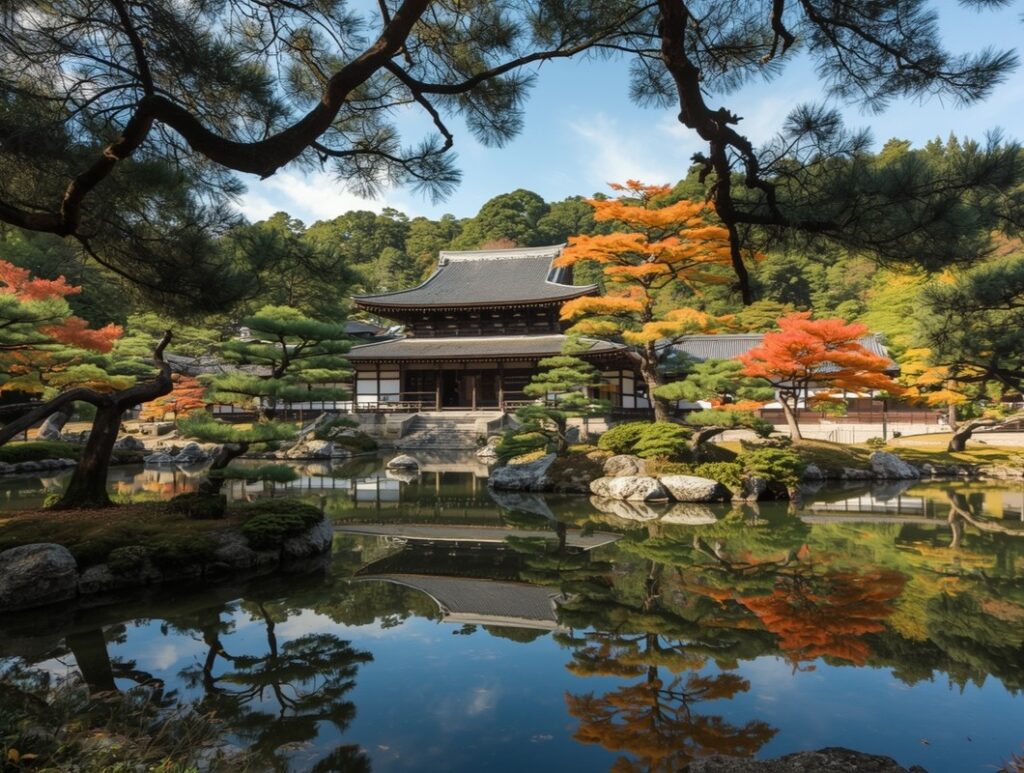
Photos are for illustrative purposes only.
For many first-time visitors to Japan, Kyoto is the place where their image of traditional Japan finally comes to life: wooden temples, stone paths, maple leaves, and the quiet rustle of bamboo. Tenryu-ji, one of Kyoto’s most important Zen temples, brings all of these elements together in a single, unforgettable visit.
Located in the scenic Arashiyama district on the western edge of Kyoto, Tenryu-ji is both a UNESCO World Heritage Site and the head temple of the Rinzai Zen sect’s Tenryu-ji school. Yet despite its lofty status, it remains approachable and easy to enjoy, even if it’s your very first day in Japan.
Why Visit Tenryu-ji on Your First Trip to Japan?
Tenryu-ji is often one of the first major temples foreign travelers encounter, especially if they’re combining a visit with Arashiyama’s famous bamboo grove. It works brilliantly as an introduction to several core aspects of Japanese culture:
- Zen Buddhism in practice: Tenryu-ji is an active temple, not a museum. Monks live, train, and chant here, and the gardens are designed as tools for meditation.
- Classic Japanese garden design: Its iconic pond garden is one of Kyoto’s finest examples of a “strolling garden,” meant to be appreciated from multiple viewpoints.
- Seasonal beauty: Cherry blossoms in spring, lush greenery in summer, fiery maples in autumn, and crisp, clear light in winter make Tenryu-ji worth visiting at any time of year.
- Easy access to Arashiyama highlights: From Tenryu-ji, you can walk directly into the bamboo grove and explore the nearby river, bridges, and small streets filled with shops and cafés.
A Brief History of Tenryu-ji
Tenryu-ji was founded in 1339 by the shogun Ashikaga Takauji to honor Emperor Go-Daigo. At the time, Japan was transitioning from imperial to military rule, and the temple symbolized both political power and spiritual devotion. Its name can be translated as “Temple of the Heavenly Dragon,” a reference to a legendary dragon said to have appeared in a dream above the nearby river.
Like many temples in Kyoto, Tenryu-ji has suffered numerous fires and wars. Most of its buildings today date from the late 19th and early 20th centuries. However, the garden layout, attributed to the famous Zen monk and garden designer Muso Soseki, retains its original 14th-century design. This continuity of the landscape over centuries is part of what earned Tenryu-ji its UNESCO World Heritage status.
Highlights of Tenryu-ji
1. Sogenchi Pond Garden
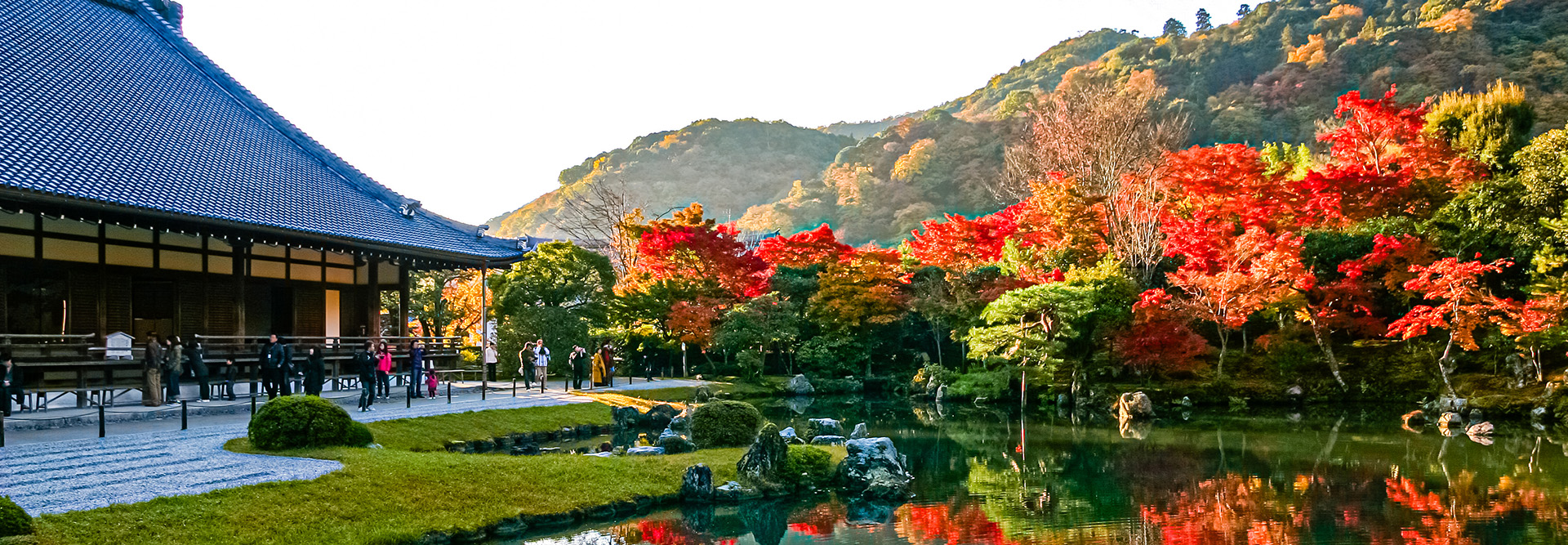
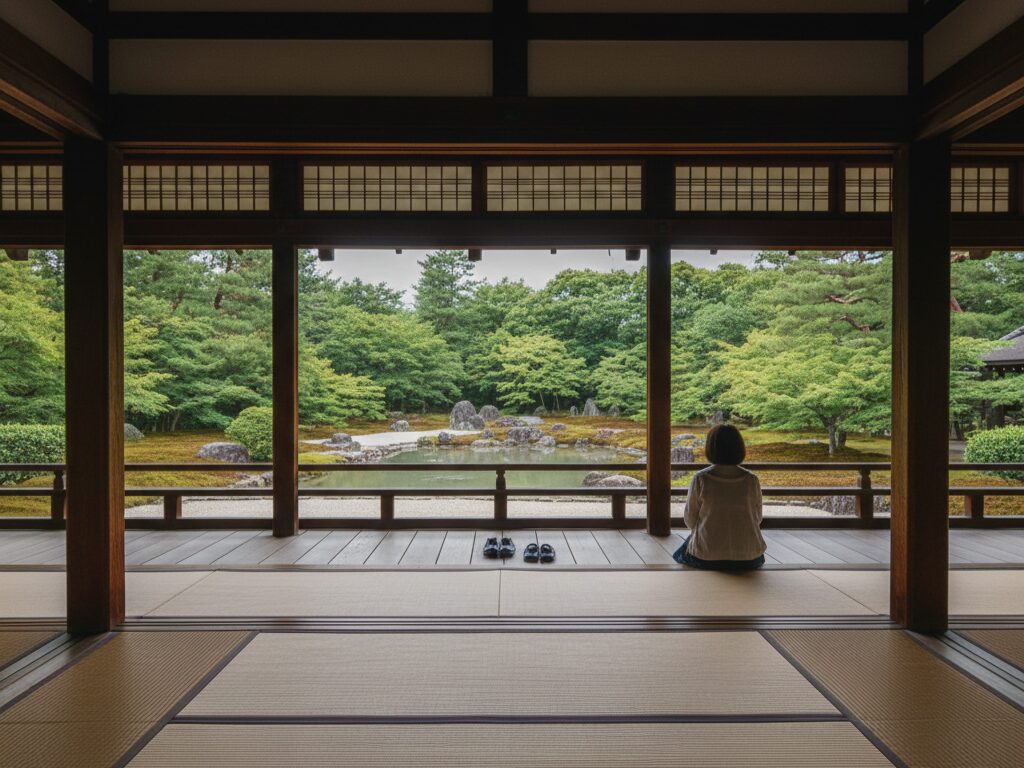
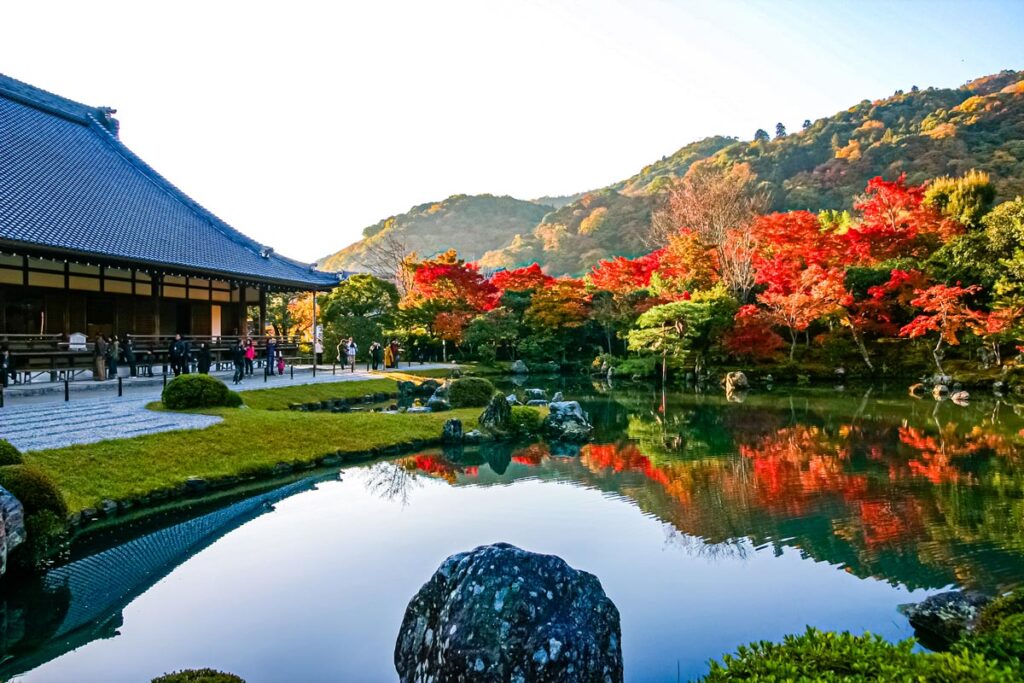
The heart of Tenryu-ji is the Sogenchi Pond Garden, a classic chisen-kaiyū-shiki (pond-strolling) garden. It is officially designated a Special Place of Scenic Beauty by the Japanese government.
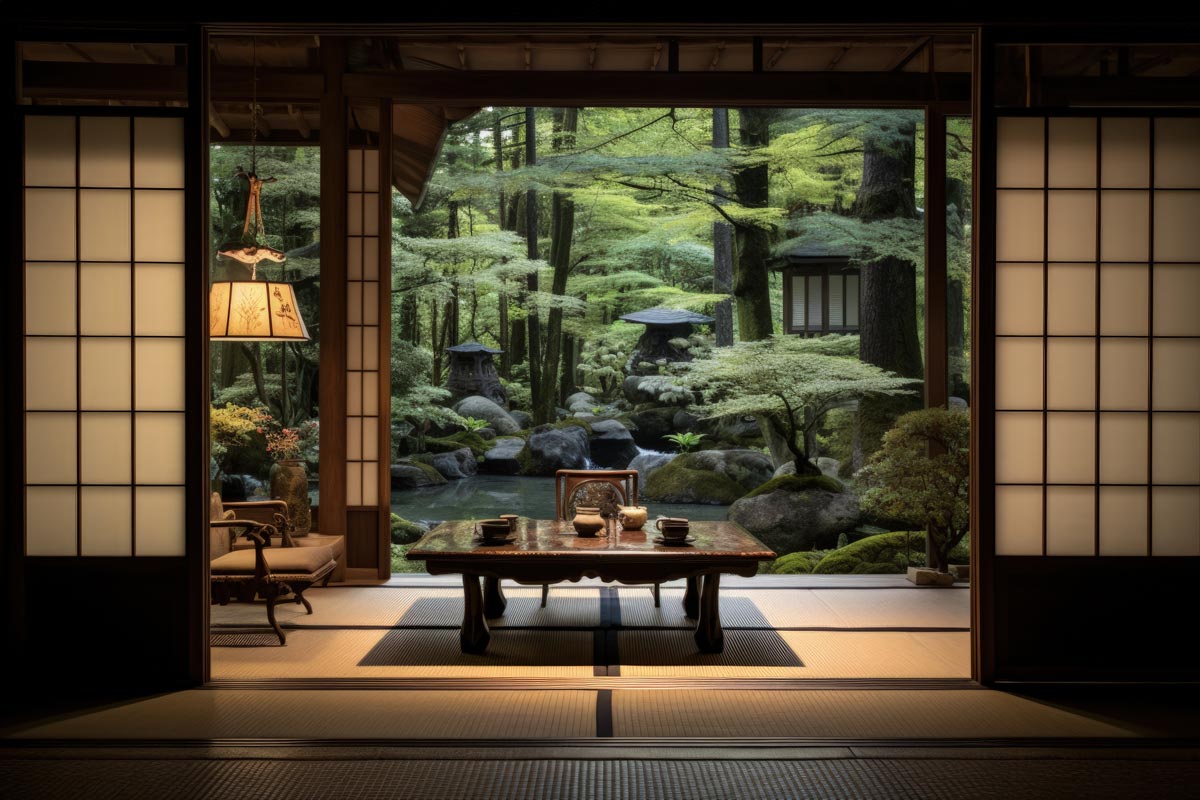
From the veranda of the temple’s main hall, you look out over a mirror-like pond framed by carefully placed rocks, pine trees, and maple trees, with the forested Arashiyama hills forming a natural backdrop. This view has remained essentially unchanged since the 14th century, allowing you to see almost exactly what Zen monks saw hundreds of years ago.
As you walk the path around the pond, the scene gradually shifts: a stone island appears, a waterfall comes into view, and reflections in the water change with every few steps. This deliberate choreography of changing perspectives is a key feature of Japanese garden design.
2. Hojo (Main Hall) and Verandas
The Hojo, or main hall, is a quiet space featuring tatami mats, sliding doors, and wide verandas overlooking the pond. Many visitors choose to sit here for a few minutes—or much longer—and simply watch the garden.
Removing your shoes is required before entering the buildings, so wear socks in good condition. Once inside, move quietly and avoid loud conversations. The atmosphere is intentionally calm; it’s meant to encourage reflection, even if you’re new to meditation.
3. Strolling Paths and Sub-temples
Beyond the main garden, Tenryu-ji’s grounds extend into smaller paths, stone steps, and sub-temples. While not all sub-temples are always open to the public, simply walking around the precincts reveals moss gardens, small shrines, and quiet corners where you may find yourself almost alone.
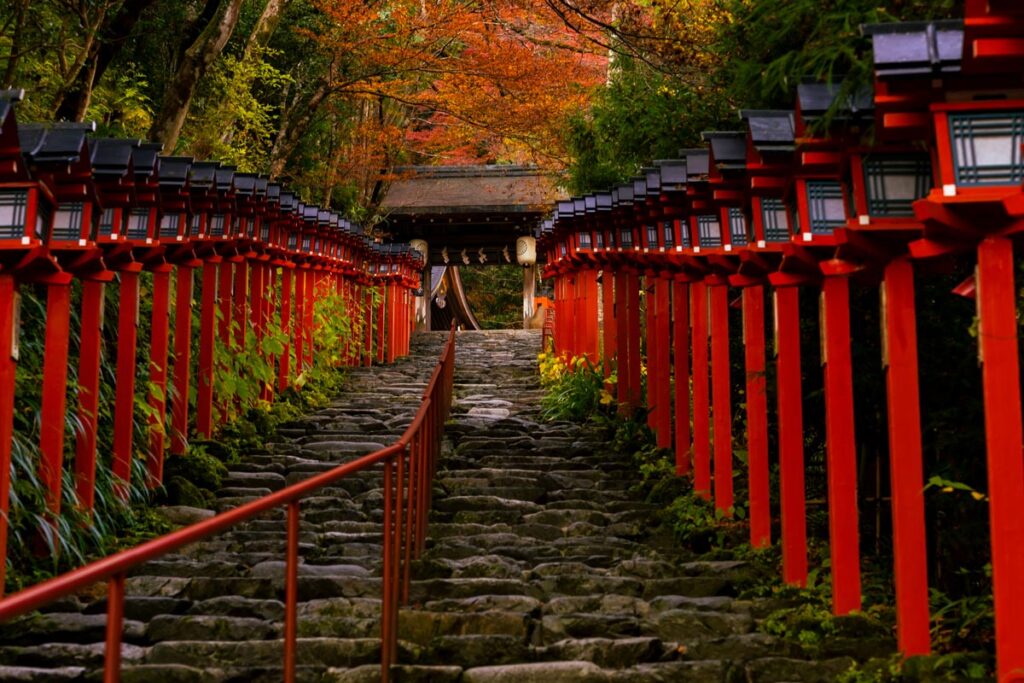
The walking paths offer slightly elevated viewpoints over the pond and the surrounding hills. If you’re visiting during autumn foliage season, these are some of the best spots for photography.
4. Gateway to the Bamboo Grove
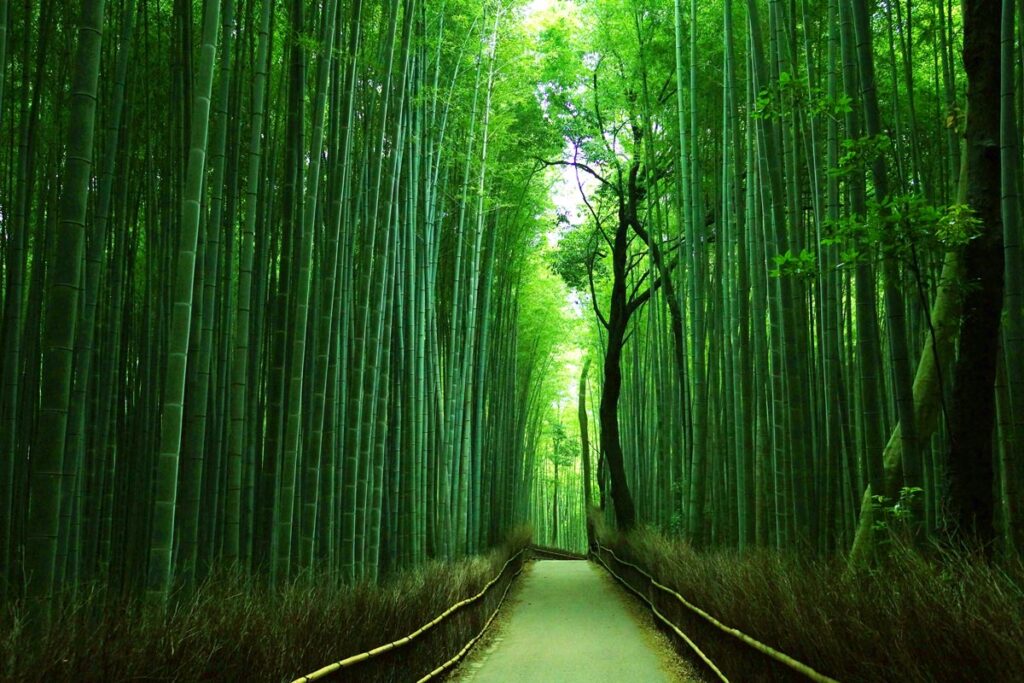
One of the most practical reasons to include Tenryu-ji in your itinerary is that its north gate opens directly into the famous Arashiyama bamboo grove. By entering the grove from within the temple, you can experience a calmer stretch of bamboo before merging with the main path.
The tall stalks swaying in the wind create a unique soundscape and light pattern. Early morning or late afternoon tends to be less crowded and more atmospheric.
Best Time to Visit Tenryu-ji
Tenryu-ji is beautiful year-round, but the experience changes noticeably with the seasons. Since many first-time visitors to Japan plan around cherry blossoms or autumn leaves, it helps to know what to expect:
- Spring (late March to mid-April): Cherry blossoms bloom around the pond and in the surrounding Arashiyama area. This is peak travel season, so expect crowds and consider arriving right at opening time.
- Summer (June to August): The garden becomes intensely green. Early morning visits are recommended to avoid midday heat and humidity.
- Autumn (late October to early December): Maples around the pond and on the hills turn brilliant shades of red and gold. This is arguably the most photogenic season.
- Winter (December to February): A dusting of snow, when it occurs, gives the garden a stark, quiet beauty. Fewer visitors mean more space and silence.
Weekdays are generally less busy than weekends and national holidays. For the most peaceful experience, aim to arrive around opening time in the morning.
How to Get to Tenryu-ji
Tenryu-ji is in the Arashiyama district of western Kyoto. It’s easy to reach by public transport from central Kyoto:
- From Kyoto Station: Take the JR Sagano Line (also called the Sanin Line) to Saga-Arashiyama Station (about 15 minutes). From there, it’s around a 10–15-minute walk to Tenryu-ji.
- From central Kyoto (Kawaramachi/Shijo area): Take the Hankyu Line to Arashiyama Station (with a transfer at Katsura). Walk about 10–15 minutes through Arashiyama’s streets toward the temple.
- By tram: The Keifuku (Randen) tram line stops at Arashiyama Station, only a short walk from Tenryu-ji. This is a charming, slower option that feels very local.
Once in Arashiyama, Tenryu-ji is well signposted in English. The main entrance is near the busy central street leading to the Togetsukyo Bridge. After exploring the temple, you can exit via the north gate into the bamboo grove.
Tickets, Opening Hours and Practical Information
Information such as prices and opening hours can change, but typically you can expect:
- Opening hours: Usually from early morning (around 8:30) until late afternoon. Last entry is typically about 30 minutes before closing.
- Admission: There is a fee for entering the garden, with an additional small fee if you want to enter the temple buildings and sit on the verandas. Children may receive discounted rates.
Tickets are purchased at the entrance gate in cash or, increasingly, by card or contactless payment, depending on current facilities. Signs and ticket information are available in both Japanese and English.
Accessibility: Many main areas, including the approach and parts of the garden, are relatively flat, though there are some steps and gravel paths. The older buildings have raised floors that require stepping up, and wheelchair access may be limited in certain parts. If accessibility is a concern, check the latest details before your visit.
Etiquette Tips for Visiting Tenryu-ji
Temples in Japan are active religious sites as well as tourist attractions. Following a few simple guidelines helps you show respect and enjoy a more authentic experience:
- Keep your voice low: Avoid loud conversations and phone calls while in the garden or temple buildings.
- Photography: Photography is generally allowed in the garden, but flash and tripods are often prohibited, especially indoors. Always follow posted signs and staff directions.
- Shoes and socks: Remove your shoes before entering tatami rooms or wooden interiors. Wear socks without holes, as bare feet are sometimes discouraged.
- Respect barriers: Some areas are roped off or marked as no entry. These restrictions protect both the site and your safety.
- Food and drink: Eating and drinking are usually not allowed inside temple buildings or in certain garden areas. Use designated rest areas or nearby cafés instead.
Suggested Itinerary: Tenryu-ji and Arashiyama in Half a Day
For first-time visitors to Japan, a half-day in Arashiyama anchored by Tenryu-ji offers a balanced mix of culture, nature, and local flavor. Here’s a simple plan:
- Morning arrival in Arashiyama: Reach Arashiyama by around 9:00–9:30 a.m. Walk through the main street, browsing small shops as you head toward Tenryu-ji.
- Explore Tenryu-ji garden and hall: Allow at least 60–90 minutes. Start by sitting on the veranda of the main hall, then stroll the pond garden and higher paths.
- Exit via the north gate: Step directly into the quieter back section of the bamboo grove, then follow the path toward the main bamboo area.
- Walk to the river: Continue through the bamboo to reach the Katsura River and the famous Togetsukyo Bridge. Enjoy the views of Arashiyama’s hills.
- Lunch and local snacks: Return to the central streets for lunch. Arashiyama has many casual restaurants serving soba noodles, tempura, and traditional sweets.
If you have a full day, you can add a boat ride on the river, visit nearby smaller temples, or take the scenic Sagano Railway for countryside views.
Cultural Context: Zen, Nature and the Japanese Sense of Beauty
Tenryu-ji is more than just a beautiful place to take photos. It offers a quiet introduction to some ideas that shape Japanese aesthetics and daily life:
- Harmony with nature: The garden doesn’t try to dominate nature. Instead, it frames the existing hills and sky as part of the composition, a concept known as shakkei (borrowed scenery).
- Impermanence: The changing seasons, falling leaves and ripples on the pond all reflect the Buddhist idea that everything is constantly changing.
- Simplicity: Unlike more ornate temples, Tenryu-ji’s buildings and gardens embrace restraint. This simplicity invites you to slow down and pay attention to small details: the texture of moss, the sound of water, the pattern of raked gravel.
Even if you’re not familiar with Zen Buddhism, spending time quietly looking at the pond or walking the garden paths can be surprisingly calming. Many travelers find that this kind of unhurried experience becomes one of their strongest memories of Japan.
Tips for First-Time International Visitors
To make your visit smoother and more enjoyable, keep these practical points in mind:
- Language: Staff at the ticket counter may have limited English, but signs and leaflets are usually available in English, Chinese and Korean.
- Payments: Japan is increasingly card-friendly, but small temples and shops may still be cash-oriented. Carry some yen coins and small bills.
- Luggage: Arashiyama’s streets and Tenryu-ji’s paths are not ideal for large suitcases. If you’re arriving straight from another city, use coin lockers at Kyoto Station or Saga-Arashiyama Station.
- Weather: The garden is mostly outdoors. Bring an umbrella or raincoat in wet seasons and a hat or sunscreen in summer.
- Time management: Many visitors underestimate travel time and the temptation to linger. Plan a generous window for Tenryu-ji and Arashiyama so you’re not rushing back to central Kyoto.
Making Tenryu-ji Part of Your Japan Journey
For first-time visitors to Japan, Tenryu-ji offers a gentle but powerful introduction to the country’s spiritual and aesthetic heart. It’s not only a famous sightseeing spot but also a place where centuries of history and quiet daily practice coexist.
Whether you sit on the temple veranda watching clouds drift over the hills, wander through the bamboo grove at the back gate, or simply pause by the pond listening to the wind in the pines, your time at Tenryu-ji can become a peaceful anchor in a busy itinerary.
Include Tenryu-ji in your Kyoto plans, not just to “check off” another World Heritage Site, but to give yourself a moment to slow down and feel the deeper rhythm of Japan.

Access Map
Recommended spots in Kyoto
Kiyomizu-dera
Kinkaku-ji
(Golden Pavilion)
Arashiyama
Bamboo Grove
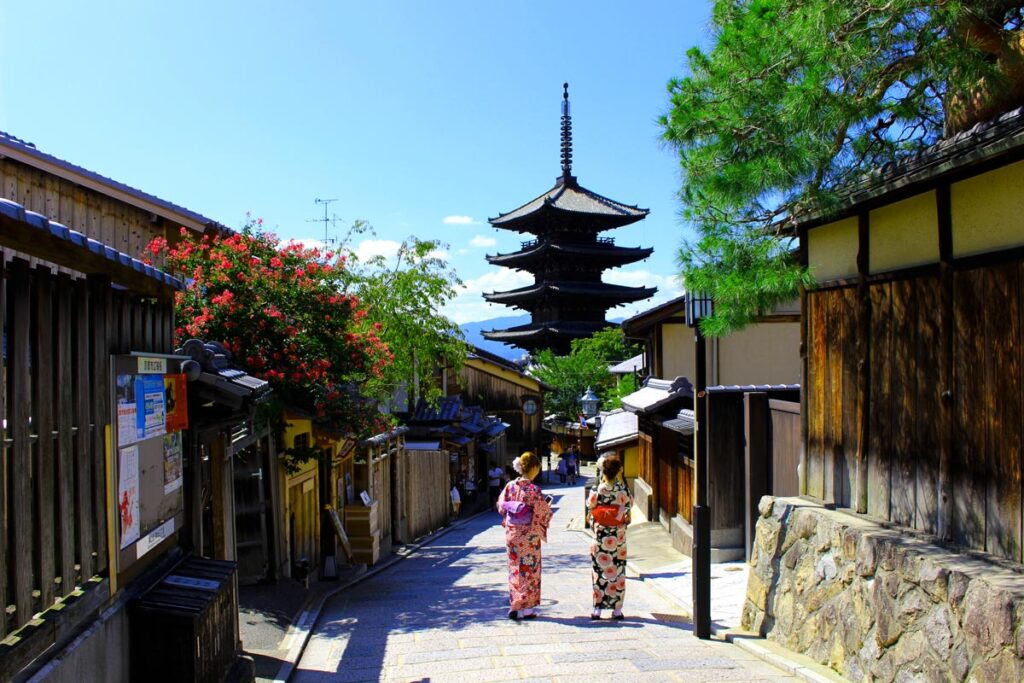
Gion
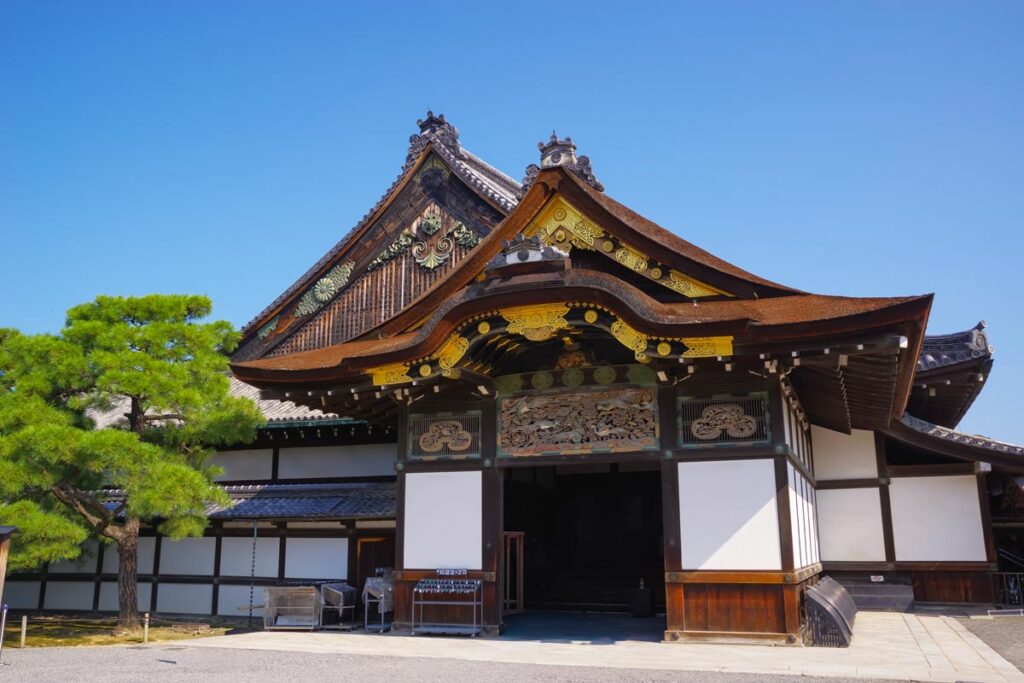
Nijo Castle
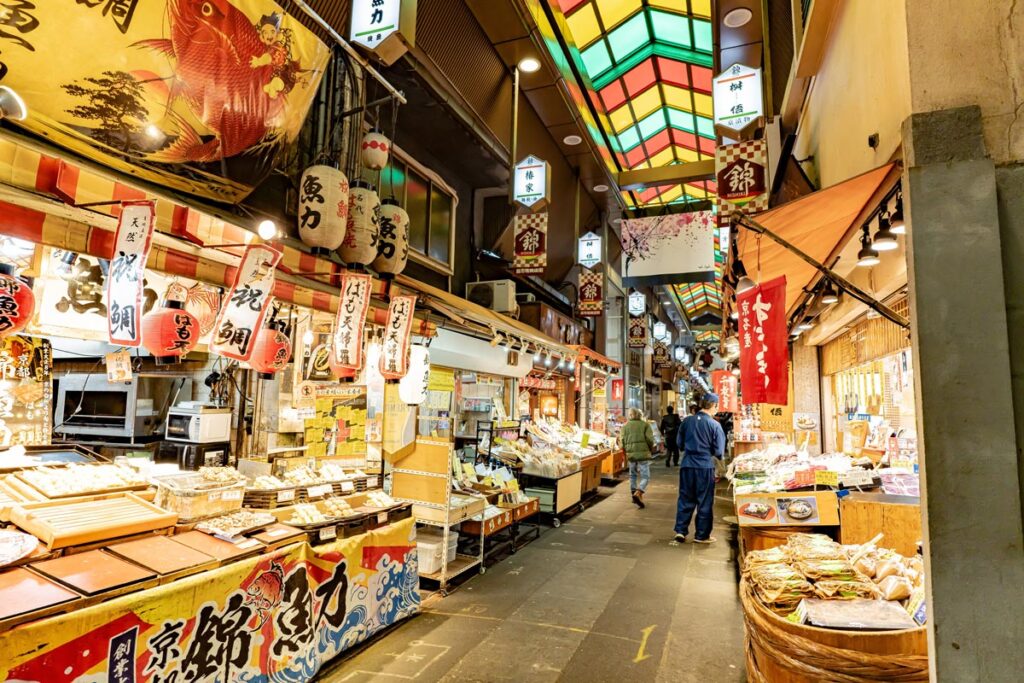
Nishiki Market
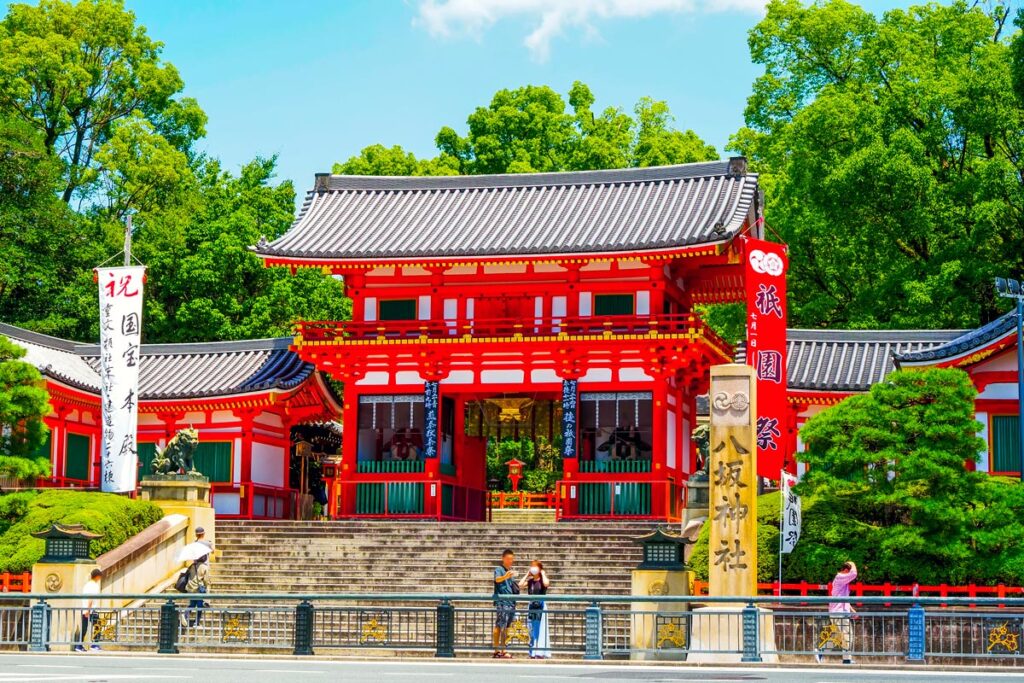
Yasaka Shrine
Tenryu-ji
Kyoto Imperial Palace
Philosopher's Path
Heian Jingu
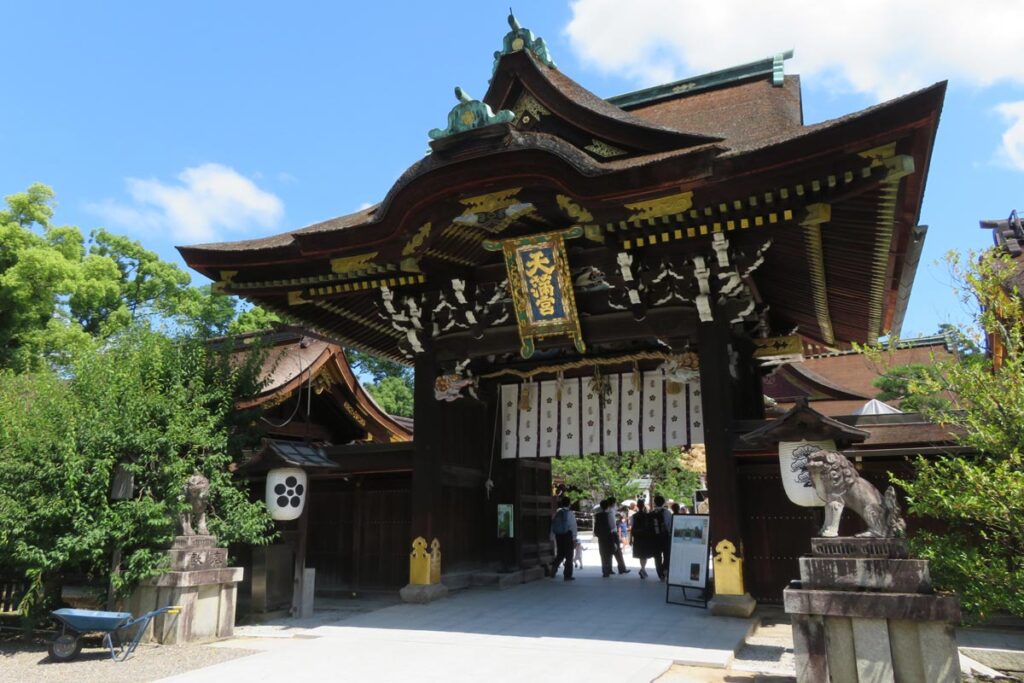
Kitano Tenmangu
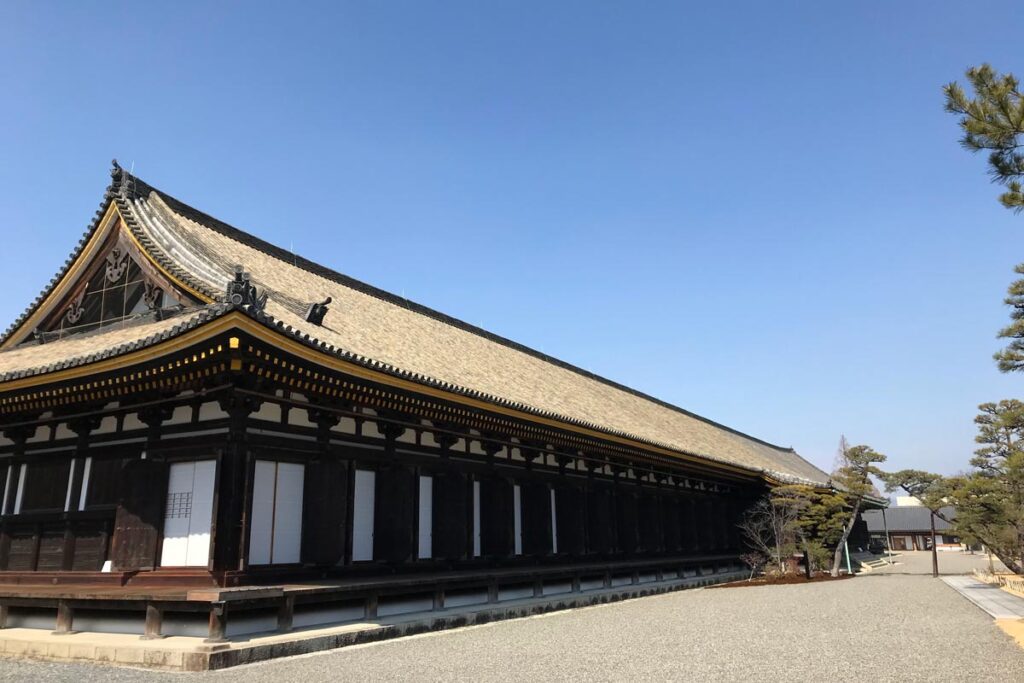
Sanjusangendo
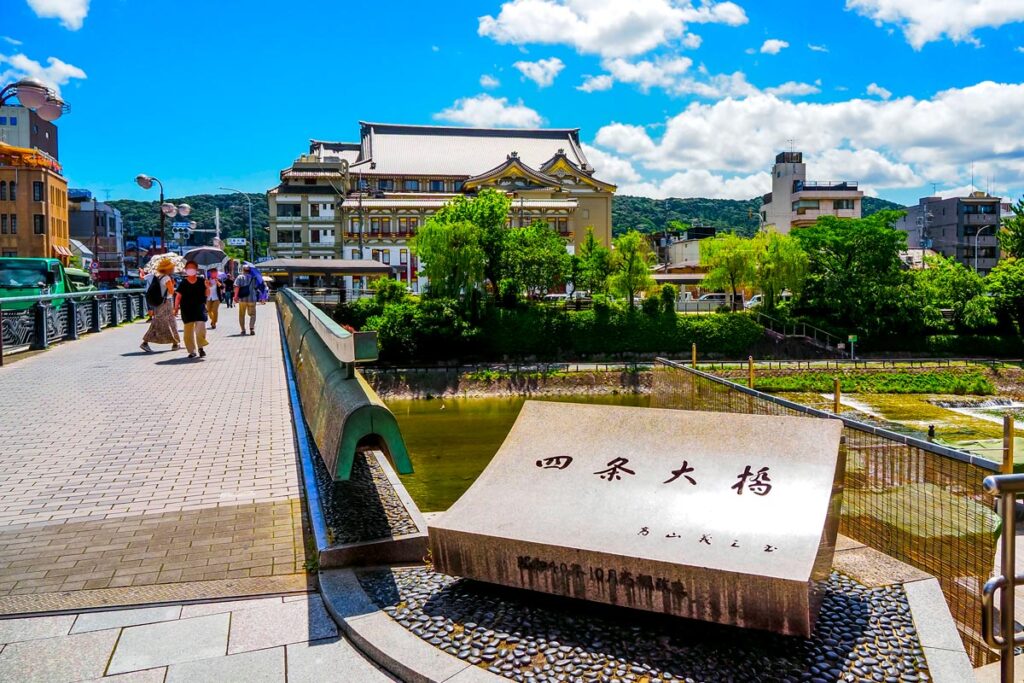
Kamo River
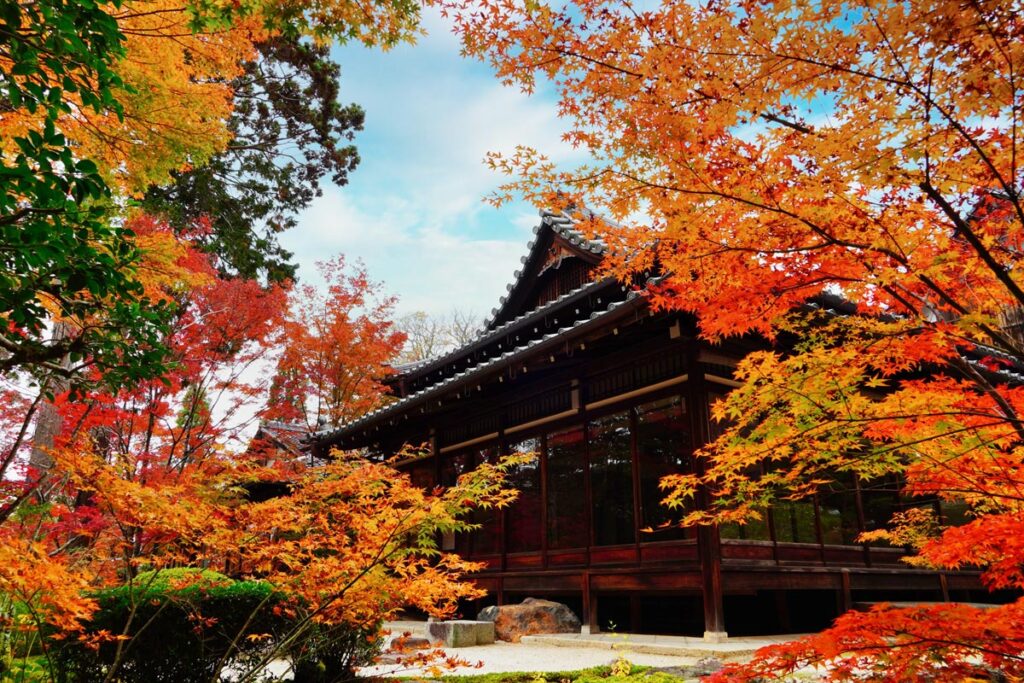
Nanzen-ji
Tofuku-ji
Kyoto International Manga Museum