Tokyo Station is far more than just a place to catch a train. This red-brick landmark is the beating heart of Japan’s rail network, an elegant architectural icon, and one of Tokyo’s most convenient bases for first-time visitors. Whether you are arriving from the airport, boarding the shinkansen bullet train, or simply sightseeing, spending time in and around Tokyo Station is a rewarding experience in its own right.
Why Tokyo Station Belongs on Your Itinerary
For many international visitors, Tokyo Station is the first real glimpse of everyday Japan: commuters rushing for trains, office workers grabbing neatly packed bento lunches, and travelers wheeling suitcases past orderly lines and glowing vending machines.
But beyond being busy and efficient, the station area offers:
- A beautifully restored early 20th-century station building
- Direct connections to shinkansen lines across Japan
- Excellent hotels and restaurants ideal for jet-lagged travelers
- Underground malls packed with characterful shops and souvenirs
- Easy access on foot to the Imperial Palace and the Marunouchi business district
Using Tokyo Station as your base can make your first days in Japan smoother, especially if you plan day trips to other cities.
A Brief History and Architecture of Tokyo Station
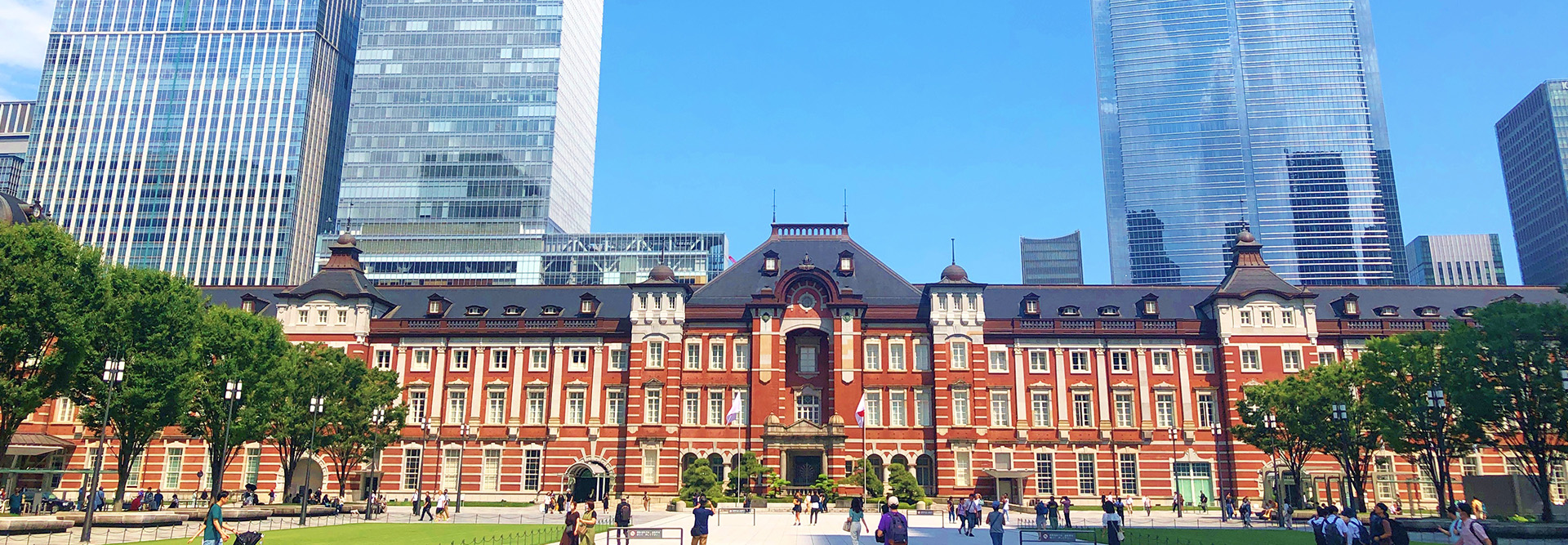
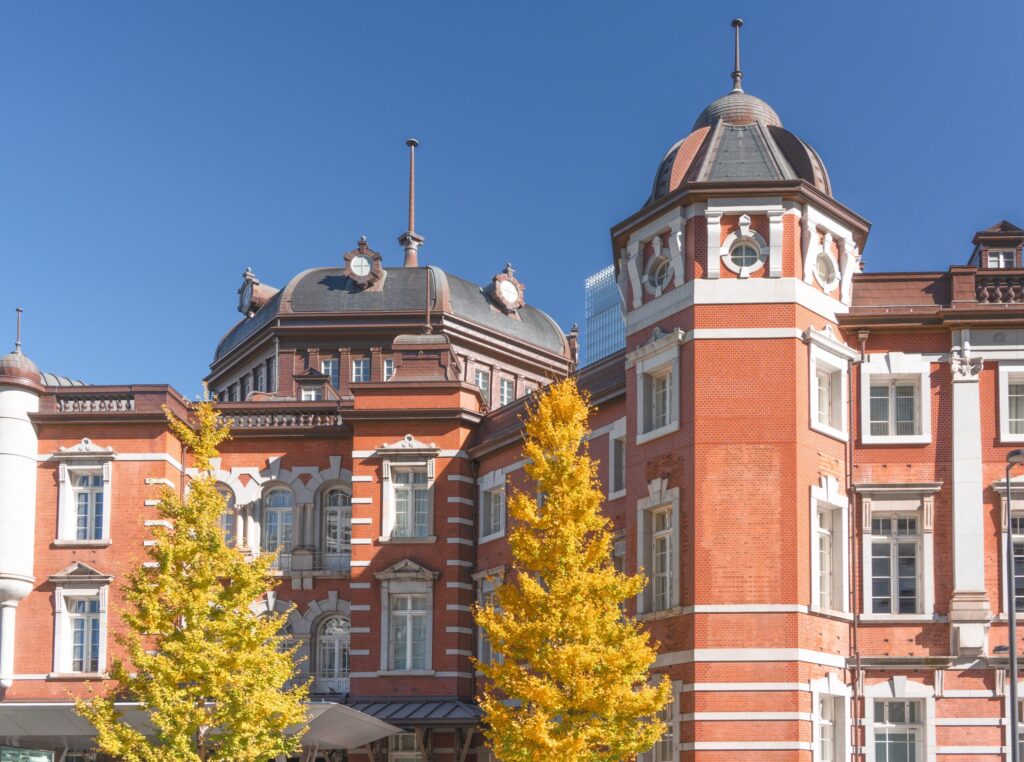
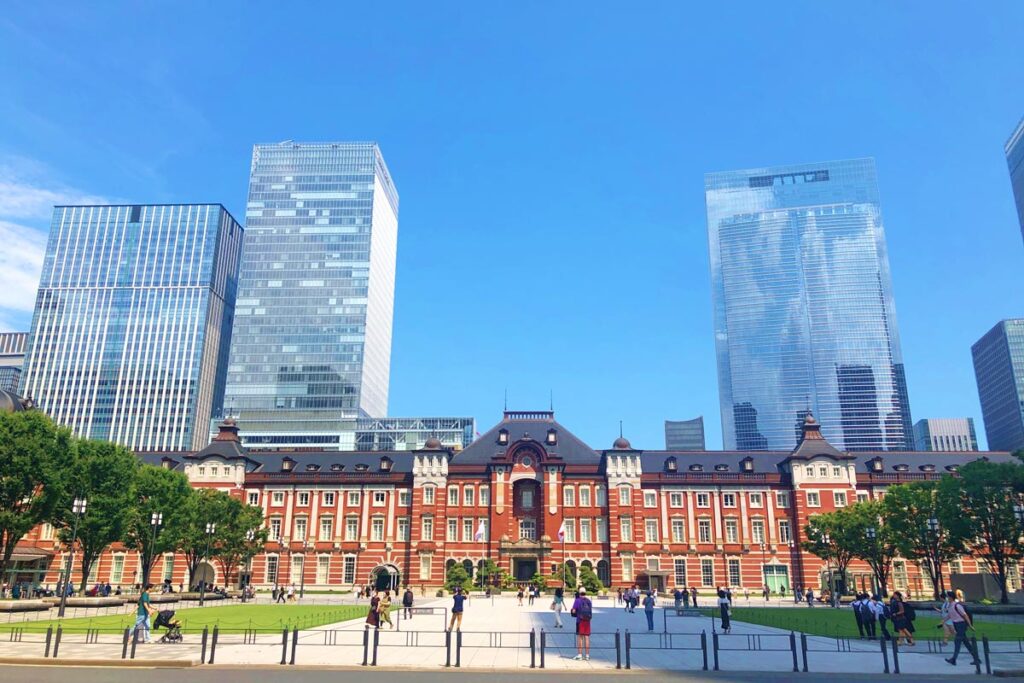
Tokyo Station first opened in 1914, symbolizing Japan’s rapid modernization in the early 20th century. The red-brick Marunouchi side, facing the business district, was designed in a European-influenced style with domed roofs and elegant arched windows. At the time, this grand building represented Japan’s ambition to stand alongside the great capitals of the world.
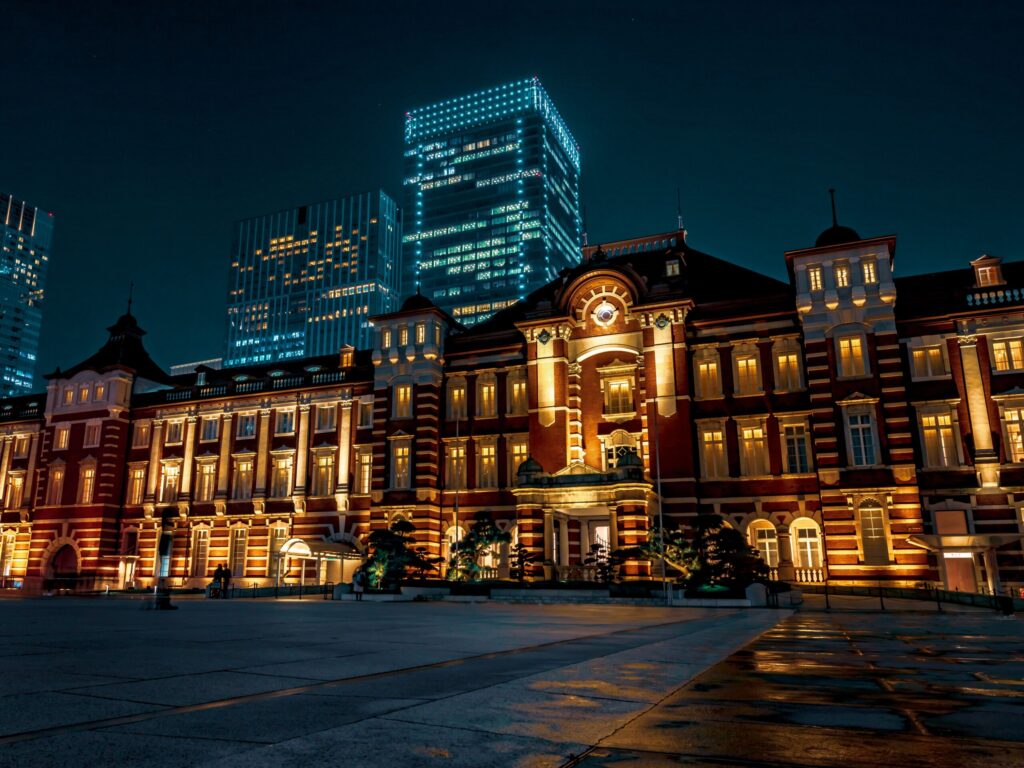
World War II air raids heavily damaged the station, and for decades it stood in a simplified form. In the 2000s, a major multi-year restoration carefully returned the building to its original appearance, using historical photographs and architectural drawings. Today, the twin domes and red bricks look almost new, yet retain the dignity of an early modern landmark. At night the façade is beautifully illuminated, making it one of Tokyo’s most photogenic sights.
Marunouchi vs. Yaesu: Two Faces of Tokyo Station
Tokyo Station has two main above-ground sides, each with a distinct character:
- Marunouchi Side (West Exit): This is the classic red-brick station building. Outside, you will find a wide plaza, orderly taxi lines, and views of Marunouchi’s office towers. This side feels calm and stately, especially in the evening.
- Yaesu Side (East Exit): More modern and practical in appearance, the Yaesu side connects directly to large commercial complexes such as Tokyo Station Hotel-linked facilities and department stores. It is convenient for buses, taxis, and many restaurants and shops.
When you step outside, pay attention to which side you are on; your surroundings can look completely different even though you are at the same station.
Tokyo Station as the Core of Japan’s Rail Network
Tokyo Station is the main hub for shinkansen high-speed trains, making it an ideal base for exploring other regions. From here, bullet trains with a variety of distinctive designs depart every few minutes to regional towns.
Key Shinkansen Lines from Tokyo Station
Several major bullet train lines start or pass through here:
- Tōkaidō Shinkansen: To Kyoto, Osaka, Nagoya, Hakone (via Odawara), and beyond.
- Tohoku Shinkansen: To Sendai, Morioka, Aomori, and the northern Tohoku region.
- Hokuriku Shinkansen: To Nagano, Kanazawa, and the Japan Sea coast.
- Yamagata & Akita Shinkansen: Branch lines to more rural and scenic areas.
Most Japan Rail Pass holders will pass through Tokyo Station multiple times. Inside the station, look for green “JR” signs and the shinkansen ticket gates. Staff at the ticket offices (Midori no Madoguchi) are accustomed to helping international travelers, so don’t hesitate to show your itinerary and ask for help.
Local and Airport Connections
Tokyo Station is also a vital link within the city itself. Useful lines include:
- JR Yamanote Line: The green loop line connecting Tokyo’s major districts such as Shinjuku, Shibuya, and Ueno.
- JR Keihin-Tōhoku Line: For areas like Yokohama and Shinagawa.
- JR Chūō Line (Rapid): To Kichijoji, Nakano, Shinjuku, and the western suburbs.
- Tokyo Metro Marunouchi Line: A subway line great for reaching Ginza, Shinjuku, and Ikebukuro.
For airport access:
- From Narita Airport: Take the Narita Express (N’EX) directly to Tokyo Station, or the cheaper JR Sobu Line Rapid (requires a transfer at some times of day).
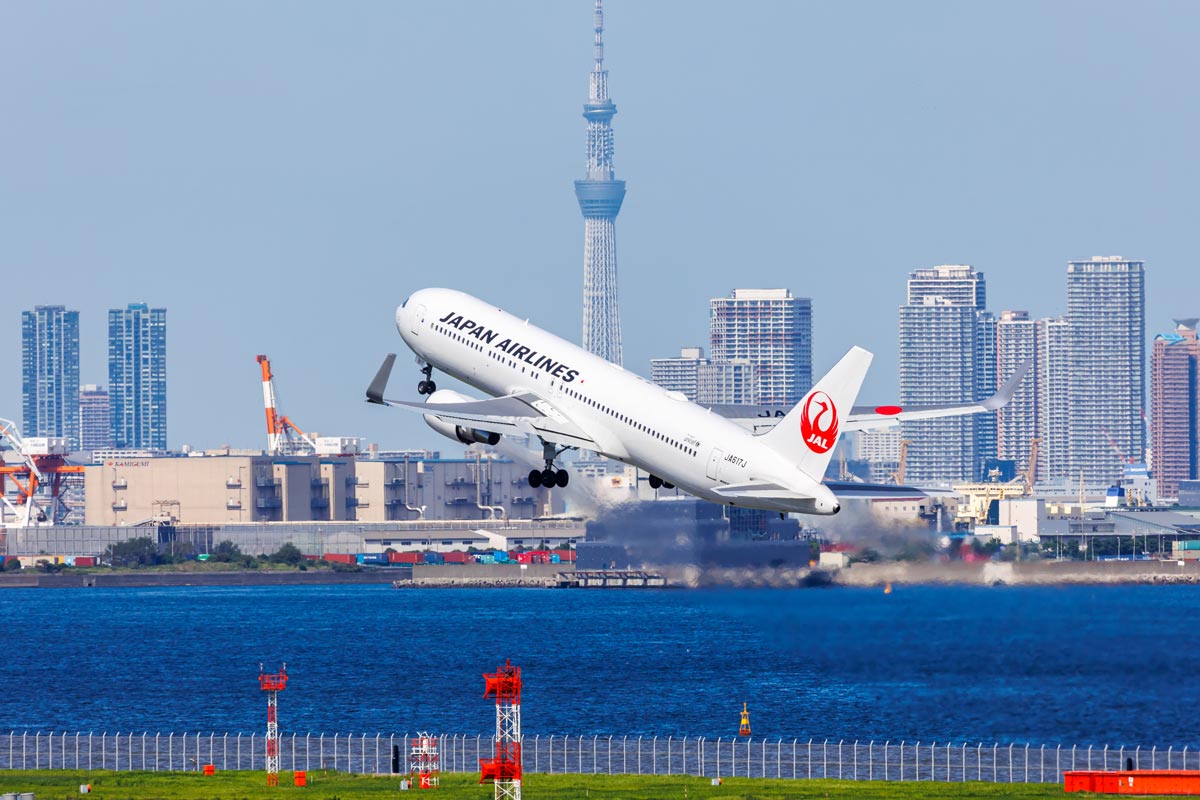
- From Haneda Airport: Take the Tokyo Monorail to Hamamatsucho and transfer to the JR Yamanote or Keihin-Tōhoku Line to Tokyo Station, or use direct limousine buses that stop near the station.
Inside Tokyo Station: What to See and Do
Even if you are not taking a train, Tokyo Station is a destination in itself. The underground passageways and upper floors host an astonishing range of shops, restaurants, and curiosities that mix daily commuting life with fun sightseeing.
Tokyo Character Street
Hidden beneath the Yaesu side, Tokyo Character Street is a dream for fans of Japanese pop culture. Here you’ll find official shops dedicated to beloved characters and franchises such as anime, manga, game series, and TV mascots. It is a great place to pick up cute and quirky souvenirs, from plush toys and stationery to limited-edition items only sold in Japan.
Tokyo Ramen Street
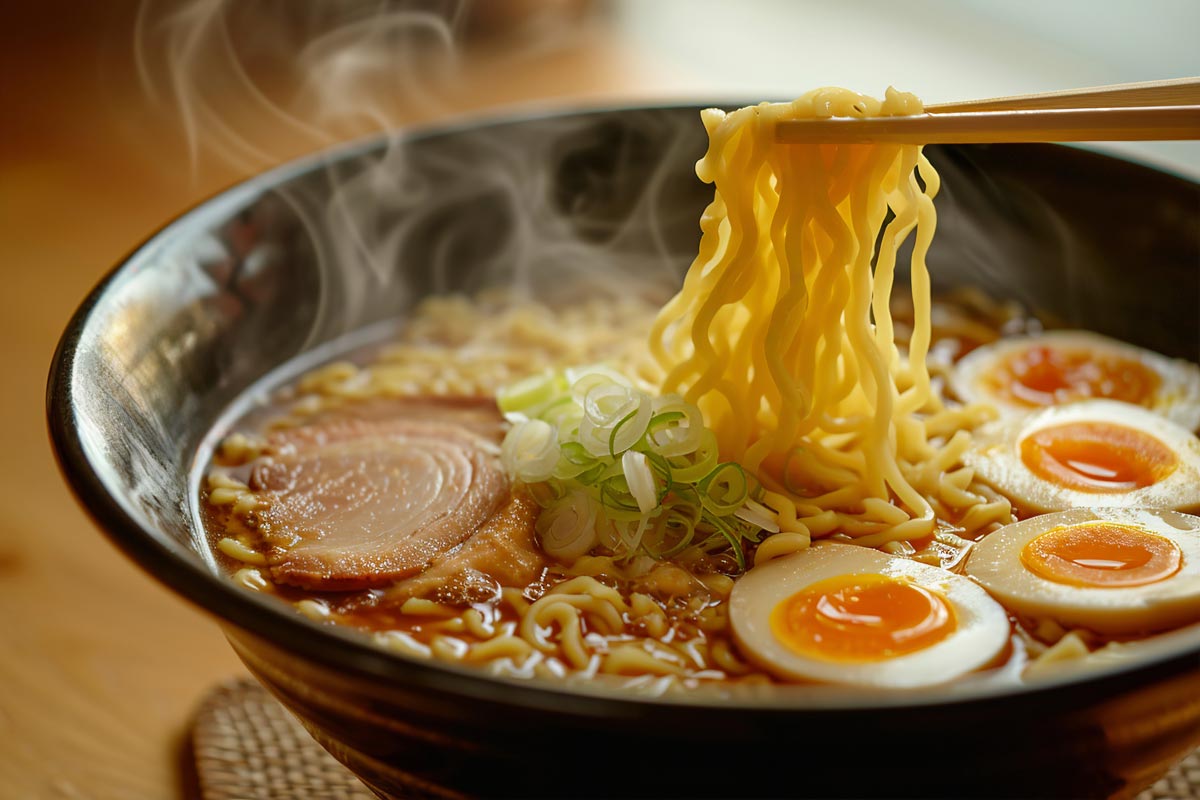
For an introduction to Japan’s ramen culture without leaving the station, head to Tokyo Ramen Street. This cluster of famous ramen shops is located underground and features different regional styles and signature broths, from rich tonkotsu to light shoyu. Each shop has a ticket machine at the entrance: simply insert cash or a transit card, choose your ramen, and hand the ticket to staff. There is often a line at peak times, but turnover is relatively quick.
GRANSTA and Station Shopping
GRANSTA, one of Tokyo Station’s main shopping and dining complexes, stretches both inside and outside the ticket gates. It is ideal for browsing while you wait for a train. Expect:
- Bento and ekiben (station boxed meals) with beautiful seasonal ingredients
- Japanese sweets and wagashi in decorative boxes, ideal for gifts
- Bakeries and cafes for a quick snack or coffee
- Specialty shops selling tea, sake, and regional delicacies
In Japanese culture, it is customary to bring back omiyage (souvenir sweets and snacks) for colleagues, friends, or family after a trip. The station is one of the best places to observe this tradition, with entire stores dedicated to beautifully packaged treats.
The Tokyo Station Hotel and Station Gallery
Inside the historic Marunouchi building, the Tokyo Station Hotel offers luxury accommodation with direct access to trains. Even if you are not a guest, you can enjoy its elegant lobby bars or afternoon tea, which echo the early 20th-century European influence that shaped the station’s design.
Art lovers should look for the Tokyo Station Gallery, housed in a corner of the Marunouchi building. This small museum hosts rotating exhibitions of modern and contemporary art and offers a calm retreat from the surrounding bustle.
Exploring the Area Around Tokyo Station
Marunouchi Business District
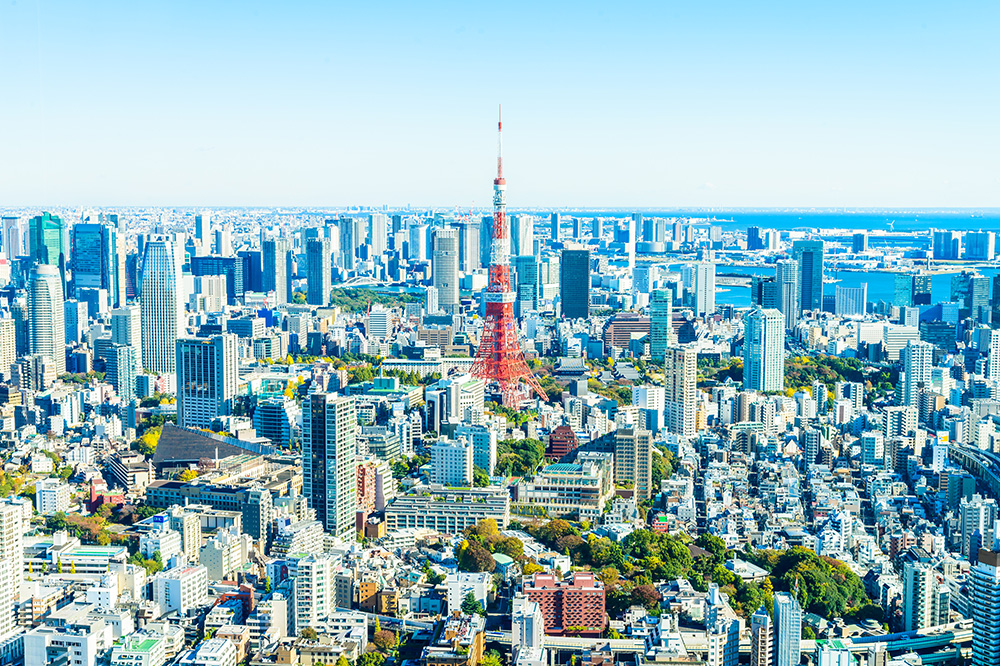
Step out of the Marunouchi side and you enter one of Japan’s most prestigious business districts. Glass skyscrapers stand alongside tree-lined boulevards, and high-end boutiques and cafes occupy the lower floors of towers. The area is particularly atmospheric in the early evening when office workers pour out of buildings and the streets fill with a mixture of sharp suits and after-work diners.
Many of the newer Marunouchi buildings, such as Marunouchi Building (“Maru Biru”) and Shin-Marunouchi Building (“Shin Maru Biru”), have restaurant floors with panoramic views of Tokyo Station’s rooftops and the surrounding skyline.
Imperial Palace and Outer Gardens
From the Marunouchi side, the Imperial Palace is an easy 10–15 minute walk. While most of the inner grounds are closed to the public except on certain days, the outer gardens and wide plaza offer open space and views of the palace moats and stone walls.
This area symbolizes the historical center of Edo (old Tokyo) and modern Japan. Joggers loop around the palace moat morning and evening, and office workers take fresh-air breaks under carefully trimmed pine trees. It’s a calm contrast to the station’s hustle and a good place for a stroll between trains.
Nihonbashi and Traditional Tokyo
On the opposite side from Marunouchi, within a short walk or one stop by train, lies Nihonbashi, historically the commercial heart of Edo. Once the starting point of the old highways leading from Tokyo to the rest of Japan, today it blends historic department stores with new developments.
Department stores such as Mitsukoshi and Takashimaya showcase refined Japanese service culture and have excellent basement food halls (depachika) where you can sample delicacies ranging from sushi and tempura to confectionery and regional specialties.
Using Tokyo Station Without Stress
Tokyo Station can feel overwhelming on your first visit, especially during rush hour. A few simple tips will make your experience smoother.
Navigating the Maze
- Follow the colors and symbols: Different lines are color-coded, and signs use clear pictograms for trains, exits, restrooms, and elevators.
- Allow extra time: For transfers between shinkansen and local lines, plan at least 20–30 minutes until you are familiar with the layout.
- Stay to the left: On most staircases and escalators near Tokyo Station, people stand to the left so others can pass on the right.
- Use station maps: Large maps are posted and available at information counters; many show exits linked to major buildings and hotels.
Tickets, IC Cards, and Luggage
Most visitors will find it easiest to use a prepaid IC card such as Suica or PASMO for local trains and subways; simply tap in and out at the gates. For shinkansen and long-distance trains, you need a reserved ticket or seat reservation, even if you have a rail pass.
Luggage services are widely available:
- Coin lockers in various sizes inside and outside the ticket gates.
- Baggage storage counters where staff will keep larger suitcases for the day for a fee.
- Takkyubin (luggage forwarding) counters where you can arrange to send suitcases to your next hotel, a popular choice to travel light on the shinkansen.
Eating with Local Etiquette
Tokyo Station’s dining options range from standing noodle bars to elegant restaurants, and they offer a gentle introduction to Japanese dining customs:
- Many casual places use vending machines to order. Look at the pictures, press the button, pay, then hand the ticket to staff.
- It is normal to eat quietly, especially in busy lunch spots where people eat quickly and leave.
- On shinkansen platforms, you’ll see people buying ekiben. Eating on long-distance trains is accepted and part of the travel experience.
When to Visit and Photography Tips
Tokyo Station is active from early morning to late at night. For first-time visitors:
- Early morning offers soft light on the red-brick façade and fewer crowds.
- Evening and night are ideal for photography, when the station building and Marunouchi skyscrapers are beautifully lit.
- Weekdays around 8–9 am and 5–7 pm are peak commuting times; expect dense crowds and limited space for lingering.
For iconic photos, head to the plaza on the Marunouchi side to frame the full station building, then move to nearby office towers with publicly accessible upper floors that offer elevated views (some buildings have free observation spaces or restaurant floors with large windows).
Making Tokyo Station Your Gateway to Japan
For first-time travelers, Tokyo Station is more than a transit point; it is a microcosm of modern Japan. Here, cutting-edge transport technology, meticulous organization, refined hospitality, and everyday urban life blend together in one vast, yet surprisingly orderly space.
Plan to spend at least a few unhurried hours exploring the station and its surroundings: wander through underground shopping streets, taste regional specialties before you even leave the city, step out to the Imperial Palace gardens, and return at night to admire the red-brick façade glowing against the Tokyo skyline. Understanding Tokyo Station will make the rest of your journey across Japan feel more intuitive—and far more enjoyable.