
Tokyo - Sumida River Fireworks
Sumida River Fireworks Festival in Tokyo: A Complete First-Timer’s Guide
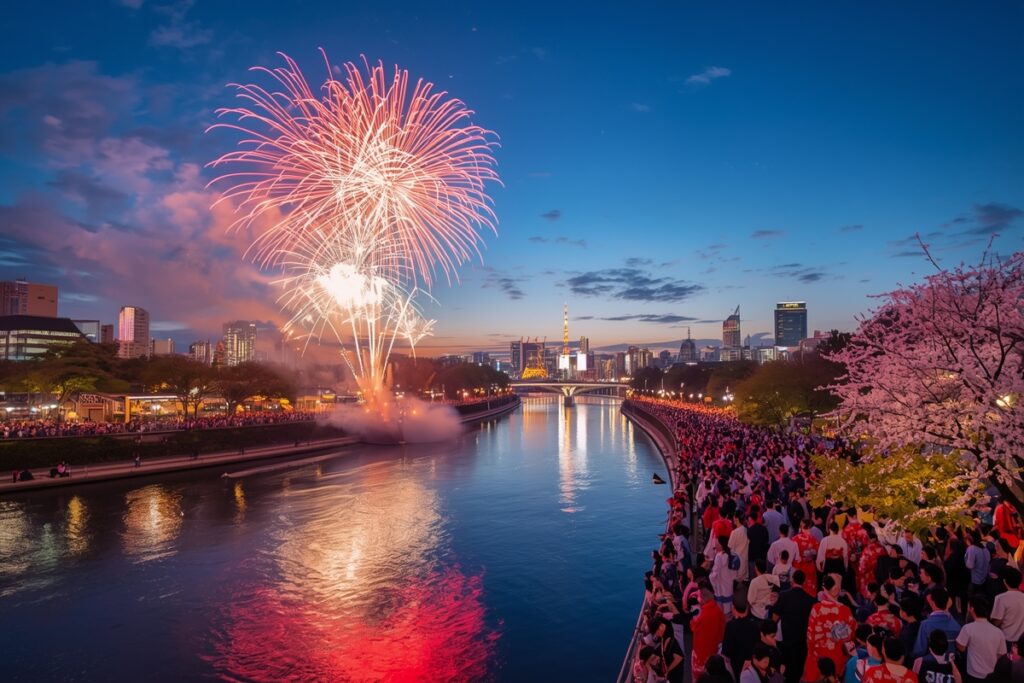
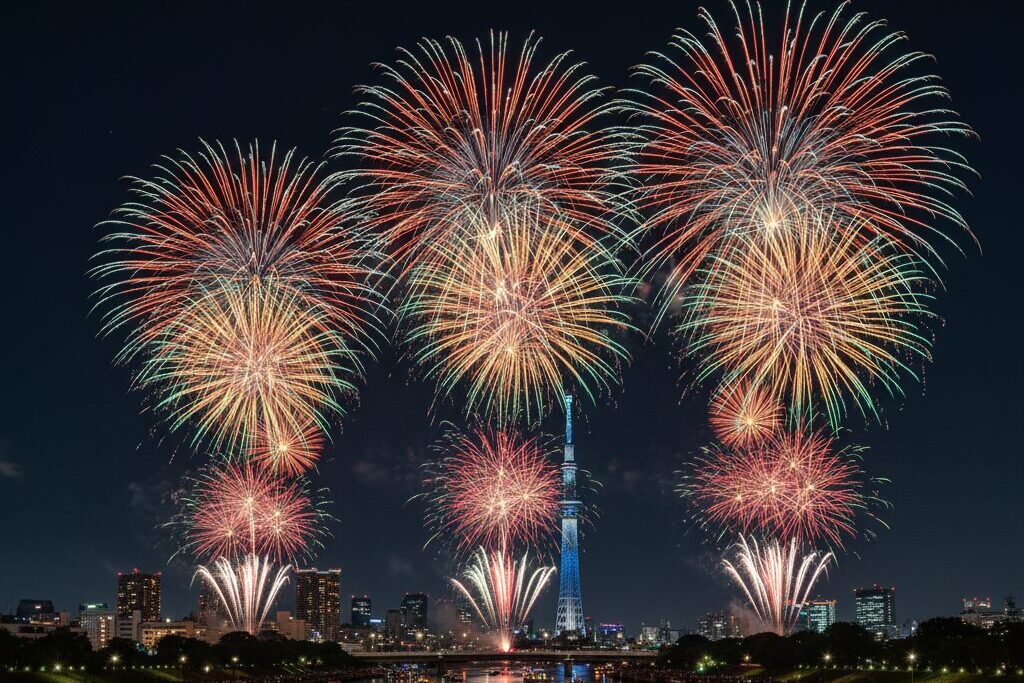
Photos are for illustrative purposes only.
On a warm summer night in Tokyo, the sky above the Sumida River explodes into color. Boats glide along the water, people in yukata (light summer kimono) crowd the riverbanks, and the sound of fireworks echoes between historic temples and modern towers. This is the Sumida River Fireworks Festival, one of Japan’s most famous and oldest fireworks displays, and a must-see if you are visiting Tokyo in summer.
What Is the Sumida River Fireworks Festival?
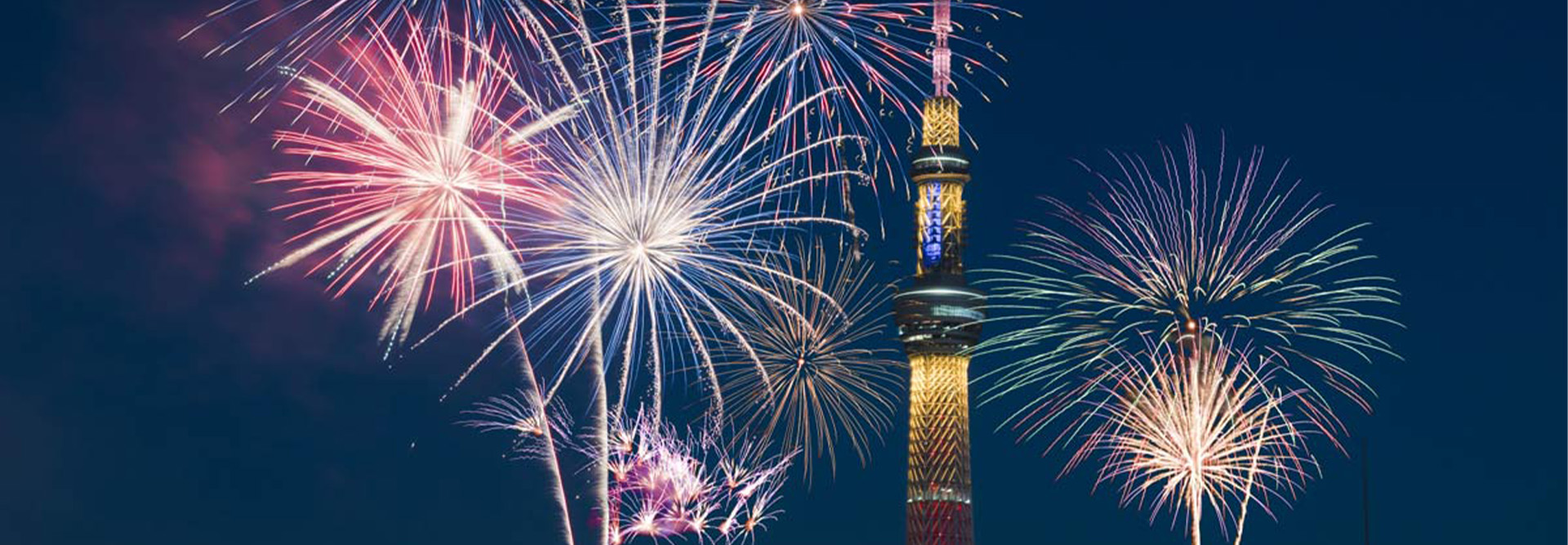
The Sumida River Fireworks Festival (Sumidagawa Hanabi Taikai) is a huge annual fireworks event held along the Sumida River in eastern Tokyo, mainly around the Asakusa and Ryogoku areas. It usually takes place on a Saturday evening in late July, attracting close to a million spectators.
Unlike many small-town fireworks, this event is a large-scale, professionally choreographed show lasting around 90 minutes, with around 20,000 fireworks launched from multiple locations. The night sky is filled with intricate designs, colorful bursts shaped like flowers or cartoon characters, and dramatic grand finales that light up the river and surrounding neighborhoods.
A Festival With Centuries of History
The roots of the Sumida River fireworks go back to the 18th century. In 1733, fireworks were originally launched over the river as part of a ceremony to comfort the souls of those lost to famine and disease, and to pray for an end to epidemics. Over time, this solemn ritual evolved into a popular summer entertainment for the townspeople of Edo (the former name of Tokyo).
Today, the festival blends this long history with modern Japanese pyrotechnic artistry. For many Tokyo residents, it marks the high point of the summer season and is a nostalgic annual tradition.
When Does the Sumida River Fireworks Festival Take Place?
The festival is usually held on the last Saturday of July from around 7:00 p.m. to 8:30 p.m. However, the exact date can vary slightly each year, and bad weather may lead to postponement or cancellation. Heavy rain or strong winds in particular can cause safety concerns.
If you plan to visit specifically for the fireworks, check the official announcement a few months in advance and keep your schedule flexible around that weekend. Even on the day, it is wise to confirm the latest information through local news, your hotel, or tourist information centers in Asakusa or Tokyo Station.
Where Is the Festival Held?
The fireworks are set off from two main launch sites along the Sumida River in Taito and Sumida wards. The general viewing area stretches from the vicinity of Asakusa’s Senso-ji Temple down toward the Ryogoku and Kuramae districts.
This area is easily accessible from central Tokyo and includes some of the city’s most atmospheric old neighborhoods, with narrow streets, small shops, and local restaurants. During the festival, many roads near the river are closed to vehicles and turn into pedestrian zones, creating a lively, street-party atmosphere.
Nearest Stations
Several train and subway stations provide access to the Sumida River Fireworks Festival. Popular options include:
- Asakusa Station (Tokyo Metro Ginza Line, Toei Asakusa Line, Tobu Skytree Line) – The classic entry point for Senso-ji Temple and the northern viewing areas.
- Kuramae Station (Toei Asakusa Line, Toei Oedo Line) – Convenient for central viewing spots and less crowded streets.
- Ryogoku Station (JR Sobu Line, Toei Oedo Line) – Good for the southern end of the event area, near the sumo stadium.
- Honjo-Azumabashi Station (Toei Asakusa Line) – Close to the river and the Tokyo Skytree side of the festival.
On the day of the event, expect streets and stations to be extremely crowded. Trains may run special schedules, and some exits could be closed for crowd control. Allow extra time and follow staff instructions.
Best Viewing Spots Along the Sumida River
With so many people attending, choosing a good viewing spot is key to enjoying the festival. There are both free areas and reserved seating options.
Free Viewing Areas
Most visitors watch the fireworks from free public spaces along the river. Some popular zones include:
- Near Asakusa Station and Senso-ji Temple – Bustling streets, lots of food stalls, and an energetic festival mood. Great atmosphere but very crowded; arrive several hours early if you want a front-row riverside spot.
- Sumida Park (Taito side and Sumida side) – Stretching along both banks of the river, these parks provide many good viewpoints. Some areas fill early in the afternoon.
- Near Kuramae Station – Often slightly less packed than Asakusa, with a mix of riverside spots and side streets where you can see the sky clearly.
- Ryogoku area – Around the sumo arena and Ryogoku Bridge, you can see one of the launch sites and enjoy a more local feel.
Locals commonly spread ground sheets or picnic mats on the pavement hours before the show. In some areas, this is allowed only after a certain time, so check local signs or ask nearby staff to avoid issues.
Paid Seats and River Cruises
For a more comfortable experience, consider booking reserved viewing seats or a river cruise:
- Reserved seating – Local authorities and organizations offer reserved seats along the riverbanks or on nearby rooftops. These often go on sale weeks in advance and sell out quickly, but they provide secure, uncrowded space and a clear view.
- Fireworks cruises – Some companies operate yakatabune (traditional Japanese pleasure boats) and modern cruise boats with dinner and drinks. Watching from the river is an unforgettable experience, but prices can be high and reservations essential.
Tourist information centers, travel agencies, and hotel concierge desks in Tokyo may help you locate official booking sites or packages, especially if you are uncomfortable with Japanese-only websites.
How to Get There and Get Home
Because traffic is heavily restricted, the easiest and fastest way to reach the Sumida River Fireworks Festival is by train or subway. Taxis and rideshare services are not recommended due to road closures and long detours.
Arriving at the Festival
Plan to arrive early, ideally by mid- to late afternoon, especially if you want a good free viewing spot. If you arrive close to the starting time, you might be forced into more distant or obstructed viewing areas.
When you exit the station, you will likely be directed along specific walking routes by police and event staff. Follow the signs and crowds; cutting through backstreets is often not possible due to temporary barriers.
Leaving After the Fireworks
The biggest challenge is usually getting home. When the finale ends, tens of thousands of people move at once. Station entrances may be restricted, and you may need to queue to enter platforms.
Consider these strategies:
- Wait 30–60 minutes after the show to let the crowds thin out; use this time to enjoy a drink, dessert, or a walk.
- Head to a slightly more distant station on foot rather than the closest one – for example, walking from Asakusa toward Ueno or from Ryogoku toward Kinshicho.
- Check the last train times for your route in advance to avoid being stranded.
What to Expect: Atmosphere and Local Culture
More than just a fireworks display, the Sumida River event is a deep expression of Japanese summer culture.
Yukata, Street Food, and Summer Vibes
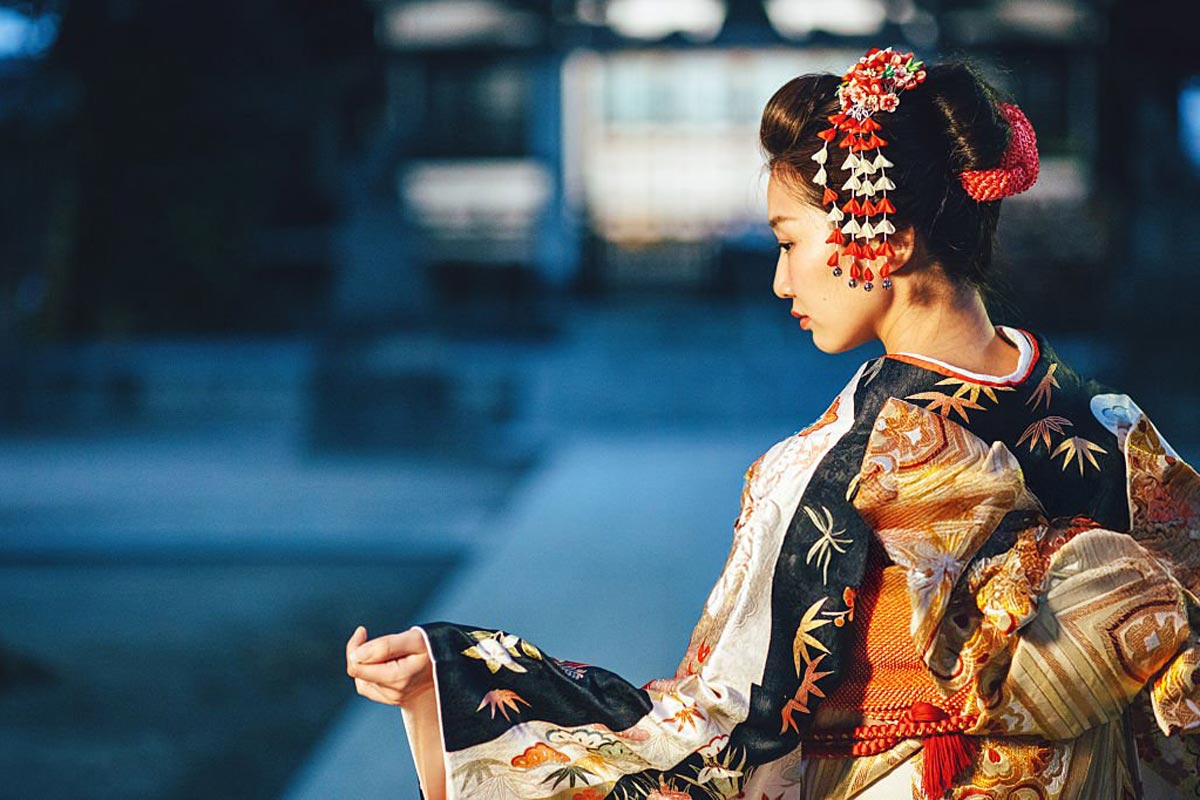
Many people attend in yukata, the casual cotton kimono traditionally worn during summer festivals. It is completely acceptable for foreign visitors to wear yukata as well; many shops in Asakusa and other areas offer rentals with simple dressing support. If you do wear one, allow extra time to move comfortably and bring a fan or small towel, as Tokyo nights can be hot and humid.
Food stalls selling classic Japanese festival snacks line streets and riverside areas. Look for:
- Takoyaki – Octopus-filled batter balls topped with sauce and mayonnaise.
- Yakisoba – Stir-fried noodles with vegetables and meat.
- Kakigori – Shaved ice with colorful syrups, perfect for cooling down.
- Yakitori – Grilled chicken skewers, smoky and flavorful.
- Candied fruit and sweets – Brightly colored treats especially popular with children.
Alcohol is generally allowed but should be consumed responsibly. The focus is on enjoying the summer night with friends and family, not on heavy drinking.
Fireworks as Art
In Japan, fireworks (hanabi) are seen as a kind of ephemeral art. Professional pyrotechnicians spend months designing novel shapes and color combinations. During the festival, the announcer may occasionally introduce different makers and styles, and some rounds are presented as friendly competitions.
Watch for:
- Large, perfectly round bursts with subtle color gradations.
- Specialty fireworks forming hearts, smiley faces, or characters.
- Sequences synchronized for dramatic impact, building toward the finale.
The term hanabi itself combines the characters for “flower” and “fire,” capturing the idea of flowers blooming briefly in the night sky and then vanishing – a reminder of the beauty and impermanence cherished in Japanese aesthetics.
Practical Tips for First-Time Visitors
A bit of preparation will greatly improve your experience at the Sumida River Fireworks Festival, especially if it is your first time visiting Japan.
What to Bring
- Picnic sheet or small folding stool – Sitting on the ground for hours can be tiring; a simple plastic mat works well.
- Water and light snacks – There are vendors, but lines can be long and prices higher.
- Portable fan or hand towel – The heat and humidity can be intense, particularly in dense crowds.
- Power bank – Your phone battery may drain quickly if you use maps, translations, and photos extensively.
- Trash bags – Public trash cans are limited; bring your own bag to carry waste until you can dispose of it properly.
Clothing and Weather
Dress for hot, humid conditions. Light, breathable clothing and comfortable shoes are essential, as you will walk and stand a lot. Even in the evening, temperatures may stay high.
Sudden rain showers are possible in summer. A compact umbrella or light rain jacket is useful, though large umbrellas can be awkward in tight crowds.
Festival Etiquette
Respectful behavior helps everyone enjoy the event:
- Do not block passageways – Avoid sitting in narrow roads, station exits, or clearly marked no-sitting zones.
- Keep voices moderate late at night – Many viewing areas are close to residential buildings.
- Take your trash with you – Leaving litter is frowned upon; this is extremely important in Japan.
- Follow instructions from police and staff – Their primary concern is safety and crowd control.
Photography and video are widely accepted, but be considerate. Do not raise tripods or large devices in a way that blocks others’ views, and avoid shining bright screens directly in front of people during the show.
Combining the Festival With Sightseeing
The Sumida River Fireworks Festival takes place in an area rich with attractions, making it easy to build a full day of sightseeing before the evening show.
Asakusa and Senso-ji Temple
Arrive in Asakusa earlier in the day to explore Senso-ji, Tokyo’s oldest temple, with its famous Kaminarimon Gate and Nakamise shopping street. Here you can:
- Pick up traditional snacks and souvenirs.
- Visit small side temples and gardens.
- Rent a yukata for the evening.
As the afternoon progresses, you will see more people in festival attire, and stalls may begin setting up in side streets.
Tokyo Skytree and the Sumida Side
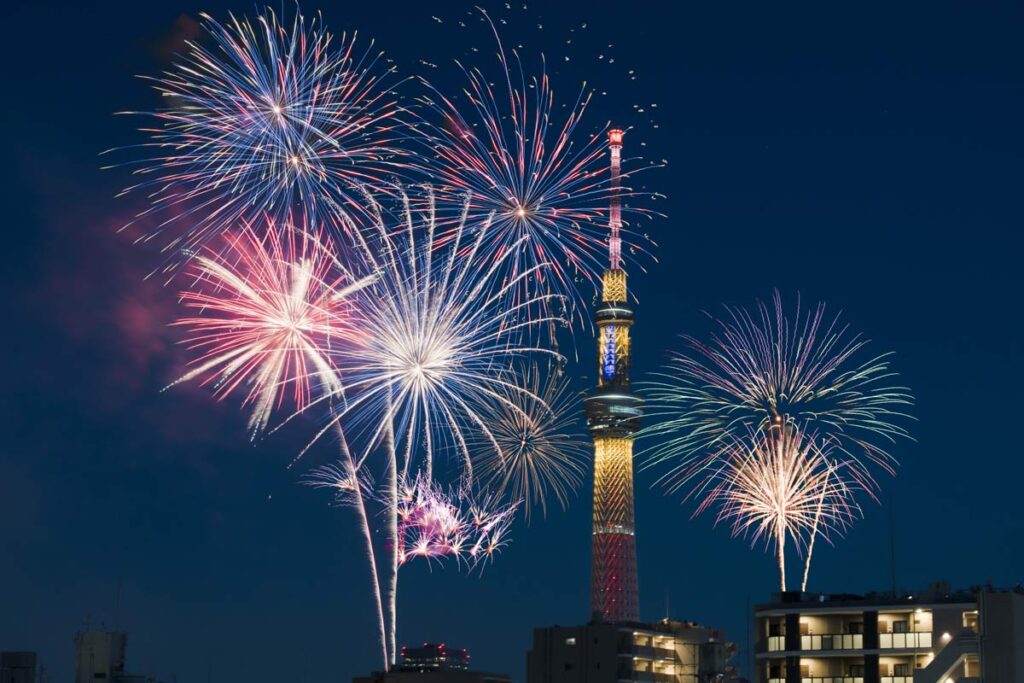
Across the river, Tokyo Skytree towers above the city. If you go up the observation decks earlier in the day, you may glimpse preparations along the river. The shopping and dining complex at the base, Tokyo Skytree Town, offers air-conditioned comfort and many restaurant choices, making it a convenient base before you move toward your viewing spot.
Ryogoku and Edo Culture
South along the river, Ryogoku is home to Tokyo’s main sumo stadium and several museums related to Edo-period history. Visiting during the day provides interesting context for the historical roots of the fireworks and the life of old Tokyo along the Sumida River.
Is the Sumida River Fireworks Festival Right for You?
The festival is unforgettable, but it is not for everyone. Consider your preferences:
- If you enjoy crowds, street food, and festival energy, this will likely be a highlight of your trip.
- If you dislike heat, humidity, or being in very dense crowds, it may feel overwhelming without reserved seating.
- Families with small children should plan carefully for toilet breaks, hydration, and early arrival to avoid being stuck in difficult spots.
For many international visitors, however, the Sumida River Fireworks Festival offers a rare chance to experience a deeply local event side by side with Tokyo residents. The combination of historical setting, river scenery, and spectacular fireworks captures the unique charm of Japanese summer in a single night.
If your visit to Japan coincides with late July, planning your Tokyo itinerary around this festival can transform your trip from memorable to truly unforgettable.
Access Map
Recommended spots for Summer Festivals
Tokyo
- Sumida River Fireworks
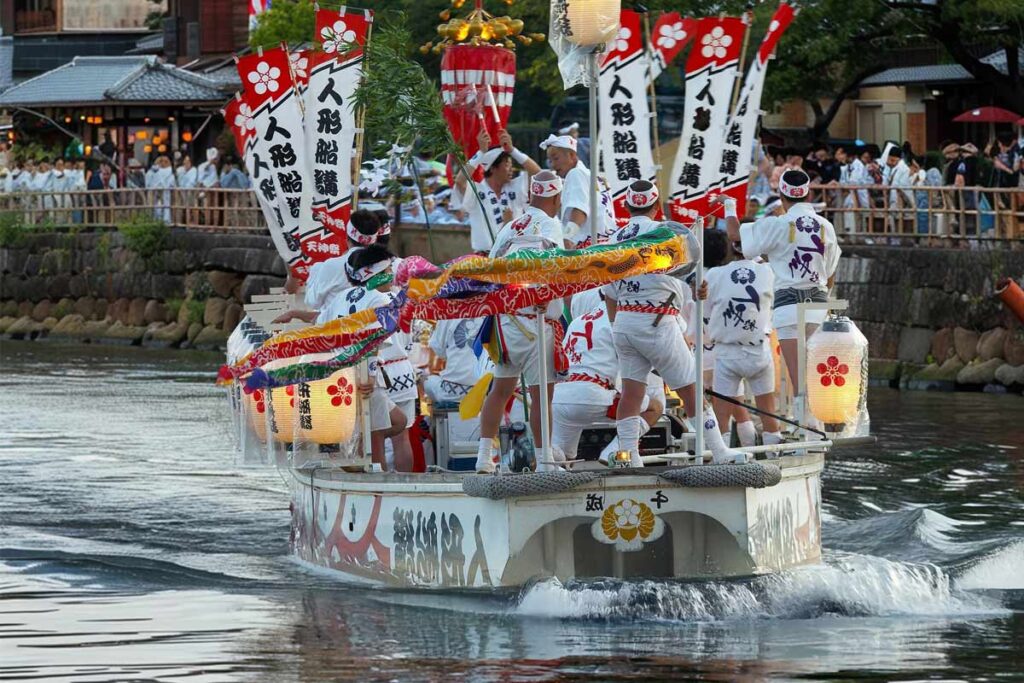
Osaka
- Tenjin Matsuri
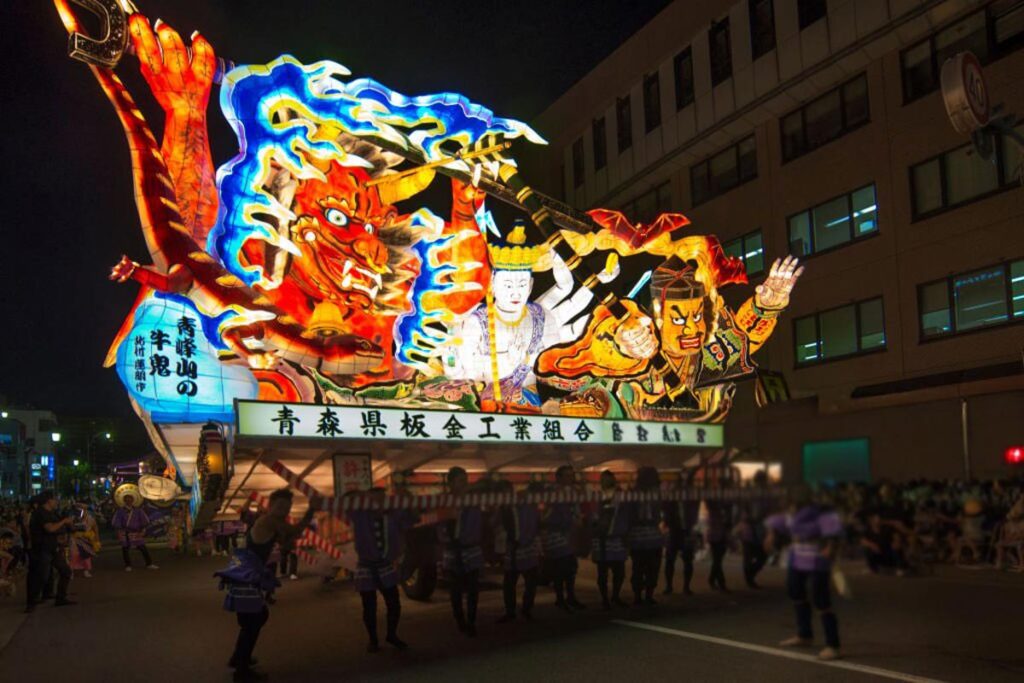
Aomori
- Nebuta Festival
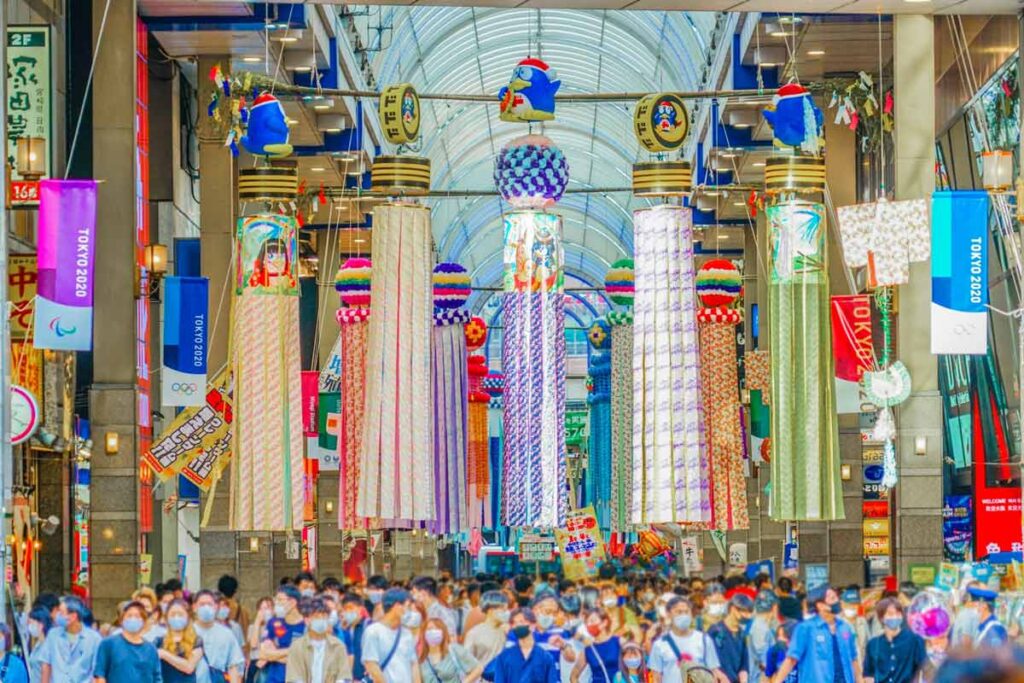
Sendai
- Tanabata Festival
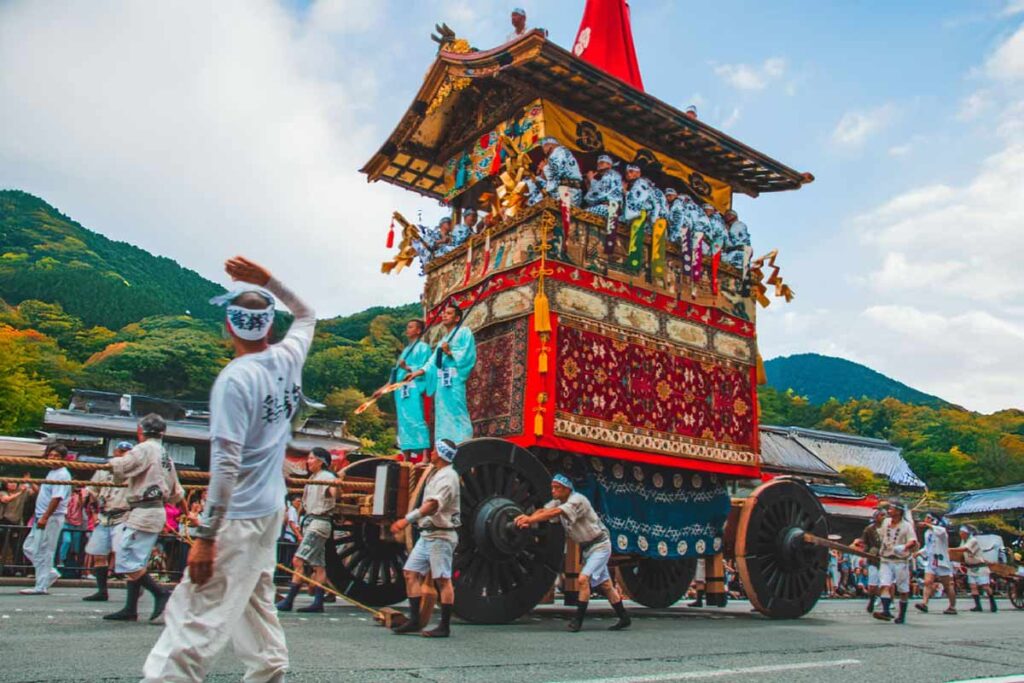
Kyoto
- Gion Matsuri
Other Seasonal Spot
Cherry Blossoms
Autumn Leaves