

Tokyo - Ueno Park
Tokyo Ueno Park Travel Guide for First-Time Visitors
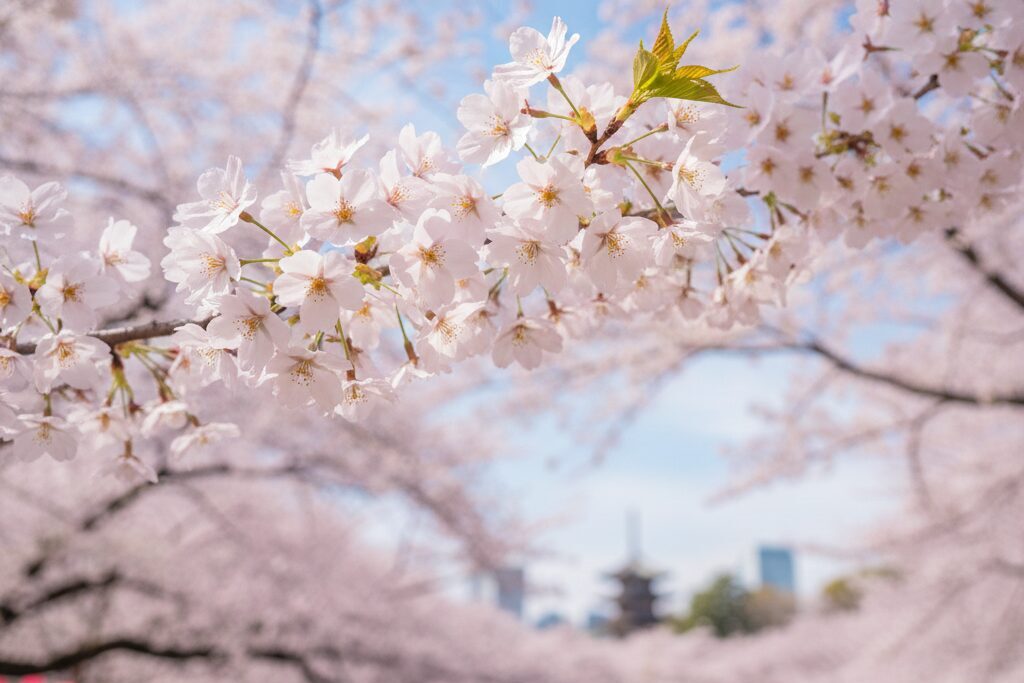
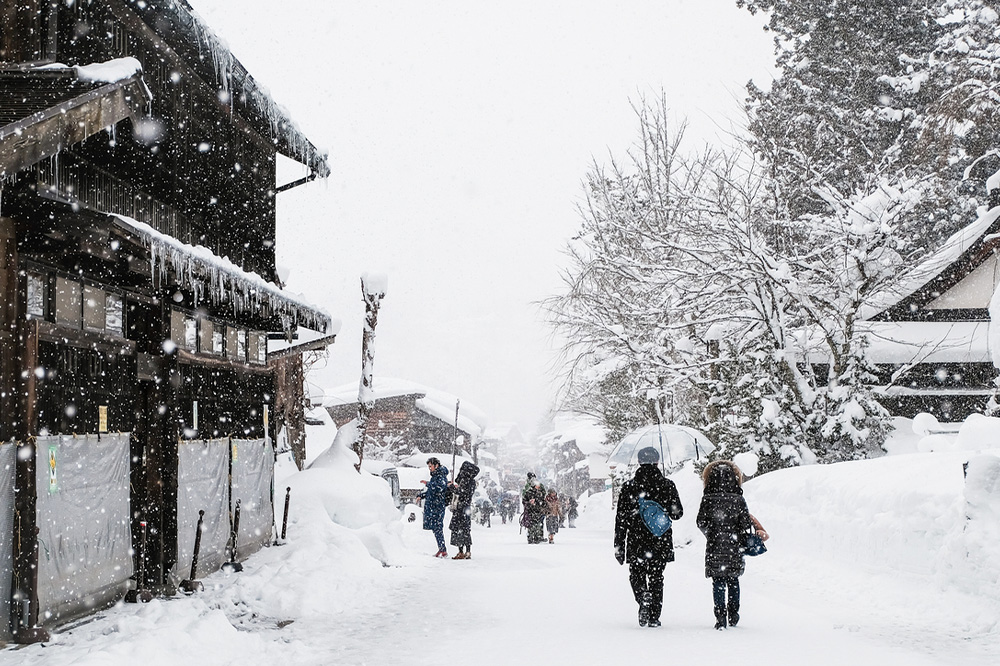
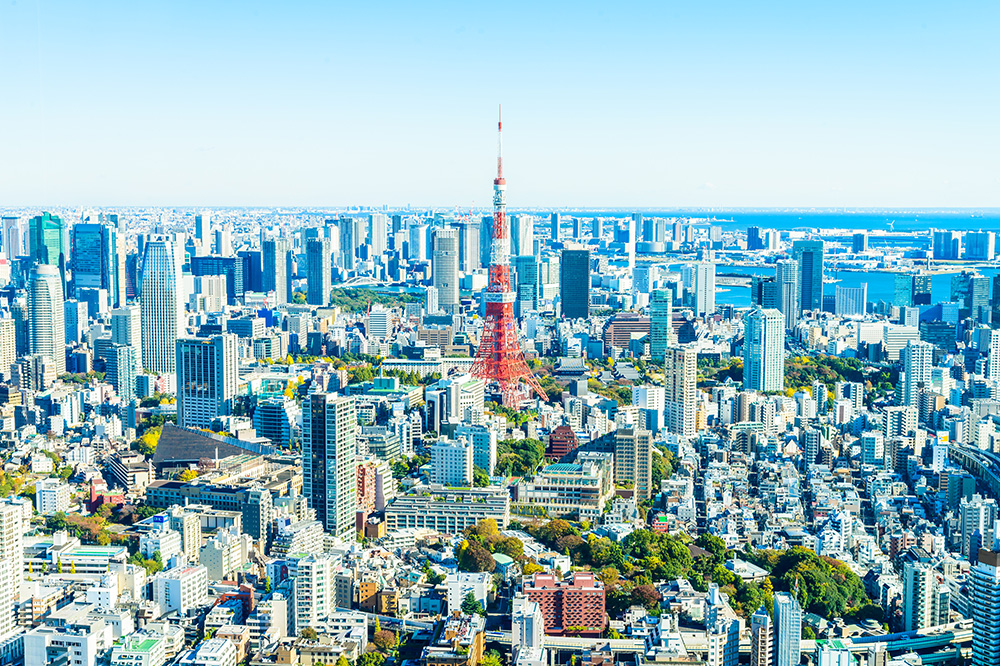
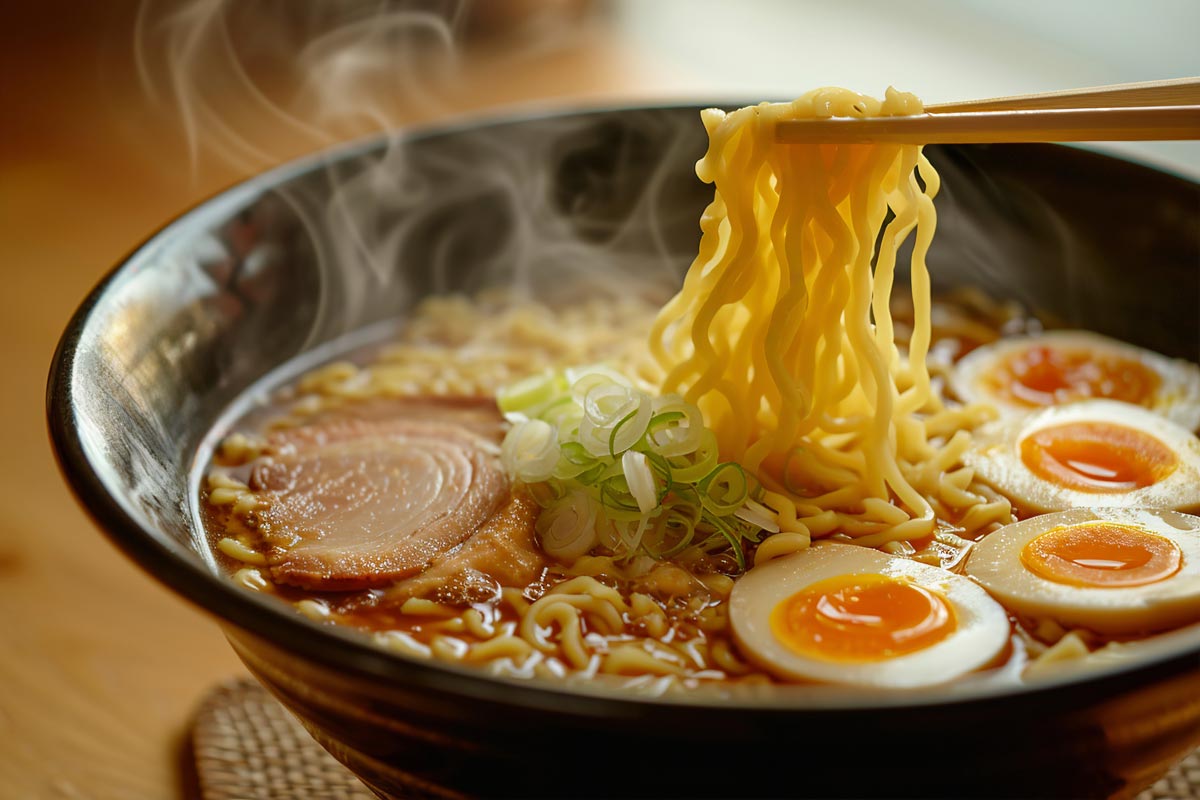
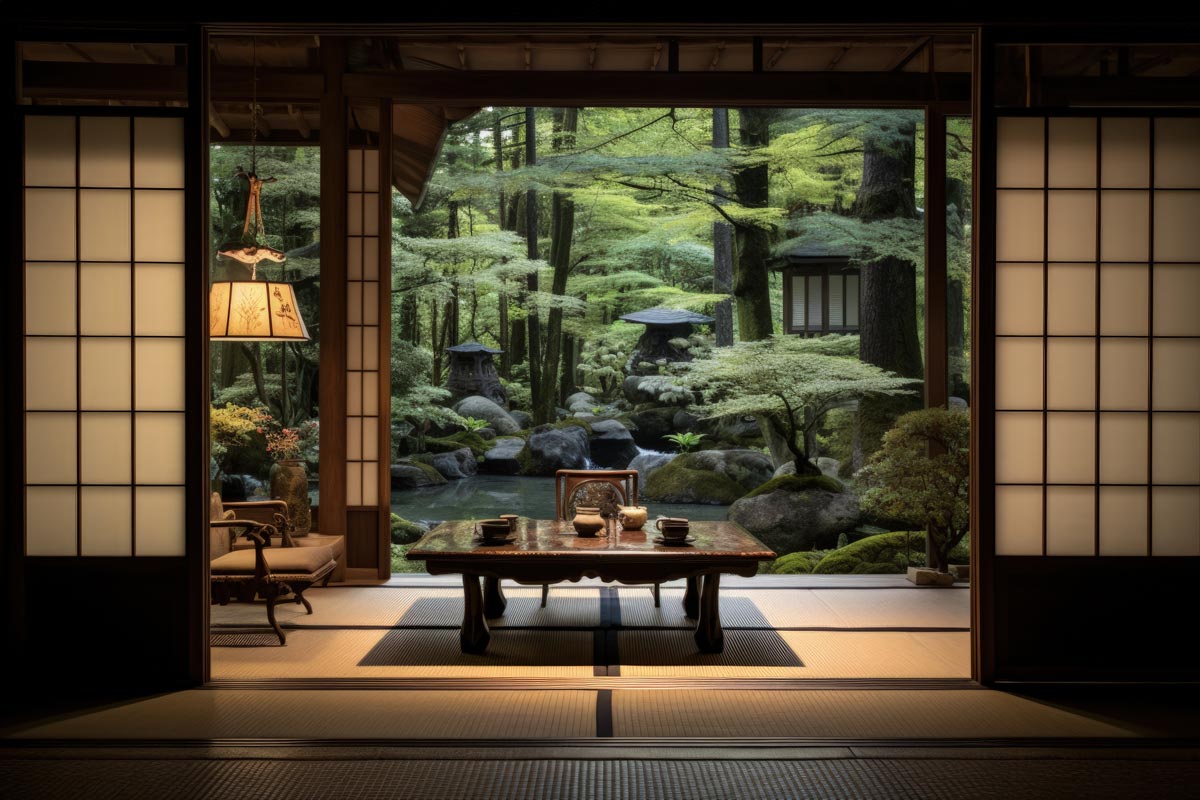
Photos are for illustrative purposes only.
Ueno Park is one of Tokyo’s most beloved green spaces and a classic stop on any first-time Japan itinerary. Just a few minutes from Ueno Station, this spacious park combines nature, museums, temples, and street food into one easy-to-explore area. Whether you are visiting Tokyo for a week or just passing through on a layover, Ueno Park offers an accessible snapshot of Japanese culture in a single neighborhood.
Why Ueno Park Belongs on Your Tokyo Itinerary
For international visitors, Ueno Park is an ideal introduction to Japan because it brings together several essential experiences in one place:
- Cherry blossoms and seasonal nature
- World-class museums and art galleries
- Historic shrines and a tranquil pond
- Easy connections to Tokyo’s major train lines
Unlike more crowded urban districts, Ueno Park feels open and walkable, with wide paths, clear signs, and plenty of benches. You can simply wander, or build a structured day visiting specific spots.
Getting to Ueno Park
By Train and Metro
Ueno Park is directly beside Ueno Station, one of Tokyo’s major transport hubs.
- JR Lines: Yamanote Line, Keihin-Tohoku Line, Joban Line, Utsunomiya Line, Takasaki Line, and some Shinkansen (bullet trains) stop here.
- Tokyo Metro: Ginza Line and Hibiya Line (Ueno Station).
From the JR station, follow signs for the “Park Exit” (Koen-guchi). Once outside, you will see stairs or a gentle slope leading up into the park. From the Tokyo Metro lines, follow indicators for Ueno Park; exits are well marked in English.
From Narita or Haneda Airport
- From Narita Airport: The Keisei Skyliner runs directly to Keisei Ueno Station in about 40 minutes. From there, it is a short 5–8 minute walk to the park.
- From Haneda Airport: Take the Tokyo Monorail to Hamamatsucho, then transfer to the JR Yamanote Line to Ueno Station (about 40–50 minutes total).
Because Ueno is also a Shinkansen stop, some travelers use Ueno Park as a pleasant break before or after long-distance train journeys to northern Japan.
Best Time to Visit Ueno Park
Cherry Blossom Season (Late March to Early April)
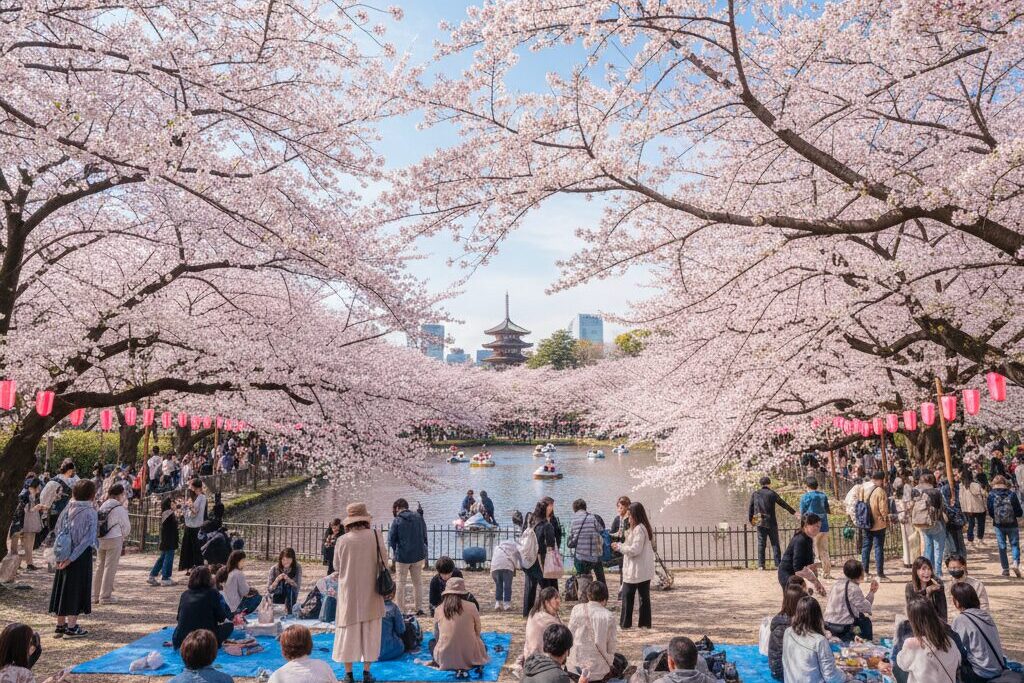
Ueno Park is one of Tokyo’s most famous cherry blossom (sakura) viewing spots, with hundreds of trees lining the main promenade. During peak bloom, the avenue becomes a pink tunnel, and evenings are lit by traditional lanterns.
This period is also the busiest. Expect crowds, especially on weekends, and consider visiting early in the morning or around sunset for a more relaxed experience. If you see people picnicking under the trees, you are witnessing hanami, Japan’s tradition of enjoying the transient beauty of blossoms.
Other Seasons
- Spring (March–May): After cherry blossoms, azaleas and other flowers brighten the park. Temperatures are comfortable for walking.
- Summer (June–August): Lush green trees offer shade, and Shinobazu Pond is filled with lotus leaves and flowers. It can be hot and humid, so bring water and a hat.
- Autumn (October–November): Maple and ginkgo trees turn shades of red and gold, creating beautiful photo opportunities.
- Winter (December–February): The park is quieter and more peaceful. On clear days, the crisp air and pale winter light give the museums and temples a calm, contemplative atmosphere.
Top Attractions Inside Ueno Park
The Tokyo National Museum
The Tokyo National Museum is Japan’s oldest and largest museum, and a must-see for anyone interested in the country’s history and art. The complex includes several buildings, each focusing on different themes, from samurai armor and swords to Buddhist sculptures and delicate kimono.
Explanations are available in English, and the main exhibits provide a clear overview of Japanese culture from ancient times to the modern era. Allow at least two hours if you want to see the highlights without rushing.
Ueno Zoo
Opened in 1882, Ueno Zoo is Japan’s oldest zoo and a favorite with local families.
The zoo features a wide variety of animals and is split into two main areas connected by a monorail. It is an enjoyable stop if you are traveling with children or simply want a break from museums.
National Museum of Nature and Science
This large museum covers everything from dinosaurs and space to Japan’s natural environment and technological development. It includes interactive exhibits and an impressive whale model suspended above the entrance area.
The nature and science focus makes it particularly engaging for families and curious travelers who enjoy hands-on displays. English signage is widespread, though not every small label is translated.
Ueno Royal Museum and Art Spaces
Ueno Park is also home to several art museums, including the Ueno Royal Museum and the nearby Tokyo Metropolitan Art Museum. These institutions host rotating exhibitions ranging from classical Japanese works to contemporary international art. If you are an art lover, check exhibition schedules before your trip to see what will be on view during your visit.
Shinobazu Pond
At the southern edge of Ueno Park lies Shinobazu Pond, a tranquil contrast to the busy paths near the station. The pond is divided into sections, including a lotus pond that becomes a sea of green leaves and pink blossoms in summer.
You can rent rowboats or pedal boats to explore the water and enjoy views of the city skyline framed by nature. In the center of the pond stands Bentendo, a small temple dedicated to Benzaiten, a goddess associated with music and the arts. It is a picturesque spot for photographs and a quiet pause.
Kiyomizu Kannon-do and Other Temples
Kiyomizu Kannon-do is one of the park’s most historic temples, modeled in part after Kyoto’s famous Kiyomizu-dera. The wooden structure stands on a raised platform, offering views over the park and seasonal foliage.
Throughout Ueno Park you will find smaller shrines, memorials, and statues that recall the area’s long history as a temple district. Even if you are not deeply familiar with Buddhism or Shinto, it is worth stepping quietly into a shrine courtyard to experience the calm atmosphere and observe how locals offer prayers with a bow and a coin.
Experiencing Japanese Culture in Ueno Park
Understanding Hanami and Outdoor Gatherings
During cherry blossom season, Ueno Park is one of the best places to observe hanami. Groups spread blue plastic sheets under the trees, share food and drinks, and enjoy the blossoms together. While these gatherings are festive, they also follow some unwritten rules of courtesy: people avoid blocking main paths, keep their area tidy, and carry their trash home or to designated collection points.
As a visitor, you are welcome to join a picnic if invited or simply watch from the sidelines. If you plan your own hanami, arrive early to secure a space and be mindful of noise levels and park regulations.
Manners at Shrines and Temples
Ueno Park’s religious sites are active places of worship. If you wish to participate respectfully, remember a few simple steps:
- At purification basins, rinse your hands lightly using the ladle; do not drink directly from it.
- At shrines, toss a coin into the offering box, bow twice, clap twice, then bow once more.
- Inside temple or shrine buildings, speak quietly and follow any photography restrictions.
These small gestures of respect will be appreciated and add meaning to your visit.
Nearby Streets and Neighborhood Highlights
Ameya-Yokocho (Ameyoko)
Just across the tracks from Ueno Park, Ameya-Yokocho—often shortened to Ameyoko—is a bustling market street running between Ueno and Okachimachi Stations. Once a black-market hub after World War II, today it is packed with shops selling snacks, spices, seafood, clothing, cosmetics, and souvenirs.
Ameyoko is excellent for sampling casual street food such as grilled skewers, takoyaki (octopus balls), or taiyaki (fish-shaped sweet cakes). Signs are often in Japanese, but many vendors are used to foreign visitors and will point or show plastic food samples to help you decide.
Yanaka and the Old Tokyo Atmosphere
A short walk or bus ride from Ueno Park takes you to Yanaka, one of Tokyo’s best-preserved traditional neighborhoods. While technically separate from the park, it pairs well with a Ueno visit. Strolling Yanaka’s narrow streets reveals wooden houses, small temples, and family-run shops.
If you have half a day to spare, combine a morning in Ueno Park with an afternoon walk through Yanaka for a glimpse of both cultural institutions and everyday local life.
Practical Tips for Visiting Ueno Park
Opening Hours and Admission
Ueno Park’s outdoor areas are generally open all day, with no entrance fee. However, individual facilities such as museums and the zoo have their own hours and admission charges. Most museums close one day per week (often Monday) and over New Year holidays. Before your visit, check the latest schedules and any special closure dates.
Tickets and Payment
Many museums offer combination tickets for multiple exhibits or discounts for students and children. Payment by cash is widely accepted; larger institutions increasingly take credit cards and IC cards such as Suica or Pasmo. For popular exhibitions, advance reservations may be recommended on weekends and holidays.
Food and Drink
Within the park, you will find small cafes, food stalls (especially during events), and vending machines offering drinks. For a wider choice of restaurants, head toward Ueno Station or Ameyoko, where you can find everything from quick noodle shops to sit-down meals.
Eating while walking is generally discouraged in Japan, but sitting on a bench or in a designated rest area with a snack is perfectly acceptable.
Accessibility and Facilities
Ueno Park’s main paths are relatively flat and paved, making them suitable for wheelchairs and strollers. Elevators and ramps are available at most major museums, and accessible restrooms are located around the park. Maps and signs commonly include English, Chinese, and Korean, which makes navigation straightforward even for first-time visitors.
Safety and Useful Services
Ueno Park is generally safe, even in the evening, though it is sensible to exercise the usual travel awareness. Police boxes (koban) and information counters near the station can help with directions or lost items. Free Wi-Fi is sometimes available around major facilities, but do not rely on it everywhere; a portable Wi-Fi device or SIM card is handy for translation and navigation.
Suggested Itineraries for Ueno Park
Half-Day Highlights (3–4 Hours)
- Enter from Ueno Station and stroll the main cherry tree avenue.
- Visit the Tokyo National Museum for an overview of Japanese art and history.
- Walk down to Shinobazu Pond and Bentendo for views over the water.
- Finish with snacks or shopping in Ameyoko before returning to the station.
Full-Day Culture and Nature (6–8 Hours)
- Morning at Ueno Zoo, including the panda enclosure.
- Lunch near Ueno Station or inside the park.
- Afternoon at the National Museum of Nature and Science or an art museum.
- Late-afternoon walk through Kiyomizu Kannon-do and smaller shrines.
- Early evening in Ameyoko for dinner and people-watching.
Making the Most of Your Visit
For first-time travelers to Japan, Ueno Park offers a gentle introduction to the country’s blend of tradition and modernity. Museums explain Japan’s past and present; shrines and temples provide quiet corners for reflection; the pond and trees soften the city’s bustle; and nearby streets reveal the energy of everyday Tokyo.
Whether you spend a quick morning or an unhurried full day, Ueno Park is easy to reach, simple to navigate, and rich in experiences. Include it early in your itinerary, and you will gain a useful cultural foundation for the rest of your journey through Japan.

Access Map
Recommended spots for Cherry Blossoms
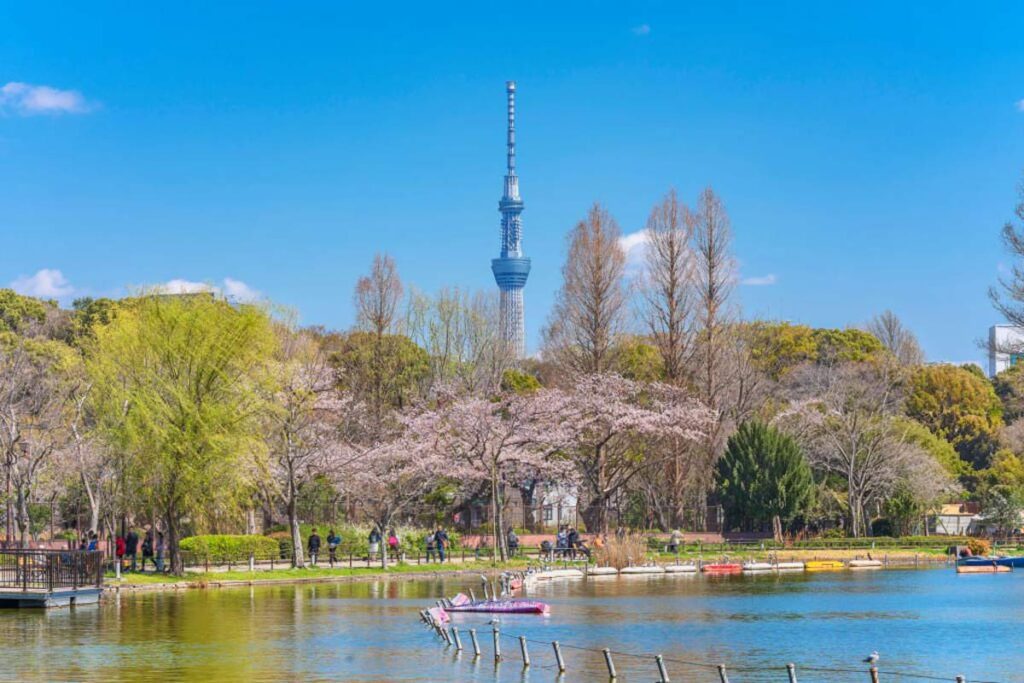
Tokyo
- Ueno Park
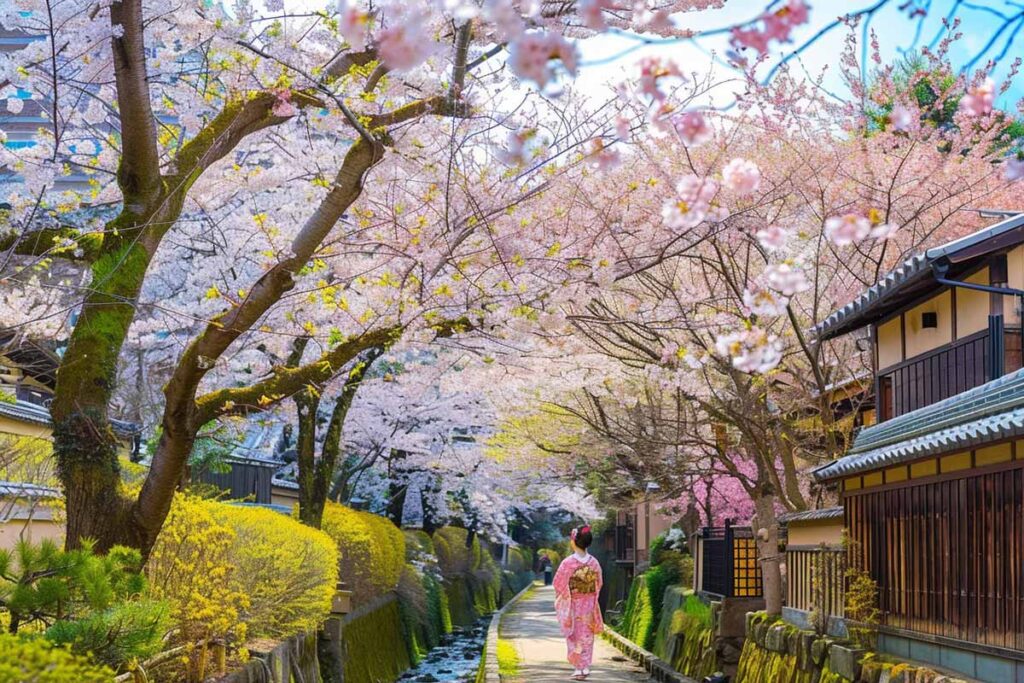
Kyoto
- Philosopher's Path
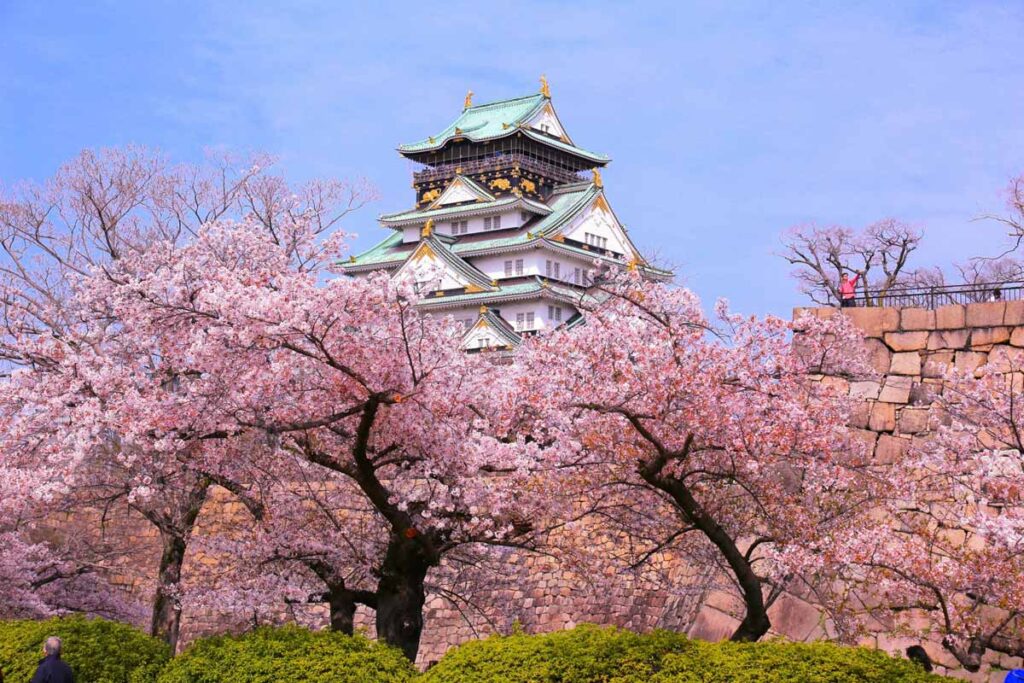
Osaka
- Osaka Castle Park
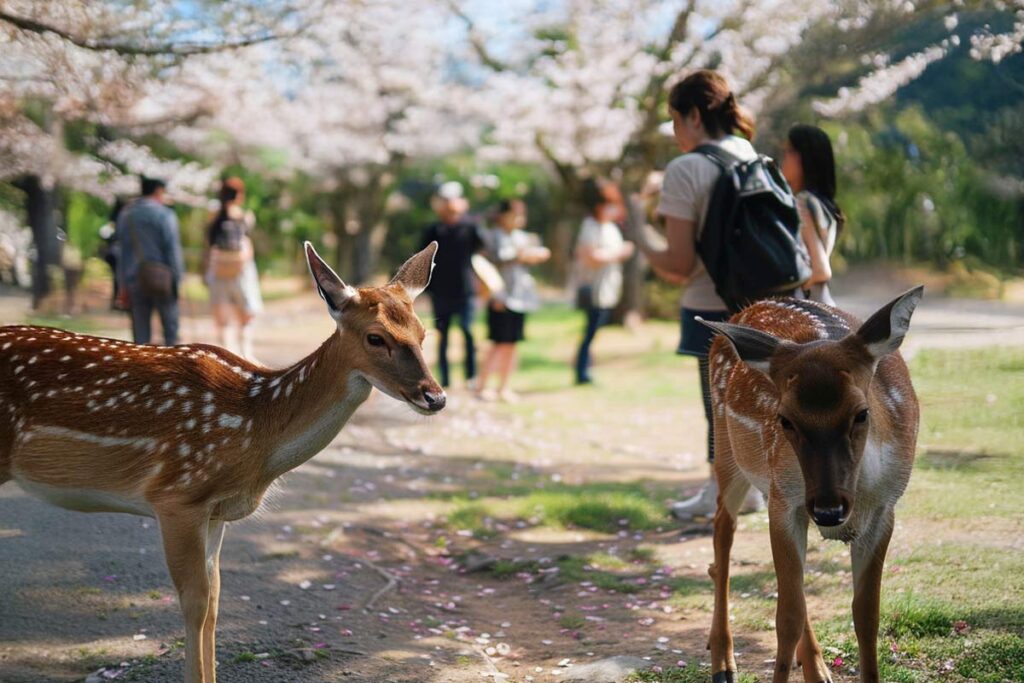
Nara
- Nara Park
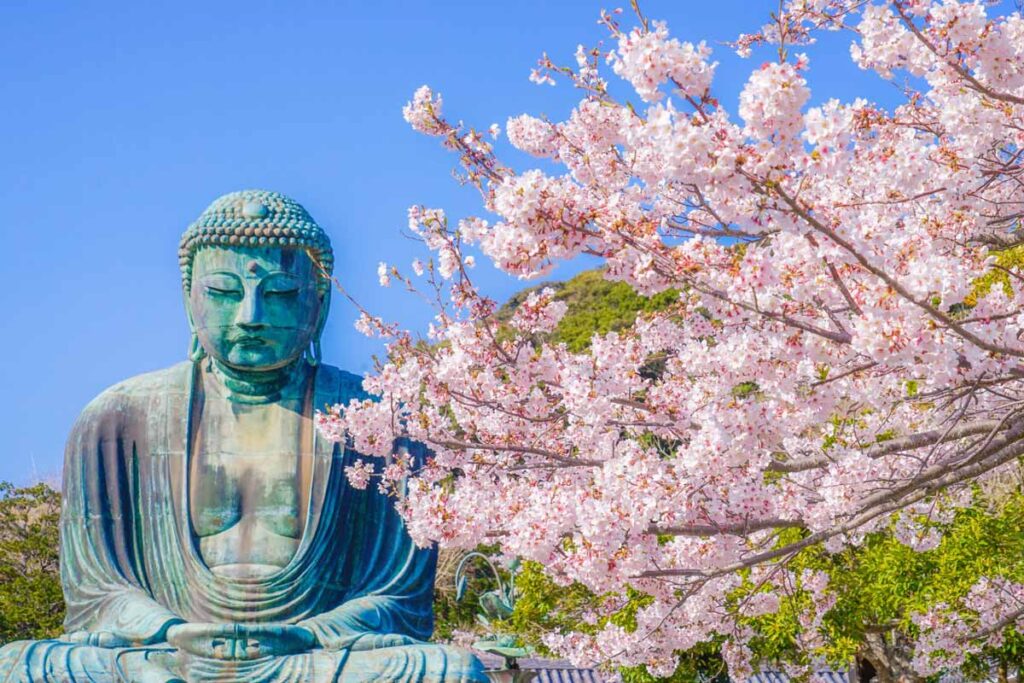
Kanagawa
- Kamakura
Other Seasonal Spot
Summer Festivals
Autumn Leaves