



Tottori
Tottori Travel Guide: Japan’s Quiet Coastal Escape

Photos are for illustrative purposes only.
Tottori is one of Japan’s least-visited prefectures, and that is exactly its charm. On the Sea of Japan coast in western Honshu, this rural region is best known for its sweeping sand dunes, peaceful beaches, dramatic cliffs, and laid-back hot spring towns. For first-time visitors who want to balance big-city energy with quiet landscapes and local hospitality, Tottori offers a slower, deeply Japanese pace of travel.
Why Visit Tottori on Your First Trip to Japan?
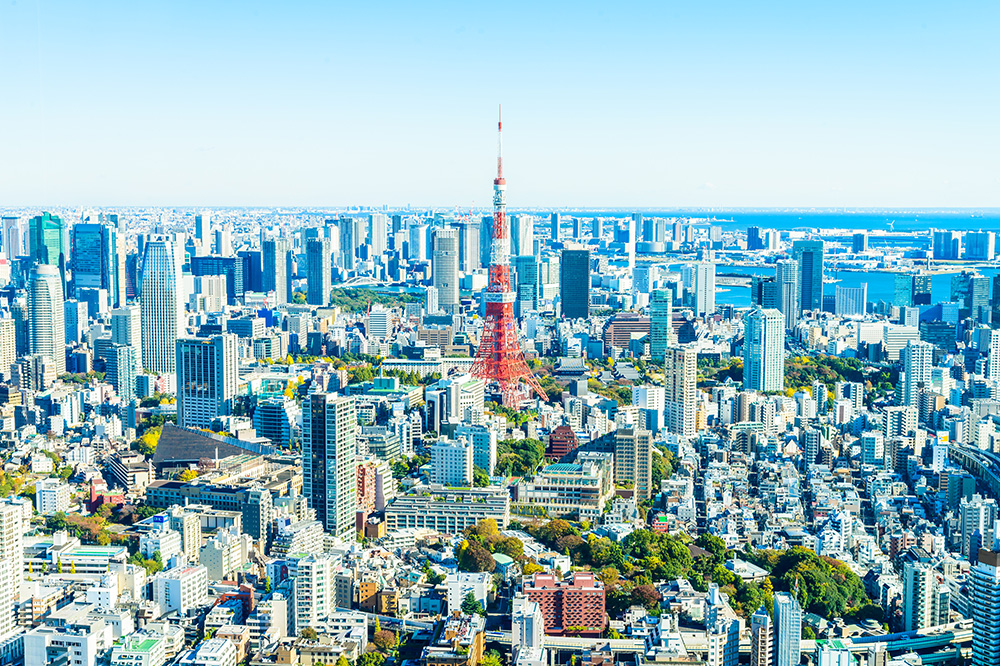
Many first-time itineraries focus on Tokyo, Kyoto, and Osaka, but adding Tottori gives you a chance to see another side of Japan. Instead of neon streets and crowded shrines, you’ll find pine-fringed coastlines, traditional onsen inns, and a sky full of bright stars at night. English is less common here, but locals are welcoming and patient, and you can still get by comfortably with a bit of preparation.
Tottori is ideal if you:
- Enjoy nature, hiking, and beaches without crowds
- Are curious about hot springs and rural Japanese life
- Love manga and pop culture (Tottori is the home of famous manga artists)
- Want a slower, more reflective break between busy cities
Where Is Tottori and How Do You Get There?
Tottori Prefecture lies along the Sea of Japan coast in the Chugoku region, west of Kyoto and north of Okayama and Hiroshima. There are two main cities: Tottori City in the east and Yonago in the west. Most visitors choose one as a base and explore from there.
From Tokyo
- By plane: Around 1 hour 15 minutes to Tottori Airport or Yonago Kitaro Airport from Tokyo Haneda. This is the fastest and most convenient way.
- By train: Take the Tokaido–Sanyo Shinkansen to Himeji or Okayama (about 3–3.5 hours), then transfer to a limited express train for Tottori (about 2–2.5 hours). Japan Rail Pass users will find this option attractive.
From Kyoto and Osaka
- From Osaka: Limited express trains run from Osaka Station to Tottori in about 2.5 hours.
- From Kyoto: Travel via Osaka or Tottori-bound limited express services; total time is about 3 hours.
Once in Tottori, public buses and trains cover many sights, but services may be infrequent. For more freedom, especially in rural areas, renting a car at the airport or in the city is very practical. Roads are generally good and well signed, though winter snow can be an issue in the mountains.
Highlights of Tottori for First-Time Visitors
Tottori Sand Dunes: Japan’s Coastal Desert
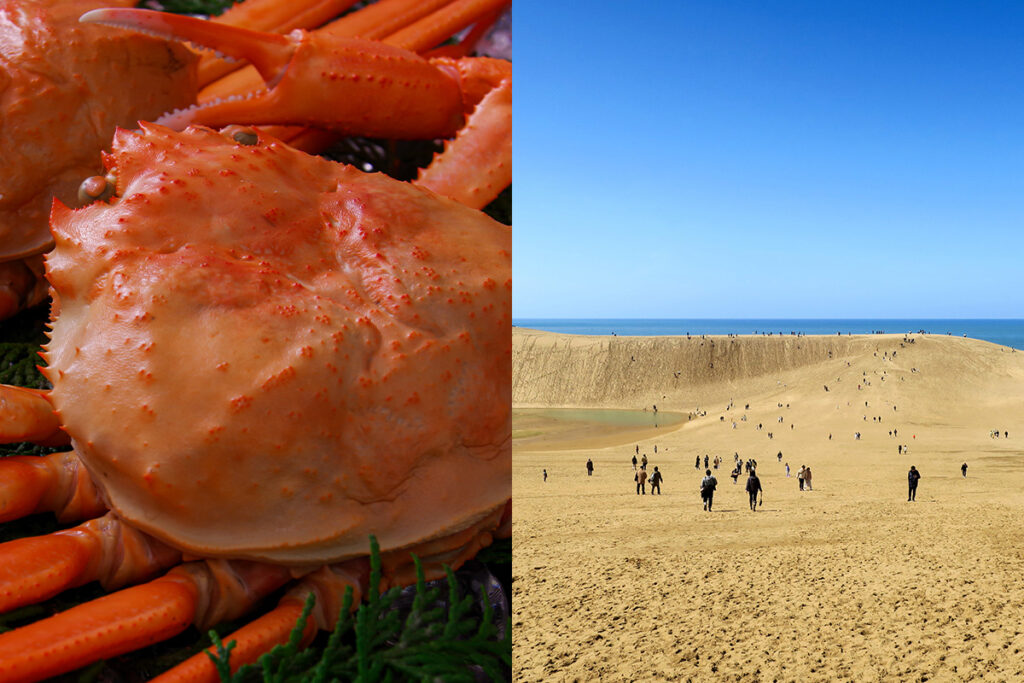
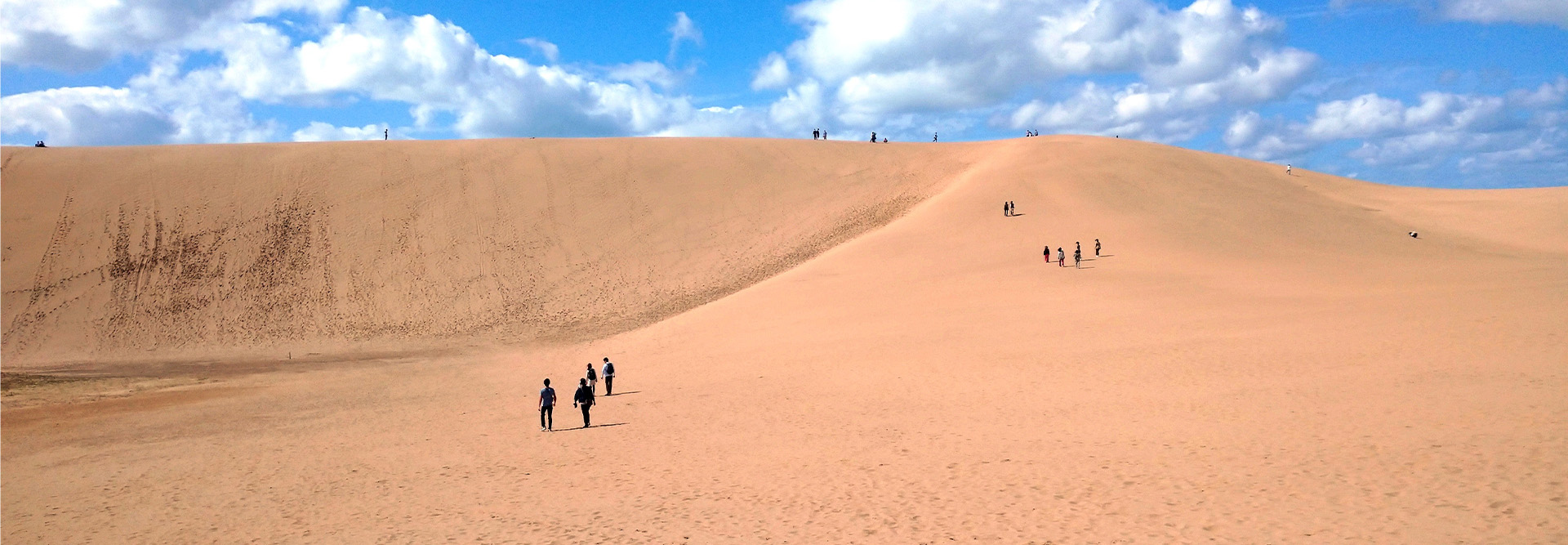
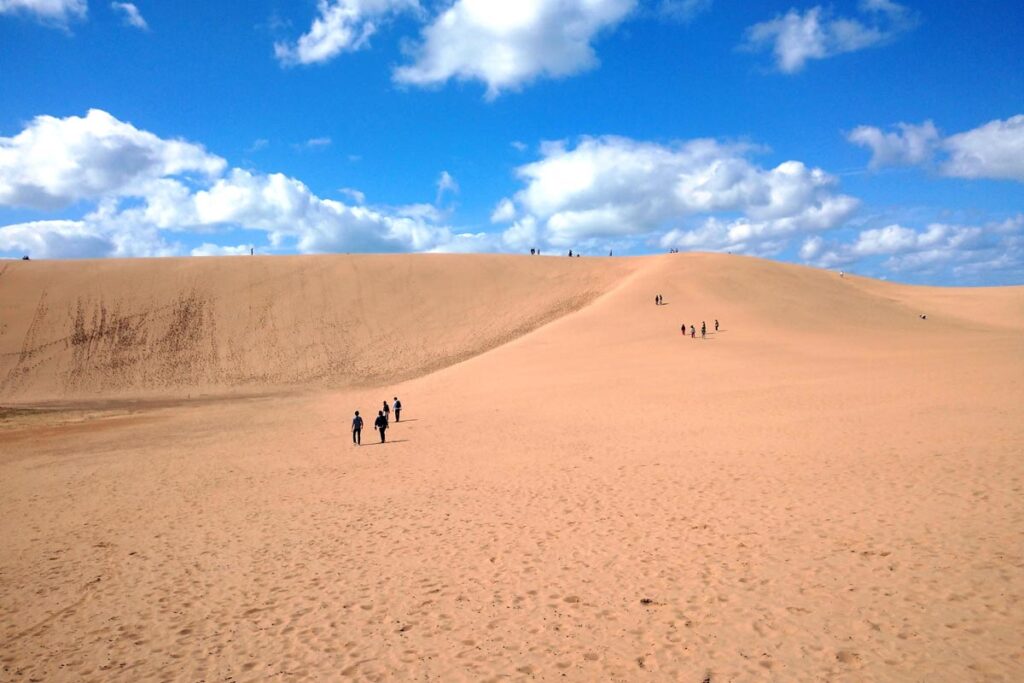
The Tottori Sand Dunes are the prefecture’s signature attraction and one of the most surreal landscapes in Japan. Stretching for about 16 kilometers along the Sea of Japan, with dunes rising up to 50 meters high, this coastal desert offers sweeping views of golden sand, blue sea, and sky.
At the main visitor area east of Tottori City, you can:
- Climb the largest dune and gaze out across the sea
- Walk barefoot on the sand in warmer months
- Try seasonal activities like sandboarding, fat-tire cycling, or paragliding
- Take camel rides for photos, a playful tourist touch that contrasts with the natural setting
Wind and waves constantly reshape the dunes, creating delicate ripples and patterns. Visit early in the morning or near sunset for softer light and cooler temperatures. After rain, the sand may form temporary pools called “oasis,” mirroring the sky.
The Sand Museum: Art Carved from Grains
Near the dunes, the Sand Museum showcases enormous, finely detailed sand sculptures created by artists from around the world. Each exhibition follows a theme focused on a different country or cultural region, and the sculptures are rebuilt annually as sand naturally returns to the earth. It’s a unique combination of Japanese dedication to craft and the impermanence often seen in traditional arts, such as seasonal tea ceremony sweets or flower arrangements.
Uradome Coast: Cliffs, Coves, and Clear Water
East of the dunes, the Uradome Coast offers a dramatic contrast to the sandy desert scenery. Here, white rocky cliffs plunge into turquoise water, small islands dot the horizon, and pine trees cling to the slopes in shapes reminiscent of ukiyo-e woodblock prints.
Popular activities include:
- Coastal cruises: Short boat trips weave between islands and caves, giving you close-up views of the rock formations.
- Sea kayaking or stand-up paddleboarding: In calm weather you can glide along the coastline, exploring hidden coves.
- Beach time: In summer, small sandy beaches offer quiet swimming spots far from the crowds of Japan’s larger beach resorts.
Mt. Daisen: Sacred Peak and Hiking Paradise
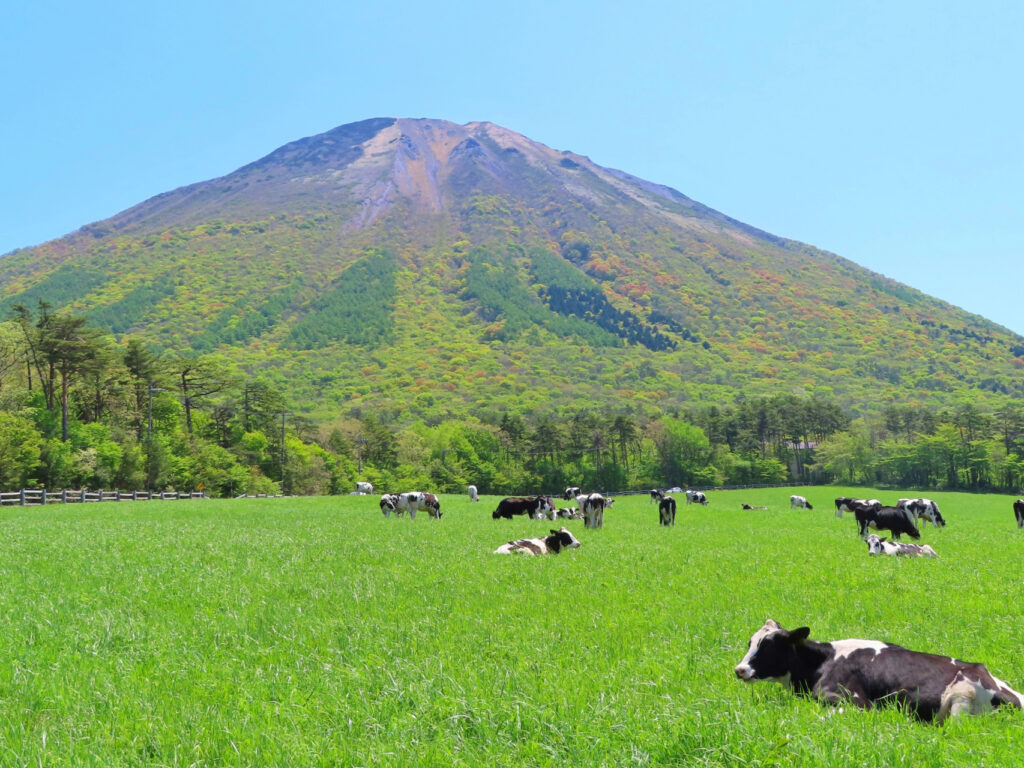
In western Tottori, Mt. Daisen rises to 1,729 meters and has long been revered as a sacred mountain. In the past, ascetic monks practiced mountain worship here, and you can still feel a spiritual atmosphere around Daisenji Temple and Ogamiyama Shrine.
In spring and summer, Mt. Daisen is a popular hiking area, with routes ranging from gentle forest walks to demanding summit trails. Autumn brings brilliant foliage, while winter transforms the area into one of western Japan’s most reliable ski and snowboarding destinations.
The mountain’s volcanic soil also nurtures rich dairy pastures. Look out for local Daisen milk, yogurt, and soft-serve ice cream sold at roadside stations and cafes.
Hot Springs and Onsen Towns
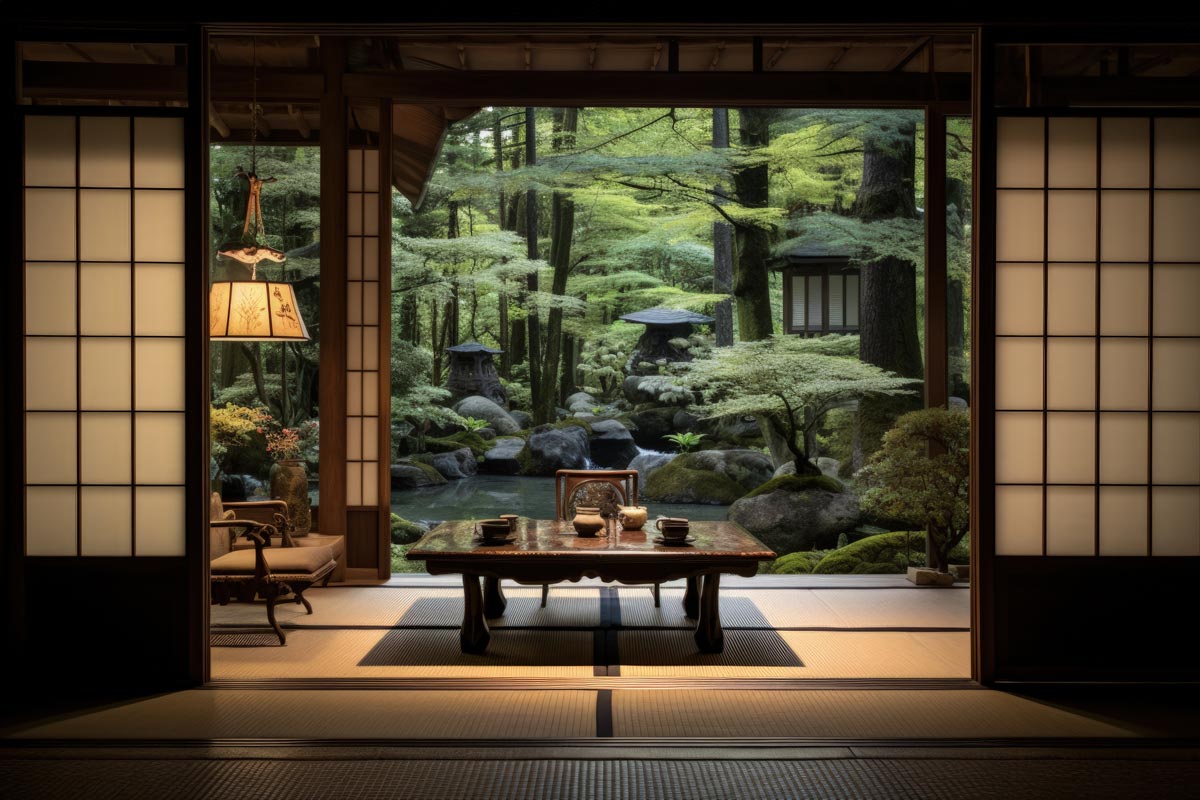
Tottori’s rugged landscape hides many onsen (hot springs), where natural mineral waters are channeled into baths at inns and public facilities. For first-time visitors, an overnight stay at an onsen ryokan (traditional inn) is a highlight of any trip to rural Japan.
Some of the best-known hot spring areas include:
- Misasa Onsen: Famous for its radium-rich waters, this compact riverside town has narrow lanes, wooden inns, and public foot baths. Locals believe the water promotes health and longevity.
- Kaike Onsen: A seaside hot spring area near Yonago, where you can enjoy ocean views from open-air baths.
Onsen etiquette is important: you wash thoroughly before entering the shared bath, soak quietly without splashing, and usually bathe nude, with separate baths for men and women. If you’re unsure, ryokan staff are used to guiding international visitors gently through the customs.
Manga and Pop Culture Connections
Surprisingly for such a rural prefecture, Tottori has strong ties to Japanese manga. Several famous artists were born here, and local towns celebrate their work with themed streets and museums.
- Adachi Museum of Art: While not manga, this museum near Matsue (just across the border from Tottori) is a popular excursion from western Tottori. It is renowned for perfectly manicured Japanese gardens that often top national rankings, and for its collection of modern Japanese paintings.
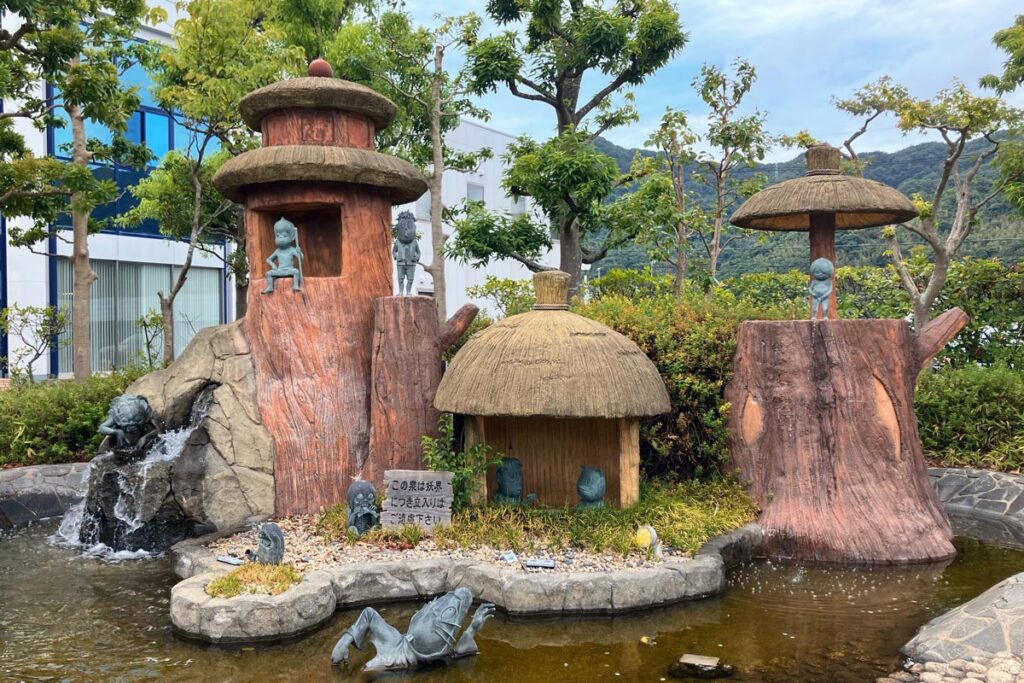
- Mizuki Shigeru Road (nearby in Sakaiminato): Easily reached from western Tottori, this street honors the creator of the yokai (spirit) manga “GeGeGe no Kitaro,” with bronze statues and playful references to Japanese folklore creatures.
These sites give a fun, accessible introduction to Japanese pop culture, mythology, and contemporary art, contrasting nicely with Tottori’s natural scenery.
Food and Local Flavors in Tottori
Coastal Tottori is a paradise for seafood lovers, while its interior is known for fresh produce and dairy. Menus are often written only in Japanese, but plastic food models and photos help you order. Staff are usually happy to recommend their specialties.
Seafood from the Sea of Japan
The Sea of Japan delivers rich, cold-water fish and shellfish, especially in winter. Look for:
- Matsuba crab: A prized winter snow crab served boiled or as sashimi. Ports across Tottori proudly advertise their catch.
- White squid and cuttlefish: Often served as translucent sashimi with soy sauce and ginger or wasabi.
- Local sushi and kaisendon: Bowls of rice topped generously with raw fish, an easy way to sample several types at once.
Rural Comfort Food
Away from the coast, you’ll find hearty dishes that match the region’s mountain climate:
- Game and local beef: Restaurants sometimes serve venison, wild boar, or branded local beef in hot pots or grilled.
- Fruit and dairy: Pears and melons from the region are especially sweet, and soft-serve ice cream made with local milk is a simple pleasure.
Don’t hesitate to pop into small family-run eateries. While English may be minimal, pointing to menu photos, using translation apps, and a friendly attitude go a long way.
Best Time to Visit Tottori
Tottori’s character changes with the seasons, each offering different experiences for first-time travelers.
- Spring (March–May): Mild weather and cherry blossoms make this a comfortable time to visit. Mountain trails gradually open as snow melts, and the dunes are pleasant to walk.
- Summer (June–August): Hot and humid, but ideal for beach time on the Uradome Coast and evening strolls at onsen towns. Be prepared for strong sun at the dunes.
- Autumn (September–November): Often the best all-round season. Clear skies, comfortable temperatures, autumn colors on Mt. Daisen, and great seafood.
- Winter (December–February): Cold, with snow in the mountains and occasional snow on the coast. This is prime time for crab, hot springs, and skiing on Mt. Daisen, though some outdoor activities may be limited.
Suggested 2–3 Day Itinerary in Tottori
Day 1: Sand Dunes and Coastal Scenery
- Morning: Arrive in Tottori City and drop bags at your hotel or coin locker.
- Late morning–afternoon: Visit the Tottori Sand Dunes. Walk to the top, explore the sand, and visit the Sand Museum.
- Evening: Head to an onsen town such as Misasa or stay in Tottori City. Enjoy local seafood or a ryokan kaiseki dinner.
Day 2: Uradome Coast and Local Culture
- Morning: Travel to the Uradome Coast for a scenic cruise or kayaking session, depending on the season.
- Afternoon: Relax at a coastal beach in summer, or return to the city to explore local shops and cafes.
- Evening: Soak in an onsen and try regional dishes such as crab (in season) or local beef.
Day 3: Mt. Daisen and Western Tottori (Optional)
- Morning: Travel to the Mt. Daisen area near Yonago. Visit Daisenji Temple and walk one of the easier forest trails, or ski in winter.
- Afternoon: Sample dairy products at a local farm shop, or visit nearby museums and viewpoints.
- Evening: Depart by train or plane to your next destination, such as Osaka, Hiroshima, or back to Tokyo.
Practical Tips for Visiting Tottori
Language and Communication
English is not widely spoken in rural areas, but basic phrases and translation apps will help. Train and major bus stations usually have some English signage, and tourist information centers often provide English maps and brochures.
Getting Around
- Public transport: Local trains and buses connect major sights, but frequencies can be low, especially on weekends and holidays. Check schedules in advance.
- Rental car: Highly convenient for exploring Mt. Daisen, remote hot springs, and small coastal towns. International visitors need an International Driving Permit along with their home license.
- IC cards and tickets: Not all buses accept nationwide IC cards, so carry some cash for fares.
What to Pack
- Comfortable walking shoes or sandals suitable for sand and uneven paths
- A hat, sunglasses, and sunscreen for visiting the dunes and coast
- A light jacket or layers, as coastal winds and mountain weather can be cool even in shoulder seasons
- A small towel and toiletries if you plan to use public onsen baths
Adding Tottori to Your Japan Itinerary
Tottori fits naturally into a broader western Japan route. You can travel from Kyoto or Osaka to Tottori, then continue west toward Okayama, Hiroshima, and Fukuoka, or loop back via nearby prefectures. By including Tottori, your first trip to Japan gains a sense of balance: the contrast between quiet dunes and busy streets, between small-town hospitality and urban efficiency.
For travelers willing to venture just a little off the beaten path, Tottori rewards you with open skies, fresh sea air, and the relaxed rhythm of rural Japan—an experience many visitors remember even more vividly than the country’s famous cities.

Access Map
Recommended spots in Tottori
Tottori Sand Dunes / Sand Museum
Mizuki Shigeru Road
Tottori Useful Link