




Tottori Sand Dunes / Sand Museum
Guide to Tottori Sand Dunes and the Sand Museum in Japan
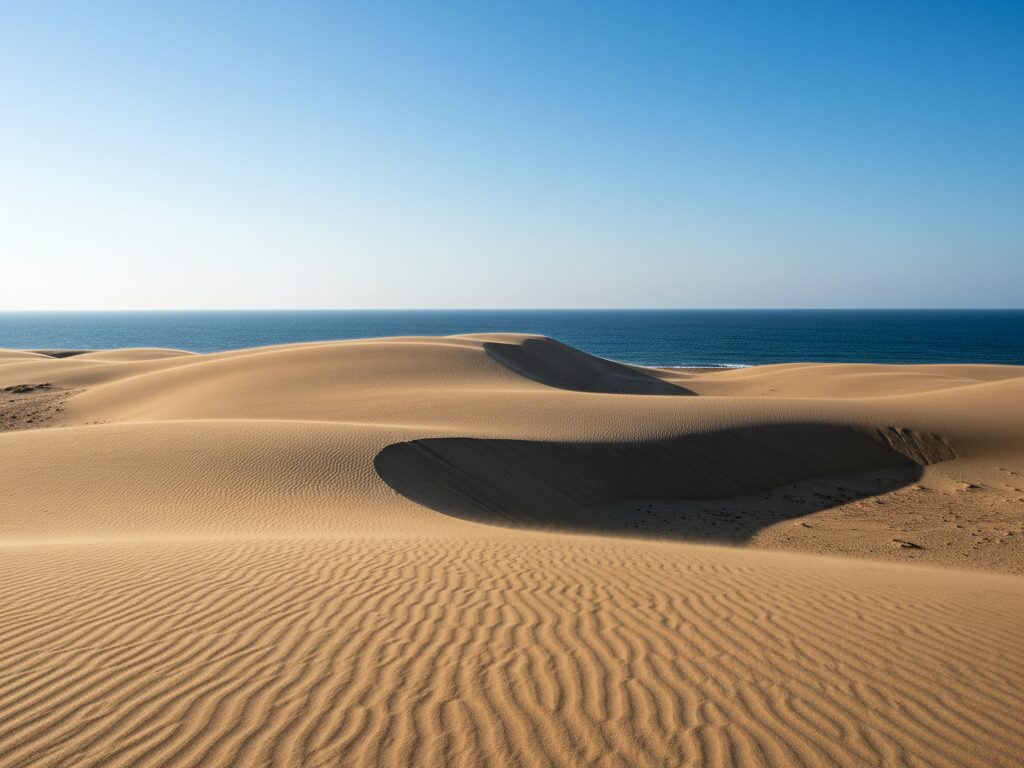
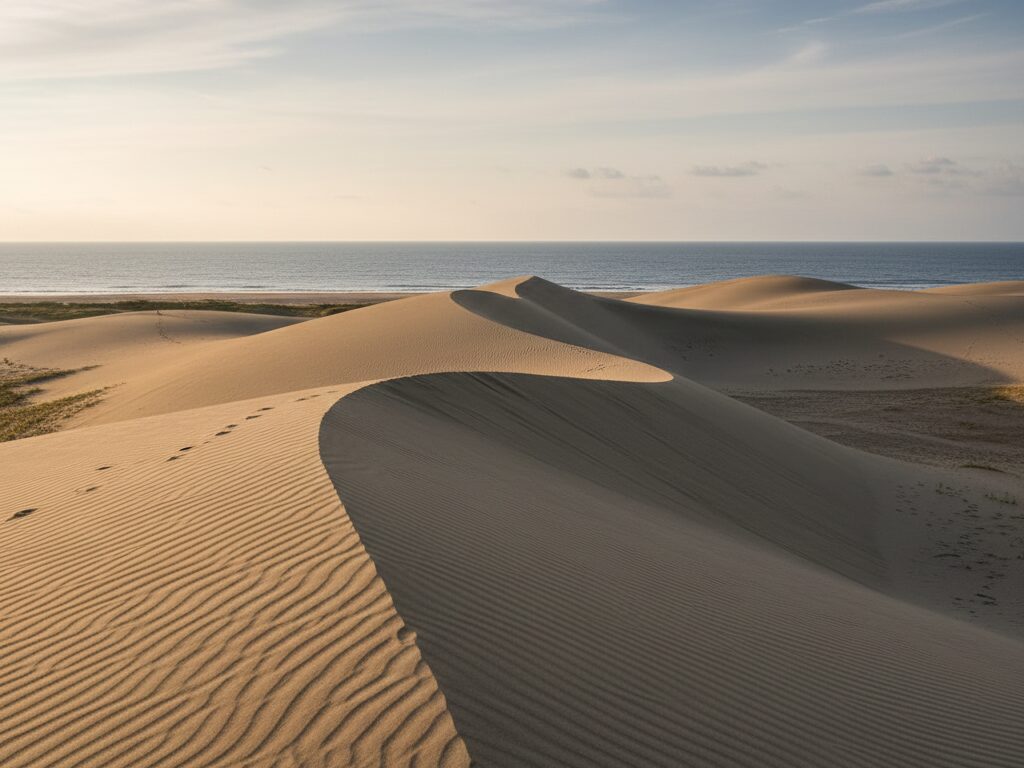
Photos are for illustrative purposes only.
On Japan’s rugged Sea of Japan coast, far from the neon of Tokyo and Osaka, you’ll find one of the country’s most surprising landscapes: the Tottori Sand Dunes and the nearby Sand Museum. For first-time visitors to Japan, this is a chance to see a completely different side of the country, where wind-sculpted sand, sweeping sea views, and intricate sand art combine into a uniquely memorable day trip.
What Are the Tottori Sand Dunes?
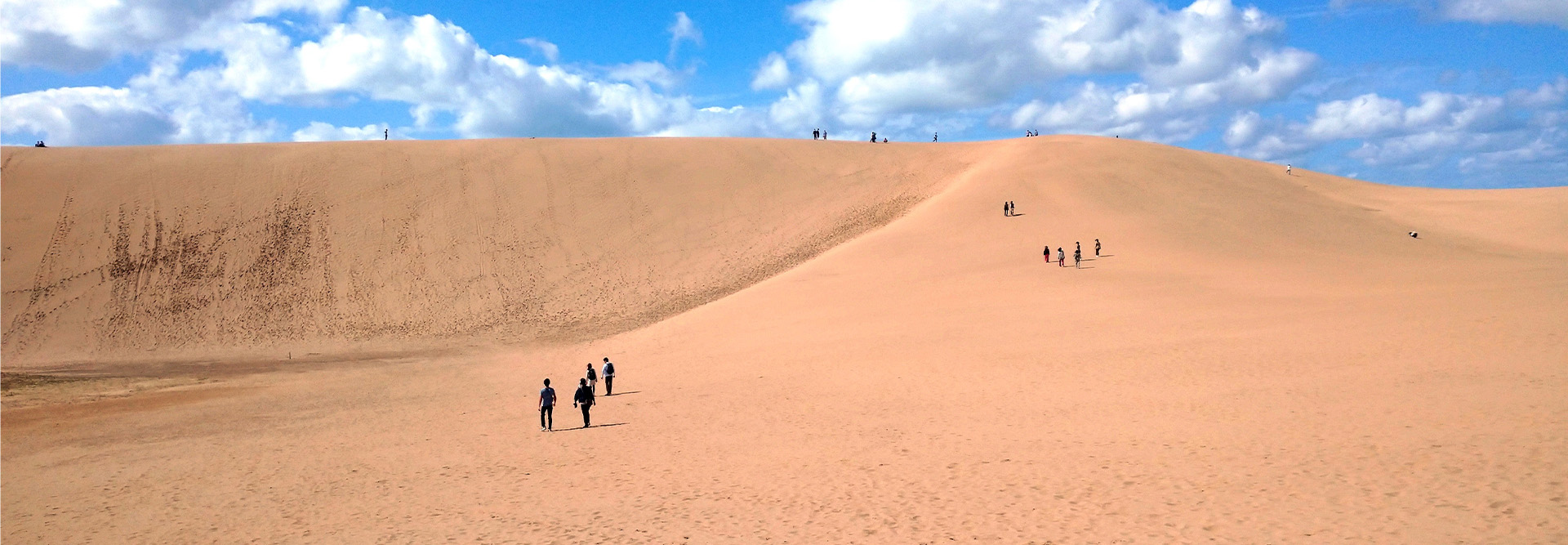
The Tottori Sand Dunes (Tottori Sakyu) are Japan’s largest coastal dune system, stretching roughly 16 km along the shoreline and reaching up to 2 km inland. Some of the dunes rise more than 40 meters high, creating a desert-like scene that feels almost unreal in a country better known for rice fields, forests, and mountains.
While they may look like a desert, the dunes are shaped by the wind and waves of the Sea of Japan. Over thousands of years, sand carried from the Chūgoku Mountains by the Sendai River has been deposited along the coast and sculpted by coastal winds into ridges, slopes, and rippling patterns. The contrast of pale sand against dark blue sea and often a dramatic sky makes this one of Japan’s most photogenic natural sights.
Why Visit as a First-Time Traveler to Japan?
First-time visitors to Japan often focus on Tokyo, Kyoto, and Osaka. Tottori offers something very different and helps you understand Japan’s surprising regional diversity:
- Unexpected landscape: A desert-like environment in a country famous for green mountains and cherry blossoms.
- Outdoor adventure: Sandboarding, paragliding, coastal walks, and seasonal activities.
- Cultural twist: The Sand Museum adds a creative, artistic dimension that you won’t find elsewhere.
- Slower pace: Fewer crowds than major cities and a more relaxed, local atmosphere.
Top Things to Do at the Tottori Sand Dunes
Walk the Dunes and Enjoy the View
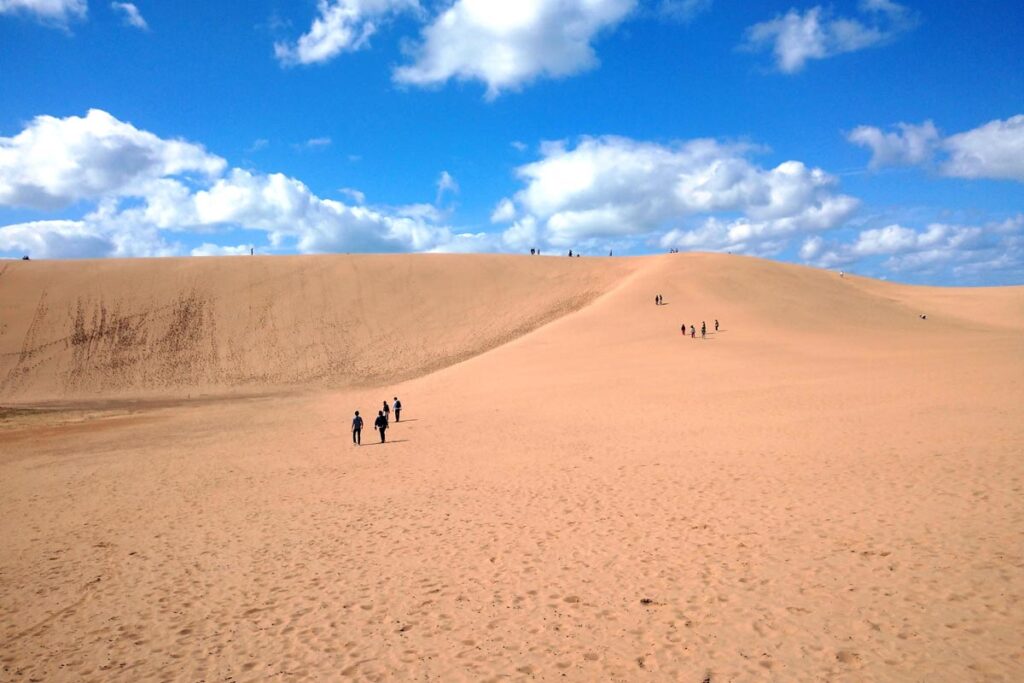
Most visitors begin by simply walking across the dunes toward the sea. From the main entrance area, you’ll climb a wide sandy slope to reach the higher ridges. The most famous viewpoint is known as the “Sabakudani” area, where a steep dune drops dramatically toward the water.
From the ridge tops, you can see the dunes undulating inland and the Sea of Japan stretching out in front of you. On clear days, the horizon feels endless and the wind can be quite strong, constantly reshaping the sand.
Experience the Desert Atmosphere
Although the dunes are not a true desert, they offer many elements of one. The sand can get very hot in summer, the sunlight is intense, and the open space creates a feeling of vastness that is rare in Japan. If you arrive early in the morning or close to sunset, the low-angle light creates striking shadows that highlight the textures of the sand.
For photography, consider:
- Morning or late afternoon: Softer light and fewer harsh reflections from the sand.
- Patterns and footprints: Wind-carved ripples and human footprints make expressive subjects.
- Wide-angle shots: To capture the scale of the dunes and the sea together.
Sandboarding and Adventure Activities
If you’re looking for more than a gentle stroll, the Tottori Sand Dunes are a playground for soft adventure:
- Sandboarding: Rent a board, climb a dune, and slide down like snowboarding on sand. Operators near the dunes offer short sessions suitable for beginners.
- Paragliding: Tandem flights allow you to glide over the dunes and coastline, weather permitting. It’s a spectacular way to see the landscape from above.
- Fat-tire cycling: Some tours use wide-tire bikes designed for sand, offering a novel way to explore.
These activities are typically available from spring through autumn. Book in advance, especially on weekends and holidays, as local operators may have limited English but are used to international visitors.
Camel and Horse-Drawn Cart Rides
One of the most photographed sights at the Tottori Sand Dunes is the small group of camels offering short rides. While the camels are not native to Japan, they add to the exotic, desert-like mood and are popular with families and couples. Horse-drawn carts may also be available in some seasons, providing a slower, more nostalgic way to cross the sand.
Rides are short and operate mainly during daylight hours. Expect to queue on busy days such as Golden Week (late April–early May) and weekends during summer.
The Sand Museum: Art Carved from Sand
Just a few minutes’ walk from the dunes stands the Sand Museum, a one-of-a-kind facility dedicated entirely to large-scale sand sculpture. It is indoors, so you can visit in any weather, making it an excellent complement to a trip to the dunes.
What to Expect Inside
The Sand Museum hosts annual exhibitions featuring sand sculptures created by invited artists from around the world. Each year focuses on a different theme, often highlighting a particular country, region, or historical era. Past themes have included places like Europe and North America, as well as broad cultural topics such as myths or world heritage.
Inside the main hall, you’ll find towering sculptures depicting famous buildings, legendary characters, and intricate scenes. The artists carve these works from specially compacted sand mixed with a small amount of water, then allow them to harden. The level of detail is astonishing, from facial expressions to architectural ornamentation.
Because the exhibits are temporary, the Sand Museum offers a unique experience each year. Once an exhibition ends, the sculptures are dismantled and the sand is reused for future shows, emphasizing the fleeting, impermanent nature of the art—an idea that resonates strongly with traditional Japanese aesthetics.
Viewing Tips and Cultural Context
The museum is designed for easy viewing, with upper-level walkways allowing you to look down over the sculptures as well as close-up ground-level perspectives. Information panels generally include basic English explanations of each piece, outlining what it represents and how it relates to the year’s theme.
The concept of carefully crafted artworks that are ultimately temporary echoes the Japanese appreciation for impermanence, known as mujo. Just as cherry blossoms bloom beautifully and then fall within days, these massive sand sculptures exist only for a single season. Visiting the museum is an opportunity to reflect on this cultural idea while enjoying an impressive display of international creativity.
Best Time to Visit
The Tottori Sand Dunes and Sand Museum can be visited year-round, but each season offers a different experience:
- Spring (March–May): Pleasant temperatures and relatively clear skies. A good time for hiking, sandboarding, and photography.
- Summer (June–August): Hot and sunny, with strong sunlight reflecting off the sand. Ideal for beach activities but be prepared for heat and bring sun protection.
- Autumn (September–November): Mild weather and often excellent visibility. Winds can be strong, creating dramatic patterns on the sand.
- Winter (December–February): Quiet and atmospheric. Occasionally, the dunes are dusted or covered with snow, creating a stark white landscape. Dress very warmly if you visit then.
Wind is a constant feature. Consider bringing a hat with a secure strap and protect your camera or phone from blowing sand. Sunglasses are extremely useful in all seasons.
How to Get to the Tottori Sand Dunes
The dunes are part of Tottori City in Tottori Prefecture on Japan’s west coast.
From Tottori Station
- By bus: Local buses run from Tottori Station to the dunes in about 20–25 minutes. Look for buses bound for “Sakyu” (sand dunes). The bus stops are clearly marked.
- By taxi: A taxi ride takes around 15–20 minutes, convenient if you are traveling with luggage or in a group.
Access from Major Cities
- From Osaka or Kyoto: Take a limited express train to Tottori (around 2.5–3 hours). Reservations are recommended in peak seasons.
- From Tokyo: The fastest way is usually to fly to Tottori Airport (approximately 1.5 hours), then take a bus or taxi into the city. Alternatively, you can travel by Shinkansen to Himeji or Okayama and transfer to a limited express train.
For first-time visitors, combining the Tottori Sand Dunes with other destinations in the San’in region (such as Matsue or Izumo) makes for a rewarding off-the-beaten-path itinerary.
Practical Tips for Visiting
What to Wear and Bring
Walking on sand can be tiring, and the environment is exposed, so plan accordingly:
- Footwear: Sandals or shoes that you don’t mind filling with sand. Some visitors go barefoot in warmer months, but be cautious in summer when the sand can become extremely hot.
- Clothing: Comfortable, breathable clothes in summer; layered clothing and a windproof jacket in cooler months.
- Sun protection: Sunscreen, a hat, and sunglasses are essential on sunny days.
- Water: Bring a bottle, especially if you plan to walk extensively.
Facilities and Services
Near the main entrance to the dunes you’ll find:
- Visitor facilities with restrooms
- Souvenir shops selling local products and sand-themed goods
- Cafés and restaurants offering light meals and regional specialties
The Sand Museum itself has a shop and rest area, and signage in the building generally includes English. Note that operating hours and exhibition periods may vary, so check the latest information before your visit.
Staying Safe on the Dunes
The dunes are generally safe for visitors of all ages, but keep these points in mind:
- Stay behind any ropes or signs marking restricted areas.
- Avoid steep descents if you have knee or ankle issues, particularly when the sand is loose.
- On very windy days, blowing sand can be uncomfortable; consider a scarf or mask.
- Keep an eye on children, as the open space and slopes can be tempting for fast running.
Local Food and Regional Flavors
Tottori Prefecture is known for excellent seafood from the Sea of Japan, including crab, squid, and seasonal fish. After exploring the dunes, try a meal at a local restaurant in the dunes area or back in Tottori City. In winter, hot crab dishes are especially popular and comforting after a chilly walk.
You’ll also find regional sweets and snacks inspired by the dunes and sand, such as sand-themed cookies or soft-serve ice cream flavored with local ingredients. These make fun, easy-to-carry souvenirs.
Suggested Itineraries for First-Time Visitors
Half-Day Itinerary
- Morning: Travel from Tottori Station to the Sand Dunes area.
- Late morning: Walk the dunes, enjoy viewpoints, and take photos.
- Lunch: Eat at a restaurant near the dunes.
- Afternoon: Visit the Sand Museum to see the year’s exhibition.
- Late afternoon: Return to Tottori Station.
Full-Day Itinerary
- Morning: Arrive early at the dunes for cooler temperatures and softer light.
- Late morning: Try sandboarding or a camel ride.
- Lunch: Enjoy local seafood or a set meal nearby.
- Early afternoon: Explore the Sand Museum in detail.
- Late afternoon: Stroll along the coastline or visit other nearby viewpoints before returning to the city.
Why the Tottori Sand Dunes and Sand Museum Belong on Your Japan List
For international visitors planning a first trip to Japan, the Tottori Sand Dunes and Sand Museum offer a powerful reminder that this country is far more than its big cities and famous temples. Here, you can walk across wind-shaped hills of sand, look out over the Sea of Japan, and then step into a museum where that same sand has been transformed into intricate, temporary artworks.
Whether you are interested in landscapes, photography, soft adventure, or contemporary art, this corner of Tottori Prefecture adds depth and variety to any Japan itinerary. If your schedule allows, include at least a half-day here—you’ll leave with a completely new image of what Japan can be.

Access Map
Recommended spots in Tottori
Tottori Sand Dunes / Sand Museum