



Tsuruga Castle
Tsuruga Castle, Aizu-Wakamatsu: A First-Timer’s Guide to Samurai Japan
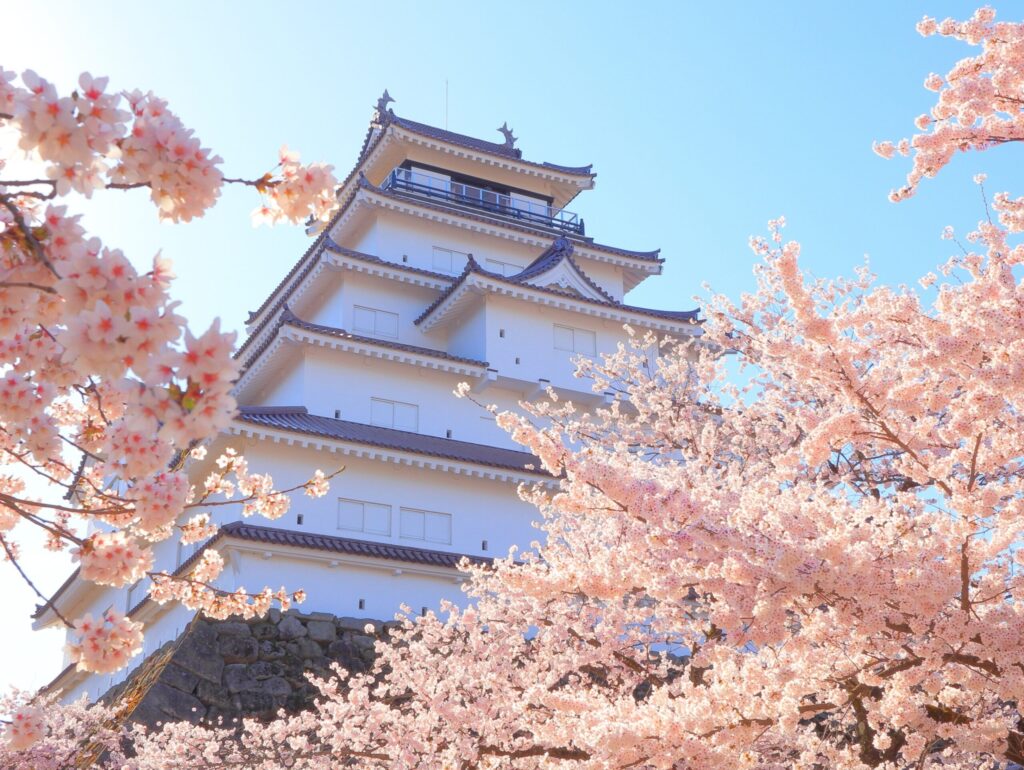
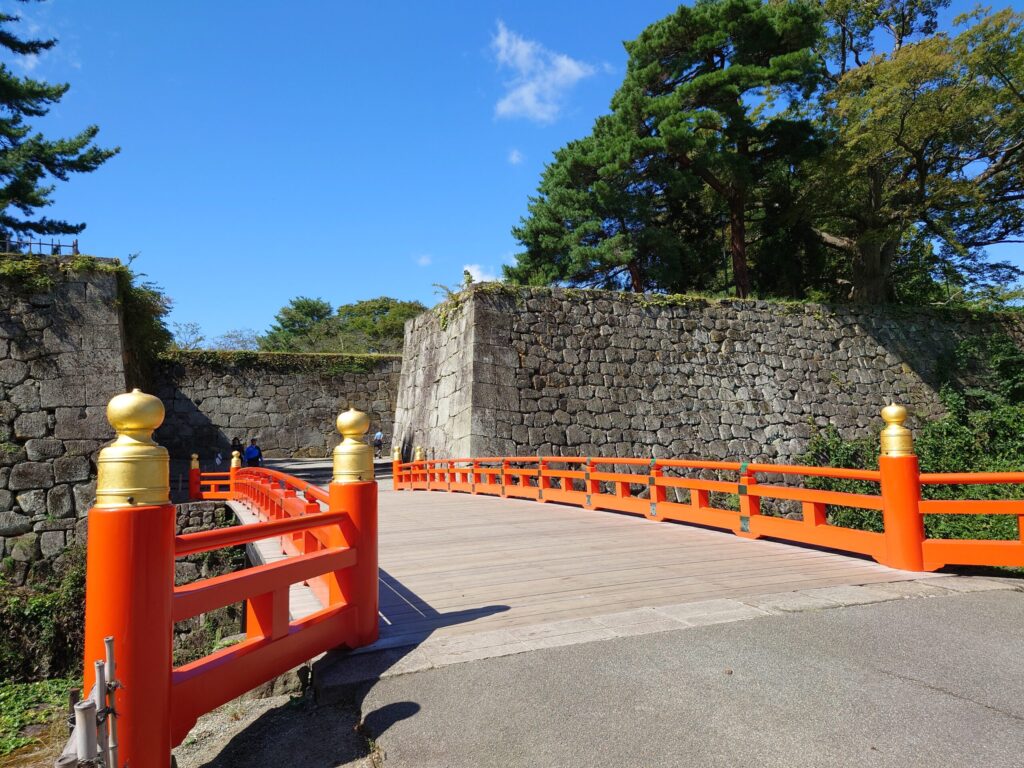
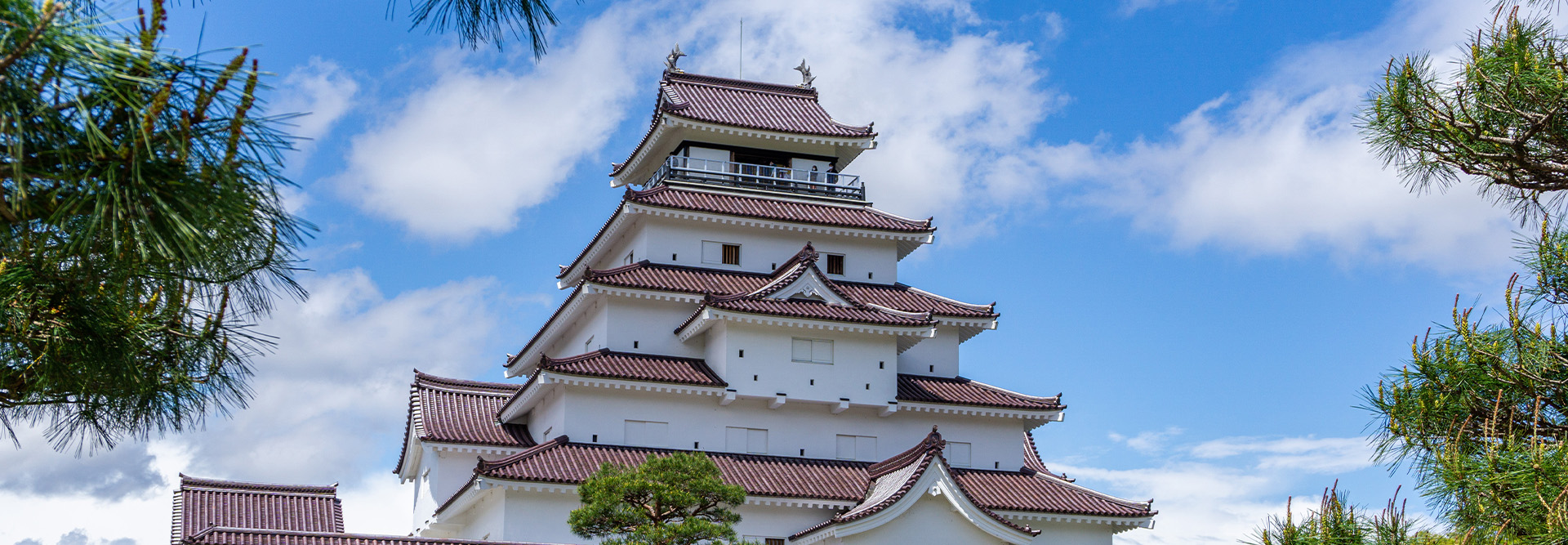
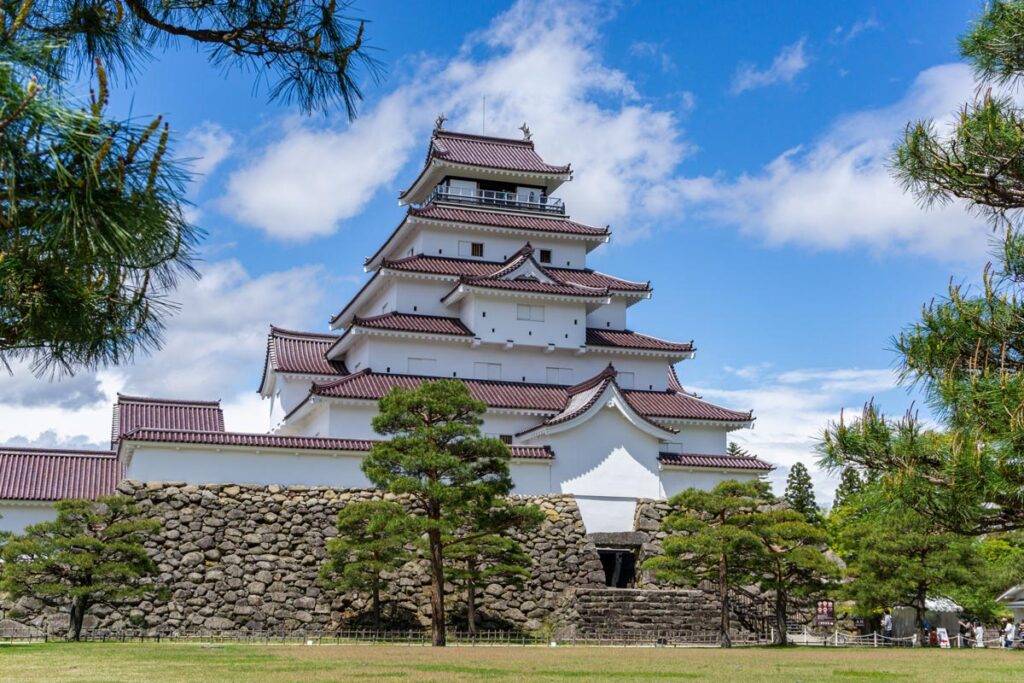
Tsuruga Castle in Aizu-Wakamatsu City is one of the most atmospheric castles in northern Japan. With its gleaming white walls, distinctive red roof tiles, and sweeping views over the old castle town, it offers first-time visitors an accessible, atmospheric glimpse into Japan’s feudal past without the overwhelming crowds of the big cities.
If you are planning your first trip to Japan and want to go beyond Tokyo and Kyoto, Tsuruga Castle is an excellent introduction to samurai history, traditional culture, and regional food in a compact, walkable destination.
Why Visit Tsuruga Castle?
Located in Aizu-Wakamatsu, in Fukushima Prefecture, Tsuruga Castle (also known as Aizu-Wakamatsu Castle) is best known for its role in the Boshin War of 1868–1869, when the Aizu clan resisted the new imperial government. The castle you see today is a careful reconstruction, but the grounds, stone walls, and views preserve the atmosphere of a real battlefield site and a proud samurai domain.
For international visitors, Tsuruga Castle offers several key highlights:
- Iconic architecture: A five-story main keep with rare red roof tiles, especially striking against winter snow and spring cherry blossoms.
- Samurai history brought to life: Modern but well-curated exhibits explaining the Aizu clan, the Boshin War, and daily life in a castle town.
- Panoramic views: An observatory deck at the top of the keep with sweeping views of Aizu-Wakamatsu and surrounding mountains.
- Seasonal beauty: Cherry blossoms, fresh green leaves, autumn colors, and snow scenes make the castle photogenic year-round.
- Compact experience: Easy to explore in half a day, with nearby samurai residences, gardens, and local food within walking or short bus distance.
A Brief History of Tsuruga Castle
The origins of Tsuruga Castle date back to the late 14th century, when a fortified residence was first established on this strategic hill above the Aizu basin. Over the centuries, different ruling clans expanded and strengthened it, and the castle eventually became the political and military center of the Aizu domain.
The castle’s most dramatic chapter came in the late 1860s, during Japan’s turbulent transition from shogunate rule to the modern Meiji state. The Aizu clan remained loyal to the Tokugawa shogun and resisted the imperial forces. Tsuruga Castle endured a fierce month-long siege, with heavy bombardment and desperate defense by samurai and local residents alike. Although the defenders ultimately surrendered, their loyalty and resilience became part of Japan’s samurai legend.
The original keep was later dismantled, but in 1965 the main tower was reconstructed in concrete, based on historical materials. A major renovation in the 2010s improved its appearance and added the distinctive red roof tiles that visitors admire today, closer to how the castle would have looked in the Edo period.
Exploring the Castle Keep and Museum
The five-story main keep functions as both a museum and an observation tower. Your visit typically begins on the lower floors and winds upwards through a series of exhibits before ending at the open-air viewing platform.
Inside the Castle: What to Expect
Exhibits inside Tsuruga Castle are modern and generally well-labeled, with a mix of Japanese and some English explanations. Even if you are new to Japanese history, the displays are easy to follow and visually engaging.
- Samurai armor and weapons: Close-up views of armor sets, swords, and matchlock guns used by Aizu warriors, with explanations of how they were used in battle.
- Models and dioramas: Scale models of the castle and town help you visualize how the area looked during the Edo period and during the siege.
- Everyday life in a castle town: Exhibits explore the world beyond the battlefield: artisans, merchants, farmers, and the structured social order that supported the domain.
- Aizu clan culture: Displays highlight local values of loyalty, education, and discipline, including the famous Byakkotai, the teenage “White Tiger” corps whose tragic story is closely tied to the castle.
Much of the museum focuses on storytelling rather than long blocks of text, so even visitors with limited Japanese can enjoy it. Look out for simple bilingual captions and visual timelines that place the Boshin War in the broader context of Japanese history.
Observation Deck and Views
At the top floor, you emerge onto an open-air observation deck. From here you can see:
- The castle’s inner moats, stone walls, and gates from above.
- The low, grid-like streets of Aizu-Wakamatsu, still reflecting its former castle-town layout.
- In good weather, mountain ranges surrounding the basin, especially scenic in winter with snow.
This is the best spot for wide-angle photos, and on clear days the contrast between red tiles, white walls, and blue sky is striking. Because Aizu-Wakamatsu is less crowded than major cities, you often have time and space to enjoy the view without being rushed.
Castle Grounds, Gardens, and Teahouses
Even if you choose not to go inside the keep, the castle grounds are worth exploring. The stone ramparts, moats, and open lawns make it easy to imagine the scale of the original complex.
Walking the Castle Grounds
A stroll around the grounds takes you past:
- Massive stone walls: Impressive examples of traditional Japanese castle masonry.
- Gates and turrets: Reconstructed structures that give a sense of how the castle was defended.
- Monuments and memorials: Quiet corners honoring those who fought and died in the Boshin War.
Information boards around the grounds provide historical context; some include English. The open spaces are family-friendly, and you’ll see local residents using the park for walks and picnics.
Rinkaku Teahouse and Japanese Garden
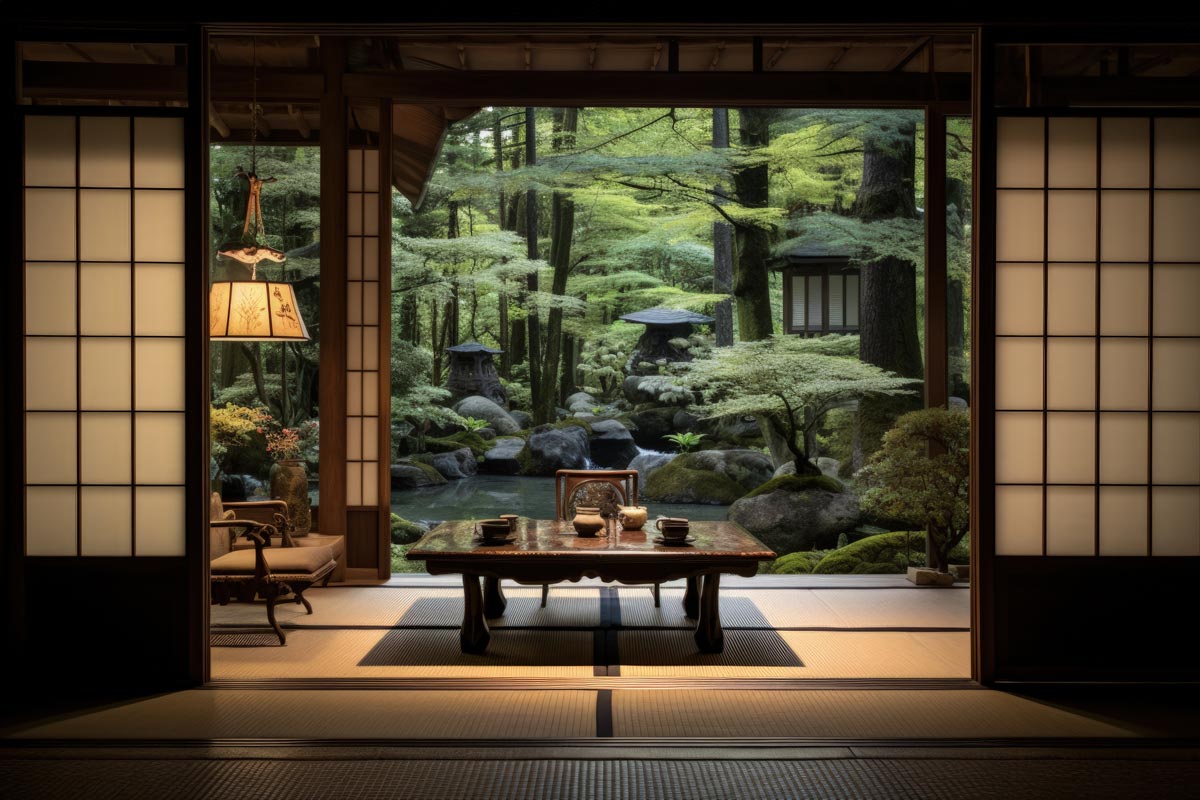
Within the castle precincts you can visit Rinkaku, a traditional teahouse associated with the Aizu domain’s tea culture. Set in a small, carefully composed garden, it offers a more refined and reflective side of samurai life.
For international visitors, this is a gentle introduction to the Japanese tea ceremony. Depending on the season and schedule, you may be able to:
- Sit on tatami mats overlooking the garden.
- Enjoy a bowl of matcha green tea with a small traditional sweet.
- Observe the host’s precise movements and learn the basic etiquette of receiving tea.
Even if you do not participate in a full ceremony, simply pausing here offers a quiet contrast to the castle’s military history, showing how aesthetics and discipline coexisted in samurai culture.
Seasonal Highlights at Tsuruga Castle
Japan’s changing seasons are central to local travel culture, and Tsuruga Castle is particularly beautiful at key times of the year. If you have flexibility in your travel dates, it is worth planning with the seasons in mind.
Spring: Cherry Blossoms
Spring is arguably the most popular time to visit. From early to mid-April, the castle grounds are lined with sakura (cherry blossom) trees. At full bloom, pink blossoms frame the white walls and red tiles, creating classic postcard views.
During peak bloom, the grounds are often illuminated at night, allowing for magical evening strolls under the trees. Local families spread picnic sheets under the blossoms, and food stalls may appear near the park entrances. If you want a quieter experience, mornings on weekdays are usually less crowded.
Summer: Lush Green and Festivals
Summer around Tsuruga Castle is bright and green, with full foliage providing shade. While it can be hot and humid, this is festival season in Japan. Depending on your timing, you may be able to see local events and processions featuring samurai armor, drums, and traditional dance.
Carry water, a hat, and sunscreen, and consider visiting the museum indoors during the hottest afternoon hours, then enjoying the grounds as temperatures drop in the late afternoon and early evening.
Autumn: Colorful Leaves
From late October to mid-November, the maple and ginkgo trees in and around the castle turn vivid shades of red, orange, and gold. The contrast between autumn leaves and the white castle walls is especially striking.
Photography enthusiasts will enjoy the late afternoon light, when the low sun enhances the colors of the foliage and the stone ramparts. Like cherry blossoms, autumn leaves are an important seasonal event in Japan, and local visitors come specifically to admire them.
Winter: Snow Castle
Winter in Aizu-Wakamatsu can be cold and snowy, but this is when Tsuruga Castle takes on its most dramatic form. The white walls seem to merge with the snow, while the red tiles and dark pines stand out strongly.
If you do not mind the chill, winter visits are atmospheric and far less crowded. Wear warm, waterproof footwear, and be prepared for icy paths. Clear winter days often offer crisp, far-reaching views from the observation deck.
Practical Information for First-Time Visitors
Location and Access
Tsuruga Castle is in Aizu-Wakamatsu, a small city in western Fukushima Prefecture, in the Tohoku region of northern Honshu. It makes a rewarding side trip from Tokyo or an enjoyable stop on a longer Tohoku itinerary.
Typical access from Tokyo involves taking a shinkansen (bullet train) to Koriyama, then transferring to a local express or rapid train bound for Aizu-Wakamatsu. From Aizu-Wakamatsu Station, you can reach the castle by:
- Loop bus: A convenient sightseeing bus connects the station with major attractions, including Tsuruga Castle. Announcements are often in Japanese, but route maps are simple and easy to follow.
- Taxi: A short taxi ride is straightforward and reasonably priced if you are traveling as a pair or group.
Opening Hours and Tickets
The castle grounds are generally open year-round, with the main keep and museum operating daily except for occasional maintenance days. Typical opening hours are from morning until late afternoon, with last admission around 30–60 minutes before closing. Hours may vary by season, so check current information before your visit.
Admission to the interior of the castle requires a ticket, with discounts often available for children. Sometimes you can purchase combination tickets that include nearby attractions such as samurai residences or local museums, which are good value if you plan a full day of sightseeing.
Facilities and Accessibility
The castle grounds are mostly accessible, with wide paths and benches. However, the interior of the reconstructed keep includes multiple flights of stairs between floors, as is common with Japanese castles. Elevators may be limited or not available to the top observation deck, so visitors with mobility issues may prefer to enjoy the exterior and grounds.
On-site facilities typically include:
- Restrooms
- Vending machines or small cafés
- A souvenir shop selling local crafts and Aizu-themed goods
Nearby Attractions in Aizu-Wakamatsu
Tsuruga Castle is the centerpiece of Aizu-Wakamatsu, but the city offers several other attractions that deepen your understanding of samurai culture and local traditions.
Samurai Residences (Bukeyashiki)
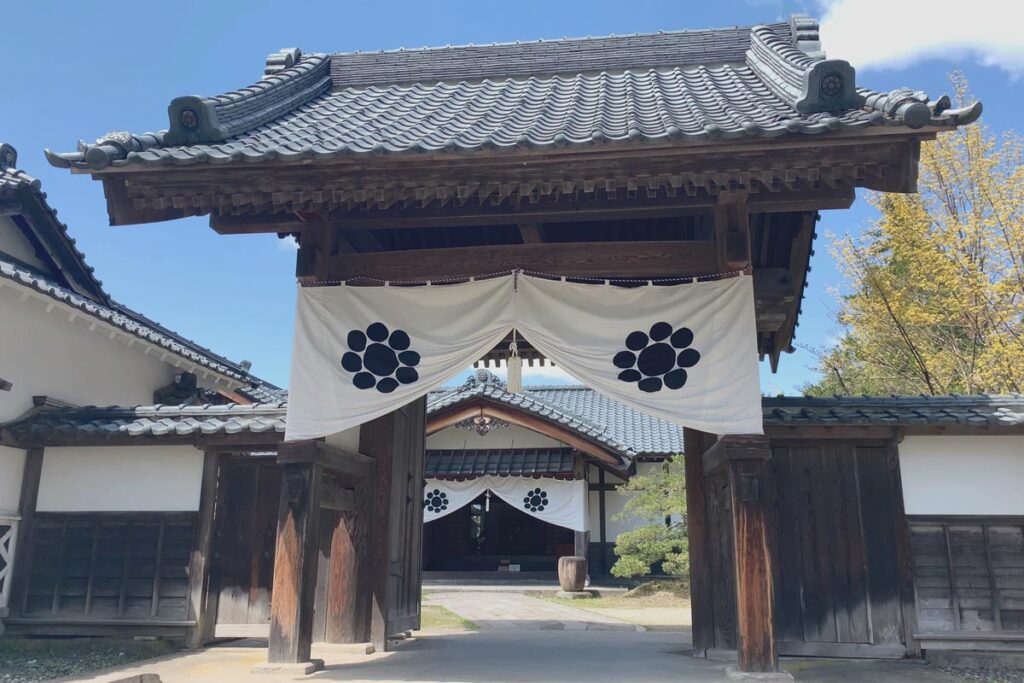
Preserved or reconstructed samurai houses showcase the living conditions, interior layout, and furnishings of higher-ranking retainers. Tatami rooms, sliding doors, and small gardens reveal a more domestic side of samurai life, balancing martial duty with family and study.
Sazae-do and Mount Iimori
Mount Iimori is closely linked to the tragic story of the Byakkotai youth corps, who misinterpreted smoke rising from the castle during the Boshin War and believed their domain had fallen. Memorials on the hillside explain their story and its lasting place in Aizu identity.
Nearby stands Sazae-do, an unusual wooden temple hall with a double-helix interior staircase. Visitors follow a one-way spiraling path without ever meeting people coming the other way, a fascinating example of Edo-period architectural ingenuity.
Local Food and Sake
Aizu-Wakamatsu is known for hearty cuisine that reflects its snowy winters. Look for:
- Saucy katsu-don: Breaded pork cutlet served with a soy-based sauce over rice.
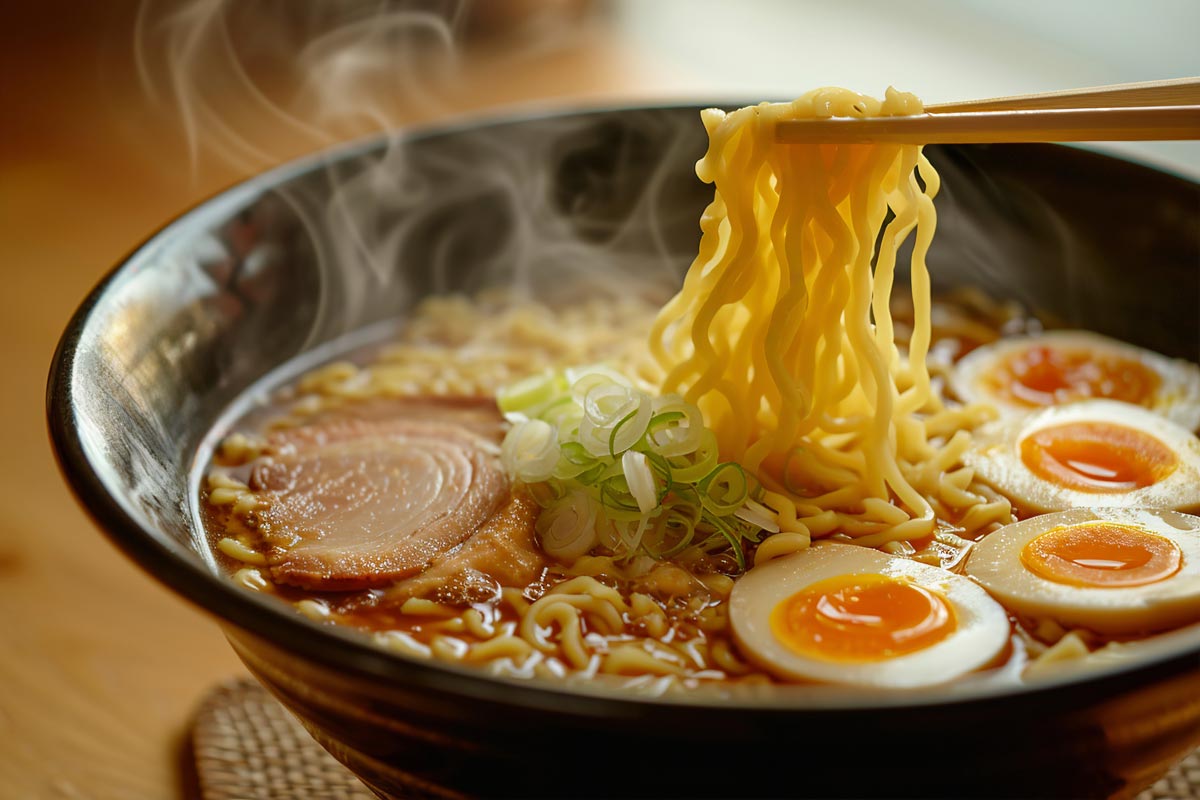
- Local ramen styles: Warming bowls perfect after sightseeing in colder months.
- Aizu sake: The region’s clean water and climate support high-quality sake brewing. Many shops and some breweries offer tastings.
Sampling local dishes is an easy way to connect with the region’s character and hospitality.
Tips for International Visitors
To make the most of your visit to Tsuruga Castle as a first-time traveler in Japan, keep these points in mind:
- Language: English support is improving but still limited compared with major cities. Carrying a translation app on your phone is helpful for signs, menus, and bus information.
- Cash and cards: Larger facilities often accept major credit cards, but smaller shops and buses may still prefer cash. Having some yen on hand makes travel smoother.
- Shoes and clothing: Wear comfortable shoes, as exploring the castle, grounds, and nearby attractions involves stairs and uneven paths. Layers are useful in spring and autumn when temperatures change quickly.
- Respectful behavior: The castle grounds include memorials and religious sites. Speak quietly, avoid blocking paths with tripods, and follow any photography or no-entry signs.
With a combination of dramatic history, elegant design, and a relaxed local atmosphere, Tsuruga Castle offers international visitors a rewarding, less-touristed taste of samurai Japan. Whether you come for the cherry blossoms, autumn colors, or snowy winter landscapes, the castle and its town provide a vivid and memorable addition to any Japan itinerary.

Access Map
Recommended spots in Fukushima
Tsuruga Castle
Aizu Bukeyashiki
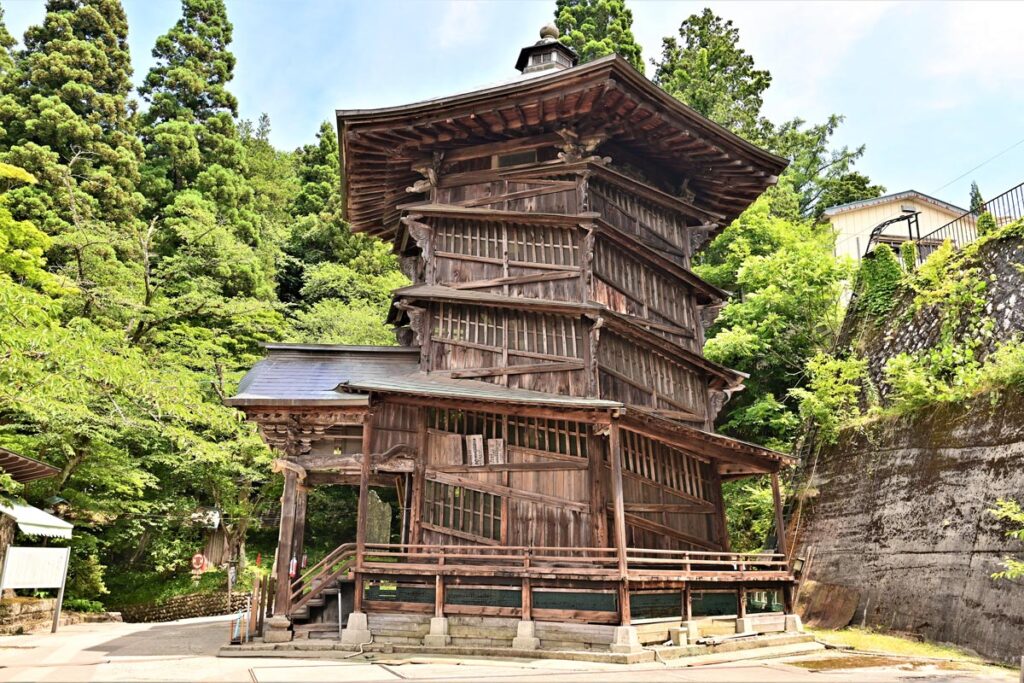
Sazaedo Temple
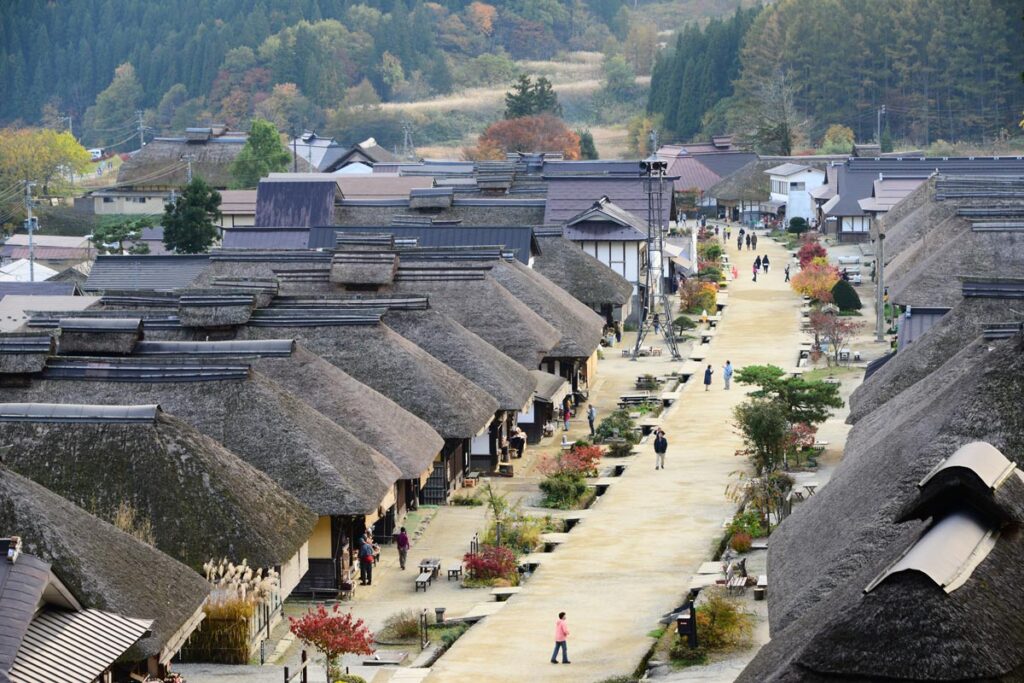
Ouchi-juku Post Town
Top destinations in Hokkaido & Tohoku
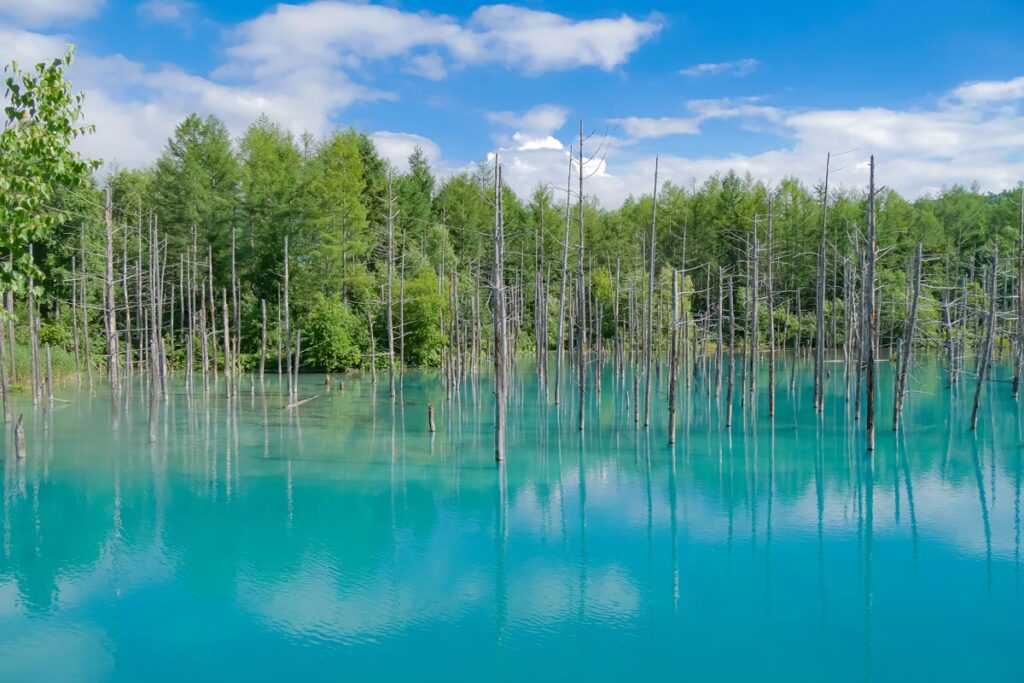
Hokkaido

Aomori
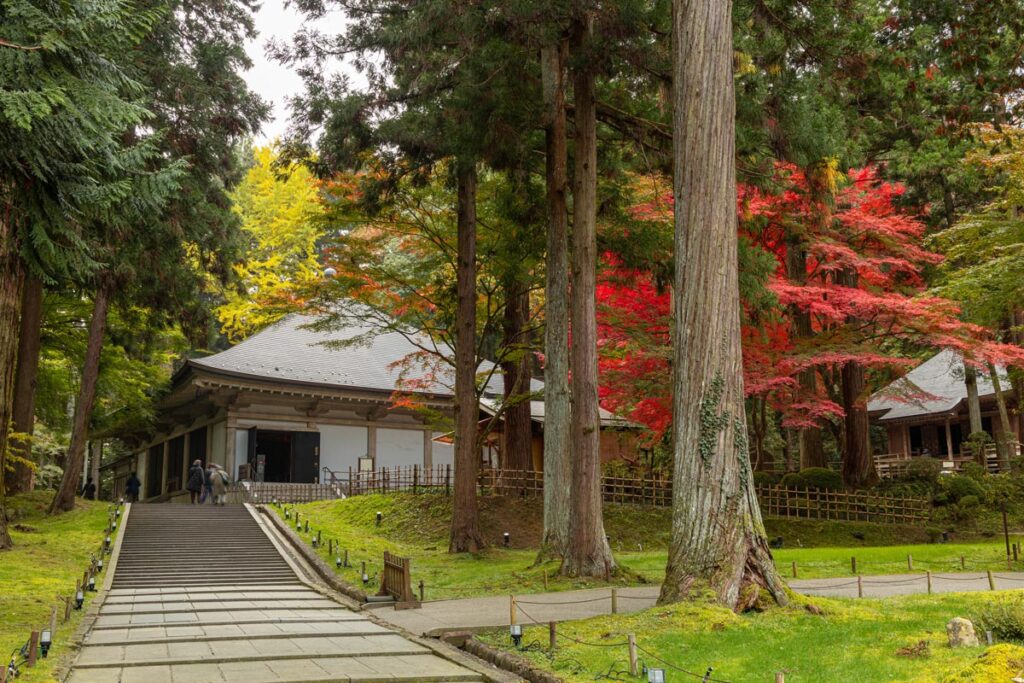
Iwate