

Tsurugaoka Hachimangu Shrine
First-Timer’s Guide to Tsurugaoka Hachimangu Shrine in Kamakura, Japan
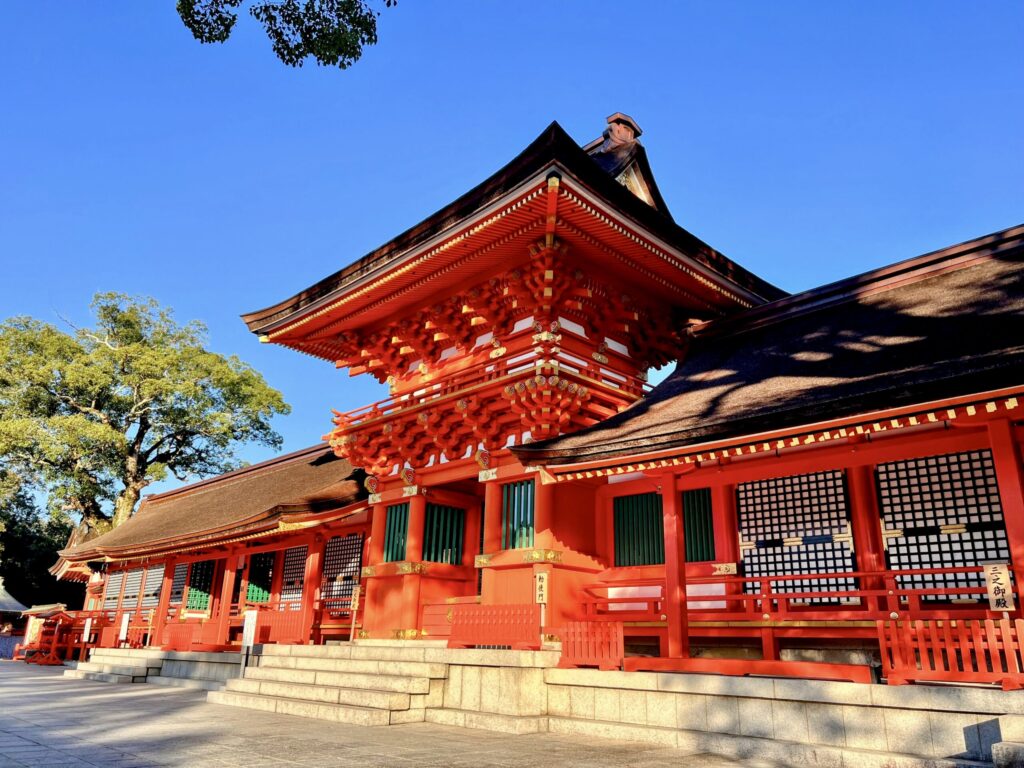
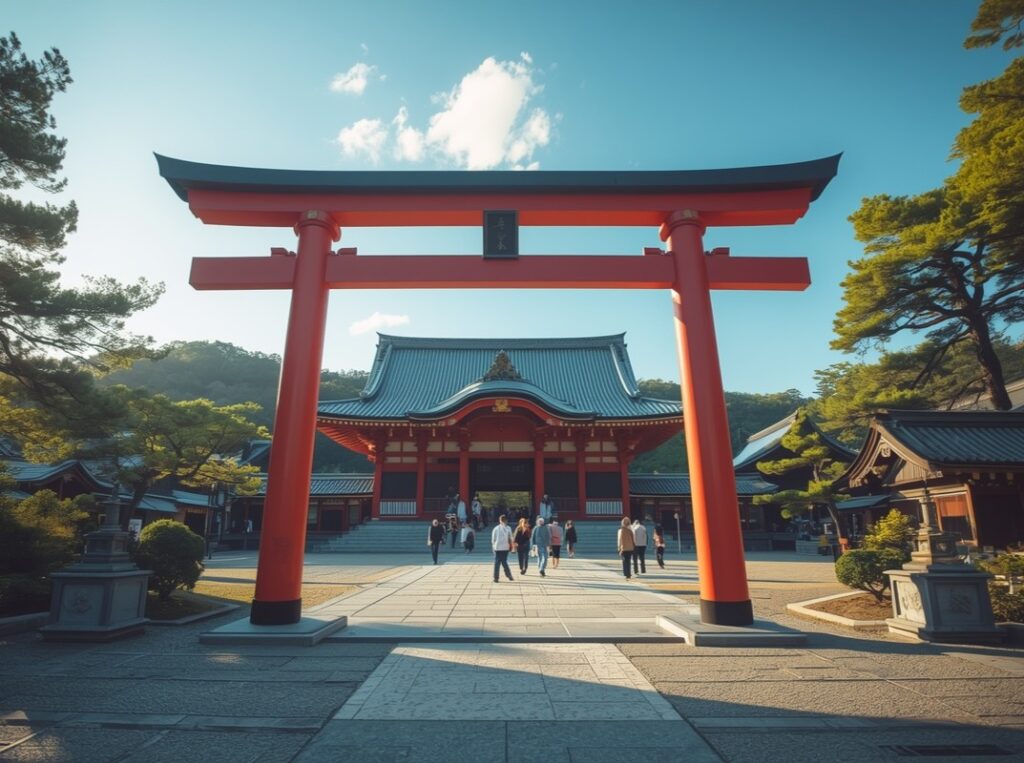
Photos are for illustrative purposes only.
Just an hour south of Tokyo, the coastal city of Kamakura offers a glimpse into Japan’s medieval past. At the heart of this former samurai capital stands Tsurugaoka Hachimangu Shrine, the city’s most important Shinto shrine and a must-visit for first-time travelers. Combining history, seasonal beauty, and living tradition, it’s an ideal introduction to Japanese culture beyond the big cities.
Why Visit Tsurugaoka Hachimangu?
Tsurugaoka Hachimangu is more than a photogenic landmark. It is deeply tied to the rise of the samurai, and still functions as a vibrant religious center today. Visiting gives you a chance to:
- Walk the same approach used by samurai lords over 800 years ago
- Witness authentic Shinto rituals in a grand yet welcoming setting
- Enjoy seasonal scenery: cherry blossoms, lotus ponds, and fiery autumn leaves
- Combine culture and nature in an easy day trip from Tokyo or Yokohama
For first-time visitors to Japan, the shrine’s clear layout, bilingual signage, and relaxed atmosphere make it particularly approachable.
A Brief History: Shrine of the Samurai
Tsurugaoka Hachimangu was founded in the late 11th century, but it gained real prominence in 1180 when Minamoto no Yoritomo, the founding shogun of Japan, moved and expanded the shrine as the spiritual center of his new military government in Kamakura.
Dedicated to Hachiman, the Shinto deity associated with war, protection, and later the guardian of the samurai, the shrine played a crucial role in legitimizing the new warrior government. For centuries, it was a place where political power, religious belief, and public celebration intersected.
The current structures are the result of several reconstructions due to fires and natural disasters, yet the overall layout still reflects its medieval origins. When you walk the main approach, you’re essentially tracing the ceremonial spine of the old samurai city.
Finding Your Way: Layout and Main Features
The shrine complex stretches inland from Kamakura’s main shopping street, forming a straight ceremonial axis. Understanding the basic layout will help you explore more comfortably.
Wakamiya Oji and the Grand Approach
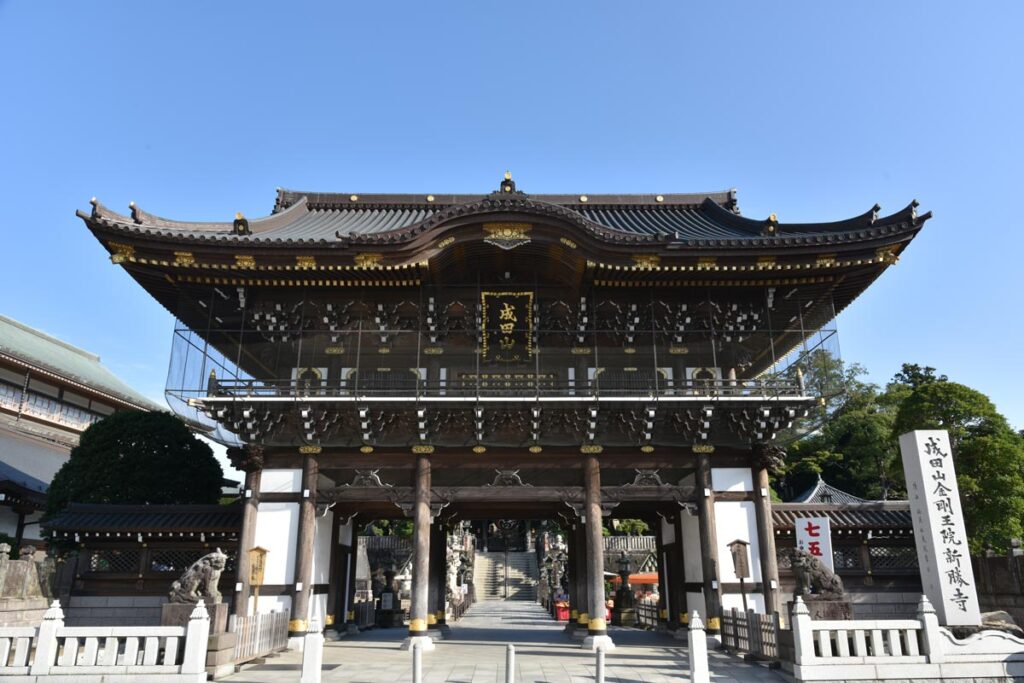
The grand avenue leading to Tsurugaoka Hachimangu is called Wakamiya Oji. Traditionally, this was Kamakura’s main boulevard. As you walk from Kamakura Station, you’ll pass under a series of red torii gates that mark the boundary between the everyday world and sacred space.
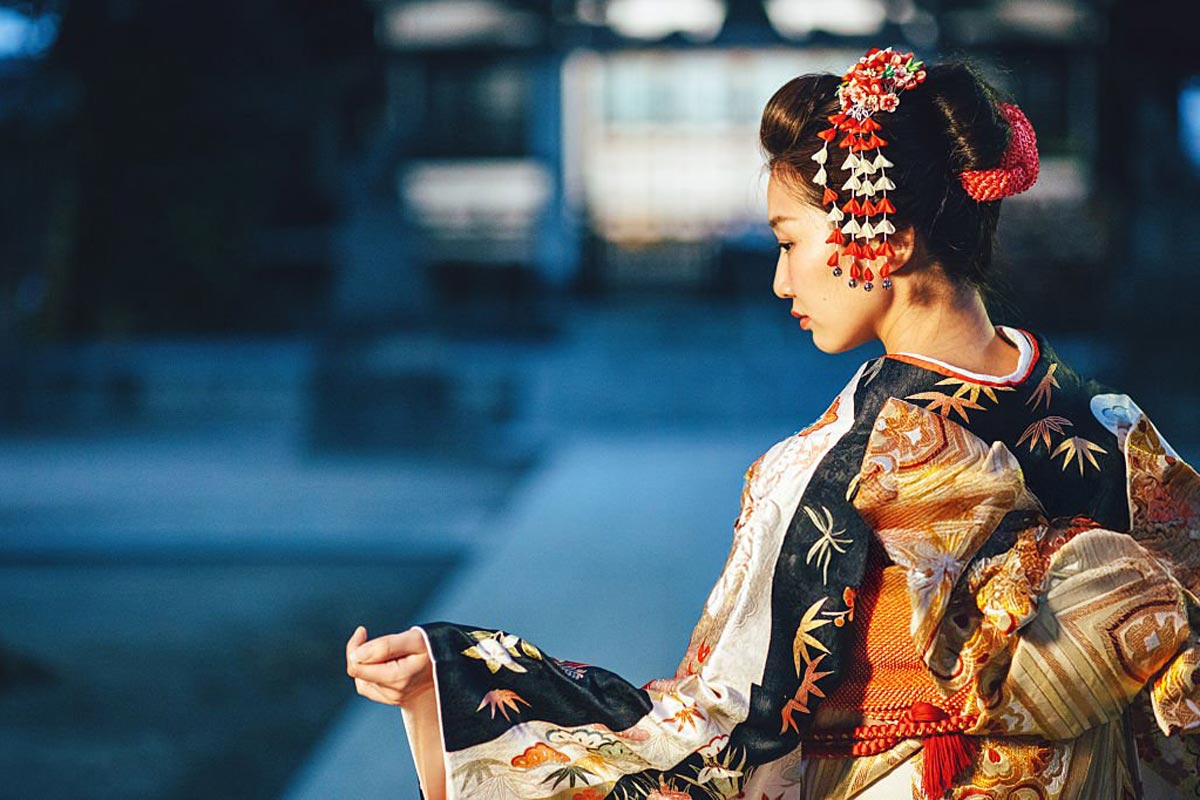
The final stretch of the approach is a broad stone pathway flanked by trees and lanterns, often filled with visitors, school groups, and locals in kimono during special events. It can feel surprisingly festive, especially on weekends and holidays.
The Twin Ponds: Genji and Heike
Near the entrance you’ll notice two ponds on either side of the path: the Genji Pond and the Heike Pond, named after two rival clans from Japan’s medieval wars. Historically, they symbolized the victory of the Minamoto (Genji) clan and the defeat of the Taira (Heike). In summer, the ponds are filled with blooming lotus flowers, adding a peaceful contrast to their martial symbolism.
The Grand Staircase and Main Hall
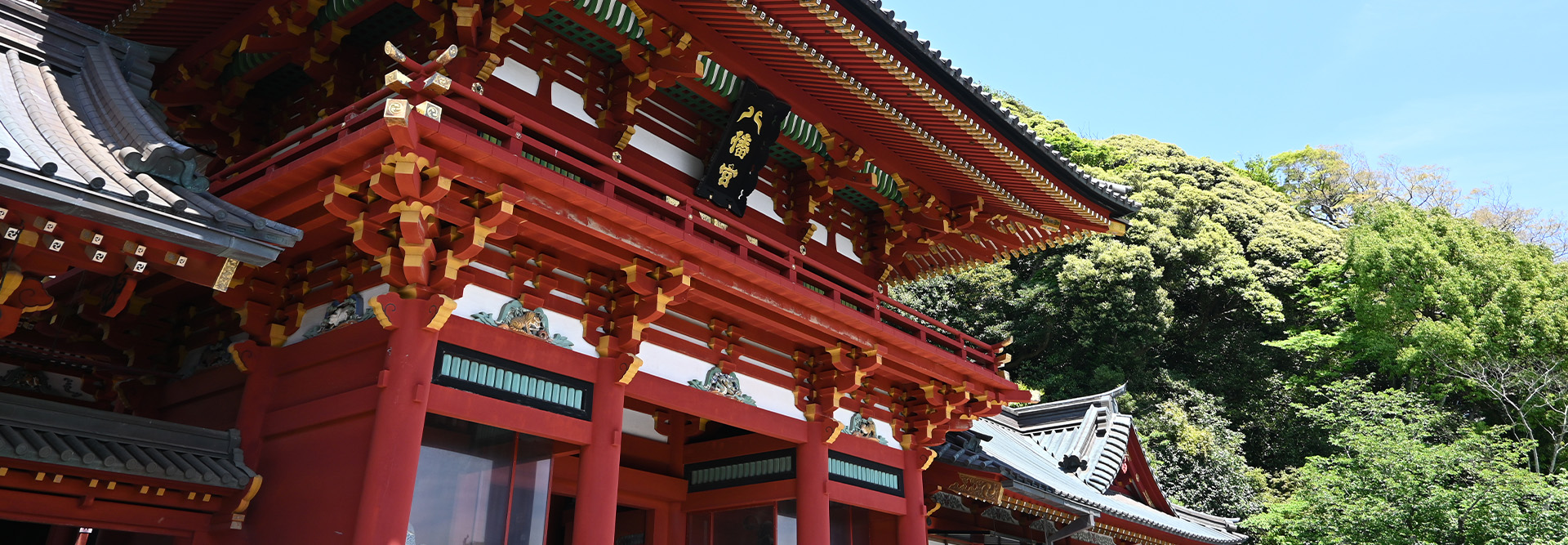
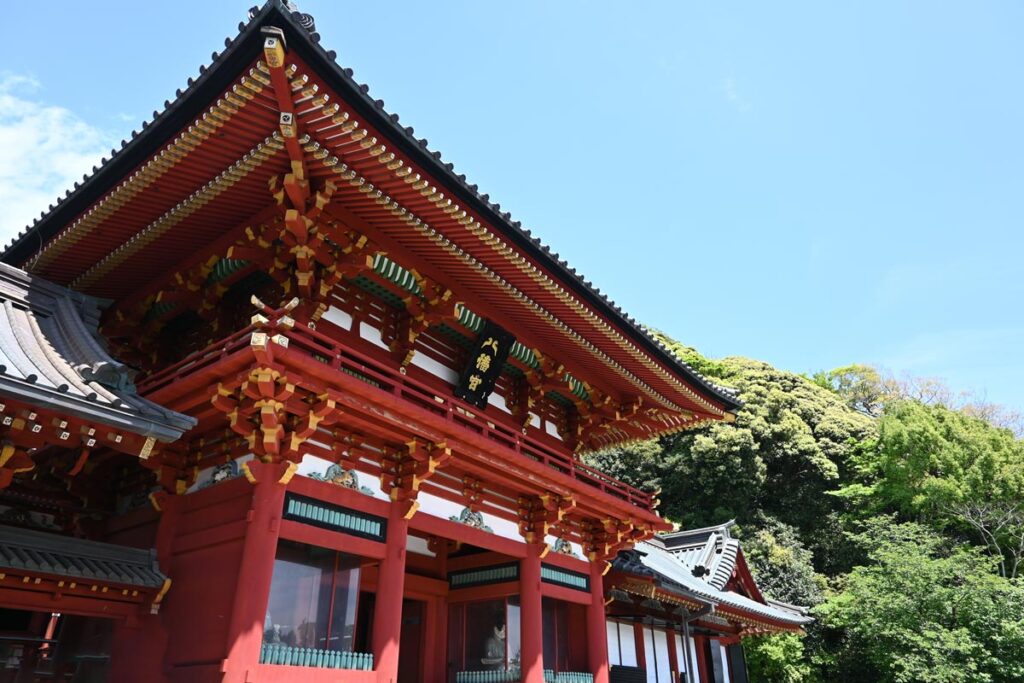
From the central courtyard, a long, steep stone staircase rises dramatically to the bright vermilion Main Hall (Hongu). This staircase is one of the shrine’s most photographed features, especially during festivals when it becomes a stage for ceremonies and processions.
At the top, the main hall consists of an outer worship hall and the inner sanctuary where the deity is enshrined. Visitors may approach the front, bow, offer coins, and pray, but the inner sanctum remains off limits, emphasizing the sacredness at the core of the shrine.
Maruyama Inari and Smaller Sub-Shrines
Scattered around the grounds are several smaller shrines dedicated to other deities. One of the most atmospheric is the Maruyama Inari Shrine, tucked away among trees and reached via a path lined with small red torii gates. Inari shrines are associated with rice cultivation, prosperity, and fox spirits; you’ll often see fox statues guarding them.
Exploring these quieter corners can be a welcome break from the main crowds and gives you a more intimate sense of everyday Shinto worship.
Shinto Rituals and Museums
Next to the main sanctuary you’ll find spaces used for Shinto ceremonies such as blessings, weddings, and seasonal rites. If you visit on a weekend, you may see a traditional Shinto wedding procession with the bride in a white kimono and headdress, accompanied by priests and shrine maidens.
The shrine also maintains a small treasure house (museum), which sometimes exhibits swords, armor, documents, and ceremonial items related to the shrine’s long history. Displays can change, and there is usually an additional entry fee; it’s worth checking at the information counter if you’re interested in samurai-era artifacts.
How to Visit Respectfully
Tsurugaoka Hachimangu is a working religious site, not just a tourist attraction. Following basic etiquette will help you fit in and show respect.
Purifying at the Chozuya
Near the main entrance you’ll see a stone basin filled with water and ladles, known as a chozuya or temizuya. Visitors perform a brief purification ritual before approaching the main hall:
- Take the ladle in your right hand and rinse your left hand.
- Switch hands and rinse your right hand.
- Pour some water into your left hand and use it to rinse your mouth (do not drink directly from the ladle).
- Spit the water discreetly at the base of the basin, not into it.
- Hold the ladle vertically to let the remaining water flow down the handle, cleansing it for the next person.
There’s no need to stress about perfection; simply following the basic steps shows good will.
Praying at the Main Hall
At the offering box in front of the main hall, the standard Shinto practice is:
- Toss a coin (any amount is fine).
- Bow deeply twice.
- Clap your hands twice.
- Silently make a wish or prayer.
- Bow deeply once more.
Keep your movements calm and unhurried. Photography is usually allowed in the courtyard and at the stairs, but flashes or close-up shots of priests in the middle of rituals can be intrusive, so use discretion.
Clothing and Behavior
There is no strict dress code, but modest, neat clothing is appreciated. Inside certain buildings (or on special event platforms) you may be asked to remove your shoes. As in most religious spaces in Japan, it’s best to speak softly, avoid eating while walking, and keep your phone on silent.
Seasonal Highlights
Tsurugaoka Hachimangu offers a different experience in every season. If your travel dates are flexible, you can plan your visit around your favorite scenery or festival atmosphere.
Spring: Cherry Blossoms and Fresh Green
Late March to early April is cherry blossom season in Kamakura. While some of the old cherry trees along the main approach were removed or damaged in storms, the area around the ponds and side paths still blooms with pale pink flowers.
Spring skies, mild temperatures, and fresh green leaves make this one of the most pleasant times to wander the grounds. Expect larger crowds, especially on weekends and during school holidays.
Summer: Lotus Ponds and Lush Gardens
From July into early August, the lotus flowers in the ponds are at their peak. Large pink and white blossoms unfold in the morning, creating an almost dreamlike scene against the shrine buildings.
Summer in Kamakura is hot and humid, so visit early in the day if possible, and use the shaded side paths to cool off. Vending machines and small shops near the entrance provide drinks and light snacks.
Autumn: Color and Clear Skies
Mid-November to early December brings autumn foliage to the shrine grounds. While Kamakura’s colors are generally subtler than those in mountainous regions, the mix of red maples, golden ginkgo, and evergreen pines set against vermilion buildings can be striking on clear days.
Autumn also tends to have crisp, blue skies and comfortable temperatures, ideal for combining your shrine visit with nearby temples and hiking trails.
New Year and Major Festivals
If you visit in early January, you may witness Hatsumode, the first shrine visit of the year. Tsurugaoka Hachimangu is one of the most popular spots in the region for this, attracting huge crowds of locals lining up to pray for good fortune.
One of the shrine’s most famous events is the Yabusame (horseback archery) festival, typically held in spring and autumn. Archers in traditional costume shoot arrows at wooden targets while galloping along a track within the shrine’s grounds. It’s an impressive recreation of samurai martial rituals and draws many spectators; if your trip coincides, arrive early to secure a view.
Omamori, Goshuin, and Other Shrine Traditions
Participating in a few shrine customs can make your visit more memorable and give you a tangible connection to Japanese culture.
Omamori: Protective Amulets
At the amulet counters, you’ll find a wide variety of omamori, small fabric pouches believed to contain the blessing of the shrine’s deity. They are sold for different purposes: safe travels, success in exams, good health, safe childbirth, traffic safety, and more.
Omamori are not opened; the power is considered to reside inside. You can keep one on your bag, in your wallet, or in your car. They also make thoughtful, lightweight gifts for friends and family back home.
Goshuin: Shrine Stamps for Pilgrims
Many visitors collect goshuin, beautiful calligraphic stamps given by temples and shrines. At Tsurugaoka Hachimangu, you can present a dedicated goshuin notebook or buy one on site. A shrine attendant will inscribe the date, the shrine’s name, and sometimes a short blessing in elegant brush strokes.
Goshuin are spiritual mementos rather than simple souvenirs, so it’s best to treat them with care and avoid treating the process like a commercial transaction.
Fortunes and Ema Prayer Plaques
You’ll also see racks of small wooden plaques called ema. Visitors write prayers or wishes on them—ranging from exam success to safe travels—and hang them up so the shrine’s deity can receive them.
Paper fortunes, or omikuji, can be drawn at random. If you receive a bad fortune, the custom is to tie it to a designated rack or tree within the grounds, symbolically leaving the bad luck behind.
Practical Information for First-Time Travelers
Location and Access
Tsurugaoka Hachimangu is located in central Kamakura, within walking distance of Kamakura Station on the JR Yokosuka Line and Enoden Line.
- From Tokyo Station: About 55–60 minutes on the JR Yokosuka Line, no transfers.
- From Shinjuku: Around 60–70 minutes via the JR Shonan–Shinjuku Line (check that your train goes to Zushi/Kamakura direction).
- From Yokohama: About 25–30 minutes on the JR Yokosuka Line.
From Kamakura Station, it’s roughly a 10–15 minute flat walk along the lively main street lined with cafes, souvenir shops, and small restaurants.
Opening Hours and Fees
The shrine grounds are generally open from early morning to evening and are free to enter. Certain facilities, such as the museum or special exhibition areas, may charge a small fee and have more limited hours.
Because hours can vary by season and for events, it’s wise to check current times at the Kamakura tourist information desk near the station or online before you visit.
Facilities and Accessibility
The main approach and lower grounds are relatively flat and suitable for wheelchairs and strollers. However, the long stone staircase to the main hall is steep and uneven, which can be challenging for those with mobility issues. There may be alternative routes or viewing points on the lower level where you can still enjoy much of the atmosphere.
Public restrooms and vending machines are available near the entrance area. English-language signage is common, and Kamakura, being a popular tourist destination, is accustomed to international visitors.
What to Wear and Bring
Kamakura has a coastal climate, with hot, humid summers and cool, damp winters. Dress in layers and wear comfortable walking shoes, as you’ll likely explore other nearby sights on foot. In rainy seasons, a compact umbrella or raincoat is useful; many pathways are stone and can become slippery.
Cash is still widely used in shrines for donations, omamori, and fortunes, so carry some small coins and notes even if you usually rely on cards or digital payments in cities.
Combining Tsurugaoka Hachimangu with Other Kamakura Highlights
Tsurugaoka Hachimangu fits naturally into a full Kamakura day trip. After your visit, you might:
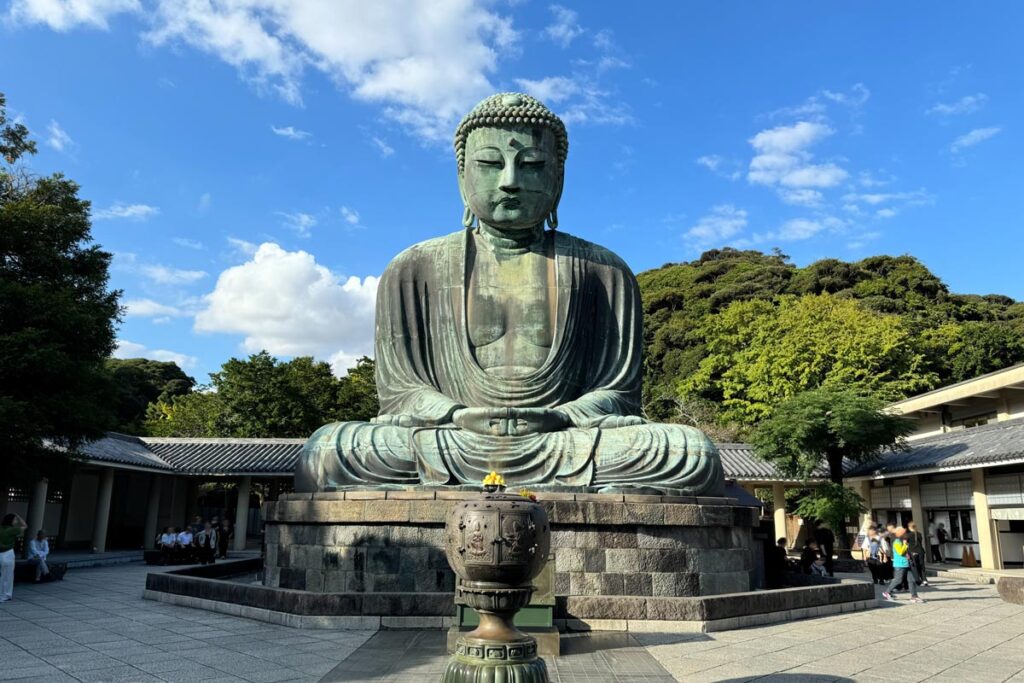
- Head to the Great Buddha of Kamakura (Kotoku-in Temple), one of Japan’s most iconic statues
- Explore atmospheric temples such as Hasedera or Engakuji
- Stroll along Komachi-dori, the main shopping street, for local sweets, crafts, and lunch
- Walk to the nearby Kamakura beaches for sunset views over Sagami Bay
With its combination of history, religion, and daily life, Tsurugaoka Hachimangu offers an accessible and rewarding window into Japan’s cultural heart. For first-time visitors, it’s an ideal place to slow down, observe, and begin to understand the layers of tradition that still shape modern Japan.

Access Map
Recommended spots in Kanagawa
Great Buddha of Kamakura
Tsurugaoka Hachimangu Shrine
Enoshima Area
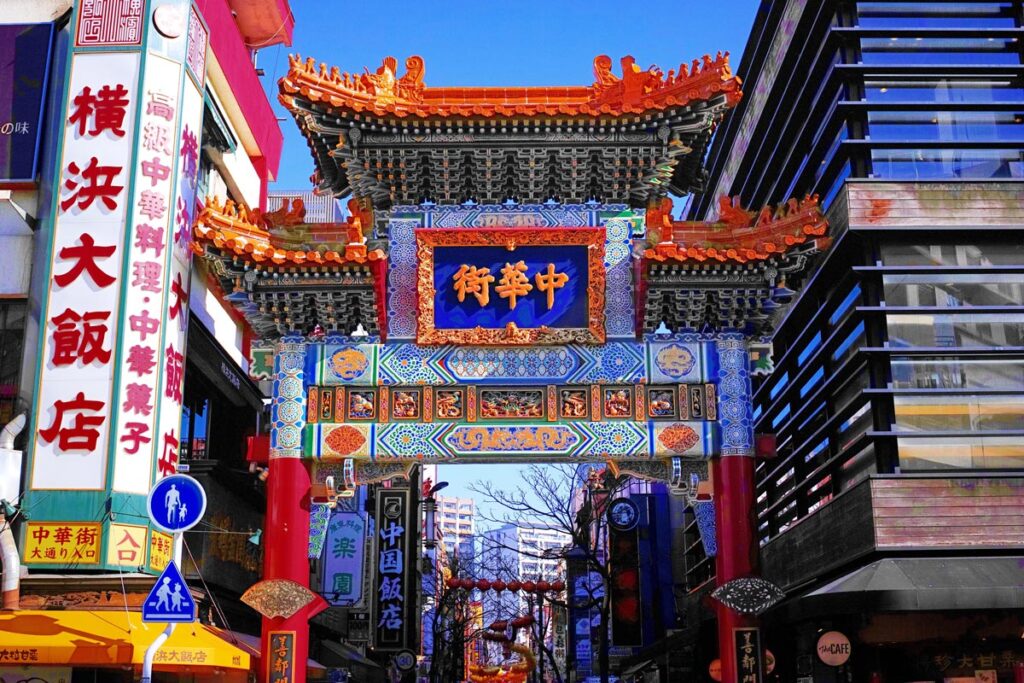
Chinatown Yokohama
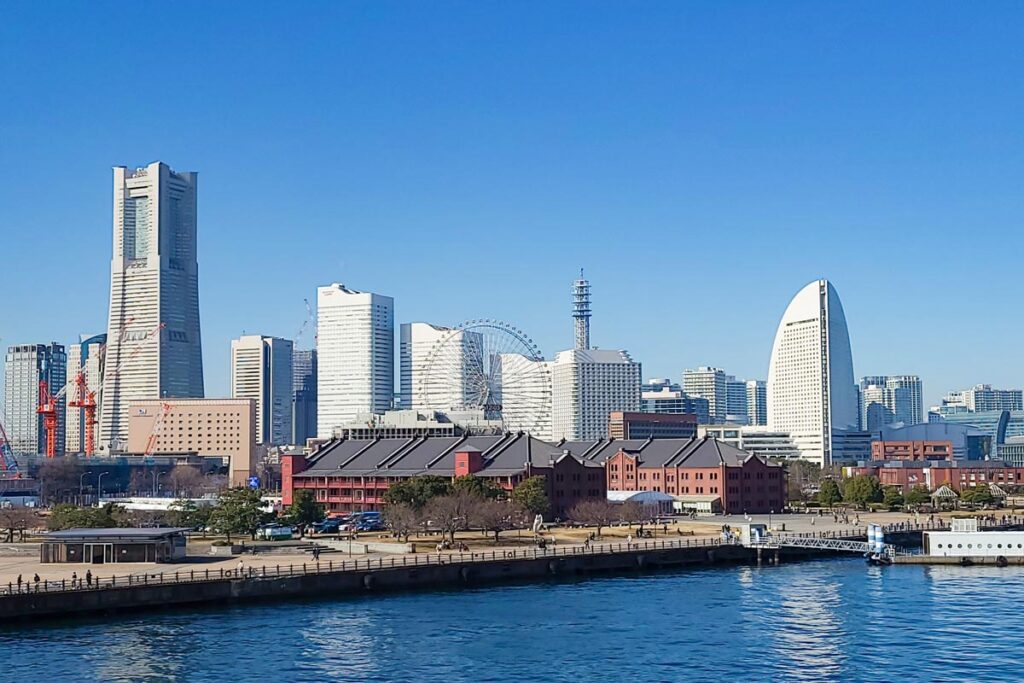
Yokohama Red Brick Warehouse
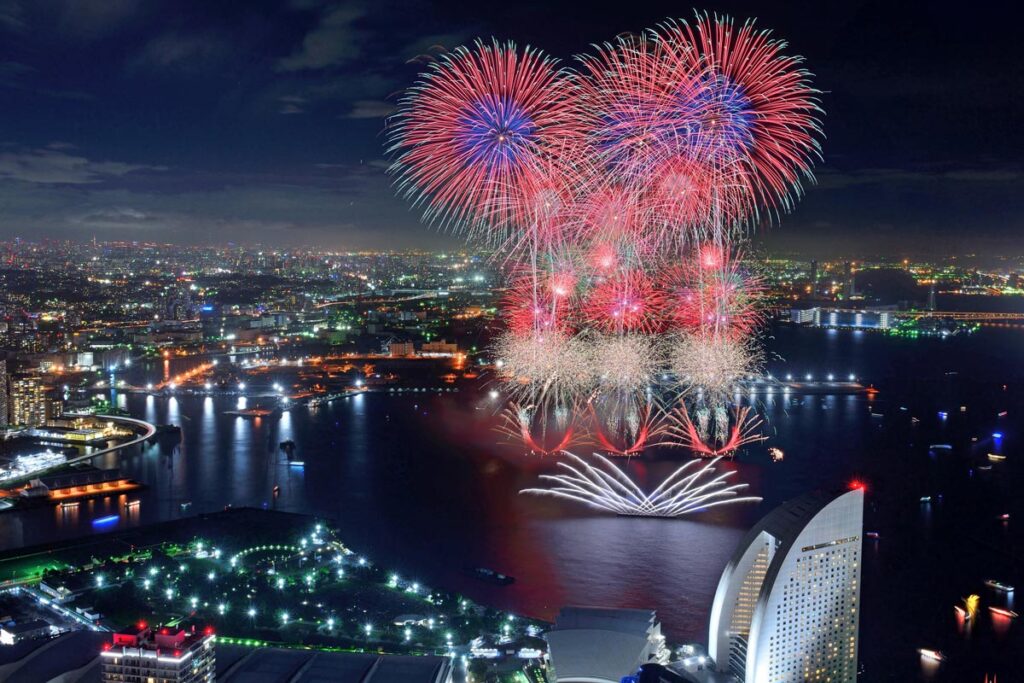
Yokohama Landmark Tower & Sky Garden
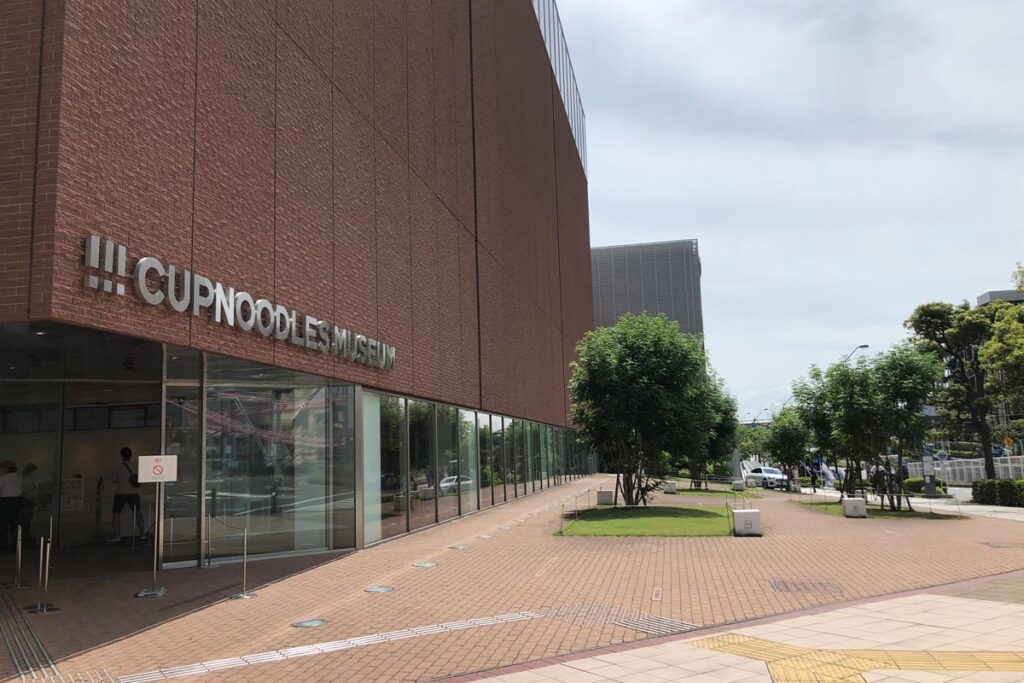
Cupnoodles Museum
Top destinations in Kanto Region
Tochigi
Saitama