
Ueno Park
Ueno Park Japan Travel Guide for First-Time Visitors
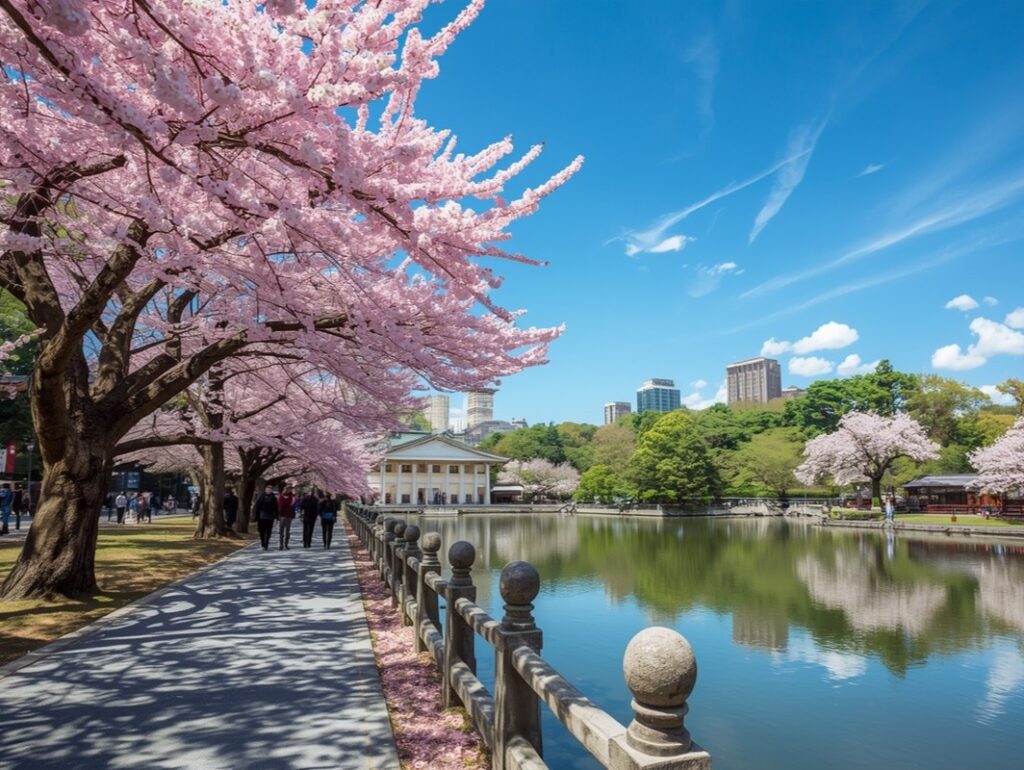
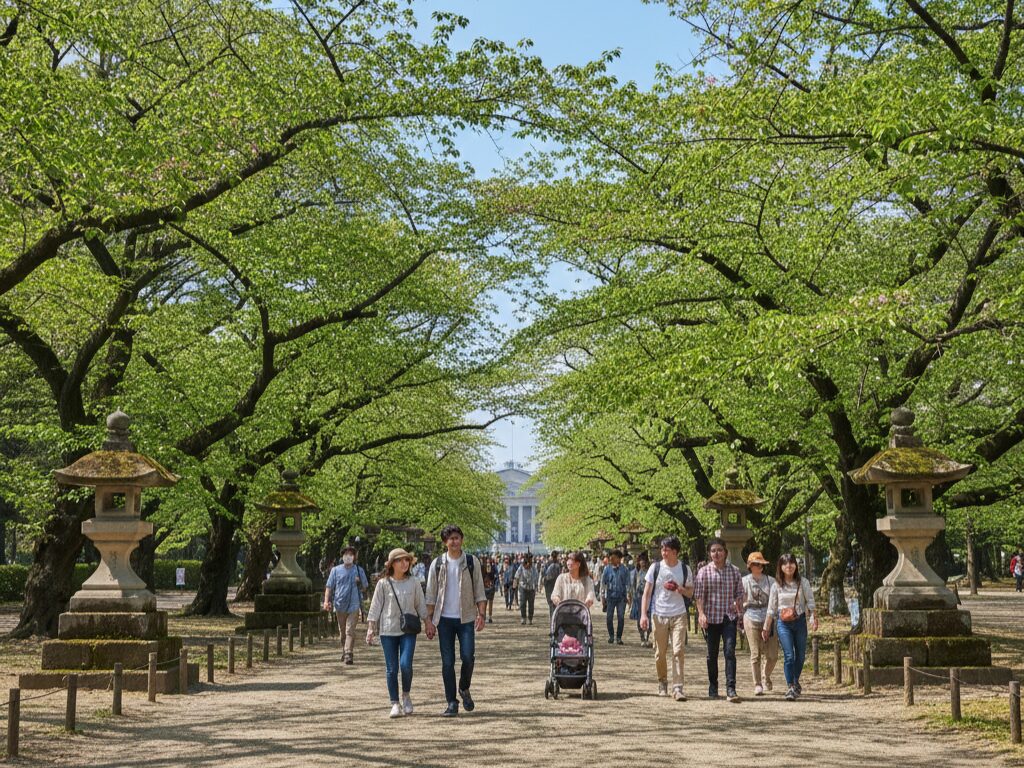
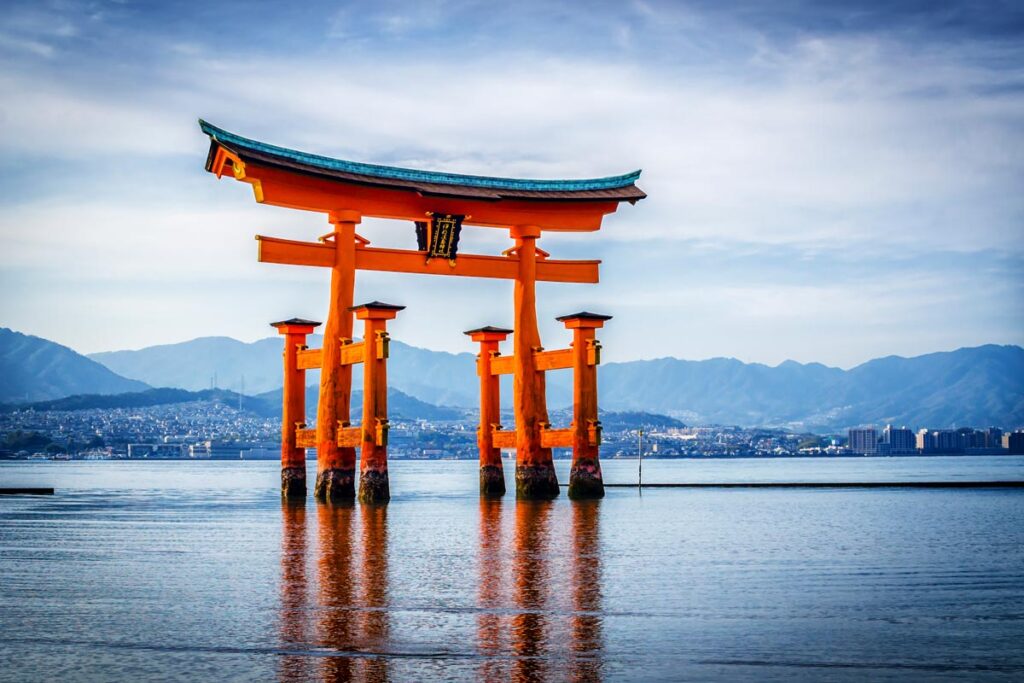
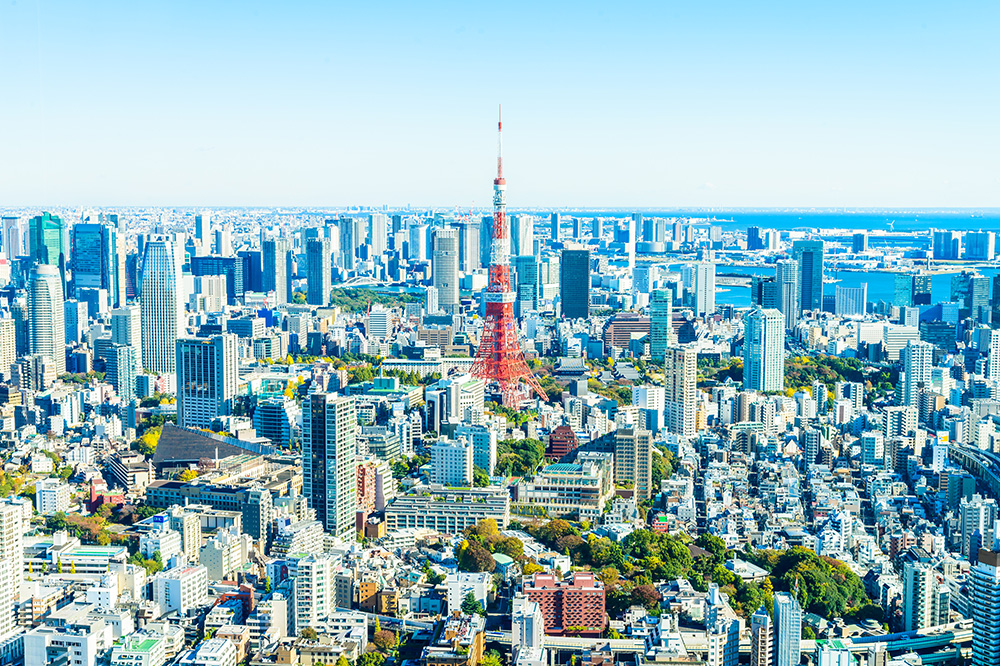
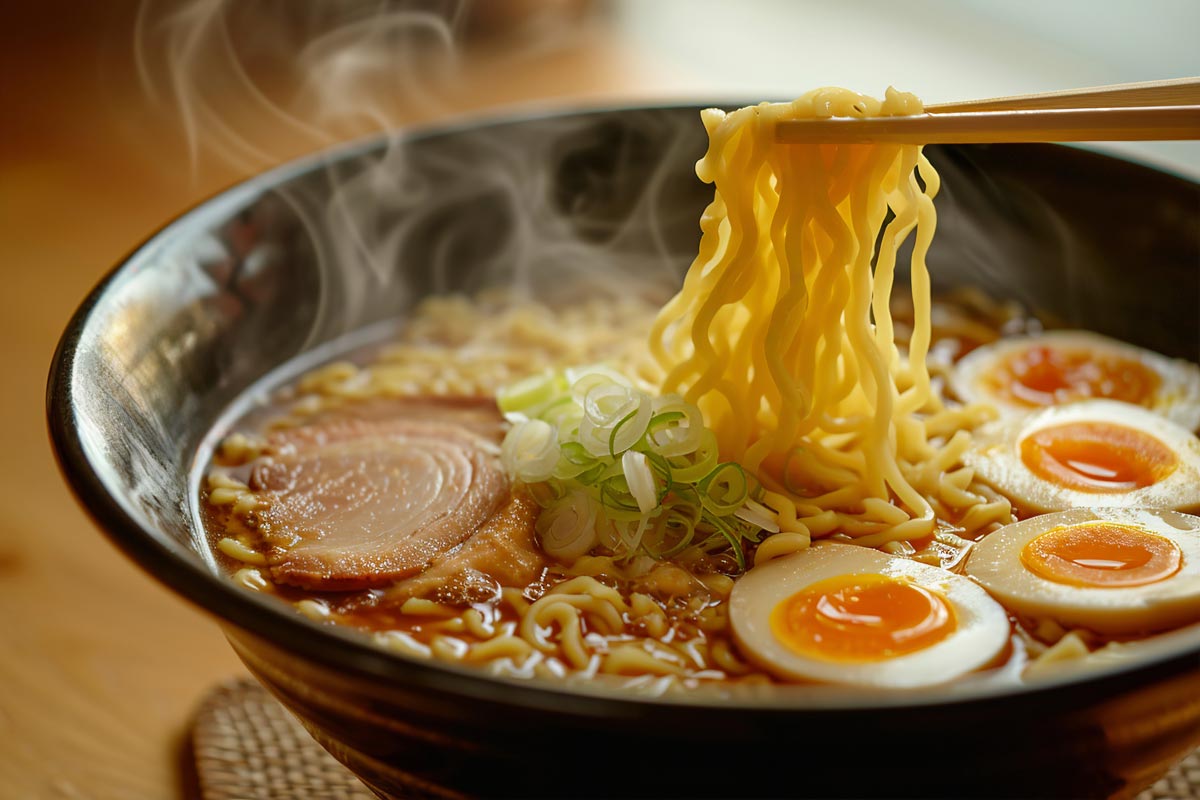
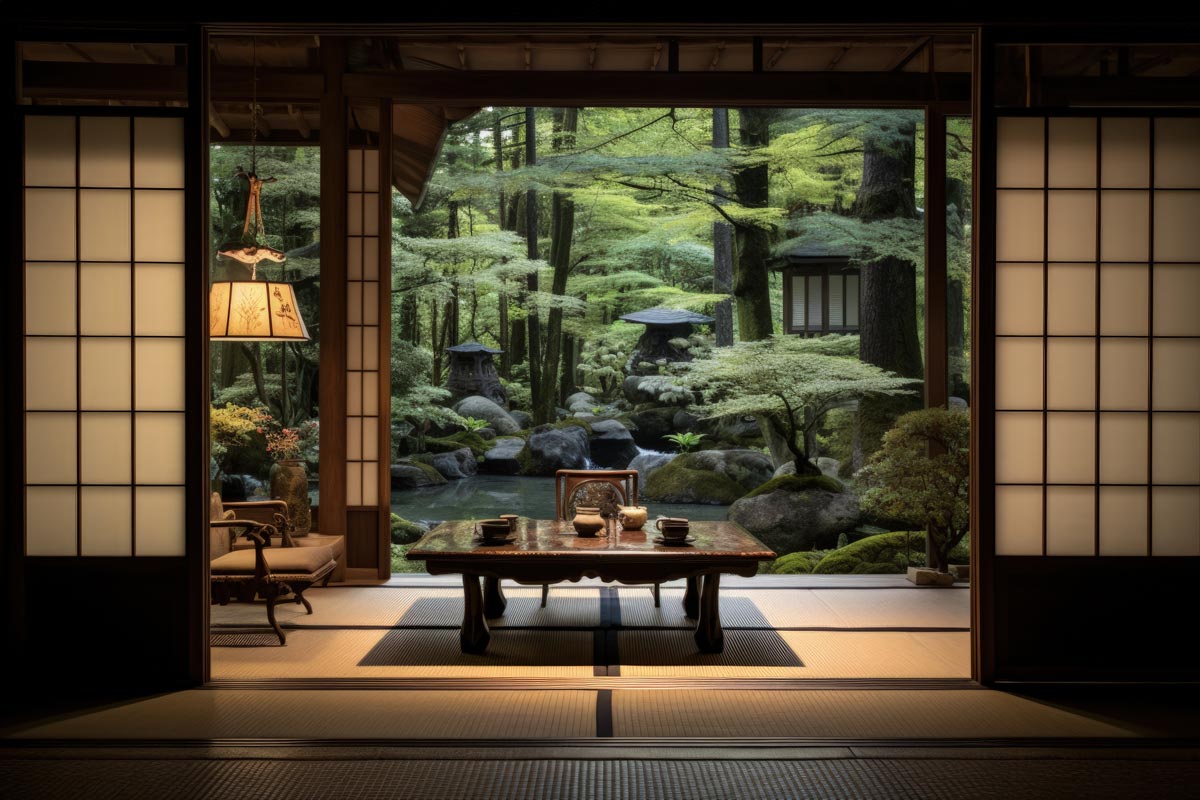
Photos are for illustrative purposes only.
Ueno Park is one of Tokyo’s most beloved green spaces and one of the easiest places for first-time visitors to experience Japan’s nature, culture, history, and everyday life in a single stroll. Just a short walk from JR Ueno Station, this vast park brings together world-class museums, tranquil shrines, cherry blossom avenues, a zoo, and lively street food stalls, all framed by a distinctly Japanese atmosphere.
Why Visit Ueno Park on Your First Trip to Japan
For international travelers, Ueno Park is an ideal introduction to Tokyo and to Japan as a whole. It’s compact enough to explore in half a day, yet rich enough to fill a full day if you love museums and slow walks.
Within the park’s grounds you can:
- Visit several of Japan’s top museums and art galleries
- Experience traditional shrines and seasonal festivals
- See cherry blossoms in spring and lotus flowers in summer
- Meet giant pandas and other animals at the zoo
- Sample local street food and classic Japanese snacks
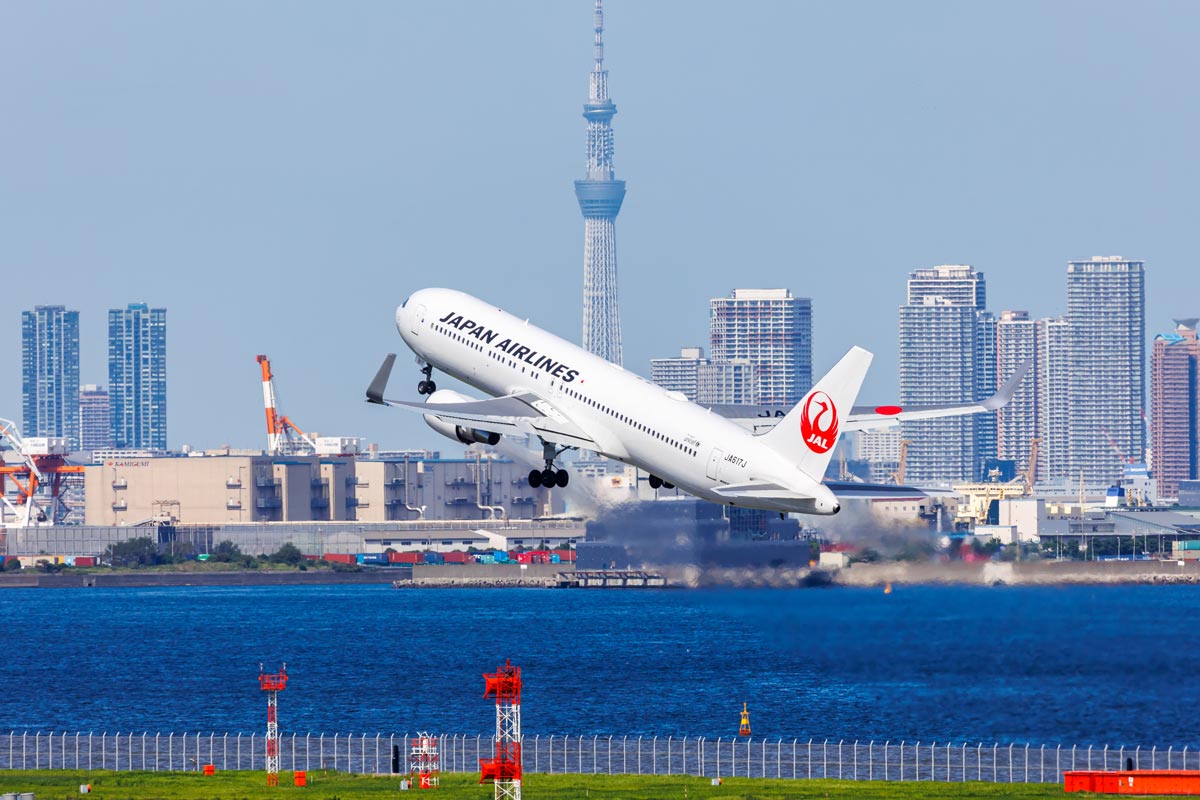
Because Ueno Station is a major transport hub with direct access from Narita Airport (via the Keisei Skyliner) and convenient connections across Tokyo, the park makes an easy first stop after you land or a relaxed final day before you depart.
Getting to Ueno Park
From Major Tokyo Areas
Ueno Park sits directly next to JR Ueno Station, one of Tokyo’s key train stations. The park entrance is clearly signposted and just a few minutes’ walk from the station’s Park Exit (Koen-guchi).
- From Tokyo Station: Take the JR Yamanote Line or Keihin-Tohoku Line (about 8 minutes).
- From Shinjuku: Take the JR Yamanote Line (about 25 minutes).
- From Shibuya: Take the JR Yamanote Line (about 30 minutes).
- From Asakusa: Take the Tokyo Metro Ginza Line (about 5 minutes) to Ueno Station.
From the Airports
- From Narita Airport: The Keisei Skyliner runs directly to Keisei Ueno Station in about 40 minutes. From there it is around a 5-minute walk to the park.
- From Haneda Airport: Take the Tokyo Monorail to Hamamatsucho, transfer to the JR Yamanote Line, and continue to Ueno Station (around 40–50 minutes total).
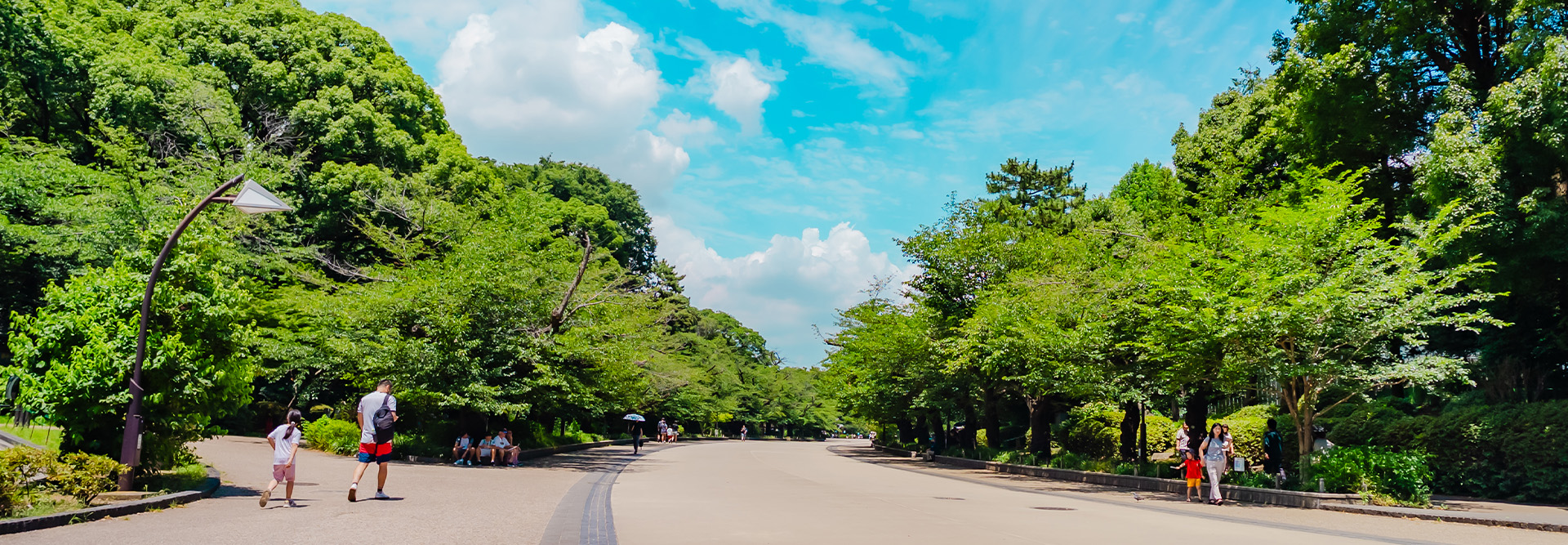
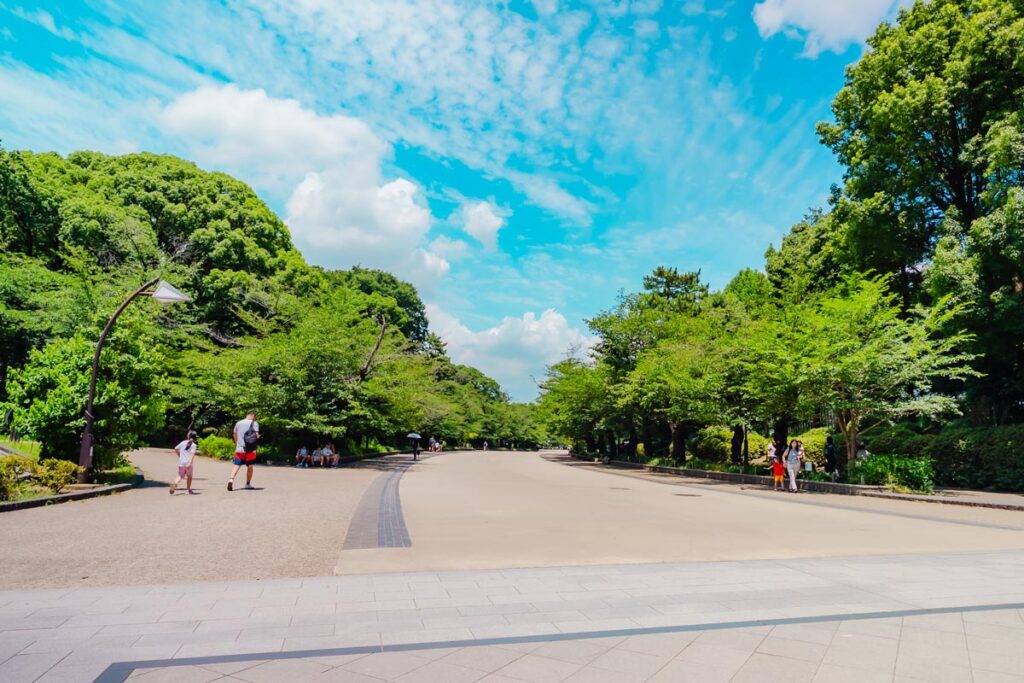
Once you arrive, follow the signs to the park entrance, where wide stone steps and tree-lined paths immediately set a calmer mood than the busy streets outside.
Highlights Inside Ueno Park
Tokyo National Museum: A Crash Course in Japanese Culture
If you visit only one museum in Ueno Park, make it the Tokyo National Museum, Japan’s oldest and largest museum dedicated to art and archeology. It’s one of the best places to build a foundation in Japanese culture.
The museum complex is spread across several buildings, each with a different focus:
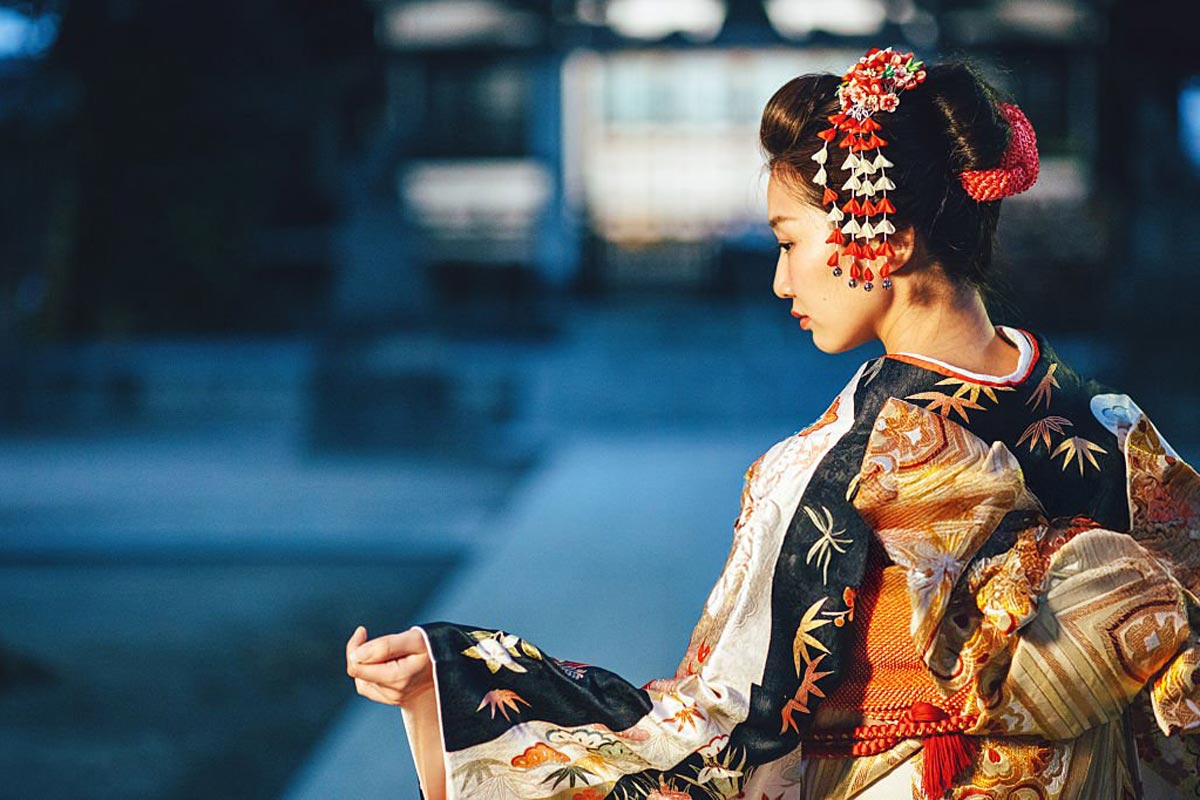
- Honkan (Japanese Gallery): Samurai armor, swords, ukiyo-e woodblock prints, ceramics, Buddhist statues, and exquisite kimono. This building gives you a timeline of Japanese art and design from ancient times to the 19th century.
- Toyokan (Asian Gallery): Art and artifacts from China, Korea, India, and other parts of Asia, helping you understand Japan in a wider regional context.
- Heiseikan and special exhibition halls: Rotating exhibitions that may feature everything from archaeological treasures to famous painting collections.
English signage is generally clear, and audio guides are often available. Allow at least 1.5–2 hours if you want to see the main Japanese galleries at a relaxed pace.
Ueno Zoo and Its Famous Pandas
Ueno Zoo is Japan’s oldest zoo and is especially popular with families and panda fans. The giant pandas are the star attraction, and on weekends and holidays queues can form to view them.
Beyond the pandas, the zoo houses a wide variety of animals from Japan and around the world, including tigers, elephants, and native species such as Japanese macaques. The atmosphere is lively, with school groups and local families, giving a glimpse into everyday Tokyo life.
If you’re traveling with children or have a half-day to spare, the zoo can be a fun addition to your itinerary. For a more tranquil experience, consider visiting on a weekday morning.
Ueno Toshogu Shrine: A Glimpse of the Edo Period
Nestled among tall trees, Ueno Toshogu Shrine is dedicated to Tokugawa Ieyasu, the powerful shogun who unified Japan in the early 17th century. Unlike many historical buildings in Tokyo, this shrine survived the major fires and air raids that destroyed much of the city, so much of what you see today is original Edo-period architecture.
The shrine’s ornate gate and gold-leaf details stand out against the greenery. Stone lanterns line the path, donated centuries ago by feudal lords. It’s a serene place to slow down, listen to the rustle of the leaves, and feel a rare continuity with old Edo (as Tokyo was once called).
Small fees may apply to enter certain areas, but wandering the approach and enjoying the atmosphere is free.
Shinobazu Pond: Lotus Flowers and City Reflections
At the southern edge of Ueno Park lies Shinobazu Pond, divided into sections for lotus plants, waterfowl, and boating. In summer, the lotus leaves form a thick green carpet across the water, with delicate pink flowers rising above the surface. It’s a deeply photogenic, quintessentially East Asian scene – yet still just minutes away from trains and shopping streets.
You can rent swan boats or rowboats for a gentle paddle, a charming break from museum-hopping. On an island in the pond sits Bentendo, a temple dedicated to Benzaiten, the goddess of music, arts, and fortune. The temple’s octagonal hall, framed by water and lotus, is especially striking at sunset.
Ueno Park’s Art Museums: From Masters to Modern
Art lovers could easily spend an entire day in Ueno Park. Some of the key institutions include:
- The National Museum of Western Art: Designed by famed architect Le Corbusier and recognized as a World Heritage Site, this museum holds works by Monet, Rodin, and other European masters.
- Tokyo Metropolitan Art Museum: Hosts rotating exhibitions that range from classical Japanese arts to contemporary shows. It’s a good chance to see works that locals are currently talking about.
- Ueno Royal Museum: A smaller venue that often stages special themed exhibitions, such as popular manga-related art shows or seasonal collections.
Check current exhibitions in advance, as ticket availability and opening times vary. English information is usually available, though depth can differ between institutions.
Seasonal Experiences in Ueno Park
Cherry Blossoms in Spring
Ueno Park is one of Tokyo’s classic hanami (cherry-blossom viewing) spots, and in late March to early April the park becomes a sea of pink. Over a thousand cherry trees line the main pathway from the park entrance towards Shinobazu Pond, creating a tunnel of blossoms.
During this time:
- Blue plastic sheets cover the ground as friends, families, and co-workers reserve picnic spots.
- Temporary food stalls sell skewered yakitori, grilled seafood, sweets, and drinks.
- Evenings can be magical, with illuminated blossoms and a lively, festive crowd.
If you visit during cherry blossom season, expect crowds. Arrive early in the morning for quieter photos and more space, or embrace the evening festival atmosphere. Remember that public drinking is generally accepted here during hanami, but be mindful of noise, litter, and respect for others.
Lotus and Greenery in Summer
Summer in Ueno can be hot and humid, but the shade of the park’s trees and the breeze over Shinobazu Pond provide some relief. The lotus blossoms peak around July and August, usually early in the morning. For photographers, this is a rewarding time to visit the pond, when the flowers are open and the light is softer.
Autumn Colors
From late November into early December, the park’s ginkgo and maple trees turn shades of gold and red. While Ueno is not as intensely colorful as some temple gardens in Kyoto, it’s still a beautiful place for an autumn walk and much easier to fit into a Tokyo itinerary.
Winter Calm
Winter brings bare branches and quieter paths. This is an excellent time to focus on museums and indoor attractions, using the park mainly as a peaceful corridor between them. The clear winter air often gives crisp views across Shinobazu Pond and the city skyline.
Food and Drink Around Ueno Park
Within the park you’ll find small cafes, snack stands, and seasonal food stalls, but the real culinary adventure lies just outside.
Ameya-Yokocho (Ameyoko) Market Street
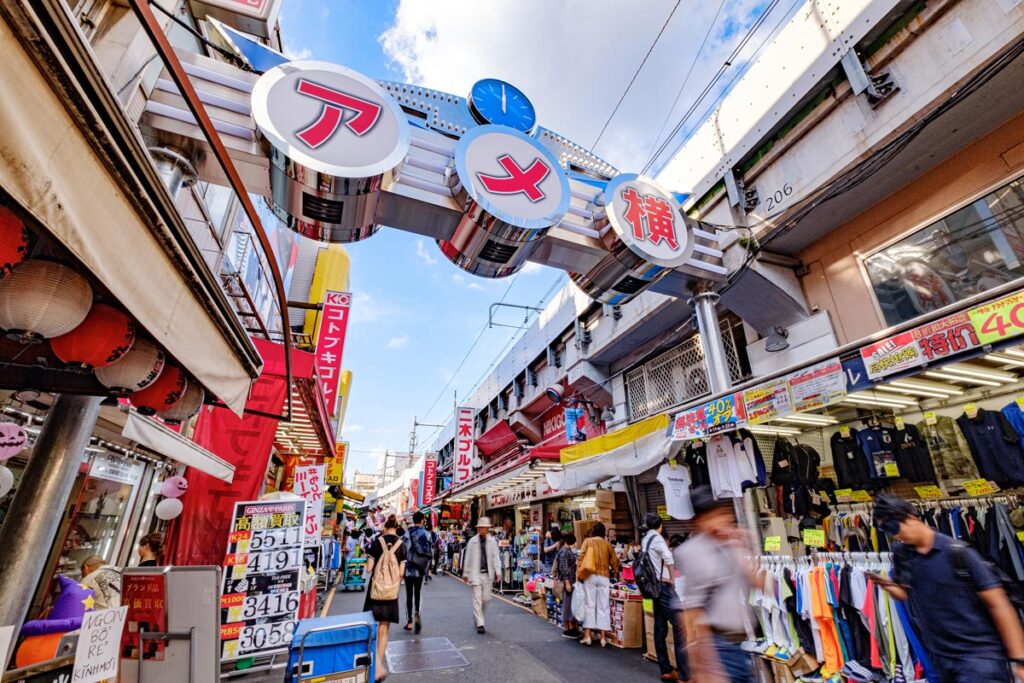
South of Ueno Station, Ameya-Yokocho – often shortened to Ameyoko – is a lively market street that once served as a black-market trading area after World War II. Today, it’s a bustling mix of food vendors, discount shops, and small restaurants tucked under and alongside the railway tracks.
Here you can try:
- Japanese street foods like takoyaki (octopus balls) and yakitori (grilled chicken skewers)
- Fresh seafood and sushi counters
- Casual izakaya pubs, often packed with office workers in the evening
- Snack shops selling dried fruits, nuts, and traditional sweets
Ameyoko can feel chaotic, but that’s part of its charm. It’s an excellent place to experience the everyday, slightly rough-around-the-edges side of Tokyo that contrasts with newer, polished districts.
Cafés and Quick Bites
For something more relaxed, the area around Ueno Station has numerous chain cafés, bakeries, and small restaurants offering Japanese curry, ramen, soba, and international options. If you plan to spend a full day in the park, consider grabbing a bento lunch from a convenience store or department store food floor near the station and enjoying it on a bench with a view.
Practical Tips for Visiting Ueno Park
Opening Hours and Fees
Ueno Park itself is open all day and free to enter. However, museums, the zoo, shrines, and special facilities have their own opening hours and admission fees. As a general guide:
- Most museums open around 9:30–10:00 and close around 17:00.
- Some museums close one day a week, often Monday or Tuesday.
- Special exhibitions may require separate or timed tickets.
Check the official websites of individual institutions before your visit, especially if you have a particular exhibition in mind.
Language and Navigation
Signage in and around Ueno Park is generally available in both Japanese and English, and major attractions provide at least basic English information. Staff at ticket counters are used to international visitors and can often answer simple questions in English. Downloading an offline map before you arrive can help you orient yourself among the many paths and buildings.
Accessibility
Many parts of Ueno Park are relatively flat and paved, with ramps and elevators at the majority of major institutions. However, some older structures and steep paths may be less accessible. If accessibility is a concern, consult attraction websites in advance for details on barrier-free routes and facilities.
What to Wear and Bring
- Comfortable shoes: You’ll be walking a lot, often on gravel paths.
- Seasonal clothing: Bring a light jacket in spring and autumn; sun protection and a hat in summer; warm layers in winter.
- Cash and card: Large museums accept credit cards, but some smaller shops and food stalls may be cash-only.
- Reusable bottle: There are vending machines throughout the park, but refillable bottles are convenient and more sustainable.
Etiquette Basics
To enjoy Ueno Park respectfully:
- Keep to the paths and avoid stepping into restricted areas, especially near shrines and temples.
- Speak quietly inside museums and religious sites.
- Do not feed wild animals or birds around the pond.
- Dispose of trash properly; bins can be scarce, so be prepared to carry rubbish with you for a while.
Suggested Itineraries for Ueno Park
Quick Visit (2–3 Hours)
- Enter via JR Ueno Station’s Park Exit.
- Walk the main avenue, stopping at Ueno Toshogu Shrine.
- Stroll to Shinobazu Pond for views of the water and Bentendo temple.
- Finish with a short walk through Ameyoko market for street snacks.
Half-Day Culture Focus (4–5 Hours)
- Start at Tokyo National Museum and explore the Japanese Gallery.
- Have a light lunch at a nearby café or bento from the station.
- Walk through the park to Shinobazu Pond and Bentendo.
- End with a relaxed coffee or shopping stop around Ueno Station.
Full-Day in Ueno (6–8 Hours)
- Morning at Tokyo National Museum or Ueno Zoo.
- Lunch in or around the park.
- Afternoon at the National Museum of Western Art or Tokyo Metropolitan Art Museum.
- Late-afternoon walk around Shinobazu Pond.
- Evening food and drinks in Ameyoko or a nearby izakaya.
Why Ueno Park Belongs on Your Tokyo Itinerary
For first-time visitors to Japan, Ueno Park offers an accessible and rewarding way to experience many sides of the country in a single district: centuries of art and history, family-friendly attractions, seasonal nature, and the daily rhythms of Tokyo life. It’s easy to reach, simple to navigate, and flexible enough to fit into almost any itinerary.
Whether you are watching cherry blossoms drift over the paths, exploring samurai armor in museum galleries, or tasting grilled squid on a smoky street corner in Ameyoko, Ueno Park gives you a rich first taste of Japan – one that often leaves travelers eager to return and explore even more.

Access Map
Recommended spots in Tokyo
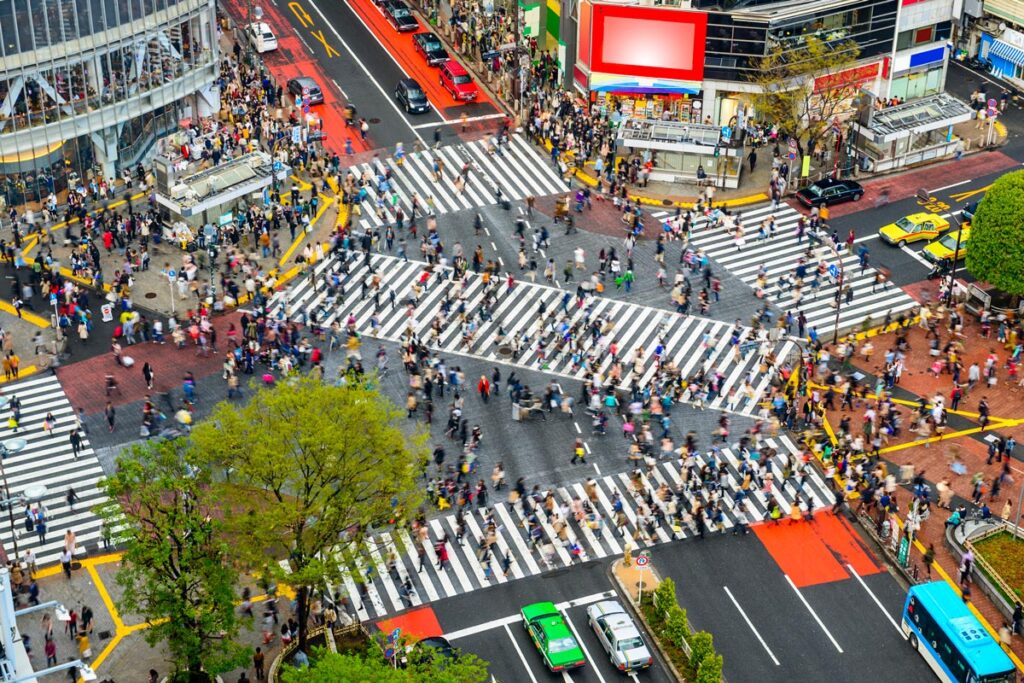
Shibuya Scramble Crossing
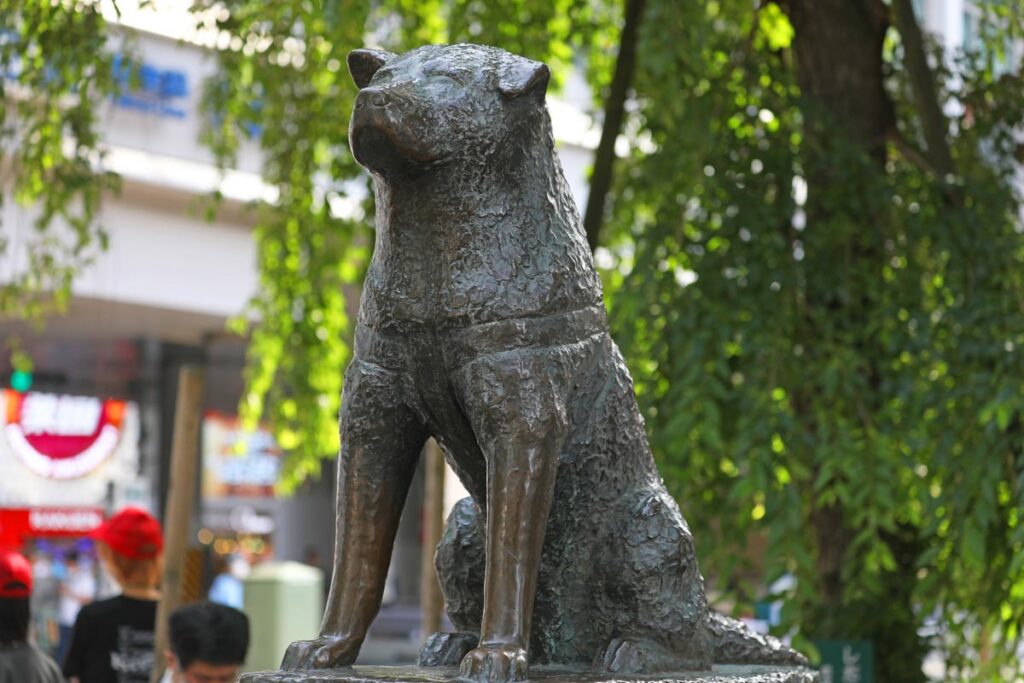
Hachiko Statue
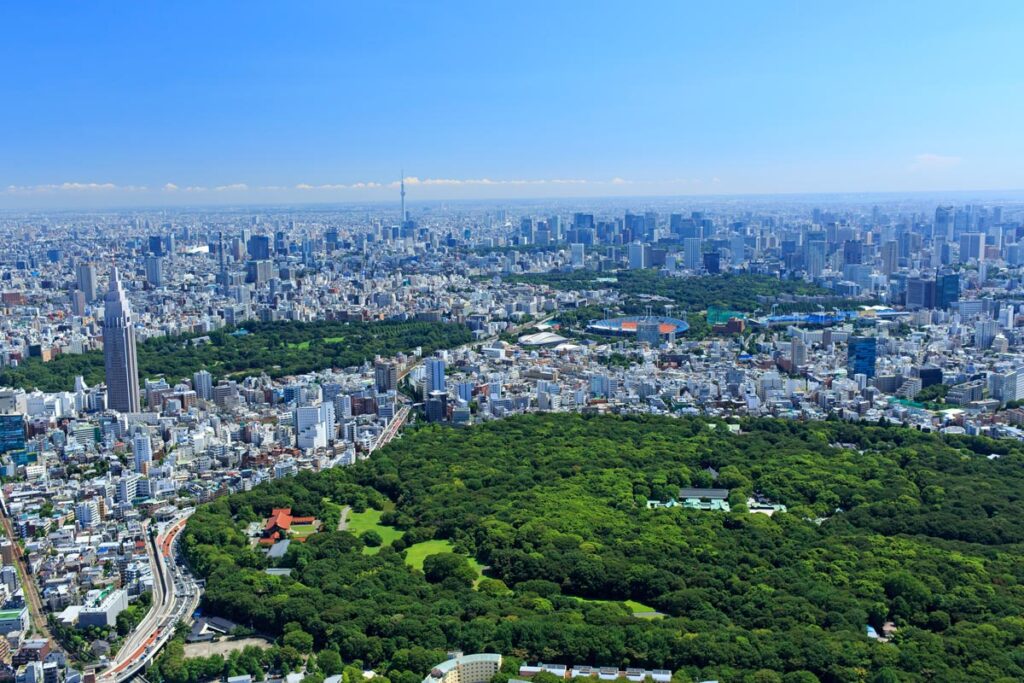
Shinjuku Gyoen
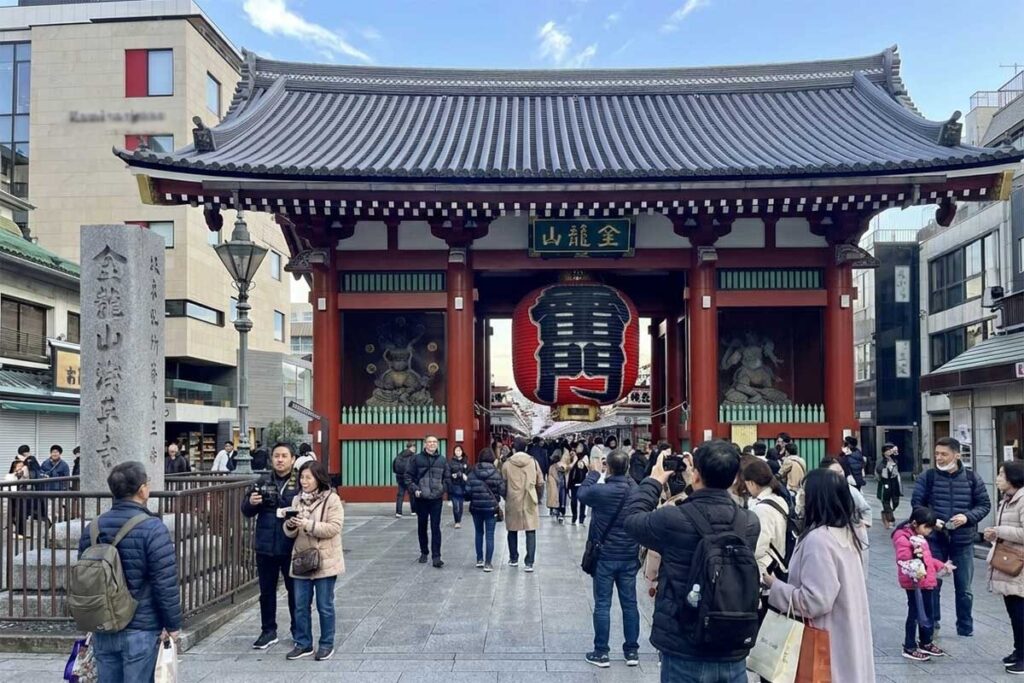
Asakusa
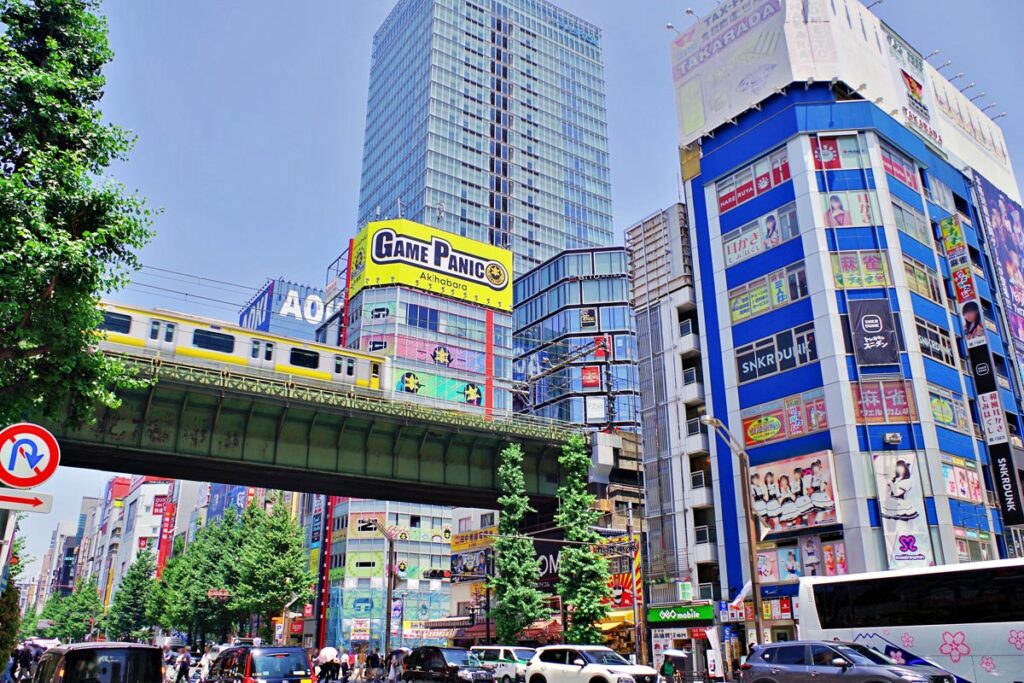
Akihabara
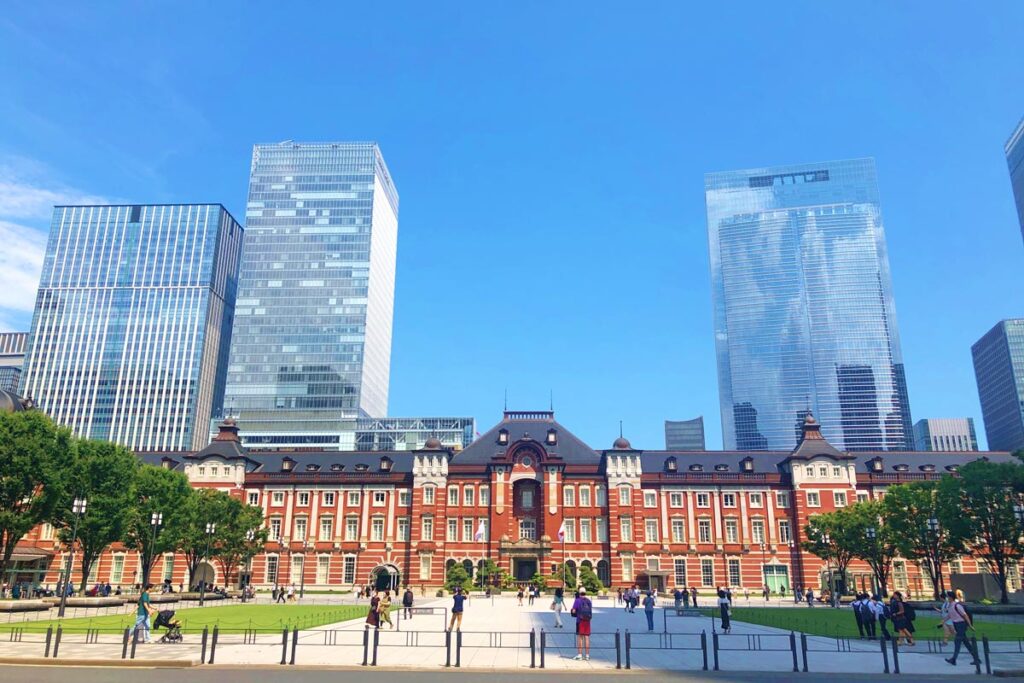
Tokyo Station
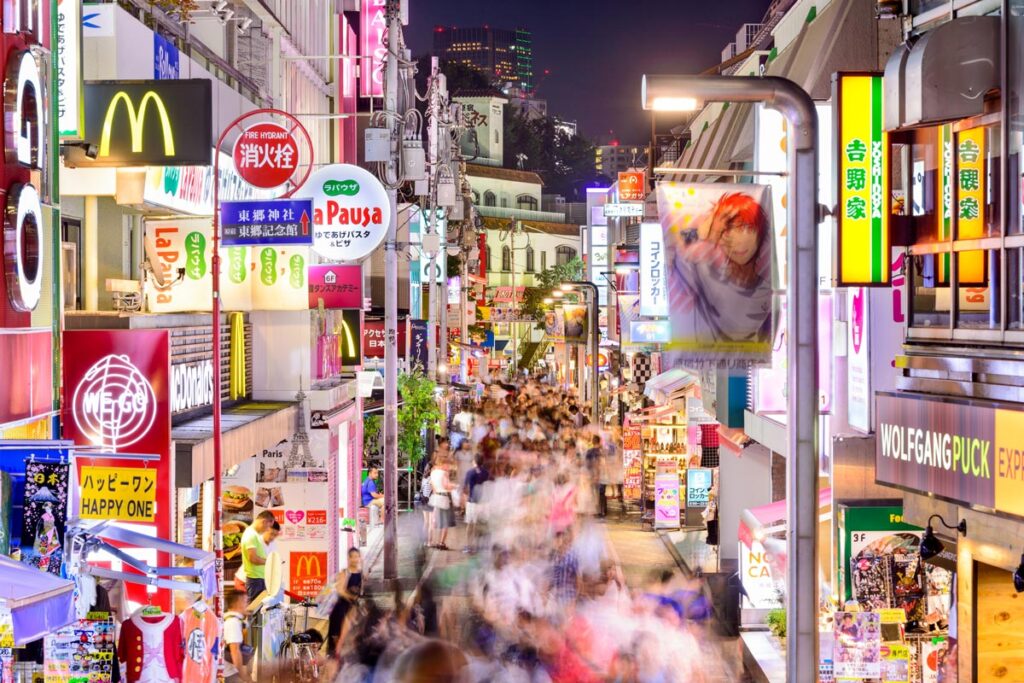
Takeshita Street (Harajuku)
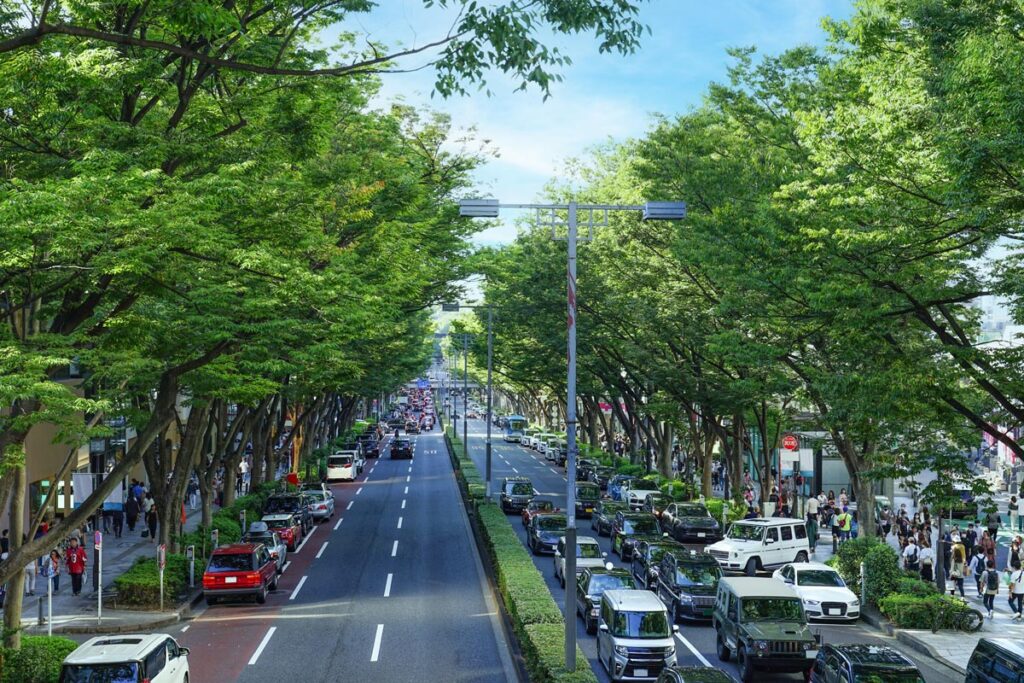
Omotesando
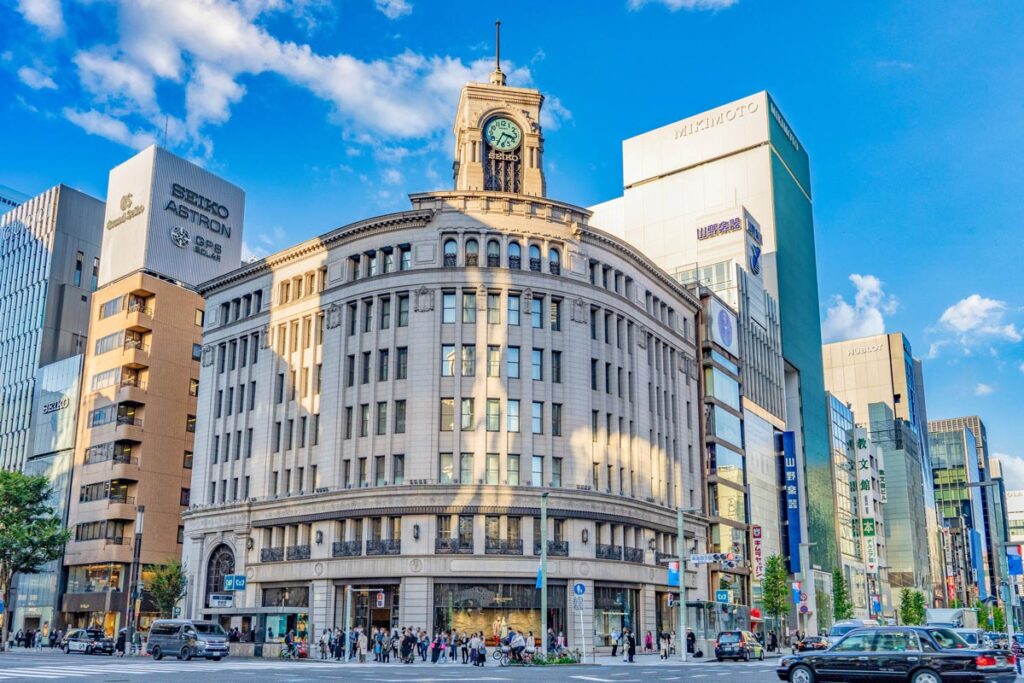
Ginza
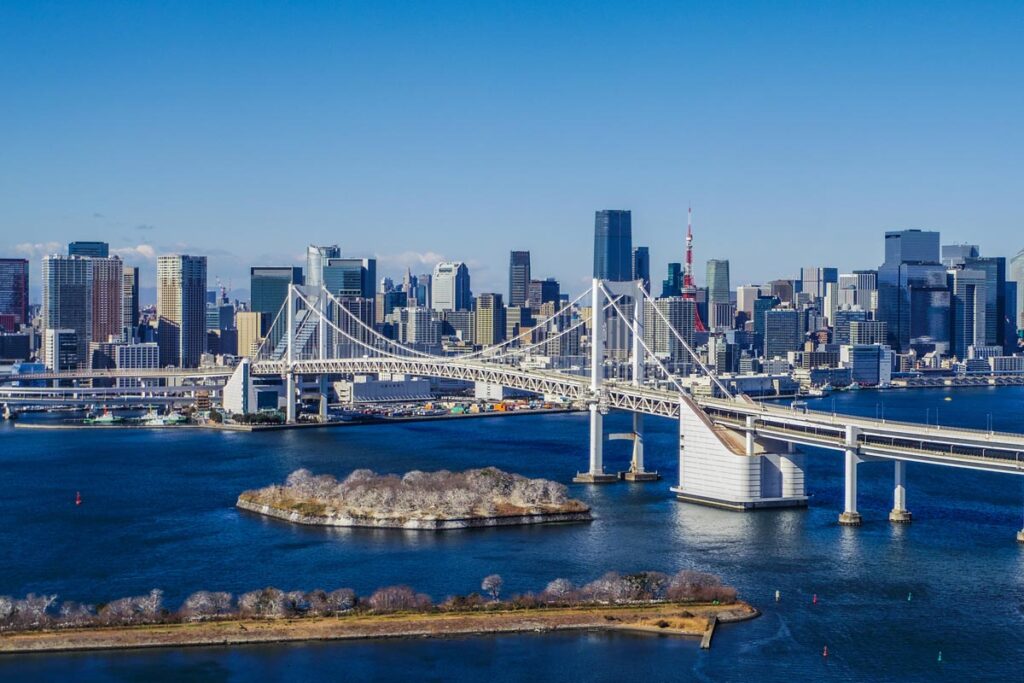
Odaiba
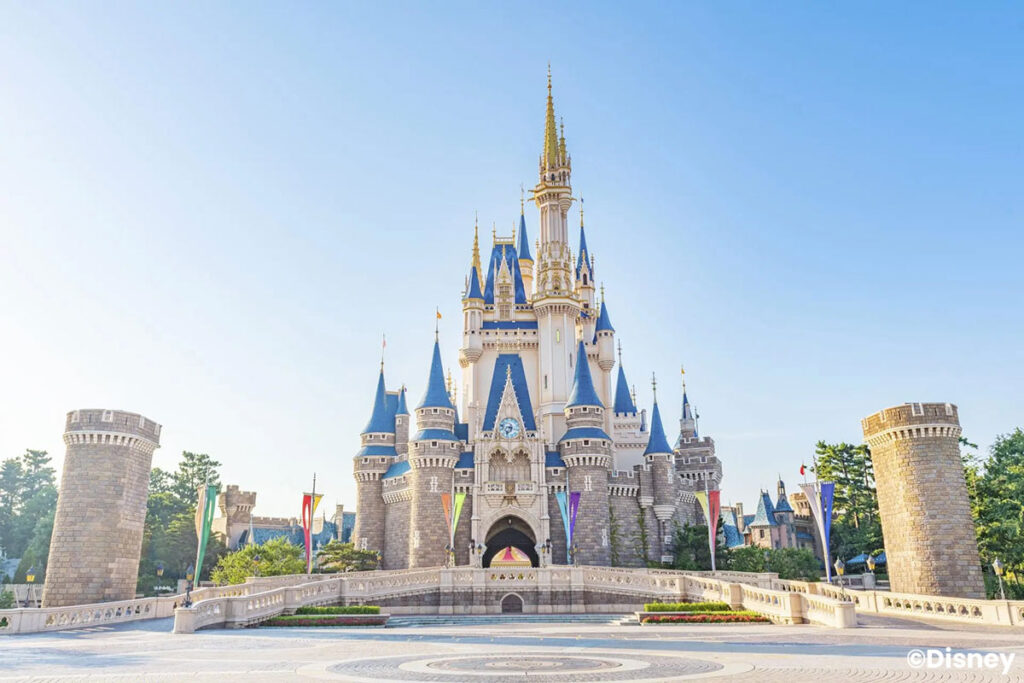
Tokyo Disneyland
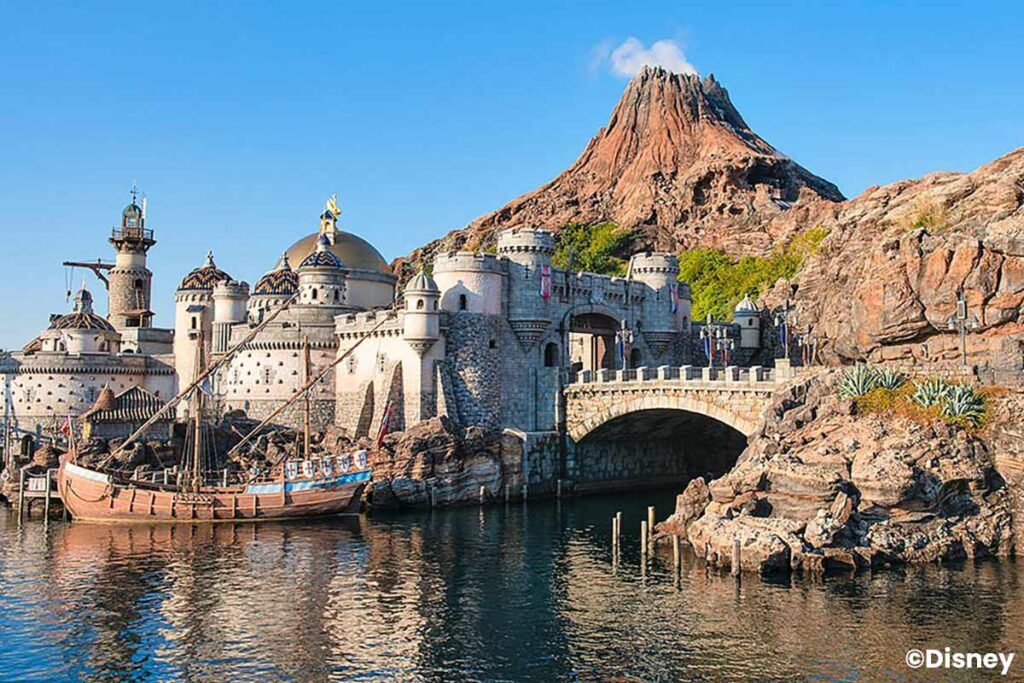
Tokyo DisneySea
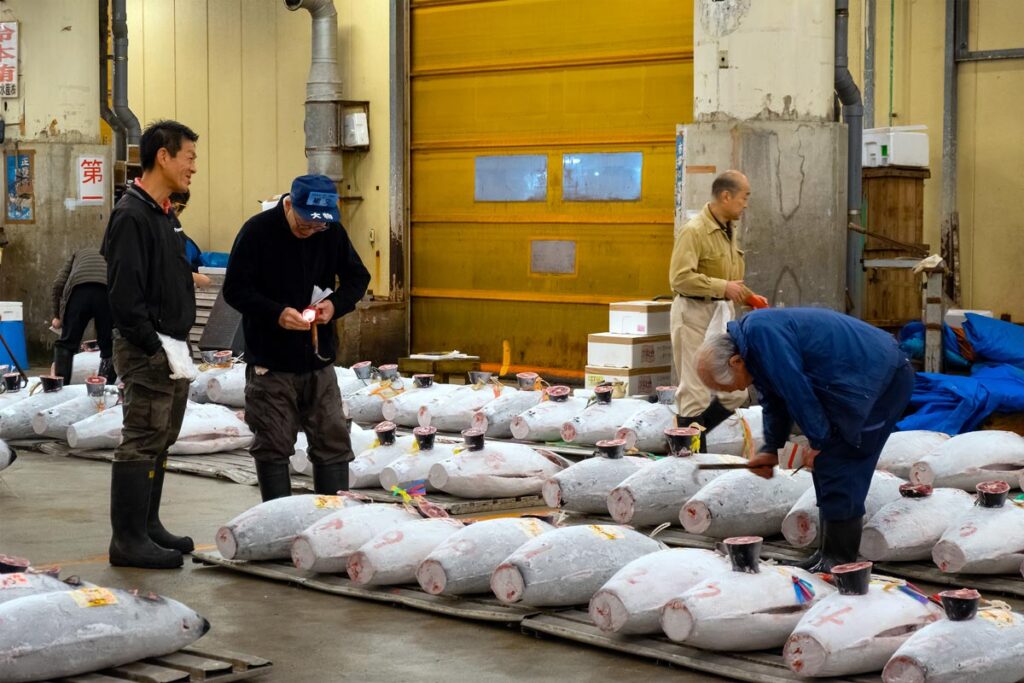
Toyosu Market
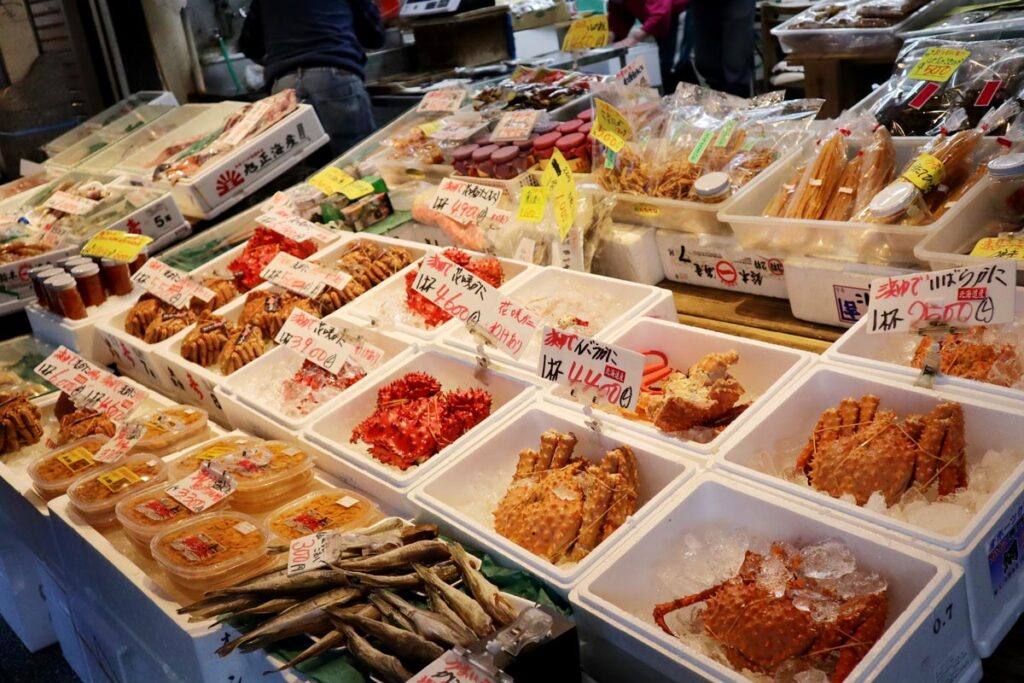
Tsukiji Outer Market
Ameyoko
Kabukicho (Shinjuku)
Ryogoku Kokugikan

teamLab Planets
Toyosu
Ueno Park
Other Top Cities
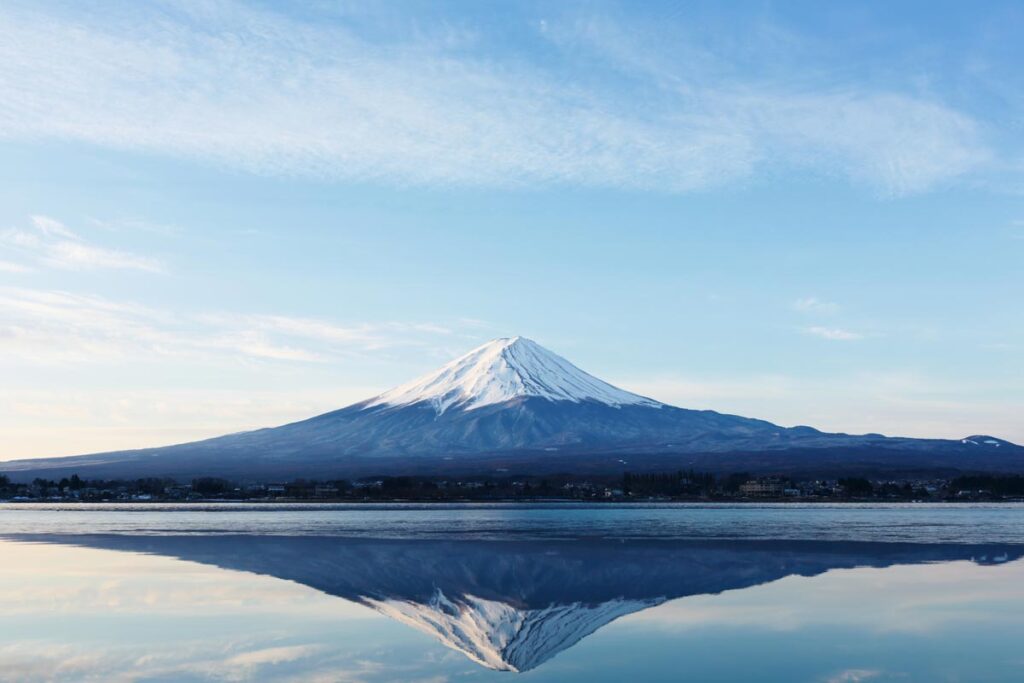
Mt. Fuji
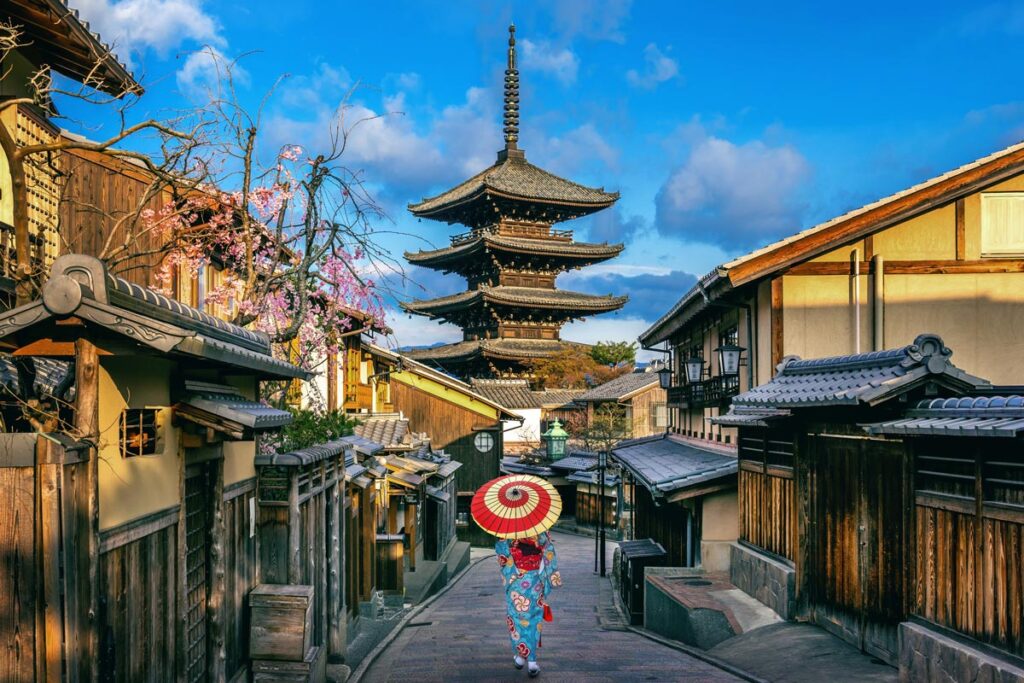
Kyoto
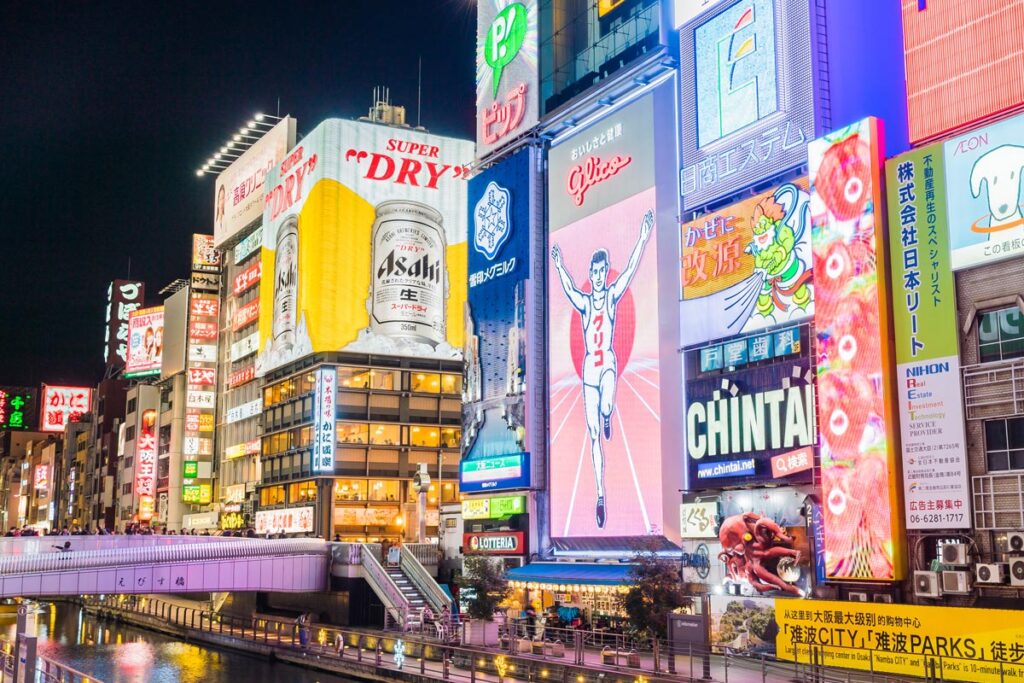
Osaka