

Umeda Sky Building
(Floating Garden Observatory)
Umeda Sky Building & Floating Garden Observatory: A First-Timer’s Guide
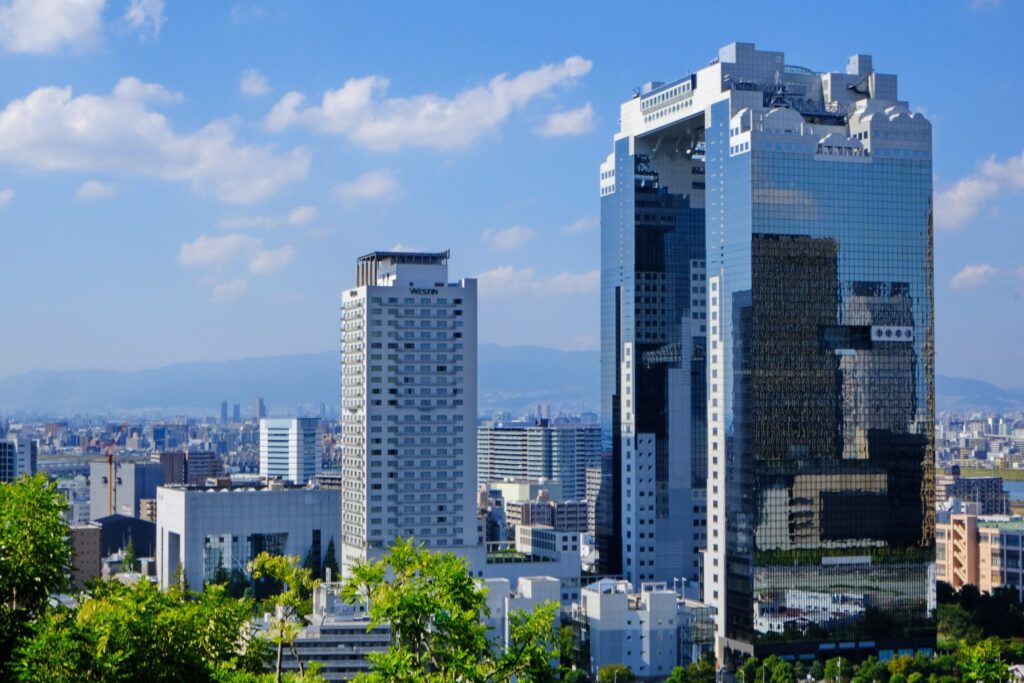
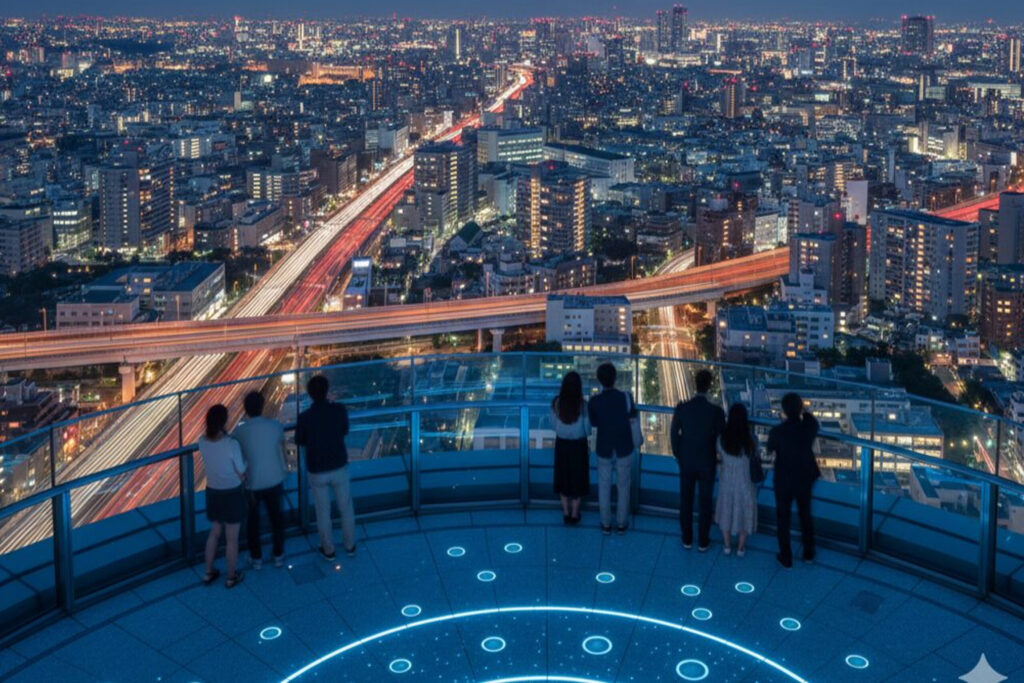
Photos are for illustrative purposes only.
Rising above Osaka’s northern business district, the Umeda Sky Building and its Floating Garden Observatory offer one of the city’s most iconic skyline views. For first-time visitors to Japan, this futuristic landmark is an easy and unforgettable way to experience urban Japan from above—especially at sunset and into the neon-lit night.
What Is the Umeda Sky Building?
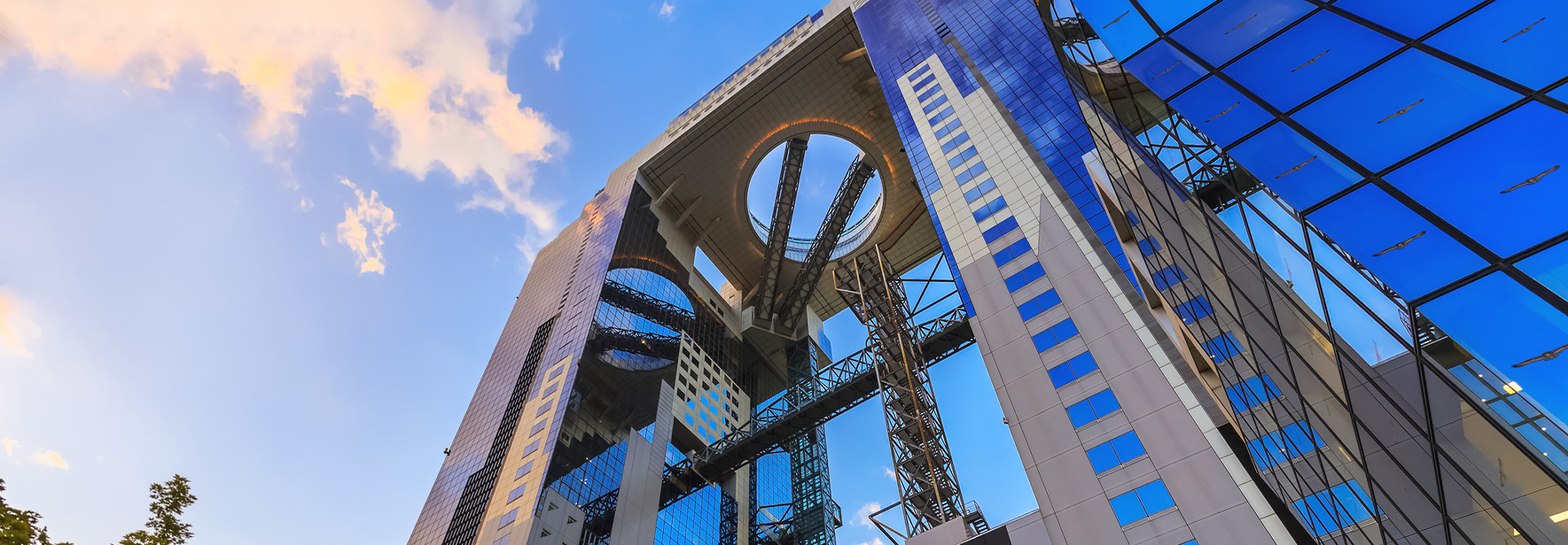
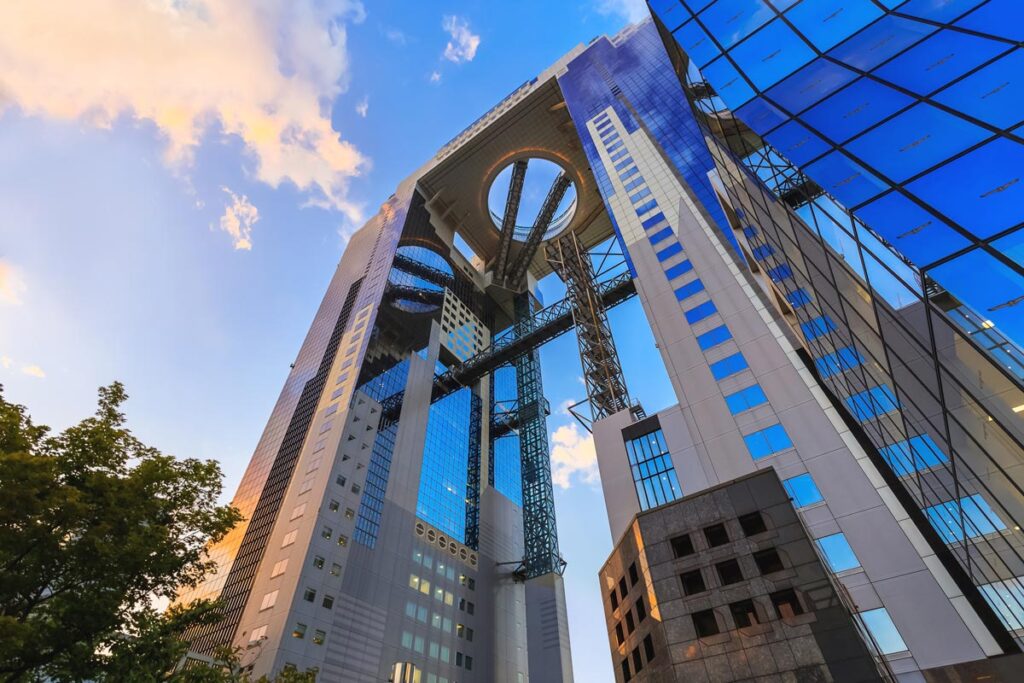
The Umeda Sky Building is a pair of 40-story towers connected at the top by a circular structure that seems to float between them. Completed in the early 1990s, it quickly became a symbol of “future Osaka.” Its bold design, glass elevators, and dramatic escalators suspended in mid-air make the journey to the top almost as memorable as the view itself.
At the very top, on the 39th and 40th floors and the rooftop, you’ll find the Floating Garden Observatory—an open-air sky deck with 360-degree views over Osaka’s sea of buildings, highways, and rivers. On clear days, you can see as far as Mount Rokko and even Awaji Island; at night, the city sparkles in every direction.
Why Visit the Floating Garden Observatory?
Unmatched 360° Panoramic Views
Osaka has several observatories, but the Floating Garden stands out because of its open-air rooftop. There is no glass between you and the cityscape, so you can feel the wind and watch the lights from a rooftop promenade. It’s especially atmospheric when the sky turns orange and pink at dusk.
From the deck, you’ll see the Yodo River cutting through the city, Osaka’s dense office districts, railway lines weaving in and out of stations, and a foreground of highway overpasses. It’s a vivid snapshot of urban Japan—organized, energetic, and endlessly photogenic.
A Romantic Spot for Couples
Umeda Sky Building is one of Osaka’s most popular date spots. The observatory has softly lit areas, comfortable seating, and panoramic windows perfect for lingering over the view. At night, the rooftop pathway often features illuminated patterns that make the space feel almost otherworldly.
Many couples come for sunset, then stay to watch the city lights shimmer into full brightness. If you’re traveling with a partner, it’s an easy place to plan a memorable evening in Osaka without needing a complicated itinerary.
Architecture Lovers’ Favorite
Even if you’ve visited other towers in Japan, the Umeda Sky Building offers a unique experience because of its dramatic design. The two towers are joined by a circular “floating” structure at the top, with a hollow center that frames the sky. You’ll ride glass-walled elevators on the outside of the building, then glide through the air on long, transparent escalators that span the gap between the towers.
For architecture fans, the interplay of steel, glass, and open space is fascinating. Even if you don’t know much about building design, the structure’s bold silhouette and futuristic feel are unforgettable and make for striking photographs from almost any angle.
Highlights of the Experience
The Sky-High Journey Up
Your visit begins in the basement or ground-level entrance area, where you purchase your ticket or show your digital pass. From there, you’ll take a glass elevator that races up the side of the building, offering a preview of the view to come. As you ascend, the city quickly shrinks beneath you.
Next comes one of the building’s most famous features: a pair of long escalators suspended between the two towers, enclosed in glass tubes. As you ride through the air, you’ll feel as if you’re floating in the sky, moving toward the circular observatory that crowns the building.
The Indoor Observation Floor
The indoor observation floor features wide windows and comfortable spaces to sit and admire Osaka from above. This area is ideal if it’s windy or rainy, or if you prefer a more relaxed atmosphere with fewer gusts of air than on the rooftop.
You’ll find displays indicating major landmarks, giving you context as you look out over the city. The indoor area is also where you’ll typically find souvenir shops, photo spots, and sometimes small exhibits or themed decorations, depending on the season.
The Open-Air Rooftop Deck
Climb one more level and you’ll reach the open-air Floating Garden. Despite the name, there’s no traditional garden here; instead, the “garden” is the sky itself, and the circular path around the rooftop gives you views in every direction.
Walk the full circle slowly to see Osaka from all angles. Face south for the brightest cluster of city lights and commercial districts; look north toward the Yodo River and the greener suburbs; gaze west toward the port area and the faint outline of mountains beyond. Benches and resting spots along the route invite you to pause and soak it all in.
Night Views & Seasonal Atmosphere
While daytime views are clear and detailed, many visitors prefer coming after dark. Osaka’s nickname, “Japan’s kitchen,” is often associated with its food culture, but at night the city truly feels like a vast electric network, buzzing with life. Highways form glowing ribbons across the landscape, and train lines streak through the city like veins of light.
Throughout the year, the observatory sometimes features seasonal decorations—romantic lighting displays for winter, for example, or special illumination events. Check current information when planning your visit, especially if you’re traveling during major holidays like Christmas, New Year, or Golden Week, as the atmosphere can be particularly festive.
When to Visit
Best Time of Day
If your schedule allows, aim to visit around 60–90 minutes before sunset. This timing lets you experience three different moods:
- Daylight: Clear views of distant mountains, rivers, and detailed cityscapes.
- Sunset: Warm colors and dramatic skies for photography.
- Night: A full panorama of city lights and reflections.
Be aware that sunset is also the most popular time, so there may be more people. If you prefer a quieter visit, consider late morning or early afternoon on a weekday.
Best Season
The observatory is open year-round, and each season has a slightly different feel:
- Spring: Clear air and mild temperatures; great visibility.
- Summer: Longer days and dramatic sunsets, but can be hot and humid on the rooftop.
- Autumn: Often the best visibility, with crisp air and beautiful light.
- Winter: Chilly on the rooftop, yet some of the clearest days and bright, sharp night views.
No matter when you go, bring a light jacket if you plan to spend time on the rooftop, as wind can make it feel cooler than ground level.
How to Get There
The Umeda Sky Building is located in Osaka’s Umeda district, a major transport hub with several connecting train and subway lines. It’s an easy addition to any Osaka itinerary.
From JR Osaka Station
JR Osaka Station is the main gateway. From the central area of the station, follow signs for the Sakura-bashi Exit. Once you’re outside, you’ll walk northwest through an area with elevated roads and railway tracks. Clear signboards and maps around the station point toward the Umeda Sky Building.
The walk takes about 10–15 minutes at a relaxed pace. You’ll pass through a pedestrian underpass or over a short footbridge, depending on the route you choose, and the silver twin towers of the building will soon come into view.
From Hankyu or Hanshin Umeda Stations
If you’re arriving via Hankyu Railway or Hanshin Railway, exit toward JR Osaka Station and then follow the same directions from there. Expect the total walking time from these private railway stations to be roughly 15–20 minutes.
Using the Osaka Metro
Several Osaka Metro lines serve the area, including stations such as Umeda, Higashi-Umeda, and Nishi-Umeda. Once you emerge at street level, head toward JR Osaka Station as your first landmark, then walk to the Umeda Sky Building as described above.
Tickets, Hours & Practical Information
The Floating Garden Observatory charges an admission fee, with discounts occasionally available for children or combination tickets with other attractions. Many visitors simply purchase tickets on-site on the day of their visit. However, during busy holiday periods or weekends around sunset, expect queues at peak times.
Operating hours typically run from morning to late evening, with last entry well before closing time. Closing times can vary by season or special event, so confirm the latest information before you go, especially if you plan an evening visit.
Payment methods usually include cash and major credit cards. Some counters also accept popular digital payment services, but having cash on hand is always wise in Japan, especially for small purchases like drinks or souvenirs.
What to Expect Inside
Facilities & Amenities
Inside the building, you’ll find restrooms, souvenir shops, photo services, and vending machines. The observatory floor often has snack counters or small cafés, though offerings can change. Even if you don’t buy anything, simply taking a seat and gazing out over the city is relaxing.
The building offers elevator access and is generally wheelchair-friendly, though the open-air rooftop may have some limitations depending on weather and conditions. If accessibility is a concern, check the latest information or ask staff at the entrance.
Dining Options Nearby
At the base of the Umeda Sky Building, you’ll find a basement-level dining area styled to evoke a retro Japanese atmosphere. It often features small eateries serving classic Japanese comfort foods such as noodles, rice bowls, and set meals. The narrow alleys, lanterns, and nostalgic décor contrast sharply with the building’s futuristic architecture above.
Alternatively, the wider Umeda district is one of Osaka’s top areas for dining, with everything from standing bars and casual izakaya pubs to high-end restaurants in department stores. Consider combining your visit to the observatory with a meal in Umeda to enjoy both the view and Osaka’s renowned food culture.
Tips for First-Time Visitors
Photography Advice
The Floating Garden Observatory is a dream for photographers, but a few tips will help you get the best shots:
- Bring a camera strap: It can get windy on the rooftop, and you’ll be grateful for the extra security.
- Clean your lens: Especially after humid or rainy weather, lenses fog easily when stepping into cooler or warmer air.
- Experiment with angles: The escalators, circular rooftop, and structural frames of the building all provide interesting compositions beyond simple skyline shots.
- Stay after sunset: The city lights grow brighter for at least 30–60 minutes after the sun goes down, giving you a richer nightscape.
Weather & Clothing
Because the rooftop is open to the elements, check the weather forecast before you go. On rainy days, views may be limited and the rooftop might occasionally close for safety, though the indoor observatory often remains open.
Bring an extra layer even in warmer seasons, as the wind at higher floors can feel surprisingly strong. In winter, gloves and a hat make the experience much more comfortable if you plan to stay outside for more than a few minutes.
Planning Your Itinerary
The Umeda Sky Building fits easily into a half-day or evening in Osaka. Many travelers choose one of these combinations:
- Shopping + View: Spend the afternoon exploring Umeda’s department stores and underground shopping arcades, then head to the observatory for sunset.
- Day Trip Add-On: Return from a day trip to Kyoto, Nara, or Kobe via Osaka Station, then finish your day with the Floating Garden’s night view.
- Food Tour + Observatory: Enjoy dinner in Umeda or a nearby neighborhood like Tenma, then end the night with a peaceful stroll on the rooftop deck.
Understanding the Cultural Context
Japan’s major cities often express their identity through towering landmarks: Tokyo has Tokyo Tower and Tokyo Skytree; Osaka has Umeda Sky Building among others. Observatories like the Floating Garden offer more than just a view; they show how urban life, public space, and design intersect in modern Japan.
Looking down from the rooftop, you might notice how trains run on time with precise frequency, how highways spiral and curve through the city, and how patches of greenery are carefully planned. This bird’s-eye view highlights Japan’s balance between dense development and thoughtful organization, and it can deepen your appreciation of the country’s urban culture during the rest of your trip.
Is Umeda Sky Building Worth It?
For most first-time visitors to Japan, the Umeda Sky Building and its Floating Garden Observatory offer excellent value for the time and cost involved. The location is convenient near major train and subway lines, the views are impressive in all weather, and the architecture itself provides a memorable experience that feels distinctively “Osaka.”
Whether you’re a couple seeking a romantic night, a solo traveler collecting cityscapes, or a family looking for a simple but impressive activity, this observatory is a strong addition to any Osaka itinerary. Take your time, walk the full rooftop circle, and let the vastness of the city sink in—you’ll walk away with a deeper sense of just how alive modern Japan really is.
Access Map
Recommended spots in Osaka
Kaiyukan Osaka Aquarium
Umeda Sky Building (Floating Garden Observatory)
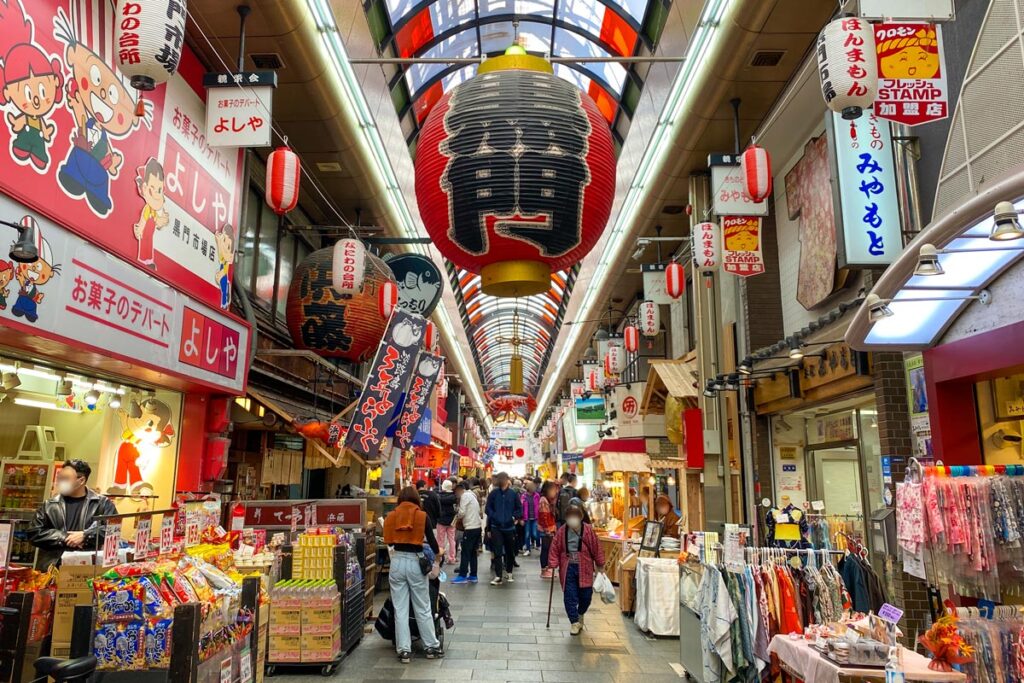
Kuromon Market
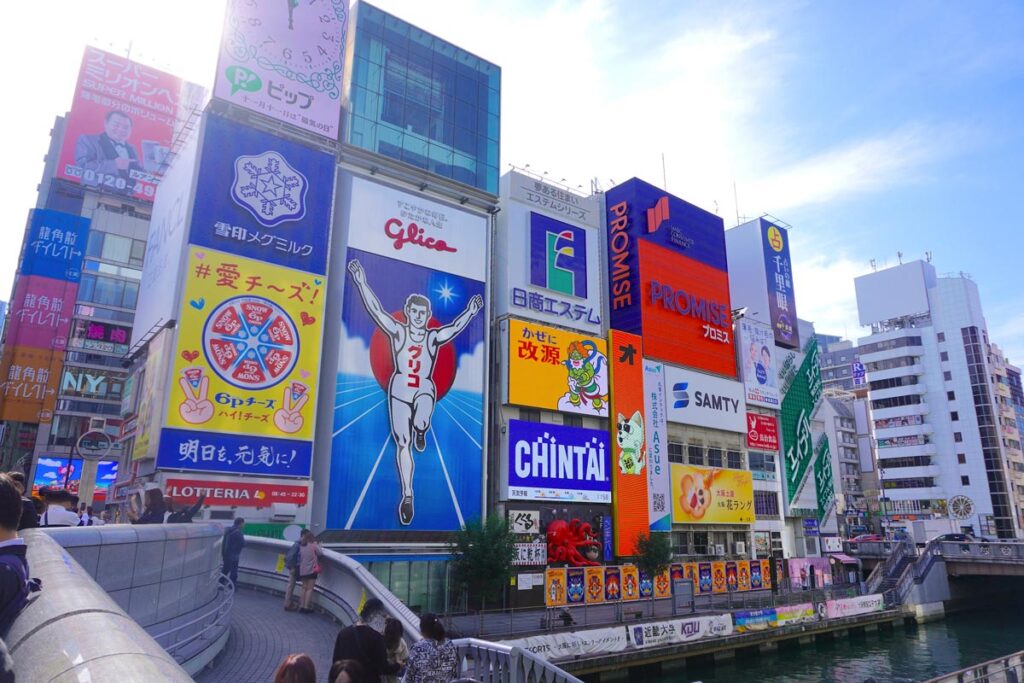
Shinsaibashi

America-mura
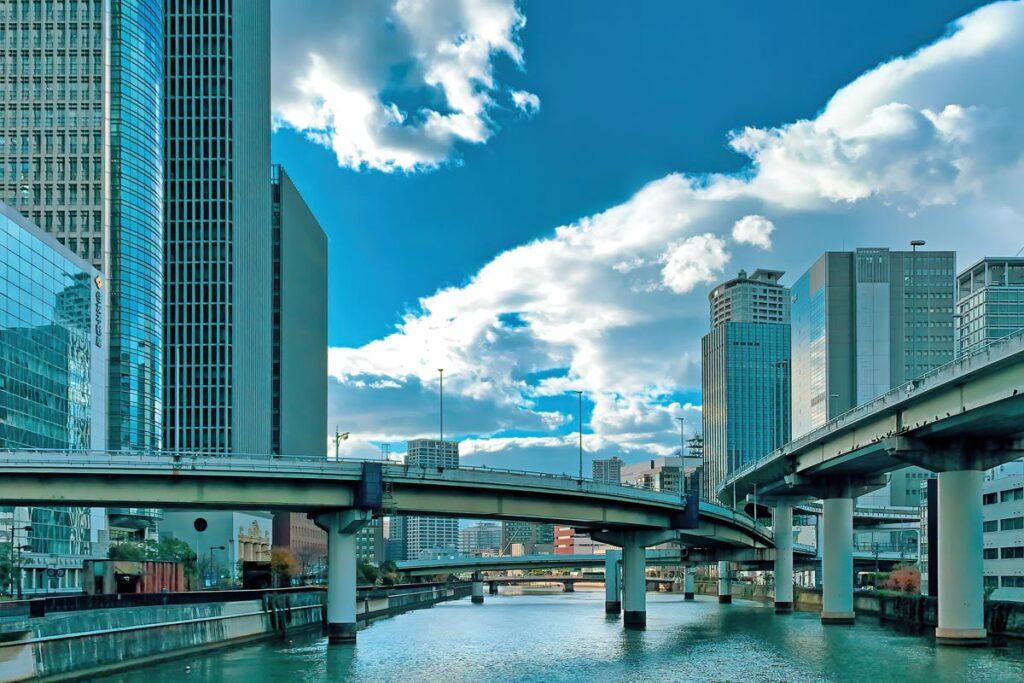
Nakanoshima
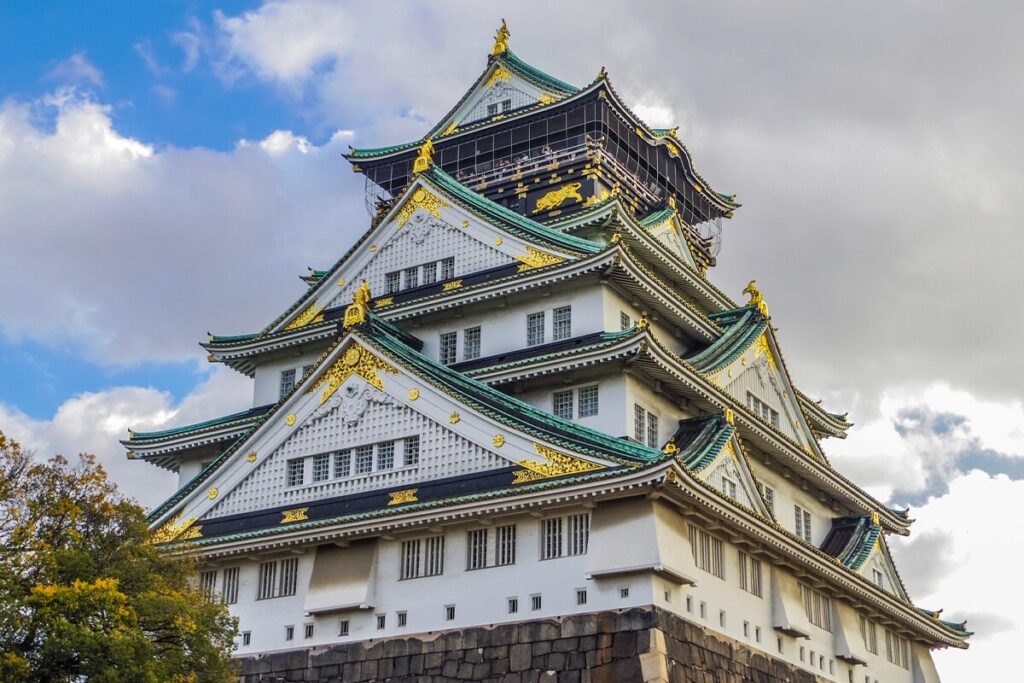
Osaka Castle
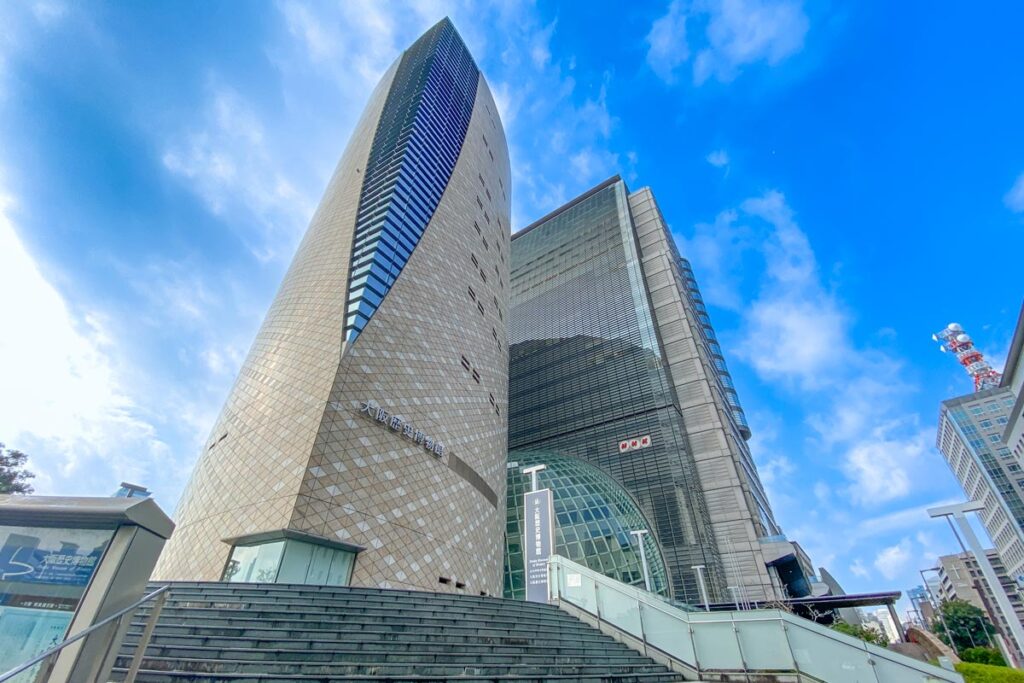
Osaka Museum of History
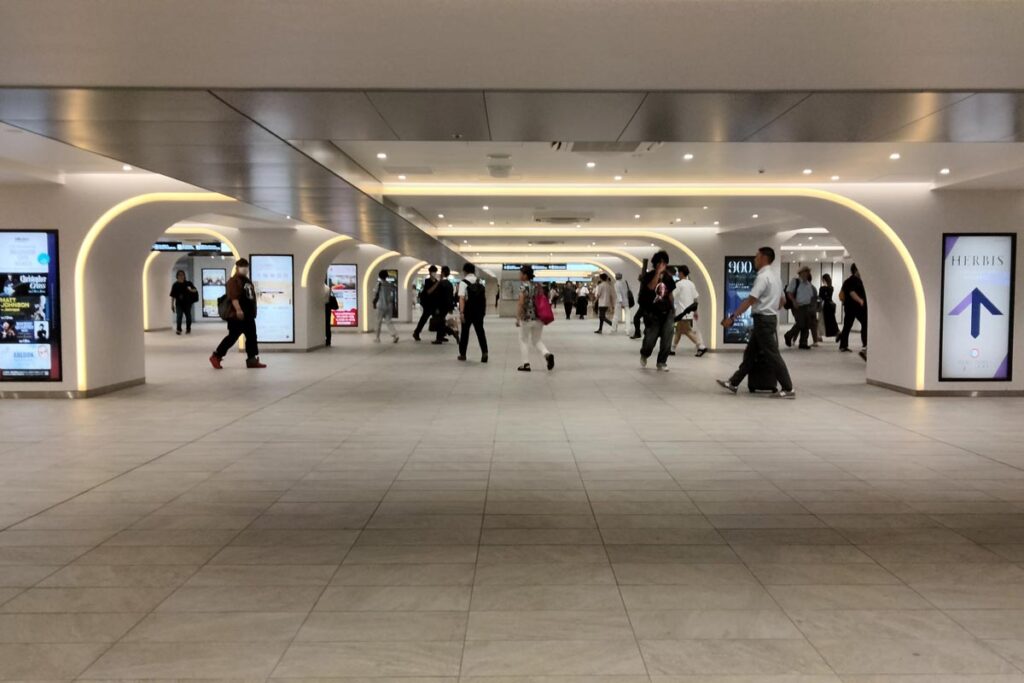
Umeda Dungeon
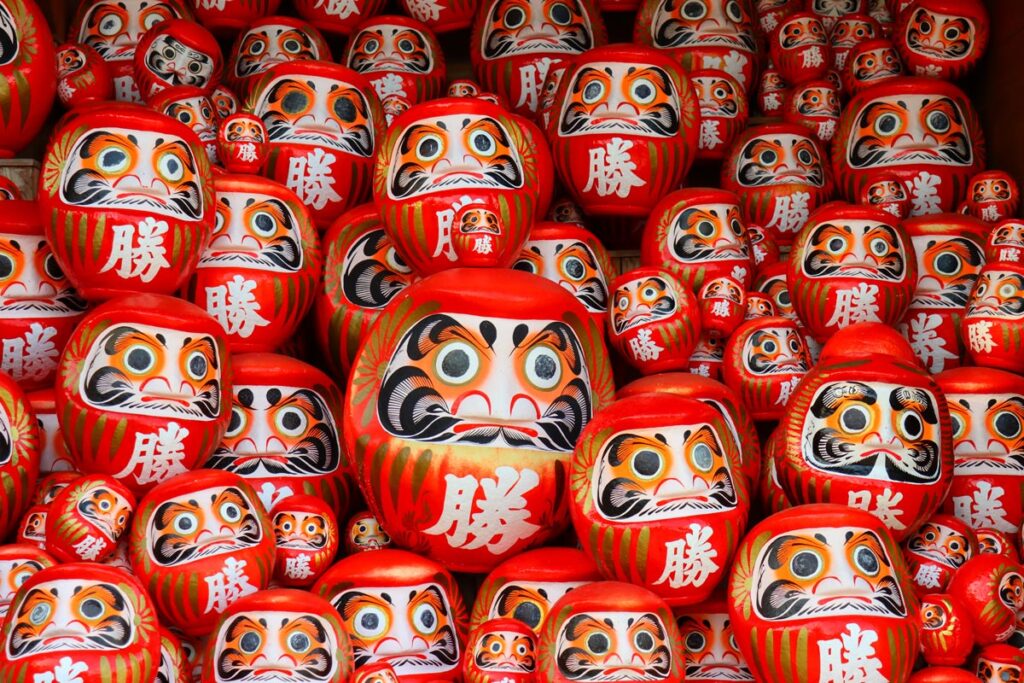
Katsuoji Temple