





Vegan Restaurants
Vegan Restaurants in Japan: A First-Timer’s Guide
Japan may be famous for sushi and wagyu beef, but it is also becoming one of Asia’s most exciting destinations for vegan travelers. From innovative plant-based ramen in Tokyo to temple cuisine in Kyoto, vegan restaurants in Japan are growing in both number and creativity. With a little preparation and cultural understanding, it is now entirely possible to eat well, stay true to your dietary choices, and enjoy authentic Japanese flavors.
Understanding Vegan Dining in Japan
Before you start searching for vegan restaurants, it helps to understand how Japan thinks about food. Strict veganism is still relatively new outside certain Buddhist traditions, and many Japanese dishes use fish-based ingredients even if they appear vegetable-only at first glance.
Common Hidden Animal Products
When eating out, be aware of these frequently used non-vegan ingredients:
- Dashi (だし): A soup stock usually made with bonito flakes (dried fish) and kombu seaweed. It appears in miso soup, noodle soups, and many simmered dishes.
- Bonito flakes (かつお節, katsuobushi): Shaved dried fish often sprinkled on tofu, okonomiyaki, and vegetables.
- Fish sauce / shrimp paste: Less common than in Southeast Asia, but occasionally used in dressings or regional dishes.
- Mayonnaise: Japanese dishes and sandwiches often contain egg-based mayo, even when it does not appear obvious.
- Eggs and dairy: Present in many breads, desserts, and some noodles.
Dedicated vegan restaurants in Japan will clearly avoid these ingredients, but in non-vegan venues it is safer to ask specifically about dashi and bonito flakes rather than simply saying you do not eat meat or fish.
Useful Japanese Phrases for Vegans
Even in vegan restaurants, staff may not be fluent in English. These simple phrases can help you clarify:
- Watashi wa vegan desu. (私はヴィーガンです。) – I am vegan.
- Niku, sakana, tamago, gyūnyū wa taberaremasen. (肉、魚、卵、牛乳は食べられません。) – I cannot eat meat, fish, eggs, or milk.
- Dashi wa sakana ga haitteimasu ka? (出汁は魚が入っていますか?) – Does the soup stock contain fish?
- Konya, vegan menyū wa arimasu ka? (今夜、ヴィーガンメニューはありますか?) – Do you have a vegan menu tonight?
Having these written down or saved on your phone is extremely helpful, especially when you are away from big cities.
Tokyo: Japan’s Vegan Powerhouse
Tokyo is the easiest place in Japan for vegan travelers, with a growing number of fully vegan and vegan-friendly restaurants. You will find everything from traditional Japanese set meals to Western-style comfort food.
Vegan Ramen
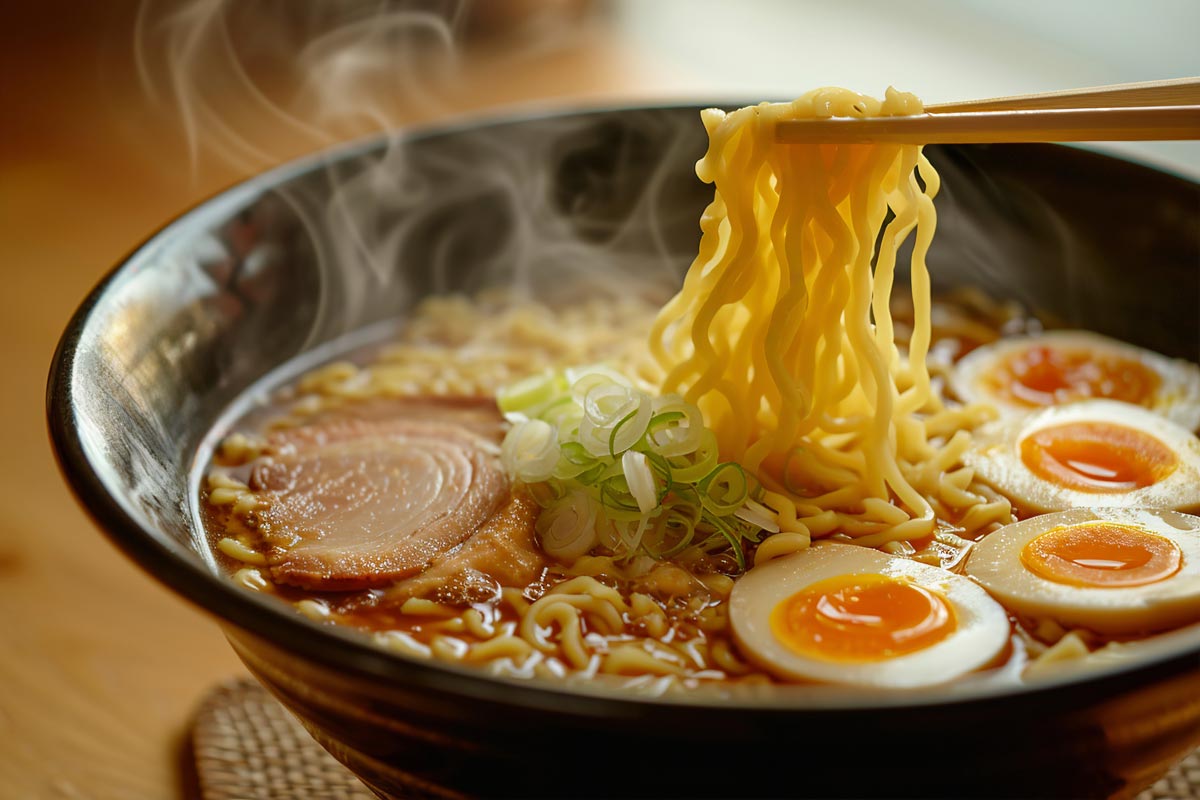
Ramen is a must-try dish in Japan, and Tokyo offers a number of shops that specialize in plant-based bowls. Vegan ramen often replaces pork or chicken broth with rich soy milk, miso, or vegetable-based stocks. Toppings typically include grilled vegetables, marinated tofu, mushrooms, and sometimes mock meats such as soy “chashu.”
Many vegan ramen shops are small, counter-style restaurants with ticket vending machines by the entrance. Look for a button labeled “vegan” or ask staff to point it out. In some places, the vegan option is hidden on a separate menu, so do not hesitate to ask.
Plant-Based Cafés and Bakeries
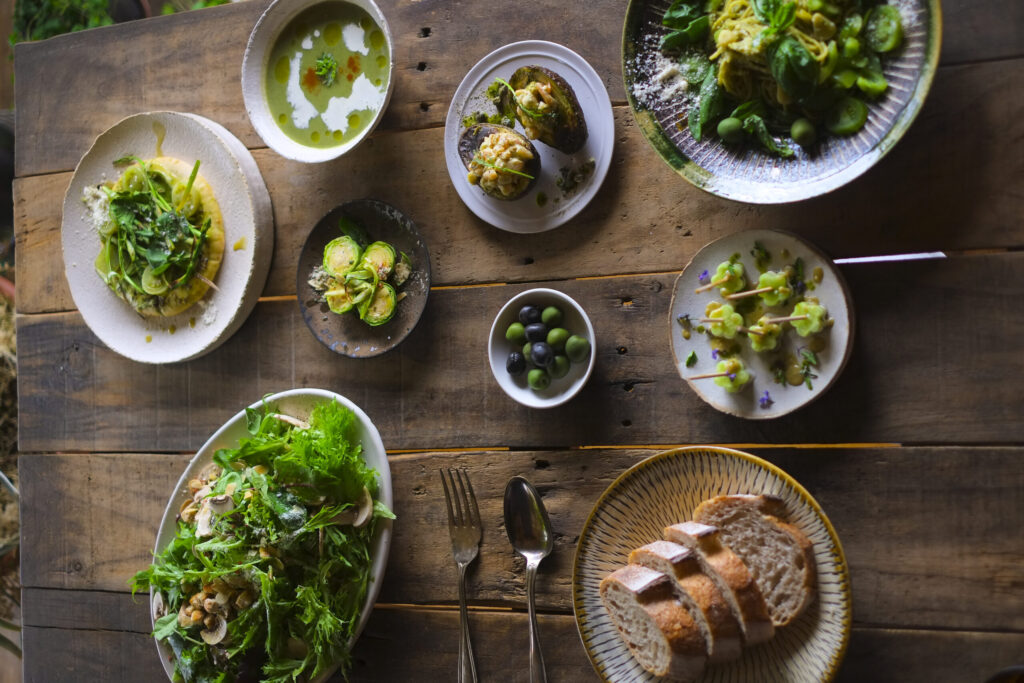
Tokyo’s café culture has embraced plant-based trends, especially in neighborhoods like Shibuya, Shinjuku, and Nakameguro. Vegan cafés often offer:
- Colorful Buddha bowls using seasonal Japanese vegetables
- Vegan curry rice with brown rice or multigrain rice
- Desserts made with soy milk, rice flour, and local fruits
- Specialty coffees and matcha lattes with oat, soy, or almond milk
Vegan bakeries are also becoming more common, offering dairy-free melon pan, cinnamon rolls, and Japanese-style sandwiches with plant-based fillings. These are perfect if you are catching an early train and need something portable for breakfast.
Vegan Izakaya Experiences
Izakaya are Japanese-style pubs known for small shared plates and drinks. A handful of Tokyo izakaya now offer fully vegan menus, recreating classics like karaage (fried “chicken”) and gyoza with soy or wheat-based meat alternatives.
In these venues you can experience the lively atmosphere of an izakaya without compromising your diet. Remember that many traditional izakaya are smoky and use meat and fish heavily, so always check in advance whether a venue has vegan options or a separate kitchen to avoid cross-contamination if that is important to you.
Kyoto: Temple Cuisine and Seasonal Vegetables
Kyoto has a long history of vegetarian cooking thanks to its Buddhist temples. For vegans, it is one of the most interesting places to explore traditional Japanese cuisine in a plant-based form.
Shōjin Ryōri: Buddhist Temple Cuisine
Shōjin ryōri is a style of cooking developed by Buddhist monks that traditionally avoids meat and fish. Many temple lodgings (shukubō) and specialized restaurants in Kyoto serve elaborate shōjin ryōri meals, often entirely vegan.
A typical shōjin ryōri meal might include:
- Delicate yuba (tofu skin) sashimi
- Seasonal pickles and simmered vegetables
- Grilled or deep-fried tofu and vegetable tempura
- Miso soup made with kombu-based stock
- Steamed rice or mixed grains
Meals are usually beautifully arranged, emphasizing balance, seasonality, and mindful eating. Reservations are often required, and lunch is generally more affordable than dinner. If you want to immerse yourself in Japan’s spiritual traditions while enjoying a refined vegan meal, this is a highlight not to miss.
Vegan-Friendly Cafés Near Temples
Popular temple areas such as Arashiyama, Gion, and around Nanzen-ji now have small cafés catering to health-conscious visitors. These spots frequently offer:
- Vegan matcha parfaits made with plant-based soft serve
- Brown rice lunch plates with miso soup and vegetable side dishes
- Gluten-free and vegan wagashi (traditional sweets)
Because these cafés tend to be small and cosy, arriving early or avoiding peak lunch hours can help you secure a table, especially during cherry blossom or autumn foliage seasons.
Other Vegan-Friendly Cities in Japan
While Tokyo and Kyoto lead the vegan scene, several other cities are increasingly accommodating plant-based travelers.
Osaka
Known as “Japan’s kitchen,” Osaka is famous for hearty street foods like takoyaki and okonomiyaki. A handful of specialized restaurants now offer vegan versions of these classics, replacing octopus with vegetables or konnyaku and using egg-free batter and vegan sauces. You can also find vegan curry houses and cafés around Namba and Umeda.
Fukuoka and Hiroshima
Major regional hubs like Fukuoka and Hiroshima have small but growing vegan scenes. Look for plant-based ramen in Fukuoka, home of tonkotsu ramen; some shops experiment with creamy soy-based broths and mushroom toppings. Hiroshima, best known for its layered okonomiyaki, offers a few restaurants that can prepare vegan versions if you request it in advance.
Resort Areas: Okinawa and Hokkaido
Tourist-friendly islands such as Okinawa and Hokkaido are beginning to see more vegan-friendly cafés, often attached to guest houses or beachside resorts. Expect simple but satisfying menus focusing on tropical fruits, local vegetables, and rice or noodle dishes. Options may be limited outside major towns, so planning ahead is crucial.
How to Find Vegan Restaurants in Japan
You do not need to rely on guesswork to find vegan food. Japan’s tourism infrastructure is increasingly supportive of plant-based visitors.
Search Strategies
When searching online, use keywords such as “vegan,” “plant-based,” or “shōjin ryōri” combined with the city name. Many restaurants list whether they are fully vegan or simply offer vegan options, and some will specify whether they avoid common allergens as well.
Tourist information centers in major cities often keep lists of vegetarian and vegan-friendly restaurants. Staff may be able to call ahead to confirm opening hours or reservations for you, which is helpful as many small venues close one or two days a week or sell out early.
Convenience Stores and Supermarkets
When you cannot find a dedicated vegan restaurant, convenience stores (konbini) such as 7-Eleven, Lawson, and FamilyMart can be lifesavers. While not designed for vegans, they usually carry:
- Onigiri (rice balls) with fillings like umeboshi (pickled plum) or konbu seaweed – always check labels to avoid tuna or bonito fillings.
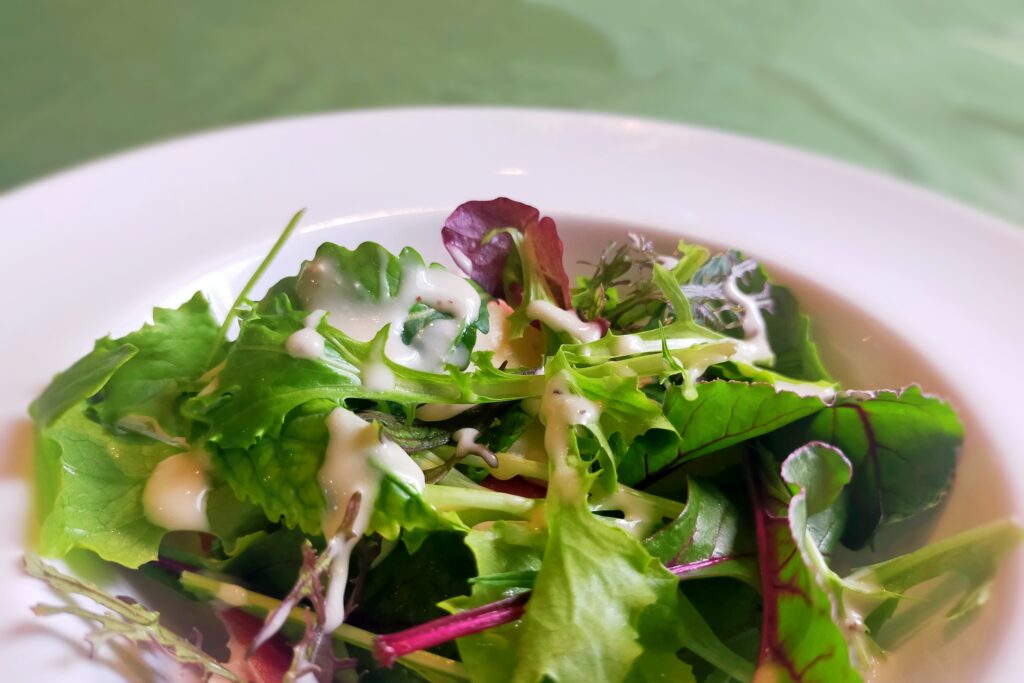
- Edamame, salads, and cut fruit cups.
- Nuts, rice crackers, and soy-based snacks.
Large supermarkets and department store food halls (depachika) in big cities often have salad bars, tofu products, and prepared vegetable dishes, although dashi may still be present. Reading labels can be challenging, so when in doubt, stick to simple ingredients such as plain tofu, fresh produce, and clearly labeled plant milks.
What to Order: Essential Vegan Japanese Dishes
One of the pleasures of traveling in Japan as a vegan is discovering how many traditional foods are naturally plant-based or can be adapted easily.
Tofu and Soy-Based Dishes
Japan is a paradise for tofu lovers. High-quality tofu is widely available in restaurants and supermarkets. Look out for:
- Hiyayakko: Chilled tofu topped with green onions and soy sauce; request no bonito flakes.
- Yudōfu: Hot pot of simmered tofu, particularly famous in Kyoto; traditional versions are often vegan when made with kombu broth.
- Yuba: Fresh tofu skin served as sashimi or in soups, prized for its delicate texture.
Noodle and Rice Dishes
Many noodle dishes can be made vegan by using vegetable or kombu dashi and omitting meat toppings:
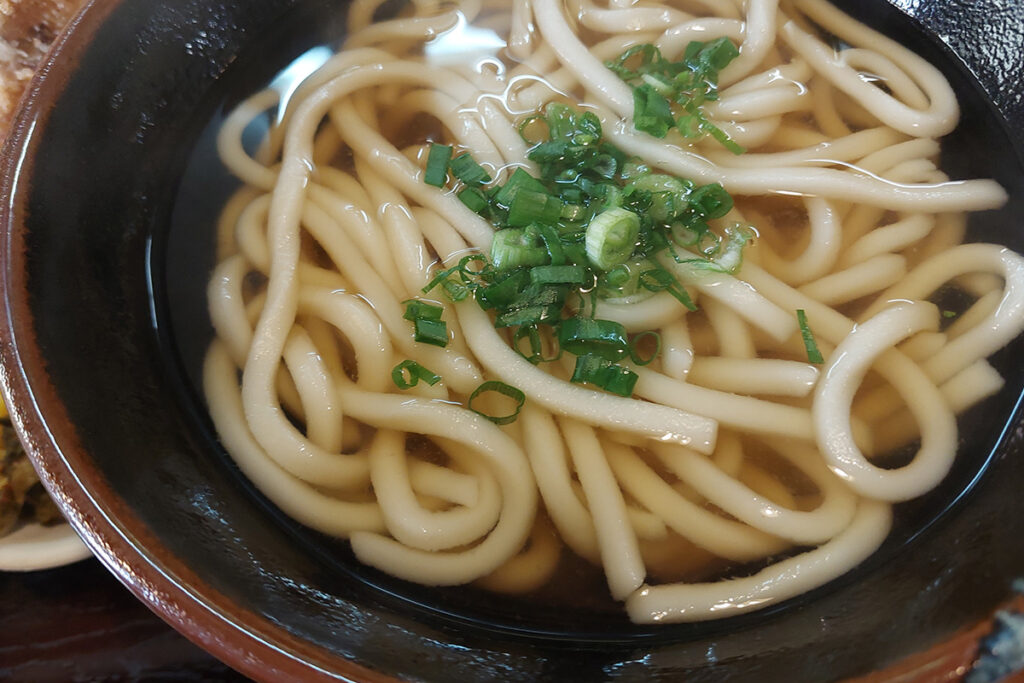
- Zaru soba: Cold buckwheat noodles with dipping sauce; check that the sauce is made without fish-based dashi.
- Vegetable tempura: Deep-fried seasonal vegetables. Ask if eggs are used in the batter and if a vegan dipping sauce is available.
- Donburi bowls: Rice bowls topped with tofu, vegetables, or mushrooms; in vegan restaurants, these often come with miso soup made from plant-based stock.
Traditional Sweets
Japanese wagashi sweets are often based on rice flour, beans, and sugar, making them more vegan-friendly than many Western desserts. Popular options include:
- Daifuku: Soft mochi filled with sweet red bean paste, sometimes with fresh fruit inside.
- Dango: Skewered rice dumplings, commonly served with sweet soy glaze.
- Yokan: Firm jelly made from red beans and agar-agar instead of gelatin (always confirm ingredients in modern variations).
Matcha drinks can usually be made with plant milks in vegan cafés, although traditional tea houses may offer only dairy milk or no milk at all.
Cultural Tips for Eating Vegan in Japan
Understanding Japanese dining etiquette will make your vegan restaurant experiences smoother and more enjoyable.
Reservations and Timing
Many vegan restaurants in Japan are small, independent businesses with limited opening hours. It is wise to:
- Check updated hours online before visiting.
- Make reservations for dinner, especially on weekends.
- Have a backup option nearby in case a place is unexpectedly closed or full.
Communicating Your Needs
Japanese service is famously polite, and staff will usually try their best to accommodate you. Being clear but flexible is helpful:
- Explain your requirements calmly and briefly, using simple English or key Japanese phrases.
- Consider prioritizing fully vegan restaurants when your needs are very strict.
- Express appreciation; a simple “Arigatō gozaimasu” (thank you) goes a long way.
Respecting Local Customs
In temple and traditional settings, meals may follow a fixed menu. If you have very specific requests beyond veganism (such as avoiding onions or garlic for religious reasons), contact the restaurant well in advance. Removing foods from your plate is not considered as rude as in some cultures, but you will make a better impression if you eat what you can and avoid ordering items you know you will not touch.
Planning a Vegan-Friendly Trip to Japan
With a bit of research, Japan can be an exceptionally rewarding destination for vegan travelers. Try structuring your itinerary so that you have at least one or two reliable vegan restaurants near your accommodation in each city. Combine those with temple cuisine experiences in Kyoto, ramen adventures in Tokyo, and the occasional convenience store snack, and you will discover how rich plant-based dining in Japan can be.
By approaching Japan’s vegan restaurants with curiosity and cultural awareness, you will not only eat well but also gain a deeper understanding of how traditional Japanese food philosophy adapts to modern, plant-based living.

Useful Link