





Vegetarian Restaurants
Vegetarian Restaurants in Japan: A First-Timer’s Guide
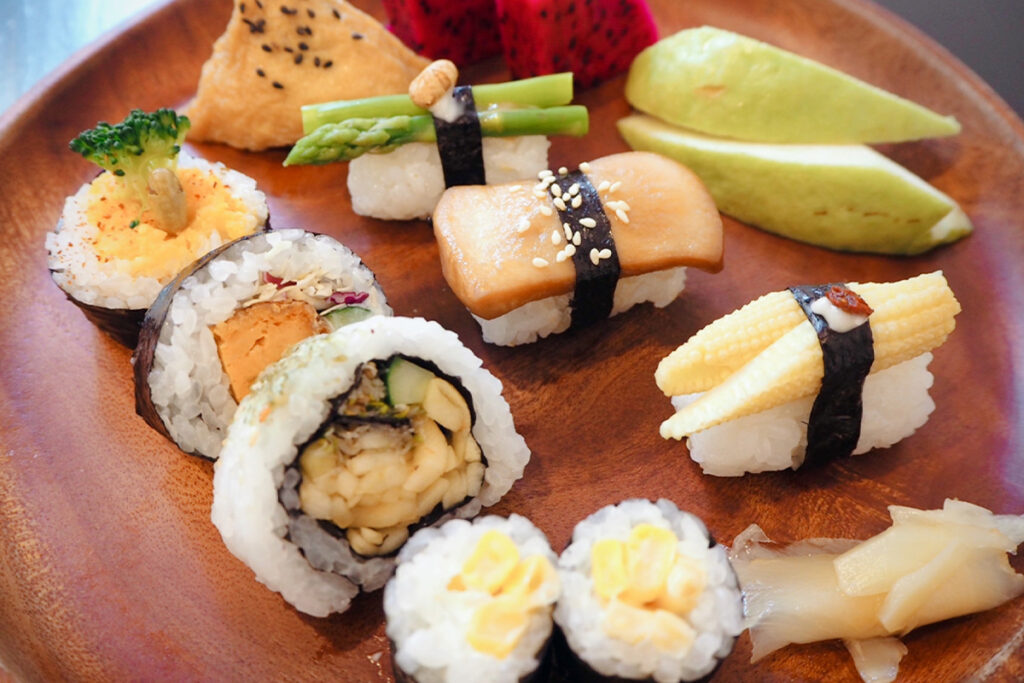
Japan is often imagined as a paradise for sushi and wagyu lovers, but it can feel intimidating for vegetarians and vegans planning their first trip. Fish-based broths, bonito flakes, and hidden animal ingredients are common even in seemingly plant-based dishes. The good news: it has never been easier to eat vegetarian in Japan, as long as you know where to go, what to look for, and how to order.
This guide introduces you to vegetarian-friendly restaurants, helpful Japanese phrases, common food pitfalls, and city-specific tips so you can eat well and confidently on your Japan adventure.
Understanding Vegetarian Food Culture in Japan
Japan does not have a long, mainstream “vegetarian restaurant” culture in the Western sense, but it does have deep roots in plant-based cooking. Traditional Buddhist temple cuisine, known as shojin ryori, is fully vegan and has been prepared by monks for centuries. At the same time, modern Japanese everyday food often includes small amounts of animal products, especially fish.
Because of this, you will find two very different realities:
- Abundant plant ingredients – tofu, seaweed, vegetables, rice, noodles, and soy-based products appear in almost every meal.
- Hidden animal products – dishes that look vegetarian sometimes contain fish broth (dashi), dried fish flakes (katsuobushi), or small amounts of meat.
Most Japanese people are unfamiliar with strict vegetarian or vegan rules, but are usually kind and willing to help if you communicate clearly. A bit of preparation will transform your food experience.
Key Japanese Words and Phrases for Vegetarians
Having a few phrases ready can make ordering at restaurants much smoother, especially in smaller towns where English is limited.
Essential Vocabulary
- Vegetarian – ベジタリアン (bejitarian)
- Vegan – ヴィーガン (viigan)
- Meat – 肉 (niku)
- Fish – 魚 (sakana)
- Seafood – 魚介類 (gyokairui)
- Egg – 卵 (tamago)
- Dairy / milk – 乳製品 (nyūseihin) / 牛乳 (gyūnyū)
- Broth / stock – 出汁 (dashi)
Useful Phrases
- 肉、魚、出汁を使っていない料理はありますか?
Niku, sakana, dashi o tsukatte inai ryōri wa arimasu ka?
Do you have any dishes without meat, fish, or stock? - 私はベジタリアンです。肉と魚は食べません。
Watashi wa bejitarian desu. Niku to sakana wa tabemasen.
I am vegetarian. I do not eat meat or fish. - 卵と乳製品も食べません。
Tamago to nyūseihin mo tabemasen.
I also do not eat eggs or dairy products. - この料理に出汁は入っていますか?
Kono ryōri ni dashi wa haitte imasu ka?
Does this dish contain stock (dashi)?
It can be helpful to prepare a short note on your phone in Japanese explaining what you do and do not eat, and show it to restaurant staff.
Types of Vegetarian-Friendly Restaurants in Japan
You will encounter several kinds of places that are particularly friendly to vegetarian and vegan travelers.
1. Shojin Ryori (Buddhist Temple Cuisine)
Shojin ryori is the most traditional form of vegetarian food in Japan. Developed by Buddhist monks, it is typically vegan, making use of seasonal vegetables, tofu, seaweed, and bean products. Dishes are delicately prepared to highlight natural flavors without garlic or strong spices.
You can try shojin ryori at:
- Temple lodgings (shukubo) on Mount Koya (Wakayama) or in temple towns
- Specialized restaurants in Kyoto, especially near Zen temples
- Certain temples in Tokyo and other major cities that host lunch services
Meals are often served as a set with multiple small plates, miso soup, rice, and pickles. This is not only a meal, but also a cultural experience connected to Zen Buddhism and seasonal aesthetics.
2. Modern Vegetarian and Vegan Cafés
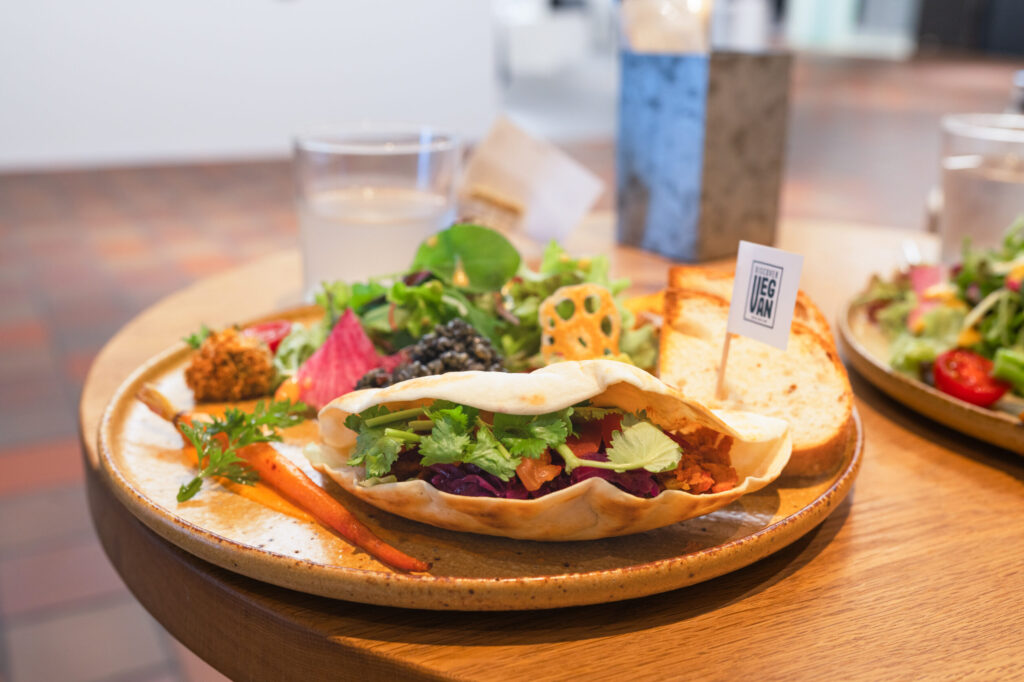
In major cities, you will find an increasing number of fully vegetarian and vegan cafés, often run by health-conscious locals or international residents. These spots typically label dishes clearly in English and may offer:
- Plant-based ramen and curry
- Veggie burgers and sandwiches
- Salad bowls and grain dishes
- Vegan desserts and specialty coffee
These cafés tend to be concentrated in neighborhoods popular with young people, such as Shibuya and Shimokitazawa in Tokyo, or central Kyoto near major sightseeing areas.
3. Traditional Restaurants with Vegetarian Options
Even if a restaurant is not vegetarian, many Japanese establishments can prepare meat-free meals if you ask. Look for:
- Udon and soba shops – Order plain noodles in a simple broth, or cold noodles with a dipping sauce that you confirm is free of fish stock.
- Okonomiyaki restaurants – These savory pancakes can be made with cabbage, vegetables, and cheese (if you eat dairy). Request no meat, seafood, or bonito flakes on top.
- Teishoku (set meal) restaurants – Some offer tofu or vegetable-based sets that can be modified to remove meat and fish items.
If you are flexible and can accept fish stock, many more options open up. If you are strictly vegetarian or vegan, it is best to seek out places that specifically advertise themselves as such.
Vegetarian Dining in Japan’s Major Cities
Tokyo
Tokyo offers the widest variety of vegetarian and vegan restaurants in Japan. You will find everything from temple-style cuisine to cutting-edge plant-based ramen.
- Central Tokyo (Shinjuku, Shibuya, Harajuku) – Trendy cafés and vegan ramen shops, often with English menus. Department store food floors also have salad bars and deli-style options where you can choose your own vegetable dishes.
- Asakusa and Ueno – Close to traditional sightseeing spots and temples, there are a few dedicated vegetarian restaurants plus places that serve shojin ryori-inspired courses.
- Shinagawa, Tokyo Station area – Convenient for travelers in transit, offering chain cafés with simple vegetarian pasta, sandwiches, and bakery items.
When in doubt, search for “vegan restaurant” or “vegetarian lunch” with your neighborhood name; you will usually find multiple choices within a train stop or two.
Kyoto
As the historic heart of Japanese Buddhism, Kyoto is particularly rewarding for vegetarians.
- Near major temples – Around places like Nanzen-ji, Tenryu-ji, and Daitoku-ji, you will find restaurants specializing in shojin ryori. Advance reservations are often required, especially for elaborate lunch courses.
- Downtown Kyoto – Modern vegetarian cafés and macrobiotic restaurants mix local vegetables with Western-style dishes. Many cater to international visitors and provide English explanations.
Trying at least one temple meal in Kyoto is highly recommended for both the flavors and the serene atmosphere.
Osaka
Known as the “nation’s kitchen,” Osaka is a street food paradise. Vegetarian visitors need to be a bit more selective, but the city is catching up with plant-based offerings.
- Namba and Shinsaibashi – The main entertainment districts include several vegetarian-friendly cafés and a few fully vegan restaurants.
- Takoyaki and okonomiyaki alternatives – Some stalls and restaurants can make a vegetable-only version of these famous dishes; ask for no meat, no seafood, and no bonito flakes.
Osaka’s easygoing atmosphere means staff are often quite open to custom requests if the kitchen allows it.
Regional Cities and the Countryside
Outside major urban centers, fully vegetarian restaurants are rarer, but not impossible to find. You will rely more on cafés, bakeries, and simple set meals with rice, vegetables, pickles, and tofu.
In onsen (hot spring) towns, ryokan (traditional inns) typically serve elaborate multi-course dinners. If you inform them in advance that you are vegetarian, many can prepare beautiful plant-based dishes using local produce and tofu. Always communicate dietary needs clearly when booking.
Common Vegetarian Dishes to Look For
Understanding typical menu items will make it easier to spot something you can eat, even when the menu is in Japanese.
- Vegetable tempura (野菜天ぷら, yasai tempura) – Lightly battered and fried vegetables. Confirm that the dipping sauce or broth does not contain fish stock, or simply use salt.
- Cold soba or udon (ざるそば / ざるうどん, zaru soba / zaru udon) – Buckwheat or wheat noodles served cold. Ask if the dipping sauce contains fish stock; some places can provide a soy-sauce-based alternative.
- Tofu dishes (豆腐料理, tōfu ryōri) – From chilled tofu with soy sauce and ginger to hot pots filled with vegetables and tofu, these are a vegetarian mainstay. Kyoto is especially known for delicate tofu cuisine.
- Onigiri (おにぎり) – Rice balls wrapped in seaweed, sold in convenience stores and shops. Vegetarian-friendly fillings often include umeboshi (pickled plum) or plain salted rice; always check labels for bonito or tuna.
- Japanese curry with vegetables (野菜カレー, yasai karē) – Some curry shops offer a vegetable-only option. Check whether the roux contains meat stock if you are strict.
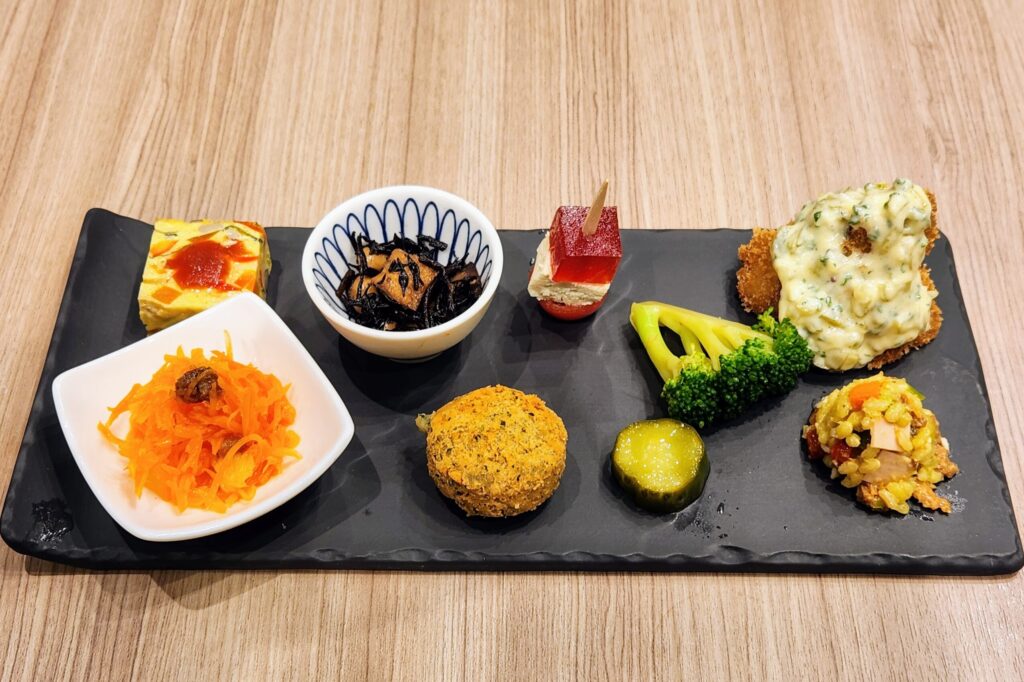
- Buddhist-style side dishes – Simmered vegetables, stewed beans, seaweed salads, and pickles often appear in set meals and can be combined into a satisfying plate.
Convenience Stores and Supermarkets
Convenience stores (konbini) such as 7-Eleven, Lawson, and FamilyMart are a practical ally for vegetarian travelers, especially when you are on trains or between sights.
Look for:
- Onigiri with umeboshi or simple seaweed
- Salads with separate dressing packets (check for fish or meat in the dressing)
- Fruit cups, cut vegetables, and nuts
- Bread, pastries, and sweet buns (note that many contain eggs or dairy)
- Soy milk, yogurt alternatives, and plant-based snacks in some branches
Supermarkets offer even more: fresh fruit, pre-cooked vegetables, plain tofu, and a variety of side dishes that can be combined for an easy picnic meal.
Tips for Successfully Eating Vegetarian in Japan
1. Plan a Few Meals in Advance
Especially if you are traveling during busy seasons or visiting smaller towns, it helps to identify a handful of vegetarian-friendly restaurants near your accommodation and major sights. This reduces stress when you are hungry and short on time.
2. Be Specific About Restrictions
Instead of saying only “I am vegetarian,” specify what you cannot eat: meat, fish, seafood, egg, dairy, or stock. Many Japanese people might assume that fish is acceptable unless you say otherwise.
3. Embrace Set Meals and Side Dishes
Japanese food culture often revolves around balance: rice, miso soup, several small side dishes, and pickles. By ordering a set meal and asking to remove meat or fish items, or by combining several vegetable side dishes, you can enjoy a satisfying and varied meal.
4. Confirm Soups and Sauces
Fish stock is the most common hidden ingredient. Always ask about miso soup, noodle broth, curry roux, and dipping sauces. Some restaurants can substitute a simple soy sauce or salt-based option.
5. Consider Staying at Vegetarian-Friendly Accommodation
Some guesthouses, ryokan, and temple lodgings specialize in vegetarian or vegan meals. Staying at one or two of these places during your trip guarantees you several stress-free, delicious meals and introduces you to regional specialties.
Experiencing Japanese Culture Through Vegetarian Food
Eating vegetarian in Japan is not only possible; it can become a memorable part of your cultural experience. Temple cuisine introduces you to Zen Buddhist ideas of balance and mindfulness. Seasonal vegetable dishes reflect the Japanese appreciation of nature and the changing year. Even a simple bowl of rice and miso soup, when prepared with care, reveals the subtlety of Japanese flavors.
By learning a few key phrases, seeking out vegetarian and vegan restaurants, and understanding how to navigate traditional menus, you will be able to enjoy Japan’s food culture while staying true to your dietary choices. With a little preparation, your trip can be filled with satisfying, beautiful, and authentically Japanese vegetarian meals.

Useful Link