

Waste Disposal Rules
Waste Disposal Rules in Japan: A Practical Guide for First-Time Visitors
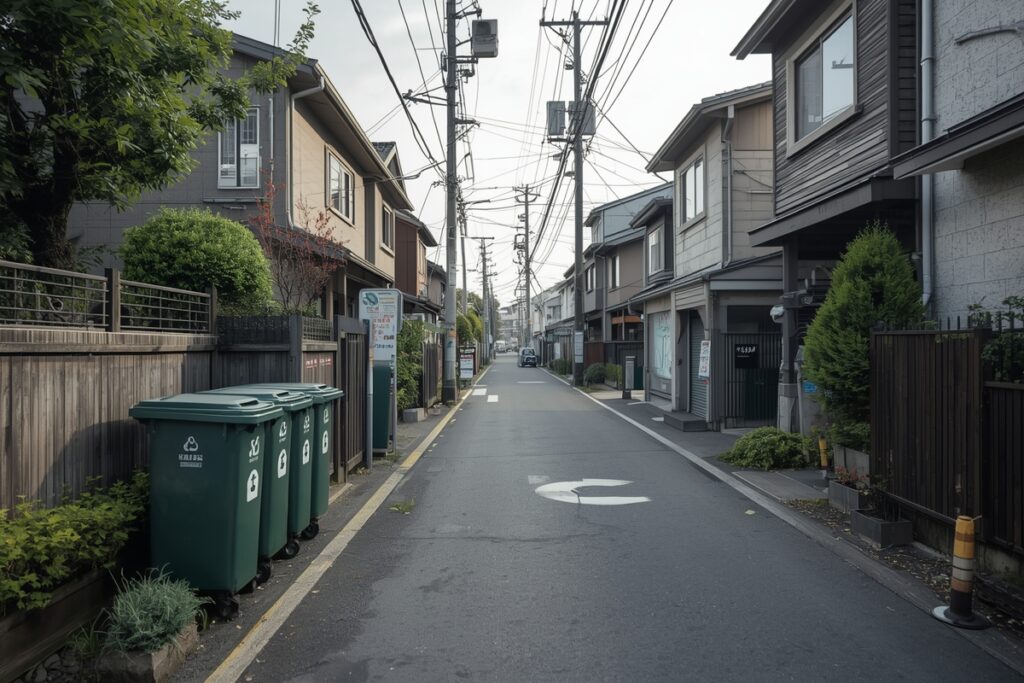
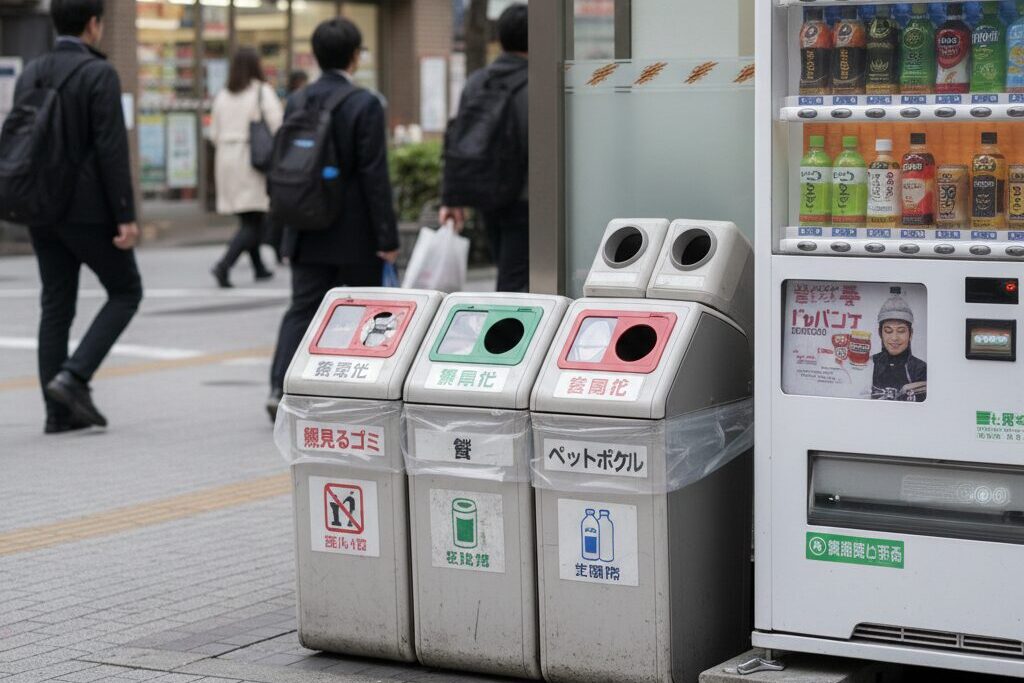
Japan is famous for its spotless streets, even in the busiest city centers. Yet visitors are often surprised to discover that public trash cans are rare and that garbage must be sorted with surprising care. Understanding Japan’s waste disposal rules is not just about following the law; it’s also one of the easiest ways to show respect for local culture.
This guide explains how Japan’s waste system works, how you can manage your trash while traveling, and what to do in common situations such as staying in hotels, using convenience stores, or eating on the go.
Why Japan Takes Waste Disposal So Seriously
Japan is a densely populated country with limited space for landfills, so reducing and recycling waste is a long-standing national priority. Over decades, strict rules and strong community habits have created a culture where everyone is expected to sort, reduce, and properly dispose of garbage.
For travelers, the result can be surprising: extremely clean streets, almost no litter, and a system that assumes you will take responsibility for your own trash. Instead of tossing everything into a single bin, you’ll often be expected to separate items by material and sometimes even by how clean they are.
Key Categories of Waste in Japan
Waste categories vary by city or town, but there are a few major types you’ll encounter everywhere. These names may not appear in English on signs, so it helps to recognize the Japanese words as well.
1. Burnable Waste (Combustible)
Japanese: 燃えるごみ (moeru gomi) or 可燃ごみ (kanen gomi)
Burnable waste typically goes to incineration facilities. This category usually includes:
- Food scraps and leftovers
- Tissues, napkins, paper towels
- Small amounts of soiled paper or plastic that can’t be recycled
- Wooden chopsticks (disposable ones from restaurants or convenience stores)
As a traveler, most of your everyday trash, such as food wrappers or used tissues, will likely end up in this category if no recycling option is available.
2. Non-Burnable Waste (Incombustible)
Japanese: 燃えないごみ (moenai gomi) or 不燃ごみ (funen gomi)
Non-burnable waste typically includes items that cannot be burned or are difficult to process through incineration, for example:
- Metal items (small tools, cutlery, metal caps)
- Certain ceramics or glass (broken dishes, small glass items)
- Small electronic items in some areas
Most tourists won’t generate much non-burnable waste, but be aware that many municipalities have very specific collection days for this category, so it’s best to dispose of such items at your accommodation rather than leaving them in public spaces.
3. PET Bottles
Japanese: ペットボトル (petto botoru)
Plastic drink bottles, such as water and soda bottles, often have their own dedicated bins. To recycle PET bottles correctly:
- Empty the contents completely.
- Remove the cap and sometimes the label (there are often separate containers for caps).
- Crush the bottle if requested by local signage (this saves space).
You’ll see special PET bottle bins at convenience stores, train stations, and vending machine areas. Using these bins correctly supports Japan’s extensive plastic recycling system.
4. Cans and Glass Bottles
Japanese: 缶 (kan) for cans, ビン (bin) for bottles
Cans and glass bottles are also handled separately. Look for bins clearly labeled with pictures or Japanese words. Before disposing of them:
- Finish the drink completely.
- Give the container a quick rinse when facilities are available.
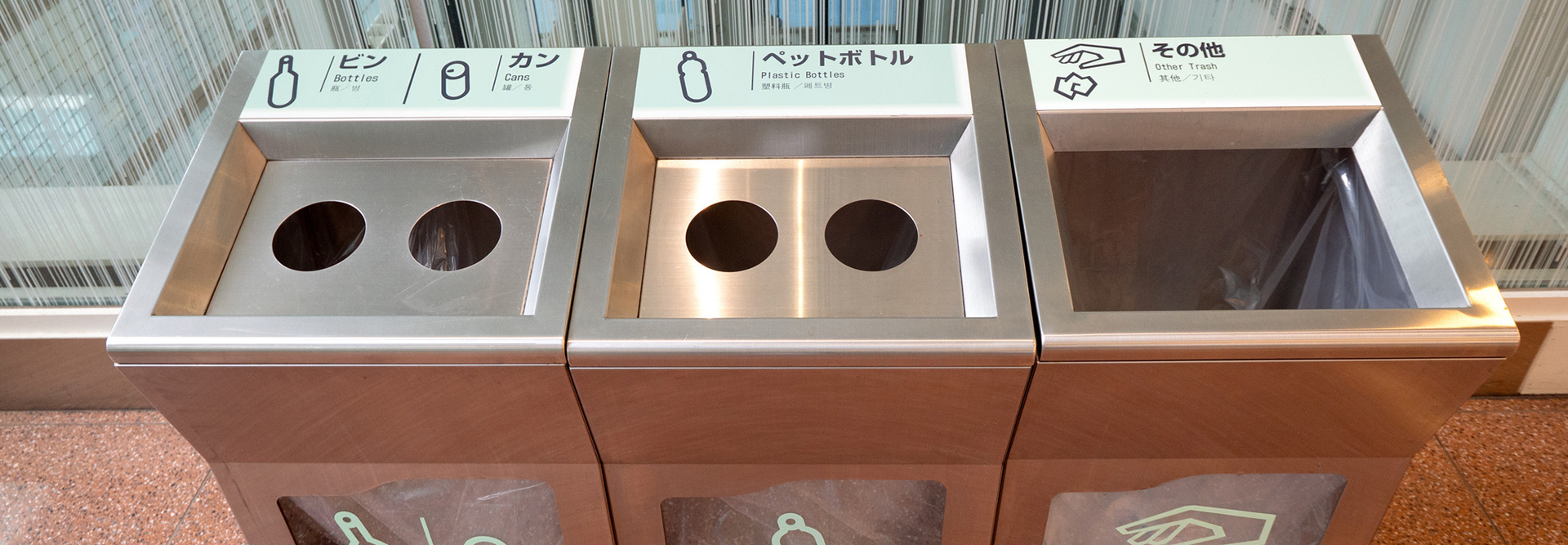
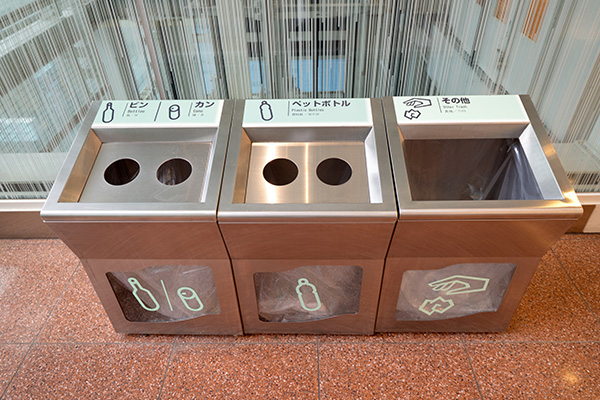
In many public places, you’ll see bins divided into several sections: one for PET bottles, one for cans, and sometimes one for glass. Putting items in the correct section is appreciated.
5. Other Recycling Categories
In residential areas and some hotels, you may see more detailed categories such as:
- Plastic packaging (プラ, “pura”) – clean plastic trays, wrappers, and containers
- Paper recycling – newspapers, magazines, cardboard
- Food waste (in some regions) – for composting or special processing
As a visitor, you are not expected to master all local categories, but taking a moment to match your trash to the closest labeled bin goes a long way.
Why There Are So Few Public Trash Cans
One of the biggest surprises for first-time visitors is the lack of public garbage bins, especially in cities like Tokyo and Kyoto. There are several reasons:
- Security and safety: Public bins were reduced after past incidents, and local authorities never fully brought them back.
- Cultural habit: Residents are used to taking their trash home and sorting it there, so they expect to carry some waste with them during the day.
- Cleanliness: Fewer bins can mean less overflowing garbage and fewer pests when combined with a strong social norm against littering.
For travelers, this means you’ll often need to hold onto your trash until you can dispose of it properly, usually at a convenience store, station, or your accommodation.
Where Travelers Can Throw Away Trash
Despite the scarcity of street bins, there are several reliable places where you can dispose of garbage during your trip.
Convenience Stores (Konbini)
Convenience stores such as 7-Eleven, FamilyMart, and Lawson are among the most helpful allies for managing waste in Japan. Near the entrance or drink machines, you’ll usually find well-labeled bins for:
- Burnable trash
- Cans
- PET bottles
- Sometimes glass bottles
These bins are primarily intended for items purchased at that store, but in practice they are often the most convenient place to dispose of small amounts of sorted trash such as drink containers and food packaging. Avoid dumping large bags of mixed garbage; this is considered rude.
Train Stations
Major train and subway stations usually offer trash and recycling bins on platforms or near ticket gates. Bins are often transparent for security reasons and may be grouped by:
- Bottles and cans
- Burnable trash
- Sometimes PET bottles separately
Follow the images or Japanese labels and, when in doubt, look at what’s already inside each bin to guide your choice.
Vending Machine Areas
Japan’s vending machines are everywhere, and many have recycling bins nearby specifically for the drinks they sell. These are usually for:
- Cans
- PET bottles
A good rule is to finish your drink near the vending machine and dispose of the empty container right there, using the provided bins.
Parks and Tourist Attractions
Some parks, temples, shrines, and major tourist sites provide trash cans near rest areas, restrooms, or vending machines. The availability and type of bins vary, but you’ll often find at least one general burnable bin and sometimes separate bins for cans and bottles.
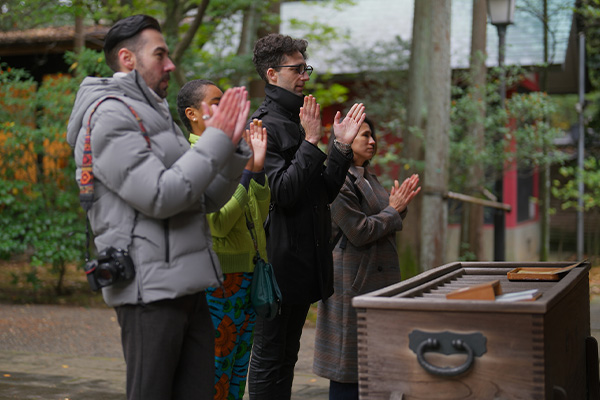
At shrines and temples, there may be special areas to dispose of omikuji paper fortunes, charms, or religious items. Use only the designated containers for these and avoid mixing them with regular trash.
Managing Trash at Your Accommodation
Hotels, ryokan, and guesthouses are your most reliable base for waste disposal, especially if you’ve accumulated small items during the day.
Hotels and Business Hotels
In most hotels, your room will have a small trash can that housekeeping empties daily. Larger hotels may also place separate bins in common areas for recyclables such as cans and bottles. If your room bin has multiple compartments, they may be for different waste categories, so check the labels.
If you are unsure how to throw something away (for example, batteries or small electronics), ask the front desk. Staff can usually take care of it or advise you where to dispose of it safely.
Ryokan and Guesthouses
Traditional inns and smaller guesthouses sometimes follow local residential rules more closely. You may see separate bins in common kitchens or hallways labeled for burnable, non-burnable, and recyclables.
Because these businesses are integrated into local waste collection systems, proper sorting is especially important. Follow posted instructions carefully, and if you don’t understand the labels, politely ask the host to confirm where to put your trash.
What to Do with Trash on the Go
When you’re exploring all day, it’s easy to end up with snack wrappers, drink bottles, and receipts but no bins in sight. With a little planning, it’s easy to manage.
Carry a Small “Trash Bag” with You
Many locals carry a small plastic or reusable bag in their backpack or purse for temporary trash storage. This simple habit is extremely useful for travelers too. At the end of the day, you can sort and dispose of everything at your hotel or a convenience store.
Avoid Eating While Walking
In Japan, it’s generally considered bad manners to walk and eat, especially in busy neighborhoods and around shrines and temples. One practical reason is waste: if you stand or sit near the shop where you bought your food, you can return your packaging or skewers to their designated bins.
Many street food stalls and food stands have their own trash containers and signs inviting you to “please return trays and garbage here.” Use these whenever possible.
Keep Liquids Out of Trash Bins
Before throwing away bottles or cans, always finish the drink. Liquids in trash bags can cause leaks, odors, and problems at collection points. If you cannot finish a drink, look for a sink or toilet to pour it out before disposing of the container.
Special Items: What Not to Throw in Regular Trash
Some items require special disposal methods and should never be put into ordinary public trash cans or mixed bins.
Batteries and Electronics
Batteries, small electronics, and other hazardous materials must be disposed of through special programs. Larger electronics stores sometimes have collection boxes for used batteries or devices. If you need to dispose of such items during a trip, ask your hotel staff; they can often help or suggest a solution.
Cigarette Butts
Smoking is increasingly restricted in public areas, and smoking outside designated areas is discouraged. Many smoking areas provide ashtrays where you should extinguish and dispose of cigarette butts. Never flick them into the street or general trash bins.
Large or Bulky Items
Large items such as umbrellas, luggage, or broken equipment require special collection procedures in Japan and cannot simply be left beside a bin. As a traveler, try to avoid purchasing large disposable items, and if something breaks, consult your accommodation staff for guidance.
Understanding Local Differences
One important detail: waste separation rules are not completely uniform across Japan. Each municipality sets its own categories, collection schedules, and labeling. A small coastal town, for example, may separate more types of recyclables than a busy city district, and apartment buildings often have very specific instructions.
For short-term visitors, this means you may notice slightly different bins and labels as you move around the country. Don’t worry about getting everything perfect. The key is to make a visible effort: separate bottles and cans where possible, use the correct bin types, and avoid mixing hazardous or inappropriate items with regular trash.
Polite Phrases and Helpful Vocabulary
If you’re unsure where to throw something away, a quick question can save confusion and show respect. These simple phrases are useful:
- Gomi-bako wa doko desu ka? (ごみ箱はどこですか?) – Where is the trash can?
- Moeru gomi desu ka? (燃えるごみですか?) – Is this burnable trash?
- Shigen gomi wa koko desu ka? (資源ごみはここですか?) – Is recyclable waste here?
Showing that you’re trying to follow the rules often leads to friendly assistance from staff or locals.
Respecting Japan Through Responsible Waste Disposal
Japan’s waste disposal rules may feel strict at first, but they are part of the reason cities remain so clean and pleasant for residents and visitors alike. By carrying your trash when necessary, sorting it where you can, and using the appropriate bins, you participate in a shared effort that’s deeply valued in Japanese society.
For first-time travelers, learning these habits quickly becomes second nature and adds to the experience of traveling thoughtfully and respectfully. When you leave Japan with your photos, memories, and souvenirs, you can also take home a new appreciation for how small everyday actions—like sorting a PET bottle or carrying a snack wrapper—help keep a whole country clean.
List of articles
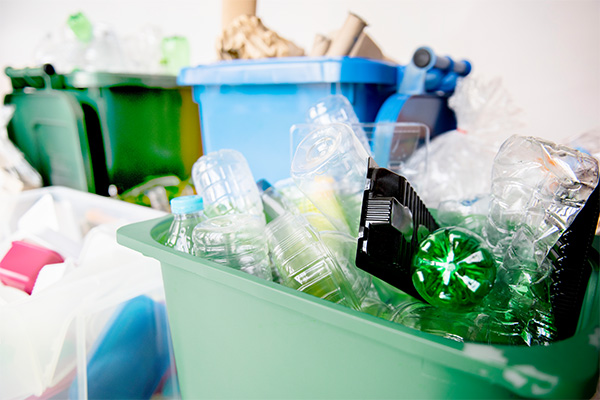
Public Behavior & Etiquette
Basic manners in public spaces to avoid trouble.
2025年07月14日
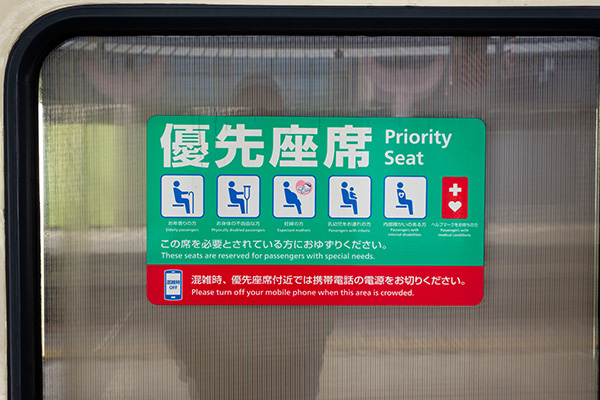
Transportation Etiquette
Important rules for using trains and buses politely.
2025年07月14日

Onsen & Religious Site Etiquette
Key rules to follow when enjoying a Japanese onsen.
2025年07月14日

Dining & Food Etiquette
Understanding Japan’s unique noodle-eating custom.
2025年07月14日
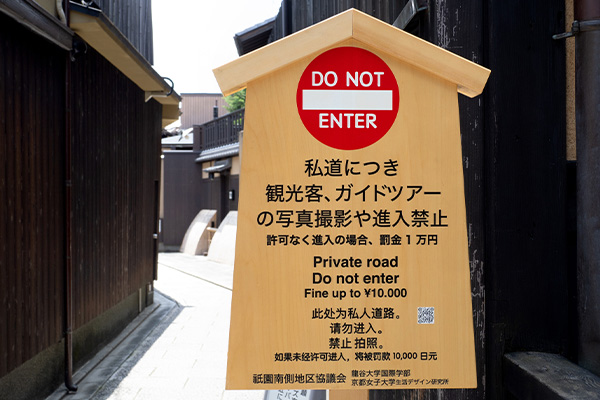
Public Behavior & Etiquette
Places where photography is limited or not allowed.
2025年07月14日
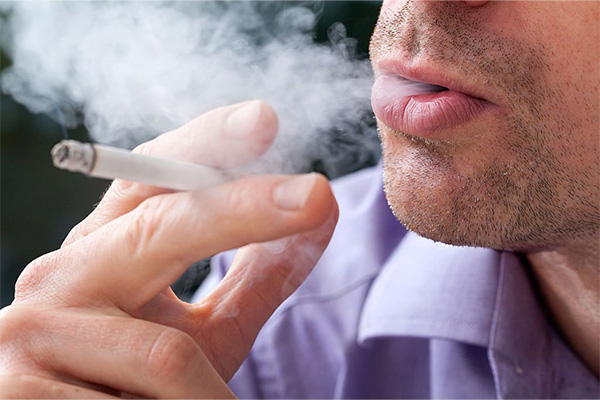
Transportation Etiquette
Rules for smoking areas and city restrictions.
2025年07月14日
Public Behavior & Etiquette
Keeping noise low to respect quiet environments.
2025年07月14日
Public Behavior & Etiquette
Sorting trash and following local waste rules.
2025年07月14日