



Yaizu Tuna Fishing Port
Yaizu Tuna Fishing Port: A Flavourful Slice of Coastal Japan
Photos are for illustrative purposes only.
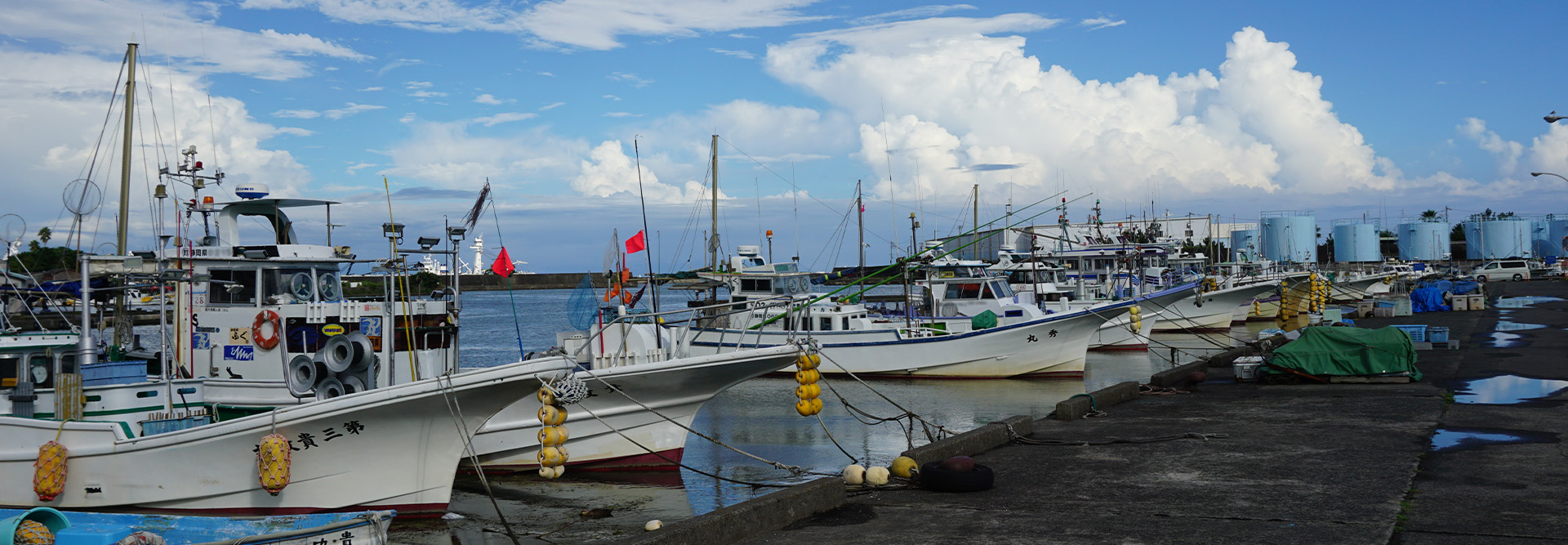
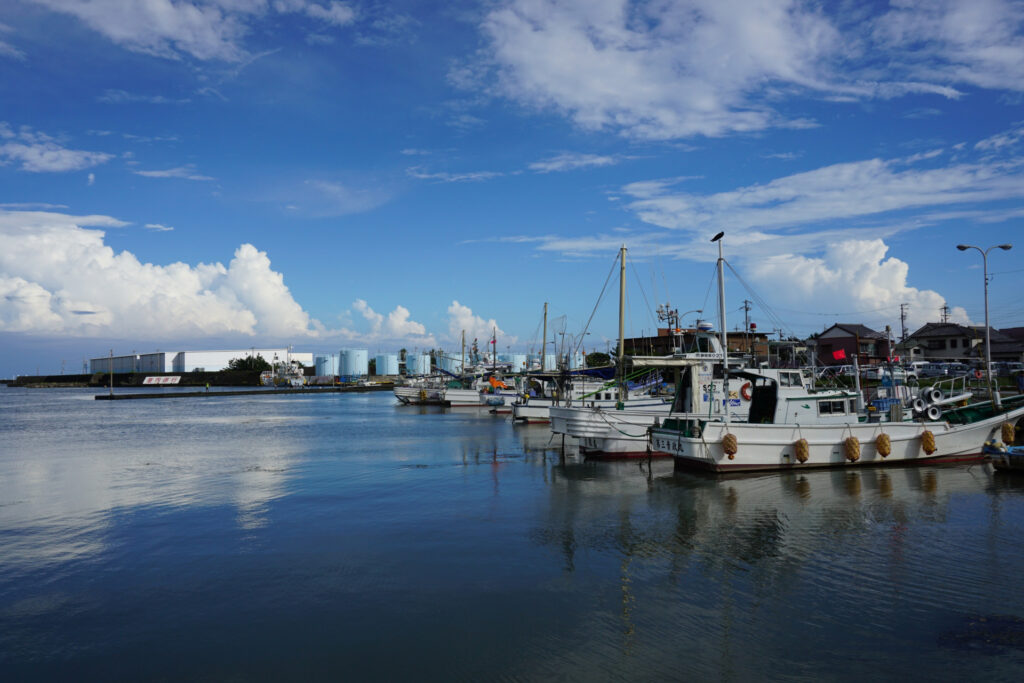
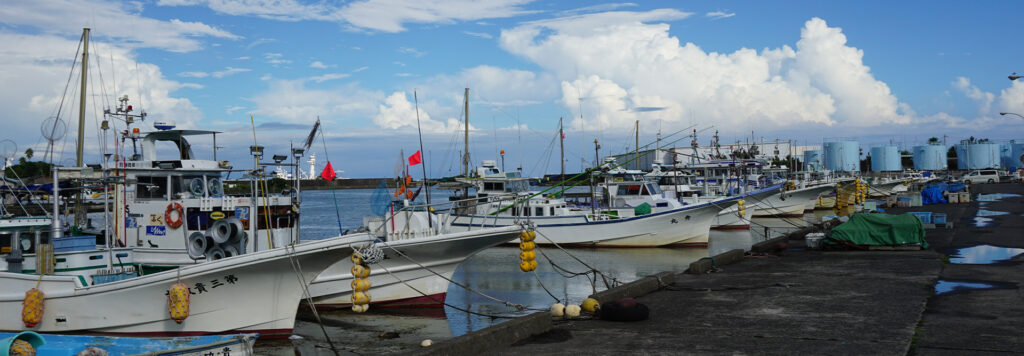
On the Pacific coast of Shizuoka Prefecture, between Tokyo and Nagoya, Yaizu Tuna Fishing Port offers travelers a vivid, salt-scented glimpse of everyday Japan. Instead of neon streets and towering skyscrapers, you will find fishing boats, tuna auctions, bustling seafood markets, and local restaurants serving ocean-fresh sashimi within sight of the harbor.
For first-time visitors to Japan, Yaizu is an ideal side trip or overnight stop that balances authentic local culture with easy access from Tokyo and Shizuoka. Whether you come for the famous tuna, to watch the port in action, or to simply wander through a town shaped by the sea, Yaizu delivers a travel experience that feels both approachable and genuinely local.
Why Visit Yaizu Tuna Fishing Port?
Yaizu is one of Japan’s leading fishing ports, historically known for its large catches of tuna and bonito (skipjack). The port area is not a theme-park style attraction; it is a working harbor where you can watch the rhythms of fishing life unfold. That authenticity is precisely what makes it so fascinating.
Visitors are drawn to Yaizu Tuna Fishing Port for several reasons:
- World-class tuna and seafood: This is one of the best places in Japan to taste tuna in many cuts and preparations, often at prices much lower than major tourist cities.
- A working fish market atmosphere: The sound of auction calls, the clatter of crates, and the sight of glistening fish being unloaded from boats offer a sensory experience you cannot find in a regular restaurant district.
- Local coastal culture: Family-run eateries, small shrines, and narrow streets near the port paint a picture of everyday life in a Japanese fishing town.
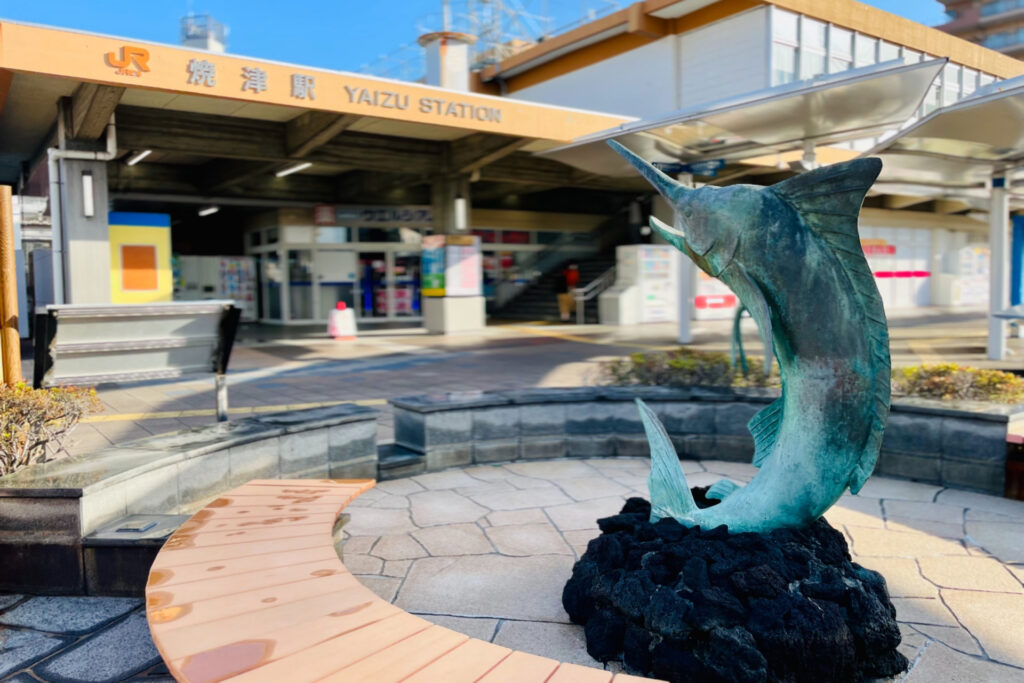
- Easy access from major cities: Yaizu lies on the JR Tokaido Main Line, making it a straightforward detour between Tokyo, Shizuoka, Hamamatsu, and Nagoya.
Getting to Yaizu Tuna Fishing Port
Yaizu is well connected by train and simple to reach even if you are new to Japan’s rail system.
From Tokyo
Most visitors start from Tokyo or Shinagawa Station:
- By Shinkansen + Local Train: Take a Tokaido Shinkansen (Kodama or Hikari) to Shizuoka Station (about 1–1.5 hours), then transfer to the JR Tokaido Main Line for a local train to Yaizu Station (around 10–15 minutes).
- By Local / Rapid Trains: You can ride JR Tokaido Main Line trains all the way, but the journey may exceed 3 hours and require transfers. The Shinkansen is far more convenient.
From Yaizu Station, the port and market area are roughly 2 km away. You can take a short taxi ride (about 5–10 minutes), a local bus if available, or walk for about 25–30 minutes through the town toward the coast.
From Other Cities
- From Shizuoka: JR Tokaido Main Line local train to Yaizu (approximately 10–15 minutes).
- From Nagoya: Take a Tokaido Shinkansen to Shizuoka Station (about 1 hour), then a local train to Yaizu.
- From Kyoto/Osaka: Ride a Shinkansen to Shizuoka or Kakegawa, then transfer to the JR Tokaido Main Line for Yaizu.
Both the Japan Rail Pass and regional JR passes typically cover the JR segments (excluding some fastest Shinkansen services). Always confirm pass conditions before travel.
Understanding Yaizu’s Fishing Culture
Japan’s food culture is inseparable from the sea, and Yaizu is a textbook example. For generations, local families have worked as fishers, processors, and market sellers. A large part of the town’s identity, festivals, and flavors comes from tuna and bonito landed here.
Tuna in Japan is not just one fish. Different species (such as bigeye and bluefin), varying fat content, and specific cuts are carefully distinguished. In Yaizu, you will see and taste these nuances up close. The rich, fatty toro (belly), the deep red akami (lean loin), and mid-fatty chutoro are common terms you will see on menus.
Bonito (katsuo) also plays a central role. Smoked and dried bonito flakes (katsuobushi) are critical for making dashi, the foundational stock of Japanese cuisine. Yaizu has long been a major production center for bonito processing, and that tradition still shapes the town’s economy and flavors.
What to See and Do at Yaizu Tuna Fishing Port
Walk the Port and Watch the Boats
Begin your visit with a simple walk along the harbor. Fishing vessels of different sizes dock here, and on active days you may see crews sorting nets, unloading fish, and preparing for their next outing. The atmosphere shifts with the tides and seasons: sometimes lively and loud, sometimes calm and reflective.
As this is a working port, stay clear of restricted or clearly marked areas, avoid interfering with operations, and watch where you step—floors can be wet and slippery. Observing respectfully from the side lets you enjoy the experience without disrupting the people who work here.
Experience the Tuna Market and Auction Atmosphere
In the early morning, before most travelers are even awake, the port’s tuna auction area comes alive. Lines of tuna lie on the floor, and buyers move quickly among them, inspecting texture and fat content with trained eyes. Auctioneers call out prices in rapid-fire Japanese, and deals are made in seconds.
Access policies vary by port, and visitor rules may change. In some areas you may be allowed to watch from a designated observation zone; in others, public access is restricted for safety and hygiene reasons. Before your visit, check the latest information from local tourism offices and follow all posted guidance on-site. Even when you cannot enter the inner auction floor, you may still sense the excitement from nearby and sometimes see fish being rolled out or loaded into trucks.
Visit Local Seafood Markets
Close to the port, you will find market spaces and retail shops selling fresh and processed seafood. These are among the best places to purchase:
- Fresh tuna for sashimi and sushi
- Bonito products and dried fish
- Marinated seafood, pickles, and local side dishes
- Vacuum-packed gifts that travel well, such as seasoned tuna or bonito flakes
Market stalls often offer samples, and staff are generally patient with visitors even if you do not speak Japanese. A simple “sumimasen” (excuse me) and smile go a long way. If you are staying in accommodation with a kitchen, you can buy fresh fish to cook yourself; otherwise, enjoy the nearby eateries that turn the day’s catch into hearty meals.
Eat Tuna at the Source
Dining at Yaizu Tuna Fishing Port is a highlight of any visit. Restaurants in and around the port proudly emphasize their access to exceptionally fresh fish. Here are some typical dishes to look for:
- Tuna sashimi: Sliced raw tuna, often served as a mix of lean and fatty cuts.
- Maguro-don (tuna rice bowl): Slices of tuna over vinegared or plain rice, sometimes with grated yam, raw egg, or seaweed.
- Tuna sushi: Nigiri or rolls featuring different tuna cuts, often at much friendlier prices than big-city sushi counters.
- Grilled or simmered tuna dishes: Collar meat or other flavorful cuts grilled with salt or soy-based sauces.
- Bonito tataki: Lightly seared bonito, flavored with garlic, ginger, and ponzu, when in season.
At lunchtime, many places offer set meals (teishoku) that include rice, miso soup, small side dishes, and tuna as the main feature. Portions are generous, and the quality-to-price ratio is outstanding compared with more touristy areas.
Best Time to Visit Yaizu Tuna Fishing Port
Yaizu can be visited year-round, but the experience changes with the seasons and even the time of day.
By Time of Day
- Early Morning: This is the liveliest time, with auctions, unloading, and wholesale activity. If you are interested in seeing the port at its most active, aim to arrive shortly after dawn.
- Late Morning to Lunch: Markets and restaurants are in full swing, making this the ideal time for casual visitors who primarily want to eat and explore.
- Afternoon: The harbor grows quieter, but some shops and eateries remain open. It is a calmer time to stroll the area.
By Season
The exact timing of peak tuna and bonito seasons can shift with fishing conditions, but:
- Spring–Early Summer: Pleasant weather for walking around the port. Bonito features heavily on menus.
- Autumn–Winter: Cooler air and often clearer views over the sea. Fatty fish are particularly prized in colder months.
Many travelers combine Yaizu with a broader trip around Shizuoka Prefecture, which offers views of Mt. Fuji, green tea plantations, and onsen hot springs. Weather and sea conditions can affect port activity, so allow for some flexibility.
Tips for First-Time Visitors
Language and Communication
English may not be widely spoken at the port, but communication is usually possible with basic phrases, gestures, and a translation app on your phone. Key words include:
- Maguro – tuna
- Sakana – fish
- Sashimi – sliced raw fish
- Oishii – delicious
- Arigatou gozaimasu – thank you
Menus at some restaurants near the port may include photos or occasional English, but often they are in Japanese only. Do not hesitate to point to display dishes, plastic food samples, or other diners’ meals when placing an order.
Etiquette at a Working Port
Showing respect for workers and the environment ensures that visitors remain welcome:
- Follow any posted signs and barriers; do not enter areas marked as off-limits.
- Ask for permission before photographing people or sensitive areas such as auctions.
- Keep walkways clear and avoid standing in busy traffic paths for forklifts or carts.
- Wear non-slip shoes and be careful around wet floors.
- Dispose of trash properly and keep the waterfront clean.
In markets and shops, it is generally acceptable to browse without buying, but avoid touching raw products unless invited to do so by staff.
Budget and Payment
Yaizu is relatively budget-friendly. A hearty tuna lunch set often costs far less than in Tokyo’s popular districts, while offering comparable or even better freshness. Smaller stalls and older shops may only accept cash, though credit cards and digital payments are gradually becoming more common.
Carrying some yen in smaller denominations is helpful for paying at casual eateries, buying snacks, and taking short taxi rides from the station.
What to Wear and Bring
The port environment can be cool and breezy, even on bright days. Consider:
- Comfortable, closed-toe shoes with good grip
- A light waterproof jacket in case of sea spray or sudden rain
- A small bag for purchased items such as vacuum-packed seafood
- A portable translation app and offline maps
If you buy refrigerated items as souvenirs, ask the shop about insulated bags or ice packs, especially if you will be traveling on by train.
Combining Yaizu with Nearby Attractions
Because of its convenient location, Yaizu Tuna Fishing Port fits naturally into a wider itinerary in central Japan. Possible combinations include:
- Shizuoka City: Visit tea-related attractions, riverfront areas, and viewpoints with potential Mt. Fuji vistas before or after your Yaizu excursion.
- Fujinomiya / Mt. Fuji area: Use Shizuoka or nearby stations as bases to explore the southern foothills of Japan’s iconic mountain.
- Coastal Onsen Towns: Continue along the coast to soak in hot springs after a seafood-focused day.
A common pattern for first-time visitors is to travel by Shinkansen from Tokyo, stop in Shizuoka for a night or two, then take a half-day or day trip to Yaizu for the port experience before moving on toward Nagoya or Kyoto.
Experiencing Another Side of Japan
For many travelers, Japan begins with big cities and famous temples. Yet the country’s character is equally shaped by small ports like Yaizu, where the sea determines the daily rhythm and where the distance between ocean and dining table is measured in minutes instead of kilometers.
At Yaizu Tuna Fishing Port, you can watch the compact choreography of boats, workers, and markets; enjoy tuna as fresh as it comes; and see how Japan’s celebrated seafood culture is sustained in practice, not just in polished restaurants. The visit requires only a modest detour, but it rewards you with a deeper understanding of the country’s coastal life—and some of the most memorable meals of your trip.
Access Map
Recommended spots in Shizuoka
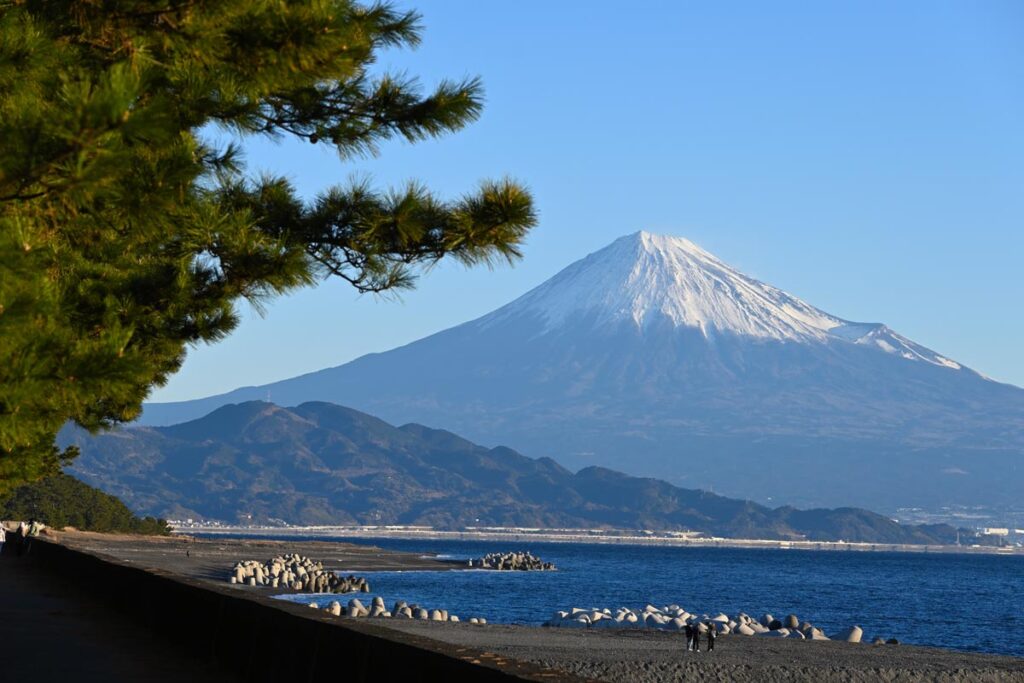
Miho no Matsubara
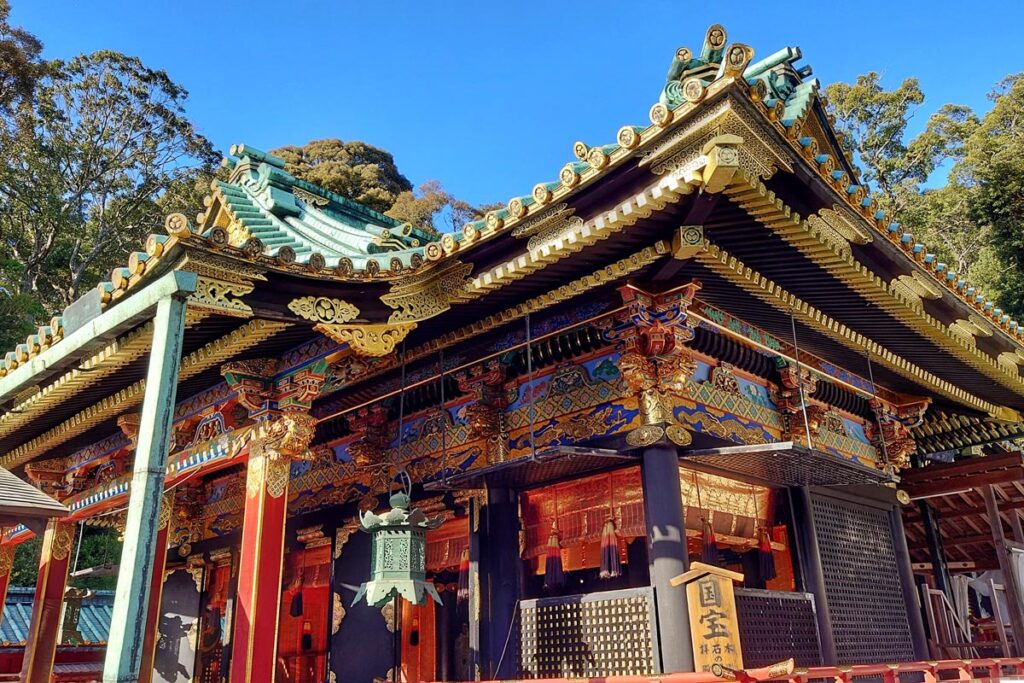
Kunōzan Tōshō-gū
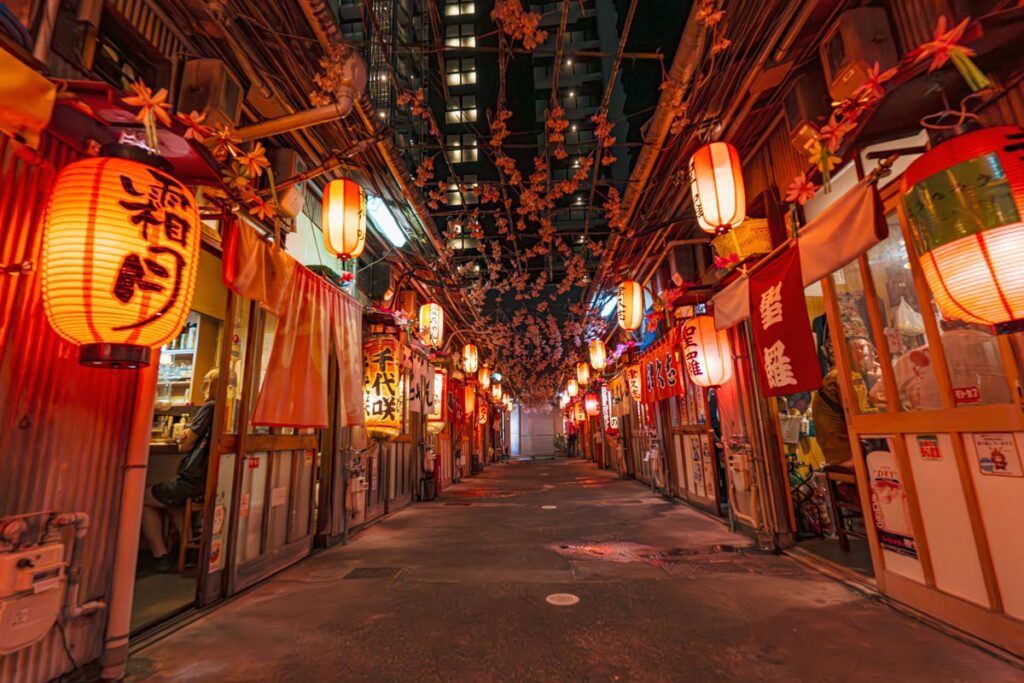
Shizuoka Oden Alley
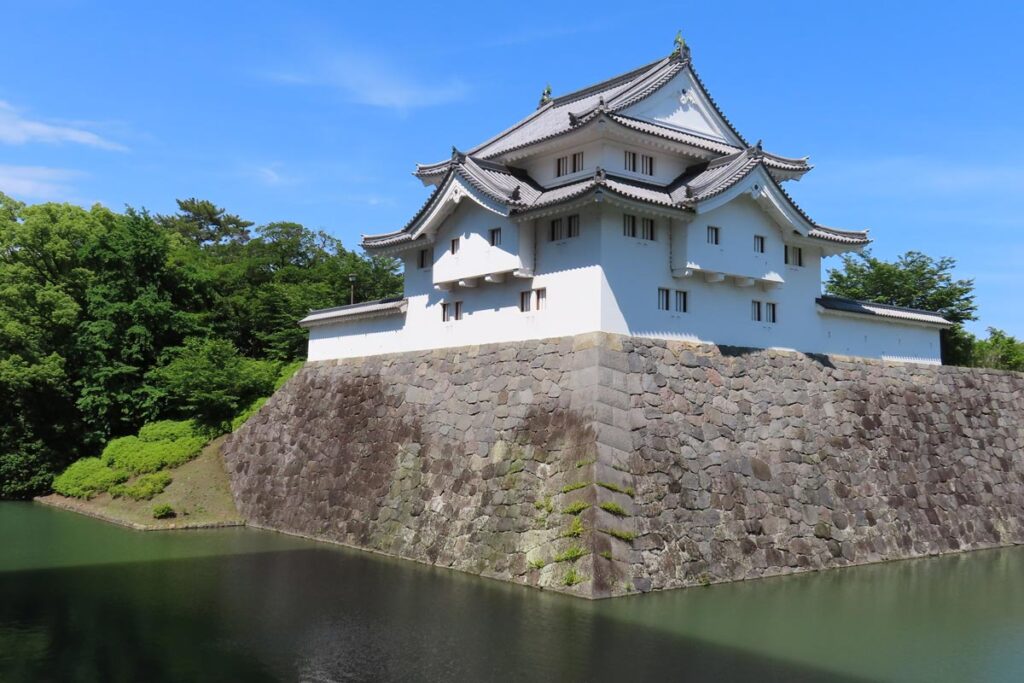
Sumpu Castle Park
Atami
Yaizu Tuna Fishing Port
Top destinations in Chubu/Hokuriku
Gifu
Ishikawa
Nagano