
Yokohama Red Brick Warehouse
Yokohama Red Brick Warehouse: A Stylish Harbor Icon for First-Time Visitors to Japan
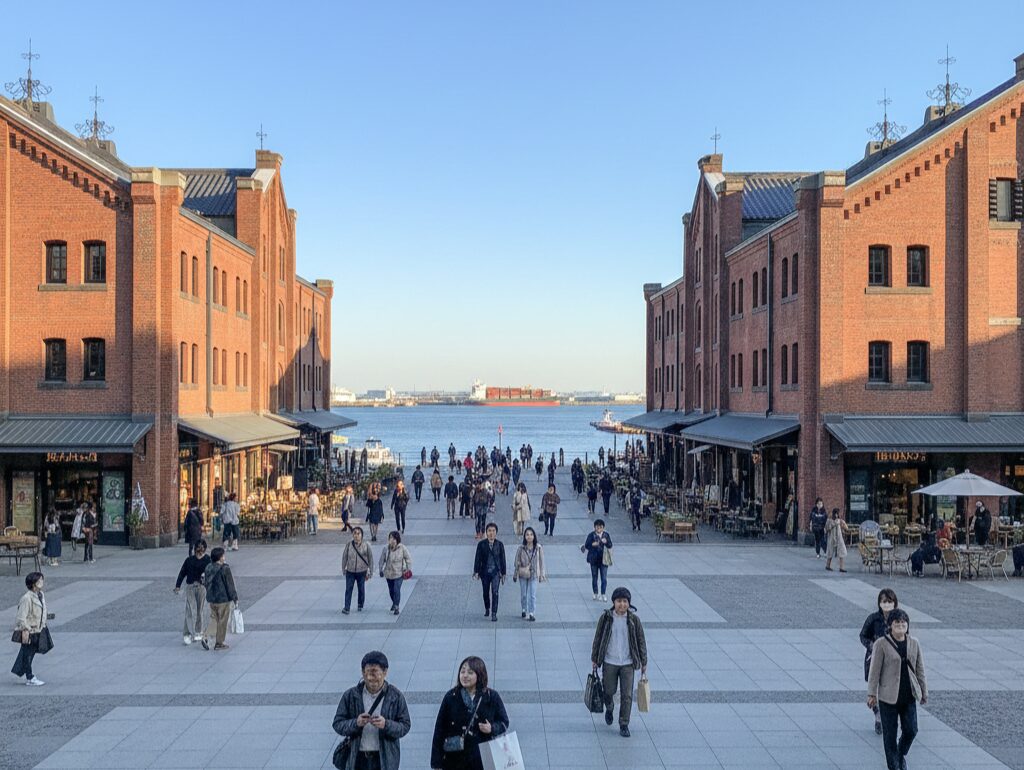
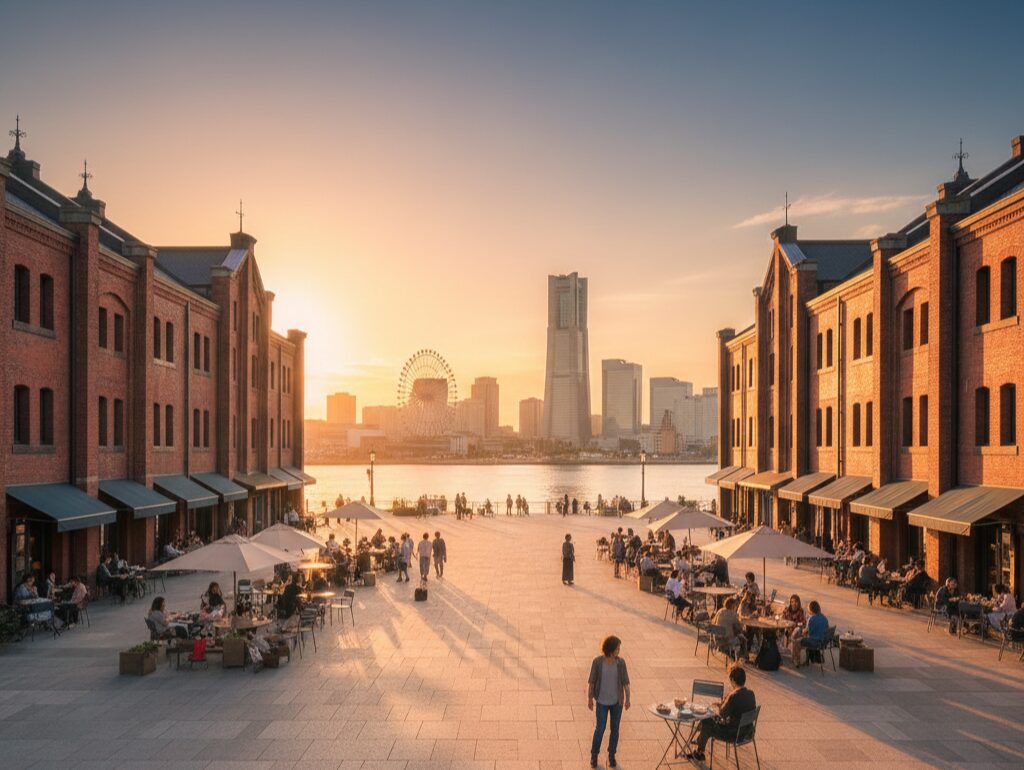
Photos are for illustrative purposes only.
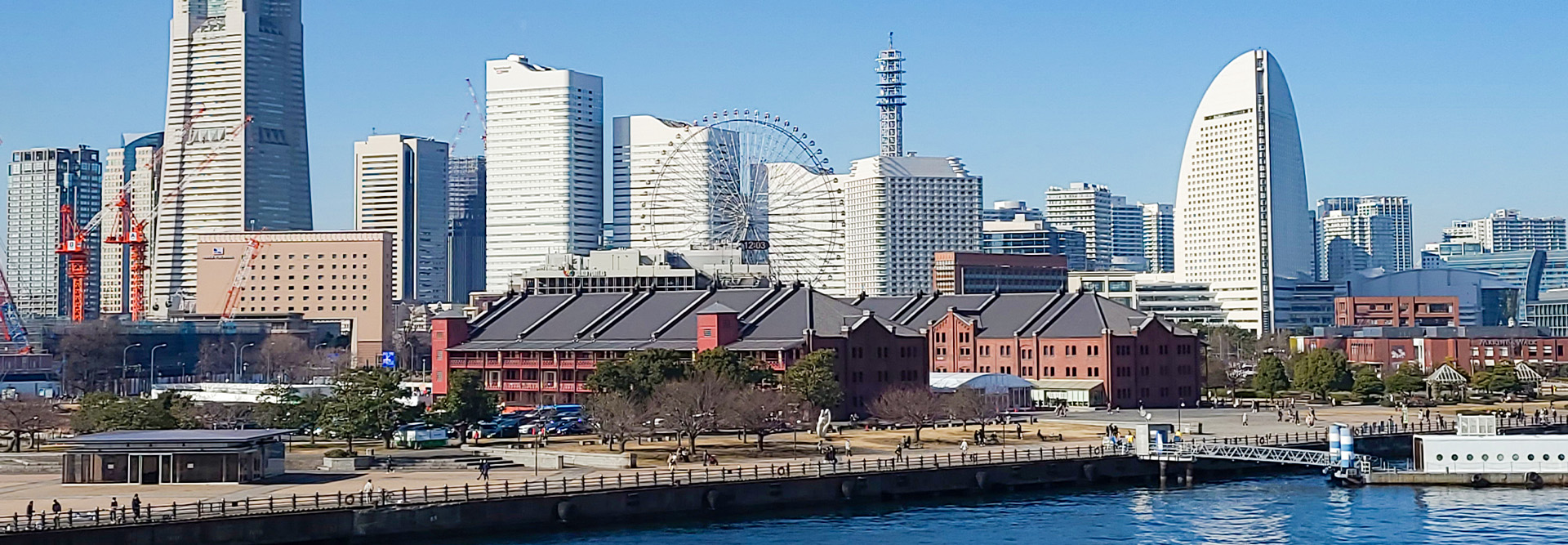
Set against the glittering waterfront of Yokohama Bay, the Yokohama Red Brick Warehouse (Aka-Renga Soko) is one of Japan’s most photogenic and visitor-friendly spots. For first-time travelers, it offers a relaxed introduction to Japanese urban life: a mix of history, culture, shopping, dining, and seaside atmosphere, all only about 30–40 minutes from central Tokyo.
What Is the Yokohama Red Brick Warehouse?
The Yokohama Red Brick Warehouse is a pair of early 20th-century brick buildings that once served as customs warehouses for Japan’s busy international port. Today, they’ve been thoughtfully renovated into a lifestyle complex with boutiques, cafés, restaurants, galleries, and seasonal event spaces.
Locals know the area simply as “Aka-Renga,” and it’s a favorite weekend destination for couples, families, and groups of friends. The buildings maintain their historical charm—thick brick walls, iron details, and wooden beams—while housing thoroughly modern shops and eateries. Outside, wide plazas and waterfront promenades invite slow strolls and sunset photos.
Why Visit as a First-Time Traveler?
For many international visitors, Yokohama Red Brick Warehouse is an ideal day or half-day trip from Tokyo. Here are a few reasons it deserves a place on your itinerary:
- Easy access from Tokyo: Reachable with simple train connections and a short walk.
- Relaxed, open setting: Wide open plazas and sea breezes provide a calmer experience than Tokyo’s densest districts.
- Clear signage and bilingual menus: Many shops and restaurants offer English information, making it beginner-friendly.
- Varied experiences: Shopping, dining, harbor views, seasonal events, and museums nearby mean there is something for everyone.
- Great photography: The red brick against the blue bay and city skyline is one of Yokohama’s signature scenes.
History in Brief: From Gateway to the World to Creative Hub
Yokohama was one of the first ports in Japan to open to foreign trade in the mid-19th century, after centuries of isolation. As trade flourished, the city needed modern infrastructure—piers, warehouses, and customs houses—to manage the flow of goods and people.
The Red Brick Warehouse buildings were constructed in the early 1900s as part of this modernization. At the time, they represented cutting-edge design for Japan: earthquake-resistant engineering, fireproof materials, and efficient layouts for customs inspections and storage.
Over the decades, the warehouses survived natural disasters, war, and changes in transportation. Eventually, they lost their original purpose as shipping technology evolved and port facilities moved elsewhere. Instead of demolishing them, Yokohama chose to preserve and repurpose the historic structures, reopening them in the early 2000s as cultural and commercial spaces.
Today, they symbolise Yokohama’s identity: an open, internationally minded port city that embraces both history and creative innovation.
Layout: Two Warehouses, One Waterfront Playground
The complex consists of two main buildings and a spacious outdoor plaza facing the sea:
- Building No. 1: Primarily used for art exhibitions, cultural events, concerts, and seasonal markets. It has a changing program, so it’s worth checking what’s on during your visit.
- Building No. 2: The livelier building for everyday visitors, filled with boutiques, souvenir shops, cafés, and restaurants spread across several floors and open balconies.
- Red Brick Park and Plaza: An open-air area between the buildings and the harbor, often used for outdoor festivals, food fairs, and temporary attractions like beer gardens and skating rinks.
Shopping: Local Crafts, Design Goods, and Tasty Souvenirs
Inside Building No. 2, you’ll find a curated selection of shops highlighting Japanese and Yokohama-made products. It’s an enjoyable place to browse even if you’re not a dedicated shopper.
What to Look For
- Yokohama-branded sweets: Cookies, chocolates, and cakes in retro-style packaging featuring ships and the famous Yokohama skyline.
- Craft and design items: Handcrafted accessories, ceramics, glassware, and stationery that make understated, non-touristy souvenirs.
- Fashion and lifestyle shops: Small boutiques selling Japanese clothing brands, bags, and home décor with a modern, minimalist aesthetic.
- Food souvenirs: Regional seasonings, teas, and snacks you can take home or enjoy back at your hotel.
Prices range from affordable trinkets to higher-end design pieces, so it’s easy to find both simple gifts and special keepsakes.
Cafés and Dining with Harbor Views
Yokohama Red Brick Warehouse is as famous for leisurely café time as it is for shopping. Many eateries offer large windows or terrace seating facing the bay, perfect for watching ships and pleasure boats glide across the water.
What You Can Eat
- Casual cafés: Coffee, tea, and desserts such as Japanese-style pancakes, parfaits, and seasonal sweets.
- International flavors: Western-style bistros, Italian-inspired menus, and fusion cuisine reflect Yokohama’s long ties with the outside world.
- Beer halls and bars: Some venues serve local and imported beers, cocktails, and bar snacks—especially lively in the evenings.
Many restaurants have picture menus and sometimes English translations, which helps first-time visitors order with confidence. If you want to blend in with locals, consider ordering a seasonal limited menu item; Japanese cafés often highlight ingredients tied to the current season, such as strawberries in winter or matcha in early summer.
Seasonal Events and Festivals
One of the joys of visiting the Yokohama Red Brick Warehouse is that the atmosphere changes throughout the year. If your trip coincides with a major event, the area can feel like an open-air festival ground.
Popular Seasonal Highlights
- Spring: The mild weather makes it perfect for strolling the waterfront. You may find flower-themed markets, outdoor cafés, and food fairs.
- Summer: Beer festivals and outdoor music events are common. Nights are warm and lively, with illuminated buildings and busy terraces.
- Autumn: Harvest festivals, craft markets, and occasionally Oktoberfest-style beer events make good use of the open plaza.
- Winter: A Christmas market often transforms the area with wooden stalls, holiday lights, and seasonal treats like hot wine and roasted nuts. An ice skating rink sometimes appears near the warehouses, creating a romantic, European-style winter scene.
These events are popular with locals, so weekends and holidays can be crowded. If you prefer quieter exploration, aim for weekdays or early afternoons.
Best Time of Day to Visit
You can enjoy the Yokohama Red Brick Warehouse at almost any time, but the mood shifts through the day:
- Daytime: Ideal for families and shoppers. Easier to see harbor views, and photography is straightforward in natural light.
- Late afternoon: Great for golden-hour photos as the sun sets behind the city, painting the brick walls a deeper red.
- Evening: A romantic atmosphere emerges as the buildings and boardwalk light up. Perfect for a date or relaxed dinner with night views of the harbor and nearby Ferris wheel.
Nearby Attractions to Combine in One Trip
Yokohama’s Minato Mirai (literally “Harbor of the Future”) district surrounds the Red Brick Warehouse, making it easy to see several sights in a single day.
Minato Mirai and Landmark Tower
A short walk away, Minato Mirai is a modern waterfront cluster of high-rise buildings, shopping centers, and museums. Yokohama Landmark Tower offers an observation deck with sweeping views over the city, Tokyo Bay, and on clear days even Mt. Fuji.
Yamashita Park
Walk along the waterfront promenade from the Red Brick Warehouse to Yamashita Park, a long, green park facing the sea. Locals come here to relax on benches, eat ice cream, and enjoy sea breezes. The historic Hikawa Maru ocean liner, now a museum ship, is moored along the park.
Yokohama Chinatown
One of the largest Chinatowns in the world is also nearby. Colorful gates, lanterns, and temple roofs contrast with the industrial-chic mood of the Red Brick Warehouse. It’s a fantastic place to sample Chinese and Chinese-Japanese fusion dishes—dim sum, steamed buns, and noodles—before or after your harbor stroll.
How to Get There from Tokyo
From central Tokyo, reaching Yokohama is straightforward and covered by popular rail passes, including many JR passes.
Typical Routes
- From Tokyo Station: Take the JR Tokaido Line or JR Yokosuka Line to Yokohama Station (around 25 minutes). From Yokohama, transfer to the Minato Mirai Line and ride to Bashamichi or Nihon-Odori Station (about 5 minutes). From either station, it’s roughly a 6–10 minute walk to the Red Brick Warehouse.
- From Shibuya: Take the Tokyu Toyoko Line, which connects directly to the Minato Mirai Line, to Nihon-Odori or Bashamichi (about 35–40 minutes).
Once you exit the station, follow signs for the Red Brick Warehouse or simply head toward the waterfront. The red brick buildings are large and easy to spot.
Practical Tips for First-Time Visitors
Opening Hours and Admission
The outdoor plazas and park areas are open at all times. Shops and restaurants inside the warehouses typically open from late morning to evening, with slight variations by tenant. There is usually no admission fee to enter the buildings themselves, but specific events, galleries, or exhibitions may charge an entry fee.
Language and Payments
Many merchants are accustomed to international visitors. You’ll often find English labels on menus and signs, and staff may have basic English ability. Cash is still widely accepted, but major credit cards and IC cards like Suica or Pasmo are increasingly common for payment.
Weather and Clothing
The area is right on the harbor, so it can feel windier and cooler than inland Tokyo, particularly in winter. Bring an extra layer if you plan to stay for the evening view, and in summer, carry water and sunscreen for outdoor events.
Accessibility
The plazas are flat and spacious, and the buildings are equipped with elevators, making the area broadly accessible for strollers and wheelchairs. Wide walkways also make it easy to navigate with luggage if you’re stopping by en route to or from Yokohama Station.
Photography Ideas
The Yokohama Red Brick Warehouse area is tailor-made for photos:
- Capture the contrast between the red brick walls and the blue sky or water.
- Shoot along the boardwalk in late afternoon to catch the warm glow on the buildings.
- At night, frame the illuminated warehouses with the Minato Mirai skyline and Ferris wheel in the background.
- During seasonal events, focus on details—decorations, stalls, and local snacks—to tell the story of your visit.
Suggested Half-Day Itinerary
If you’re staying in Tokyo, here is a simple plan for a first visit to Yokohama Red Brick Warehouse:
- Arrive in Yokohama by late morning and head straight to the Red Brick Warehouse.
- Explore the shops and pick up a few souvenirs or snacks.
- Enjoy a leisurely lunch at a harbor-view café or restaurant.
- Walk along the waterfront to Yamashita Park for sea views and a relaxed break.
- In the late afternoon, continue on to Yokohama Chinatown for an early dinner.
- Return to the Red Brick Warehouse or Minato Mirai area after dark to enjoy the illuminated harbor before heading back to Tokyo.
Experiencing Japan’s Port City Culture
Yokohama Red Brick Warehouse offers a gentle, stylish introduction to modern Japan. You can feel the breeze coming off the bay, savor a coffee in a converted warehouse, discover Japanese-made design goods, and watch the skyline light up as evening falls—all in one compact, walkable area.
For first-time visitors, it’s a reminder that Japan is not just about temples, shrines, and neon-packed streets. It is also a country of port cities, open horizons, and carefully preserved industrial heritage. With its mix of history, culture, and easy-going charm, the Yokohama Red Brick Warehouse is one of the most rewarding side trips you can make from Tokyo.
Access Map
Recommended spots in Kanagawa
Great Buddha of Kamakura
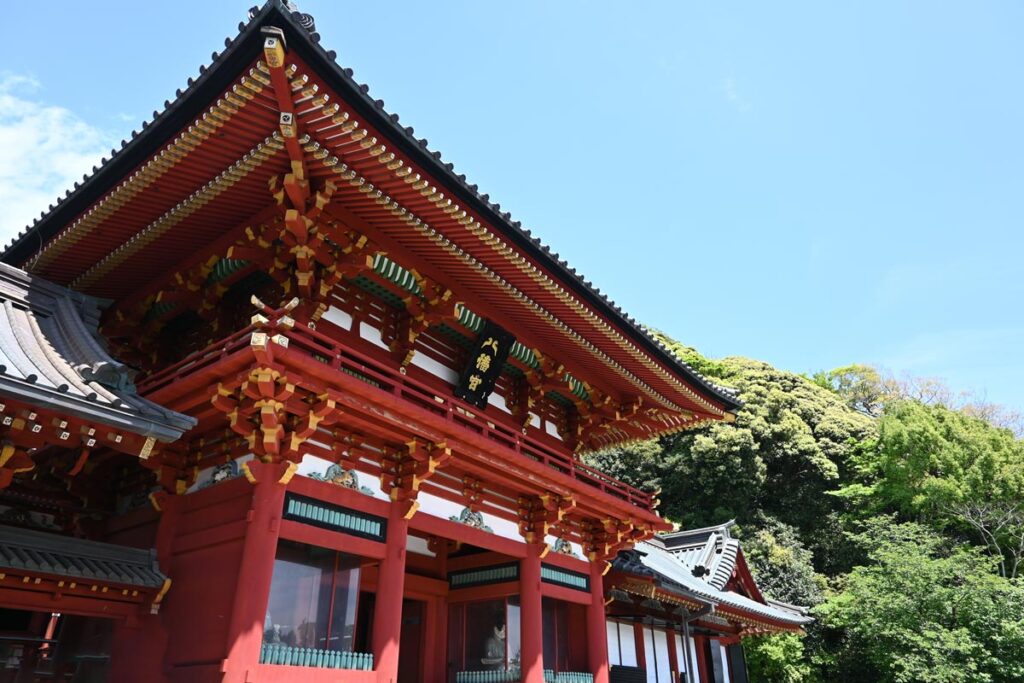
Tsurugaoka Hachimangu Shrine
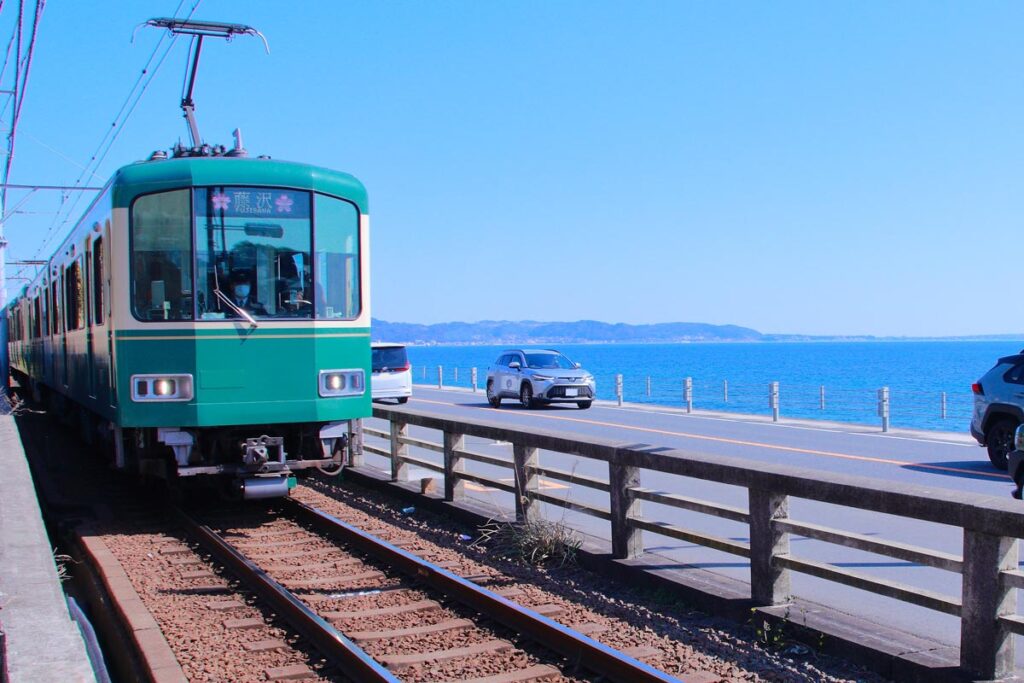
Enoshima Area
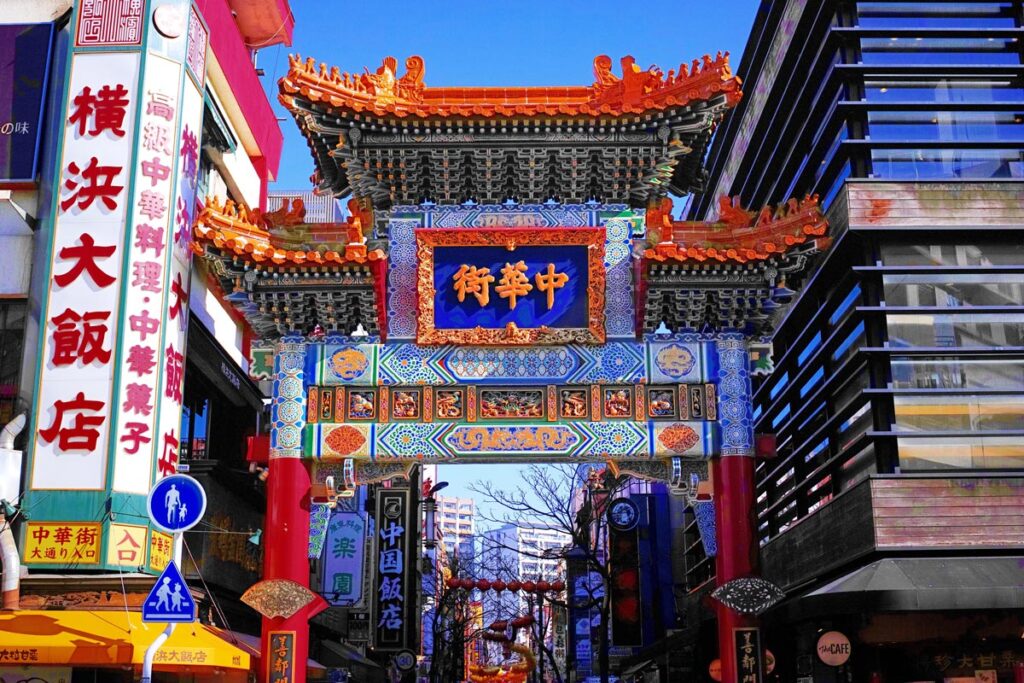
Chinatown Yokohama
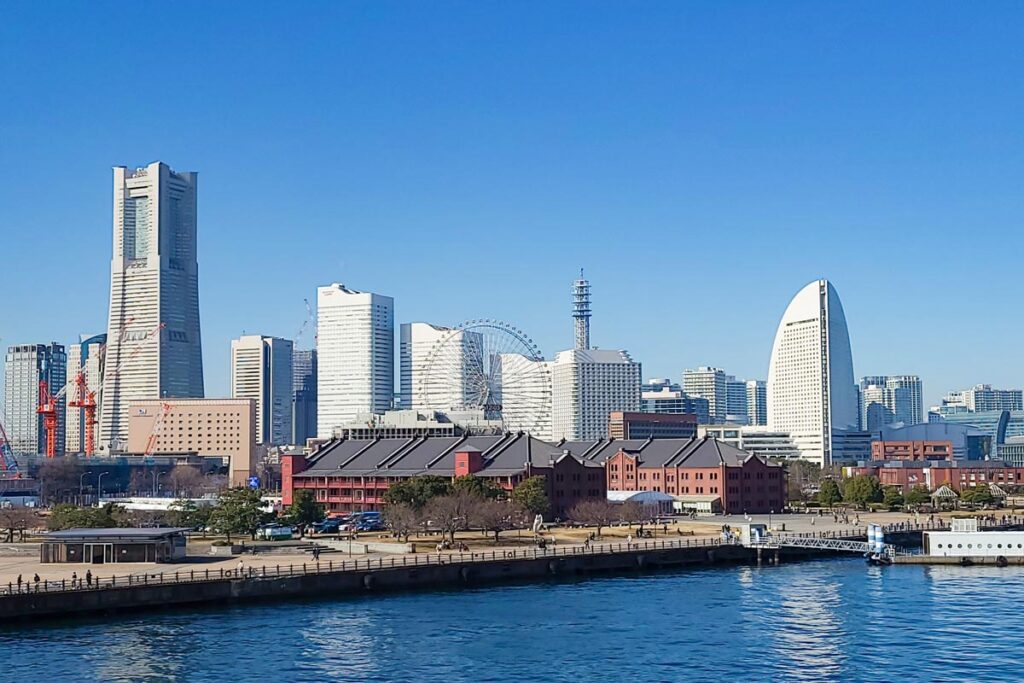
Yokohama Red Brick Warehouse
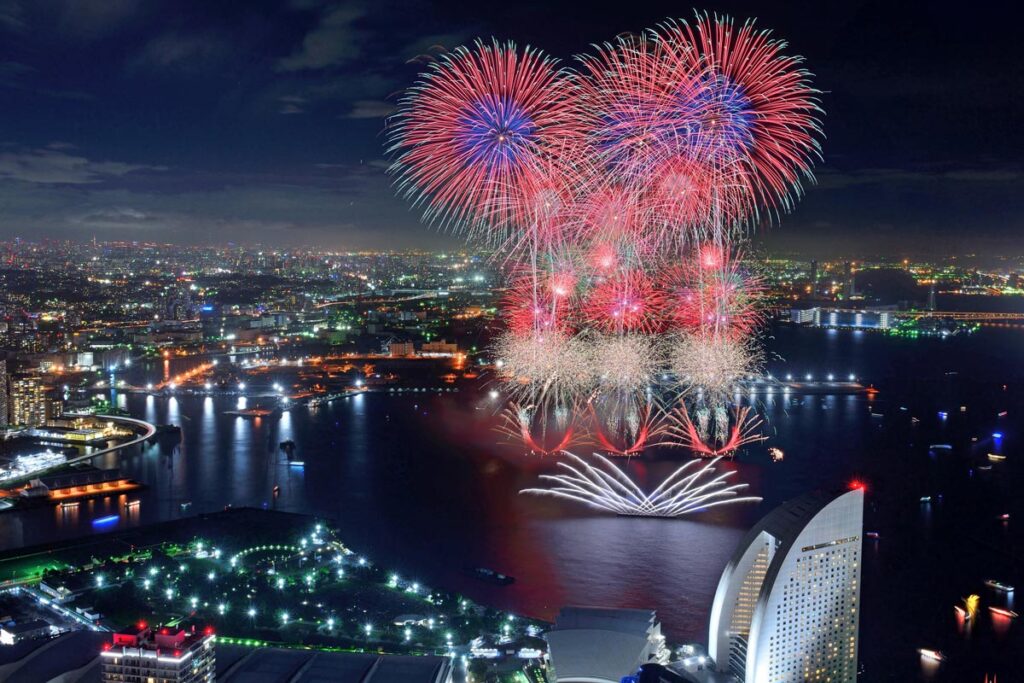
Yokohama Landmark Tower & Sky Garden
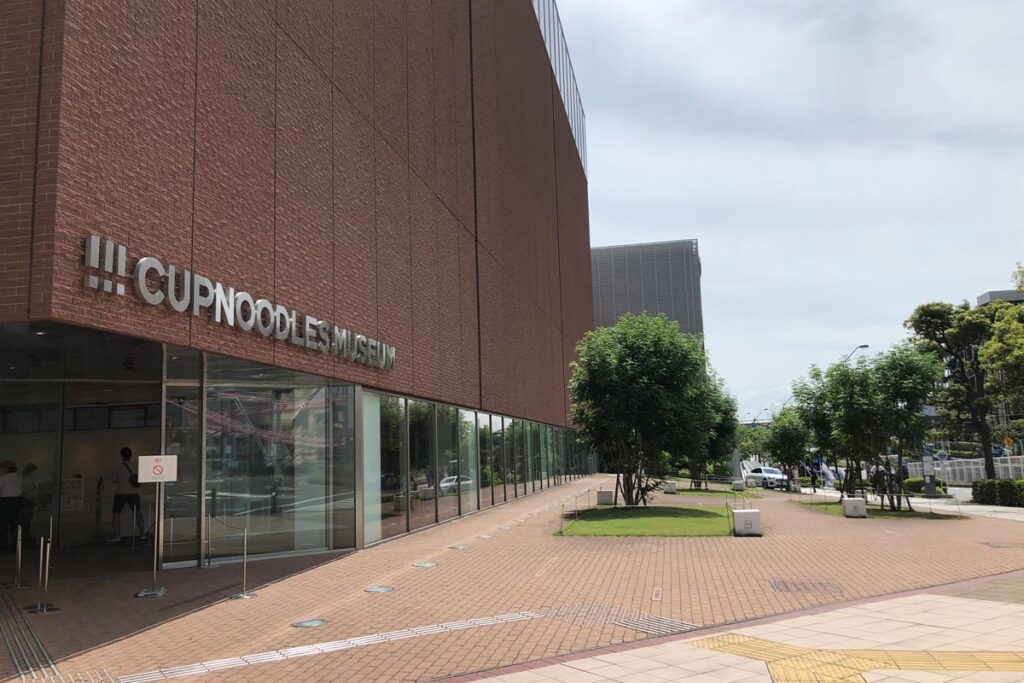
Cupnoodles Museum
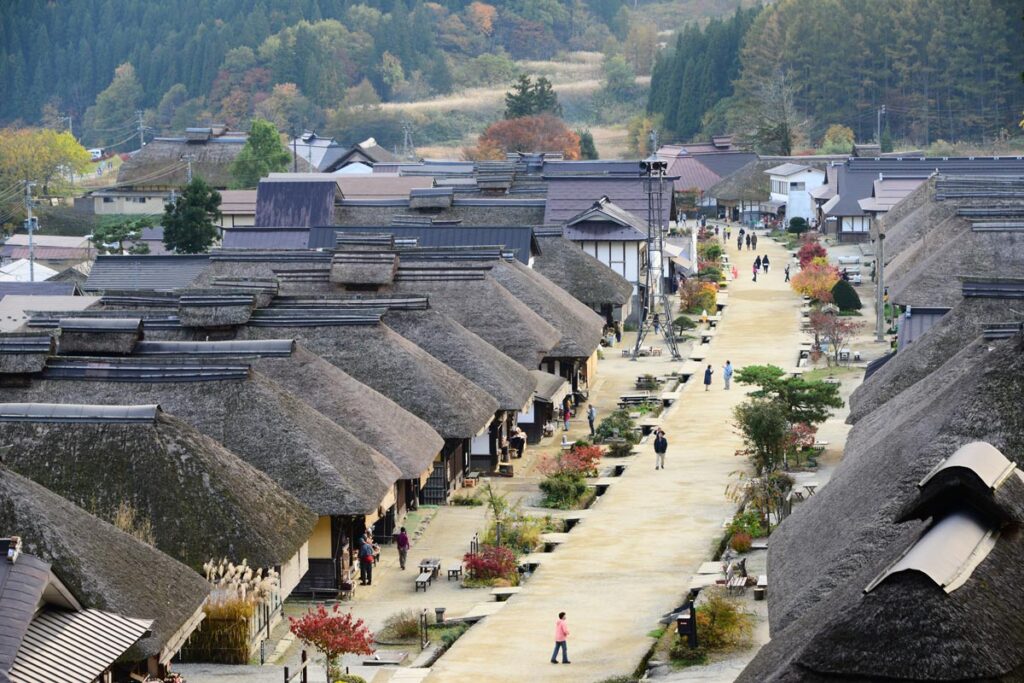
Top destinations in Kanto Region
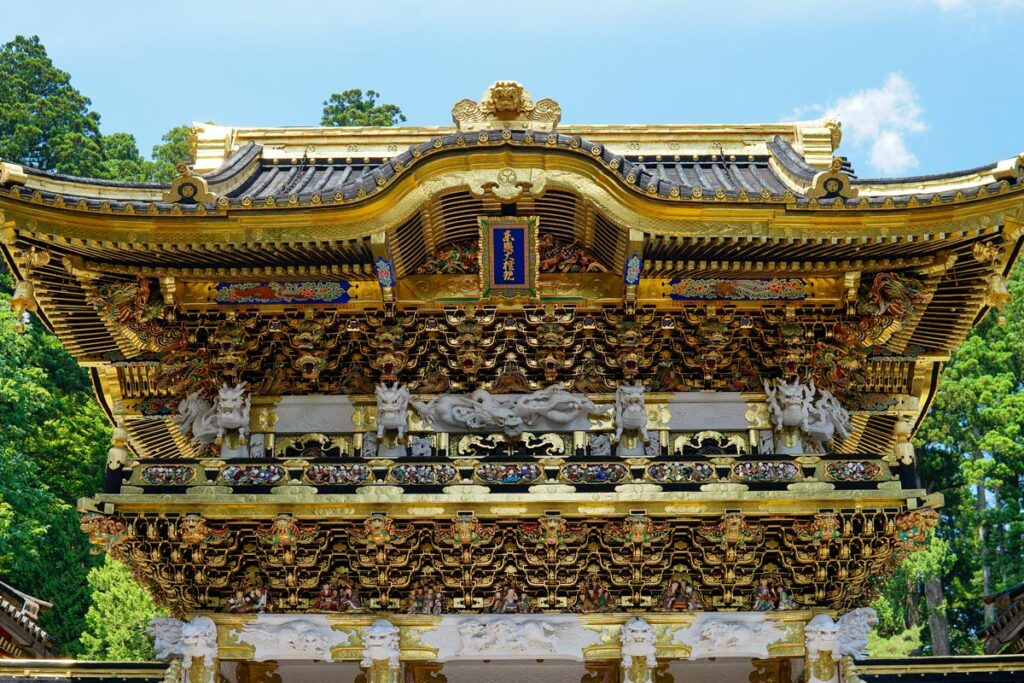
Tochigi
Saitama